


DEFINITION: What real-time vulnerability detection means
Real-time vulnerability detection is a security testing approach in which the interval between a vulnerability entering a production system and being identified is measured in days rather than months. It is achieved by testing continuously as a system changes, rather than at scheduled intervals.
An accurate definition requires one honest qualification. No security testing model is literally real time. A vulnerability introduced at the moment of deployment is not identified at that same moment under any model, because identification requires a tester or a process to examine the changed system. Any provider claiming instantaneous detection is overstating what is technically possible.
What the term accurately describes is a substantial compression of the detection interval, from the months typical of annual testing to the days achievable under continuous testing. The value of the model lies in that compression, and it is measurable, which is more useful than any marketing claim.
DEFINITION: The exposure window
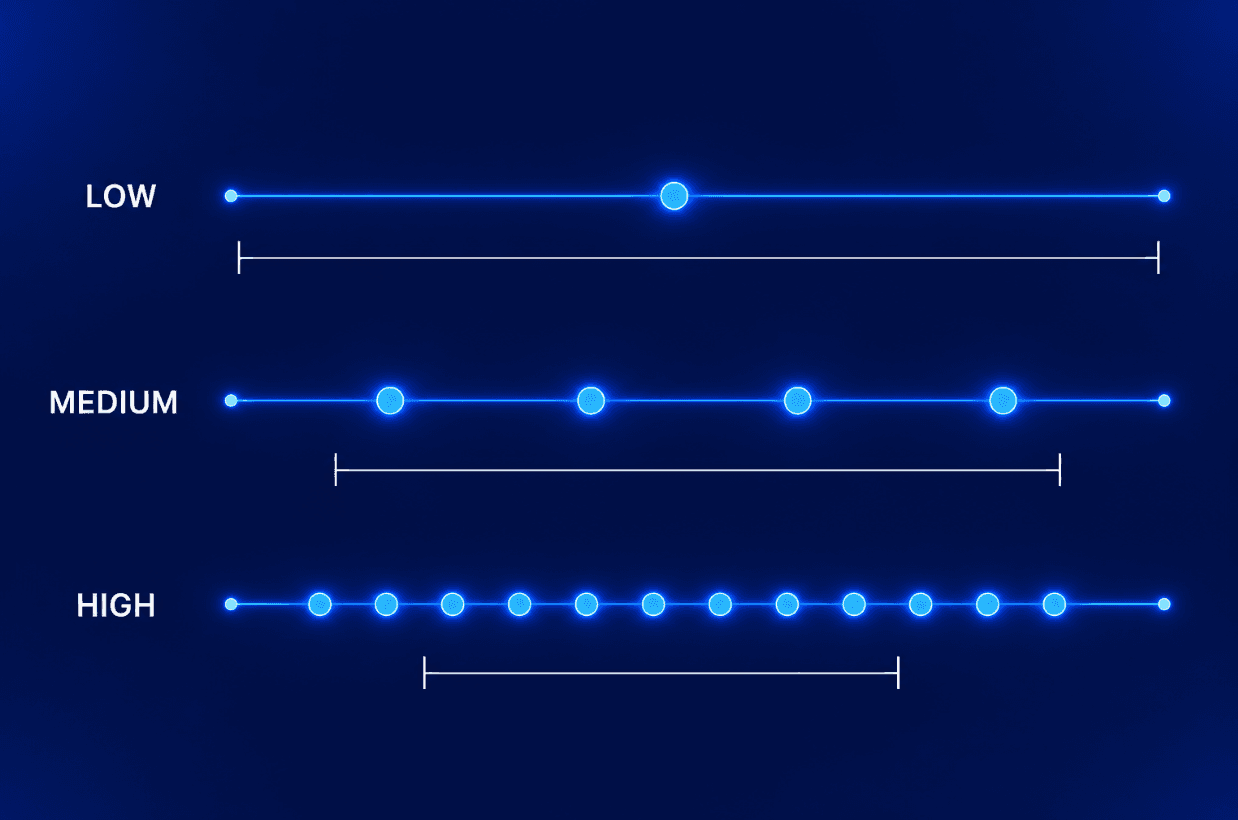
The exposure window is the elapsed time between a vulnerability becoming present in a production system and the organisation becoming aware of it. It is the single most useful metric for evaluating a security testing model, because it directly determines the period during which an organisation is exposed without knowing.
The exposure window is a function of testing frequency, not testing quality. A highly thorough annual test and a mediocre annual test produce similar exposure windows, because the determining variable is how long the vulnerability sat before anyone looked.
This is the reason annual testing fails as a model. It is not that annual tests find fewer vulnerabilities. It is that the vulnerabilities they find have typically existed in production for months before discovery.
Calculating the exposure window under annual testing
The mathematics are straightforward and rarely stated plainly.
Under a single annual test, a vulnerability introduced immediately after the test concludes remains undiscovered for approximately twelve months. A vulnerability introduced immediately before the next test is discovered almost at once. Averaged across a year of continuous product changes, the expected exposure window under annual testing is approximately six months.
Under quarterly testing, the same calculation produces an average exposure window of approximately six weeks. Under continuous testing, where changed systems are examined as they change, the average exposure window compresses to days.
These figures are structural rather than empirical. They follow from testing frequency alone and do not depend on the quality of any individual engagement, which is precisely what makes the exposure window such a clarifying metric.
Why the exposure window matters more than finding count
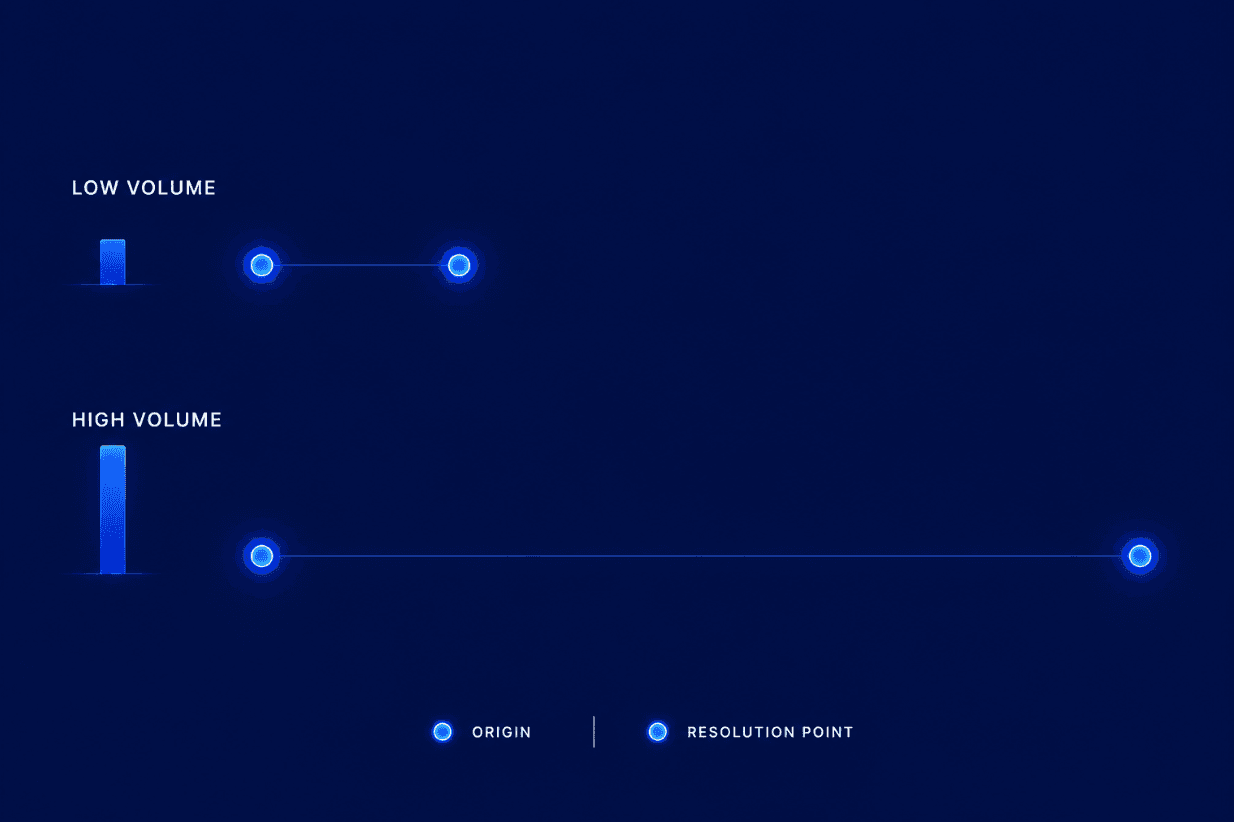
Security testing is commonly evaluated on how many vulnerabilities were found. This is a poor measure, and understanding why changes how a testing programme should be assessed.
A vulnerability that is found and fixed within a week caused a week of exposure. The same vulnerability found and fixed after seven months caused seven months of exposure. The finding is identical. The risk carried is not comparable.
Every day a vulnerability remains present is a day it can be discovered by someone else. Exposure duration is therefore a closer proxy for actual risk than finding count, which measures the output of a testing process rather than the security outcome.
An organisation that reduced its average exposure window from six months to two weeks has improved its security position materially, even if the total number of findings per year remained unchanged.
Your Last Pentest Is Already Out of Date
Every week you ship without continuous testing is a week a vulnerability goes unseen. See what Capture The Bug finds in your first engagement.
Book a demo
The practical first step is calculating the current average exposure window for a specific product based on its release cadence and testing frequency. Book a demo with Capture The Bug and work through that calculation directly.
What changes between annual tests

The exposure window would be a theoretical concern if production systems remained static between engagements. They do not.
New endpoints enter production with each release, and each represents surface that the previous test could not have examined. Dependencies are updated, sometimes introducing vulnerabilities that did not exist at the time of testing. Access controls and user roles are modified as products add functionality, and permission models are among the most common places for errors to appear. Infrastructure configuration changes as systems scale.
Each of these is a mechanism by which a system tested and found sound becomes a system with an undiscovered vulnerability. None of them wait for a testing schedule. A penetration testing service operating continuously examines these changes close to when they occur, which is the mechanism through which the exposure window compresses.
Where annual testing remains adequate
An honest analysis must acknowledge that the exposure window argument does not apply universally.
- Systems that genuinely do not change carry a stable exposure profile. If a system has not been modified in twelve months, an annual test provides accurate coverage of its current state, because no new vulnerabilities have been introduced through change. Legacy systems in maintenance mode frequently fall into this category.
- Organisations without capacity to remediate quickly gain less from rapid detection. If a finding delivered in one day sits unaddressed for three months, the effective exposure window is determined by remediation speed rather than detection speed. Detection improvements only produce security outcomes when remediation capacity exists to act on them.
- Compliance requirements specifying an annual frequency are satisfied by annual testing. An organisation whose sole driver is a specific frequency requirement, with no material change to its systems, meets that obligation without continuous testing.
Any provider arguing that continuous testing is universally necessary regardless of these conditions is not analysing the specific situation.
How to evaluate detection speed in a provider
Four questions establish what exposure window a provider will actually deliver.
- How soon after a system changes is that change examined? A defined process for bringing changes into scope determines detection speed more than any other factor.
- When are confirmed findings delivered relative to discovery? Findings held for a periodic report add the reporting interval to the exposure window.
- Is retesting included, and how quickly is it performed? The exposure window closes when the fix is verified, not when the finding is reported.
- What is the provider's typical interval between discovery and delivery? A provider that cannot state this figure is not measuring it.
A CREST-certified penetration testing service built around continuous delivery answers all four by design, because the model exists specifically to compress the interval these questions measure.
What this means for your roadmap
Annual penetration testing does not fail because the testing is inadequate. It fails because a single annual examination of a system that changes weekly produces an average exposure window measured in months, and that number is determined by scheduling rather than by testing quality. For any organisation shipping product changes regularly and holding capacity to remediate, the exposure window is the metric worth optimising, and a continuous penetration testing service is the mechanism that compresses it. It is calculable from release cadence and testing frequency, it is comparable across providers, and it corresponds more directly to real risk than the finding counts most testing programmes are assessed on.
Plan Your Annual Pentesting Strategy the Right Way
Learn how modern SaaS companies structure pentesting across the year to reduce risk, stay compliant, and avoid last-minute panic before audits.

FAQ
What is real-time vulnerability detection?
It is a testing approach in which the interval between a vulnerability entering production and being identified is measured in days rather than months, achieved by testing continuously as systems change. No model is literally instantaneous, since identification requires examination of the changed system, so the accurate description is substantial compression of the detection interval rather than true real time.
What is an exposure window in security testing?
The exposure window is the elapsed time between a vulnerability becoming present in production and the organisation becoming aware of it. It is determined by testing frequency rather than testing quality, which is why it is a more useful metric than the number of findings a test produces.
What is the average exposure window under annual penetration testing?
Approximately six months. A vulnerability introduced just after a test remains undiscovered for around twelve months, one introduced just before the next test is found almost immediately, and averaged across a year of ongoing changes the expected interval is roughly half the testing cycle.
Why is finding count a poor measure of testing effectiveness?
Because it measures process output rather than security outcome. The same vulnerability found within a week and found after seven months represents identical output but materially different risk carried, since every day a vulnerability remains present is a day it can be discovered by someone else.
When is annual penetration testing still adequate?
When systems genuinely do not change, when remediation capacity is limited enough that faster detection would not lead to faster fixes, or when the sole driver is a compliance requirement specifying annual frequency with no material system change.