API Security Trends 2026: Strategies, Risks & Solutions
In 2026, APIs are the front door to modern businesses, and the organizations that secure them well are the ones that ship faster, earn trust, and avoid headline making breaches.
Why API security looks different in 2026
APIs are no longer a supporting layer. They run mobile apps, partner ecosystems, internal services, and data exchange across entire enterprises. As this dependency has grown, so has the attention they receive from attackers.
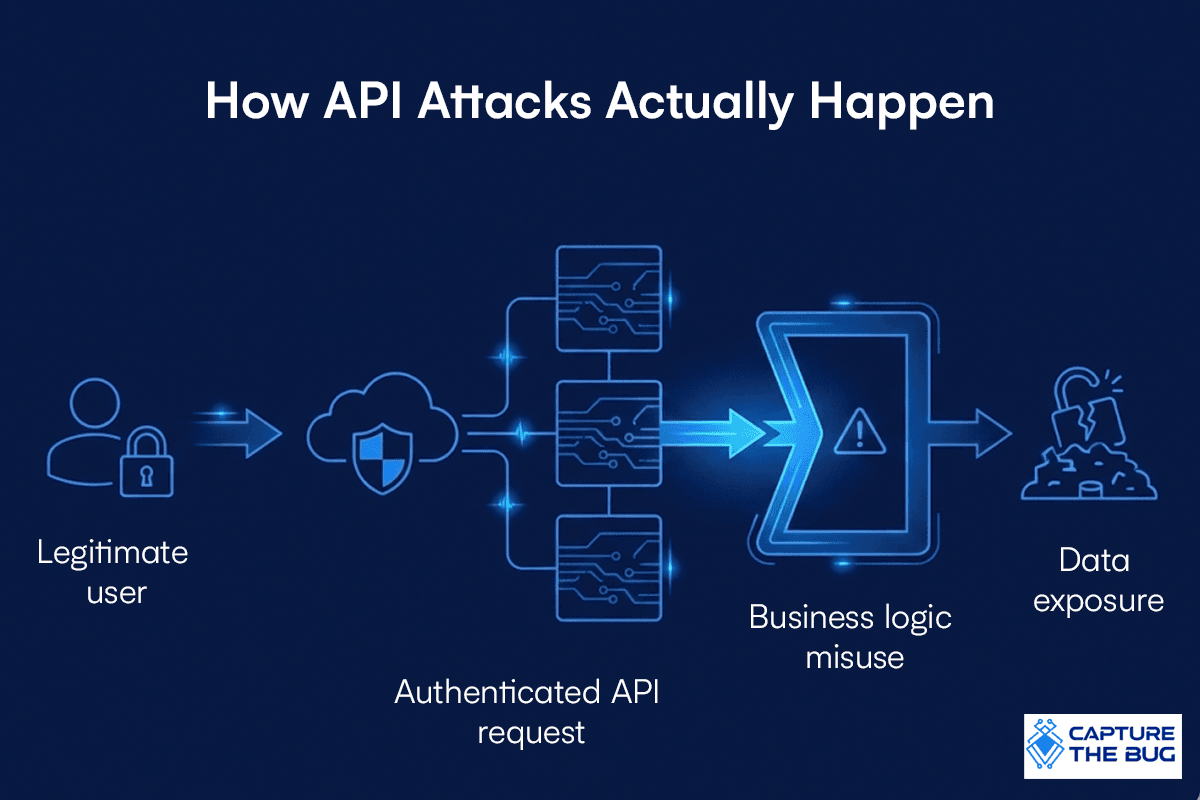
What makes 2026 different is not just the volume of attacks, but how subtle and business aware they have become. Most API incidents now happen through valid credentials and expected workflows. Nothing crashes. Nothing looks broken. Data just slowly leaks, or actions occur that should never be allowed.
For security leaders, this creates a hard truth. You cannot protect APIs with perimeter thinking or late stage checks. You need visibility, intent awareness, and controls that work continuously, not occasionally.
This guide explains the most important API security trends shaping 2026 and what practical teams are doing to stay ahead.
The state of API risk entering 2026
Across industries, a few patterns keep repeating.
Most organizations have already experienced at least one API related security incident. Many have experienced several, even if they were never publicly disclosed.
The majority of attacks do not come from anonymous traffic. They come from authenticated sessions where attackers use stolen keys, leaked tokens, or over privileged service accounts.
Authorization failures continue to dominate. Issues like broken object level authorization, missing ownership checks, and excessive permissions allow attackers to move laterally without resistance.
At the same time, many organizations still cannot answer a basic question with confidence: how many APIs are currently running in production.
This gap between API usage and API awareness is the foundation of most breaches.
Trend 1: Security moves upstream in API design
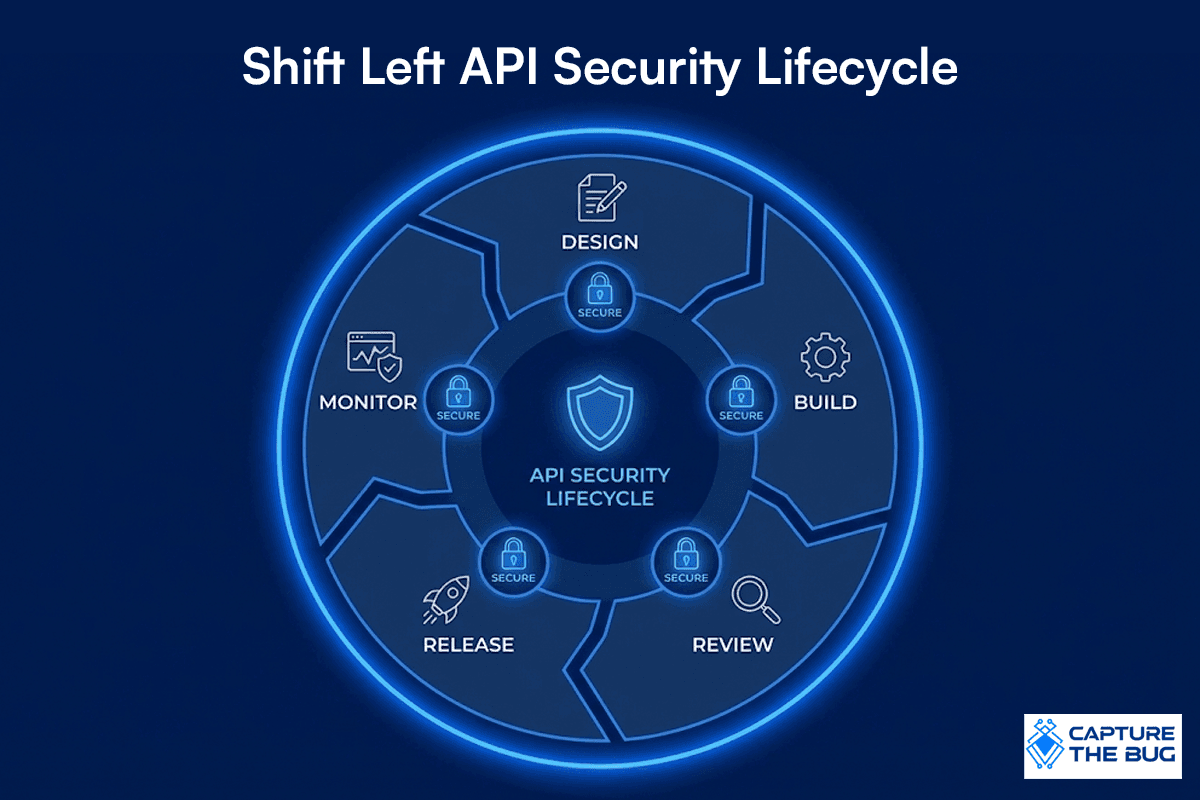
By 2026, teams have learned that fixing API issues late is expensive and disruptive. The most effective programs focus on catching mistakes while APIs are still being designed and implemented.
This does not mean slowing teams down. It means making security expectations clear early. Authentication models, permission boundaries, data exposure rules, and error handling are defined before endpoints go live.
The biggest shift is mindset. Security is no longer treated as a final review. It is treated as a design constraint, just like performance or reliability.
Teams that succeed here report fewer production incidents, smoother audits, and less friction between engineering and security leadership.
Trend 2: Behavior based detection becomes essential
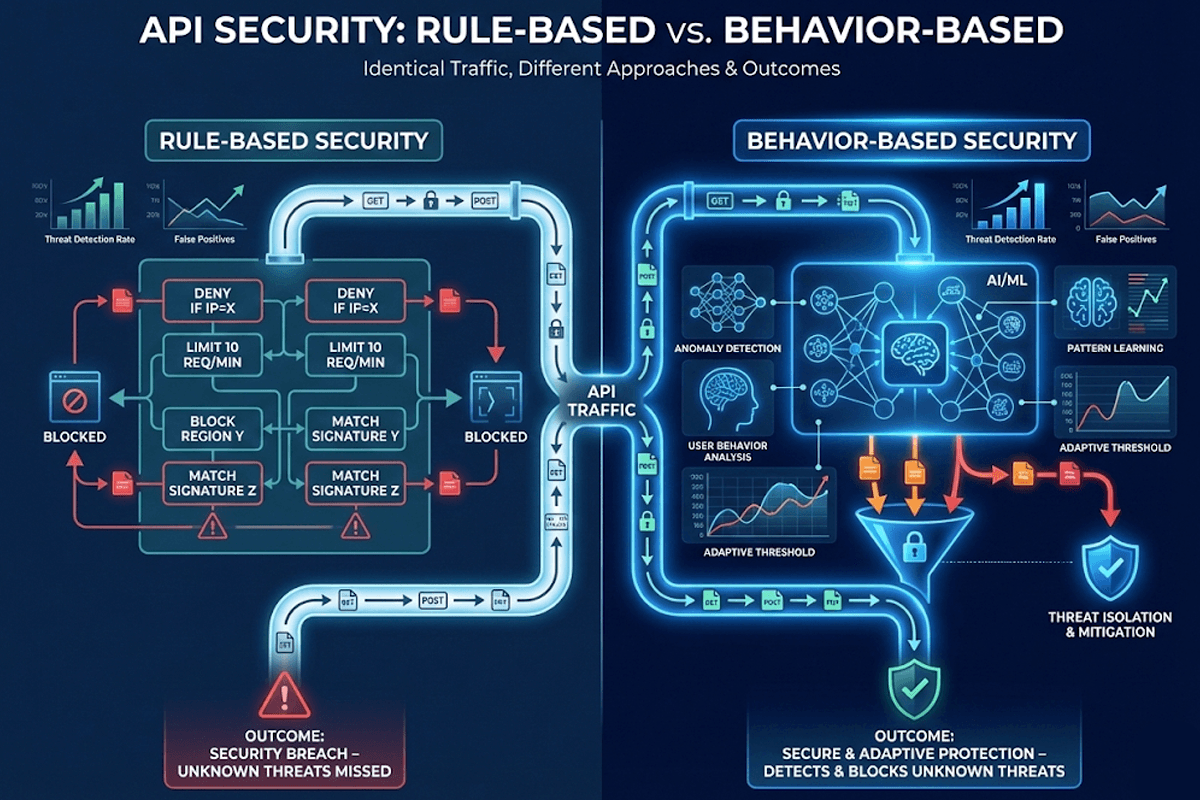
Traditional rule based controls still matter, but they struggle with modern API abuse. In 2026, the most damaging attacks look like normal users doing abnormal things.
Examples include an account pulling far more data than expected, a service chaining requests in unusual sequences, or a partner integration slowly extracting information outside its business purpose.
Behavior focused detection looks for these deviations over time. It builds a baseline of normal API usage and flags activity that breaks expected patterns, even when requests are technically valid.
This approach is especially effective against business logic abuse, which has become one of the hardest classes of API attacks to spot.
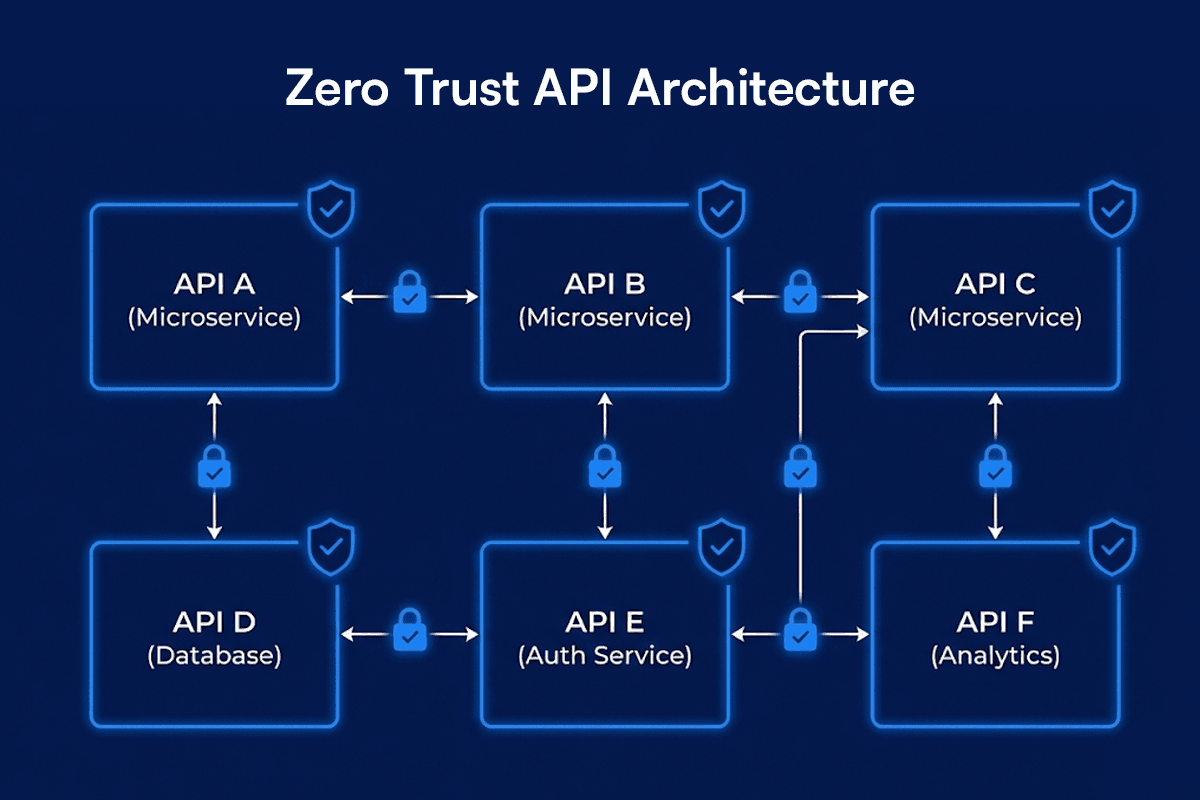
Trend 3: Zero trust becomes practical for APIs
Zero trust is no longer a slogan. In 2026, it shows up in very concrete API controls.
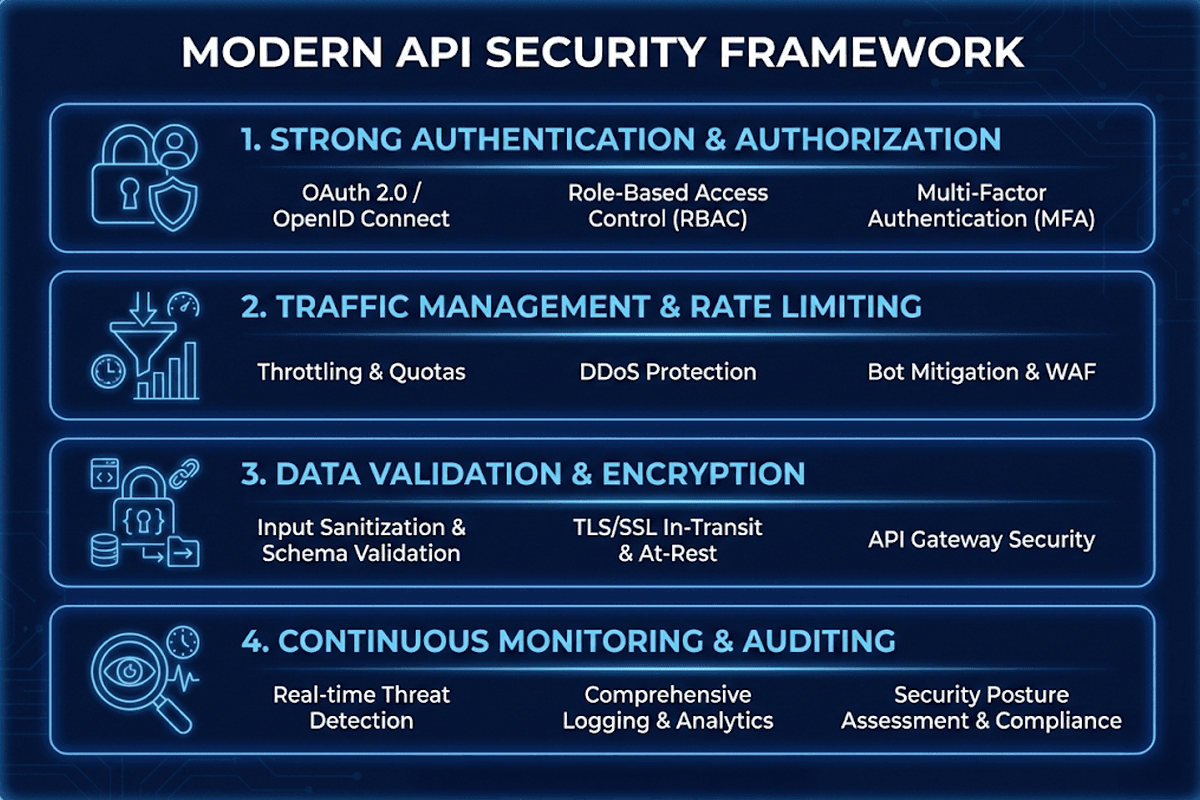
Every request is verified, not just at the edge but between internal services as well. Tokens are short lived. Permissions are narrow. Trust is continuously re evaluated.
Financial services and regulated industries have led this shift, but it is spreading quickly. The reason is simple. Token theft is common, and long lived credentials are dangerous.
By tightening verification at every step, organizations reduce blast radius. Even if one token is compromised, it cannot be reused broadly or indefinitely.
Trend 4: Full API visibility becomes non negotiable
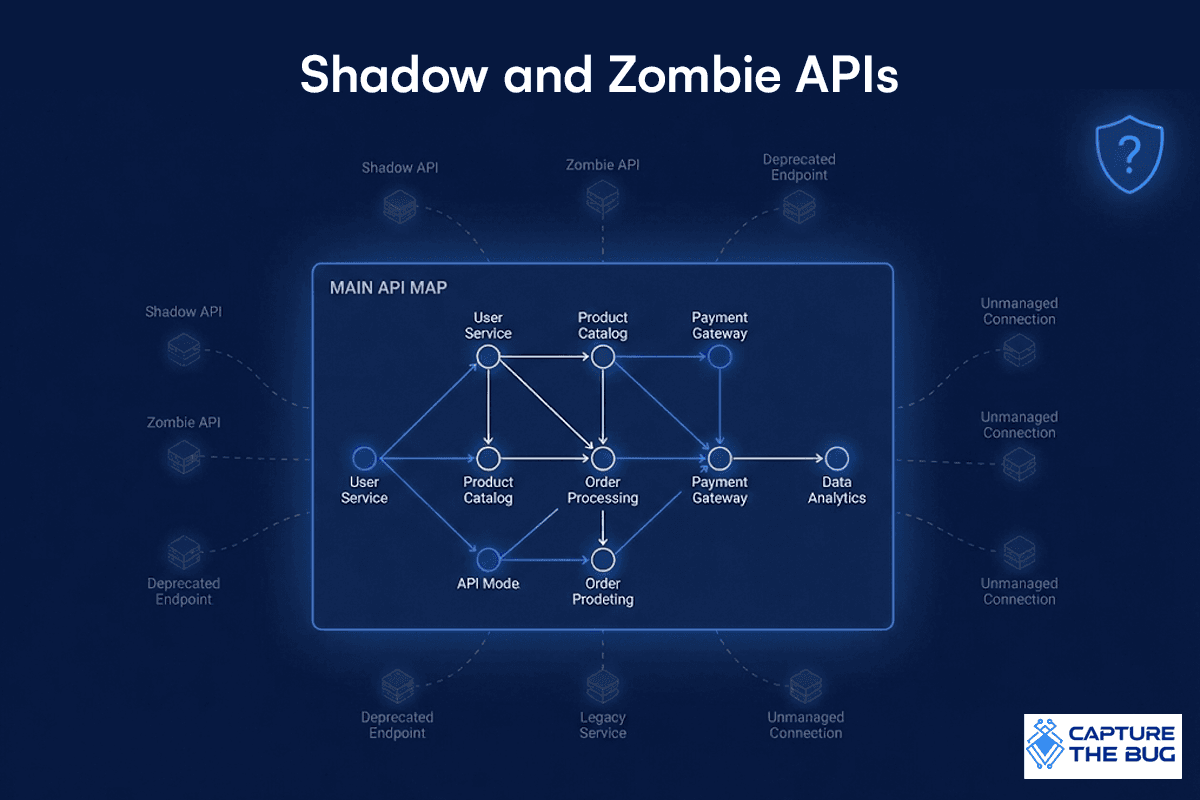
You cannot protect what you cannot see. This statement sounds obvious, yet many breaches still begin with unknown or forgotten endpoints.
In 2026, leading organizations maintain a living inventory of APIs across environments. This includes public, internal, partner, and legacy endpoints.
Special attention is given to what are often called shadow and zombie APIs. Shadow APIs are built outside formal processes and never documented. Zombie APIs are endpoints that were meant to be retired but are still running.
Attackers actively look for these because they are rarely monitored and often poorly secured.
Continuous discovery and regular cleanup dramatically reduce the available attack surface.
Trend 5: Authorization gets more precise
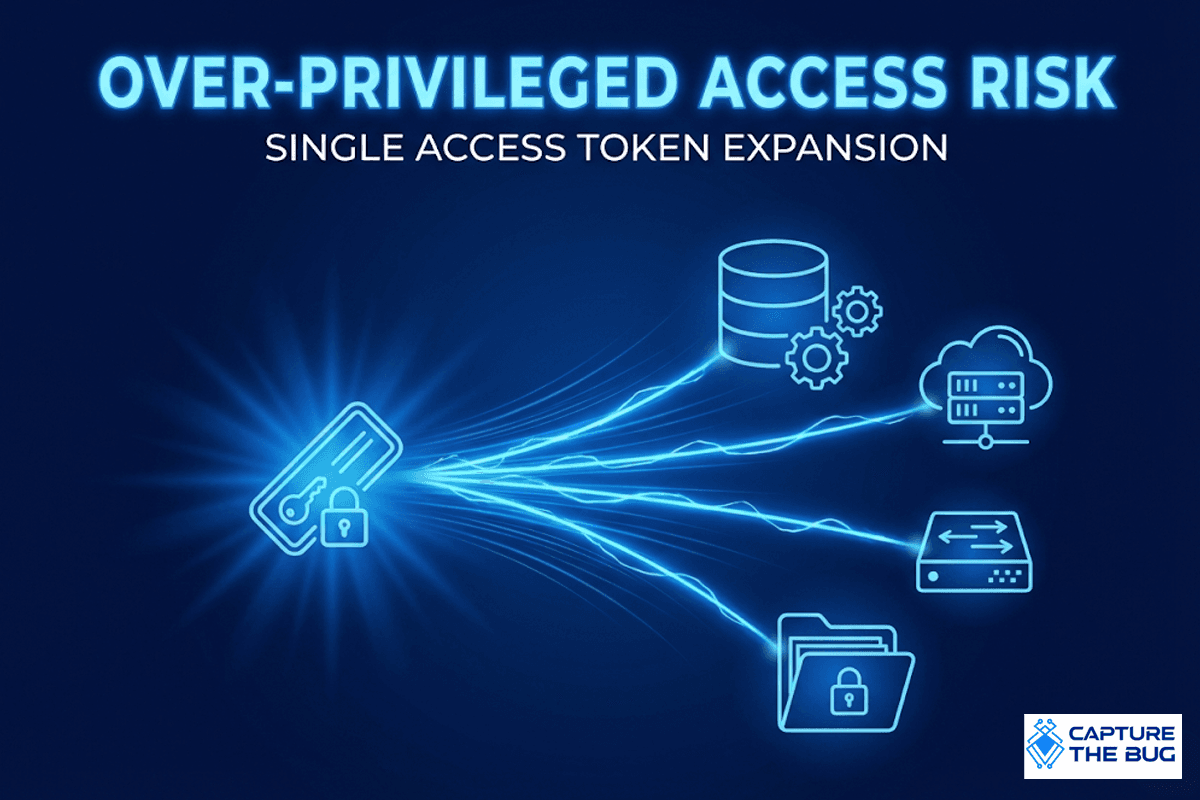
Authentication proves who is calling an API. Authorization decides what they can actually do. Most API failures happen in the second step.
In 2026, authorization is becoming more granular and more context aware. Instead of simple role checks, access decisions consider ownership, request context, data sensitivity, and business rules.
Modern programs also limit token reuse by binding access to specific clients or sessions. This makes stolen credentials far less valuable.
The goal is not complexity for its own sake. The goal is making sure every API action matches a legitimate business intent.
Trend 6: Business logic protection becomes a priority
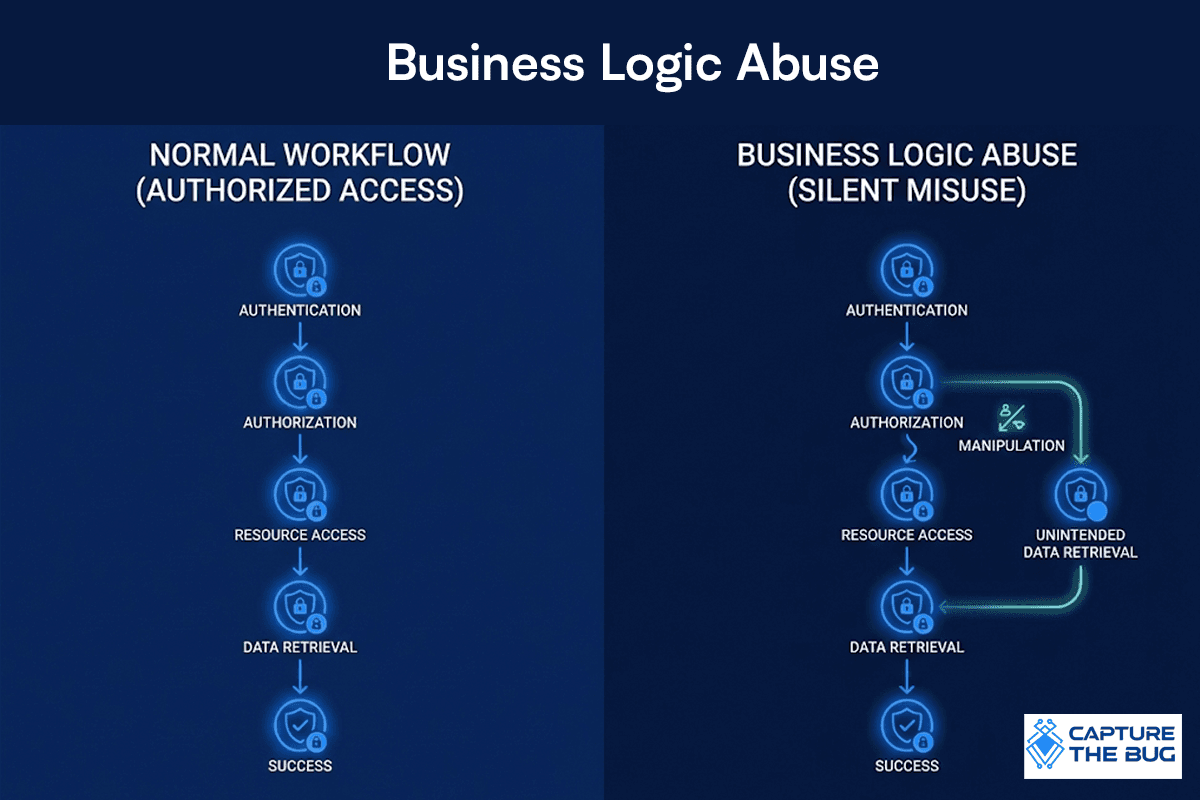
Attackers have learned that breaking code is optional. Manipulating logic is often easier and quieter.
They replay valid requests in unexpected orders. They exploit missing limits. They take advantage of assumptions developers never thought to question.
Because these attacks do not look like traditional exploits, they require a different mindset. Teams must understand how APIs are meant to be used, not just how they are implemented.
In 2026, organizations invest more time in mapping intended workflows and validating them continuously. When behavior deviates, it is investigated quickly.
This shift from code focused thinking to intent focused thinking is one of the most important changes in API security.
Trend 7: Architecture choices influence API risk
Enterprise technology strategies are changing, and API security changes with them.
Many organizations are reassessing where workloads run and how data moves between systems. Cost control, regulatory pressure, and risk management all play a role.
As environments become more distributed, APIs become the connective tissue. This increases their importance and their exposure.
Successful teams design API controls that work consistently across locations, whether systems run in public cloud, private environments, or mixed setups.
Security that only works in one place is no longer sufficient.
Practical strategies that work in 2026
Across industries, effective API security programs share common habits.
They make every API call observable and accountable. Security teams can see who is calling what, how often, and with what outcome.
They focus on behavior, not just signatures. This allows them to catch subtle abuse early.
They limit permissions aggressively. Tokens grant only what is required, for as little time as possible.
They keep an accurate, up to date API inventory. Unknown endpoints are treated as urgent risks.
They test regularly with a focus on real world abuse scenarios, not just theoretical flaws.
Most importantly, they treat API security as an ongoing discipline, not a project with an end date.
How Capture The Bug approaches API security
Capture The Bug works with organizations that rely heavily on APIs and cannot afford blind spots.
As a CREST certified PTaaS provider, Capture The Bug focuses on continuous visibility, clear prioritization, and practical remediation. API testing is designed to reflect how real attackers behave, including abuse of authentication flows, authorization gaps, and business logic.
Instead of delivering static findings, Capture The Bug helps teams understand why an issue matters, how it could be exploited, and how to fix it in a way that holds up over time.
The goal is not just to find issues, but to help organizations build confidence in the APIs that run their business.
Final thoughts
In 2026, API security is no longer a niche concern. It is a core business risk and a competitive differentiator.
Organizations that treat APIs as critical infrastructure invest accordingly. They design with security in mind, monitor continuously, and adapt as threats evolve.
Those that do not often learn the hard way.
APIs will continue to power growth, partnerships, and innovation. Securing them well is not about fear. It is about enabling that growth safely and sustainably.
FAQ
What are the key API security trends in 2026?
The biggest trends include stronger focus on authorization, behavior based detection, zero trust principles, full API visibility, and protection against business logic abuse.
Why are APIs a major security risk now?
APIs expose direct access to data and actions. When they are abused through valid credentials, traditional controls often fail to detect the problem.
How can organizations reduce API attack surface?
By maintaining a complete API inventory, removing unused endpoints, limiting permissions, and monitoring usage continuously.
Is API security only a technical issue?
No. Many API incidents result from business logic gaps and unclear ownership rules, not just technical flaws.
How often should APIs be tested?
APIs should be reviewed and tested regularly, especially when new endpoints, integrations, or workflows are introduced.