What Does a Penetration Test Actually Cost in 2026 and What Are You Really Paying For?
Cybersecurity budgets are under pressure in 2026. Boards want clarity. CFOs want predictability. Security leaders want fewer surprises.
And somewhere in the middle of that conversation sits one common question:
How much should a penetration test actually cost and what are we really paying for?
At Capture The Bug, this is one of the most frequent conversations we have with founders, CTOs, and CISOs across ANZ and the United States. Not because they want the cheapest option. But because they want to understand the trade off between budget and risk.
This article breaks it down clearly. No jargon. No inflated promises. Just what you need to know before signing your next security engagement.
The Short Answer: 2026 Penetration Testing Cost Ranges
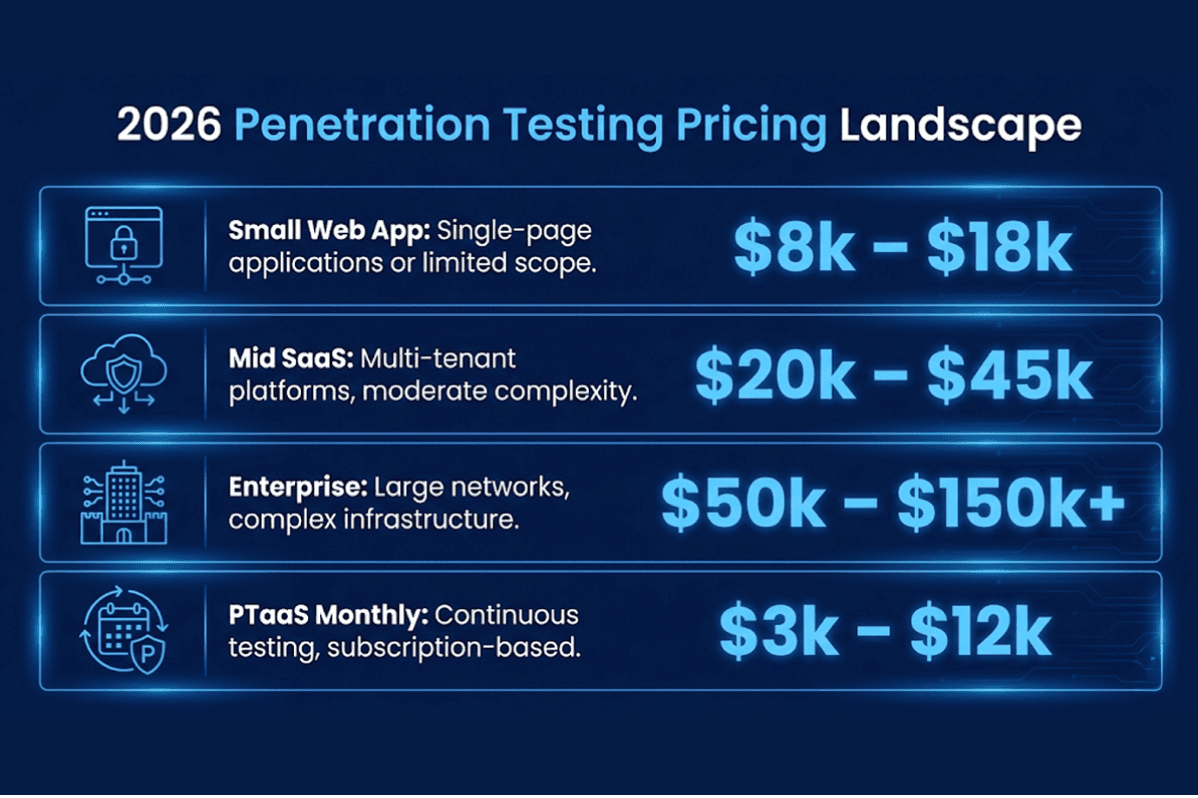
In 2026, here is what companies are typically paying:
- Small web application test: USD 8,000 to 18,000
- Mid size SaaS platform: USD 20,000 to 45,000
- Enterprise multi asset environment: USD 50,000 to 150,000 plus
- Ongoing PTaaS subscription: USD 3,000 to 12,000 per month depending on scope
That is the surface level answer.
The real question is not cost. It is exposure.
Because a penetration test is not a product. It is risk reduction.
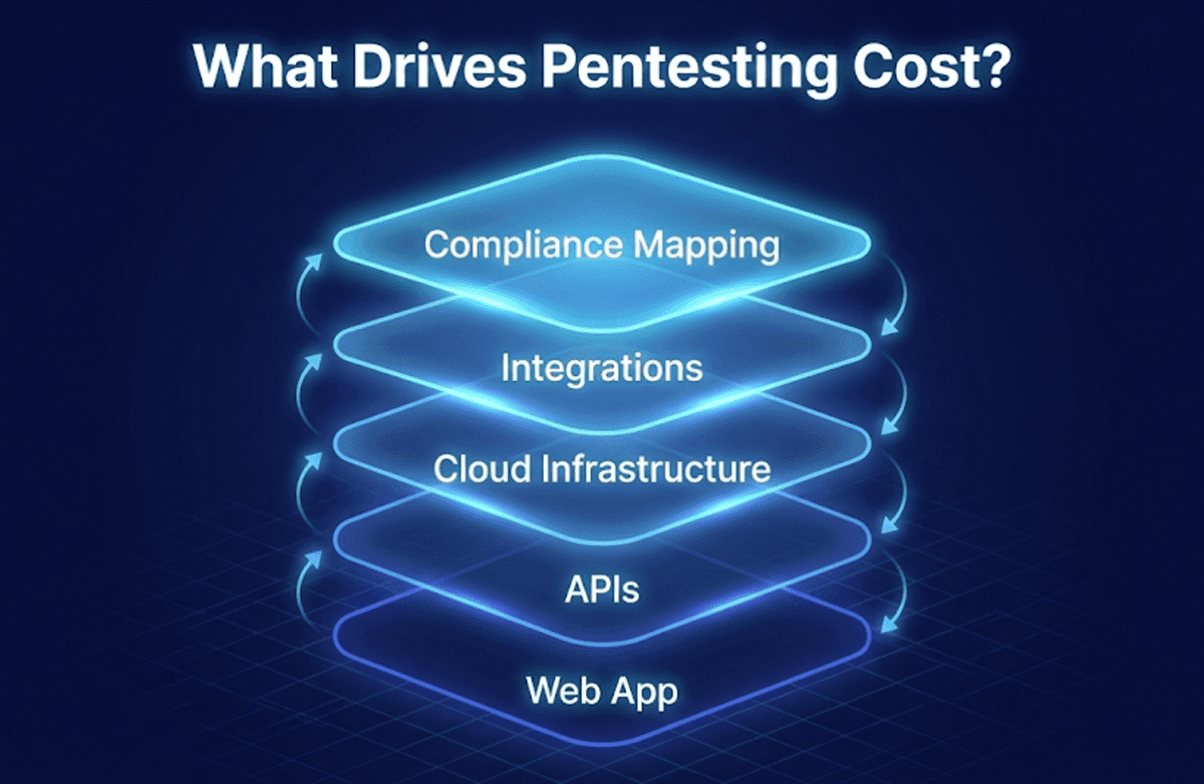
Why Prices Vary So Much
Two companies can both say they want a pentest and receive quotes that differ by 3x.
Here is why.
1. Scope Complexity
Testing a single marketing website is not the same as testing:
- A multi tenant SaaS platform
- Public APIs
- Mobile apps
- Cloud infrastructure
- Third party integrations
In 2026, most breaches originate in APIs and cloud misconfigurations. That adds depth to the test and time to validate findings properly.
More complexity equals more skilled hours. More skilled hours equals higher cost.
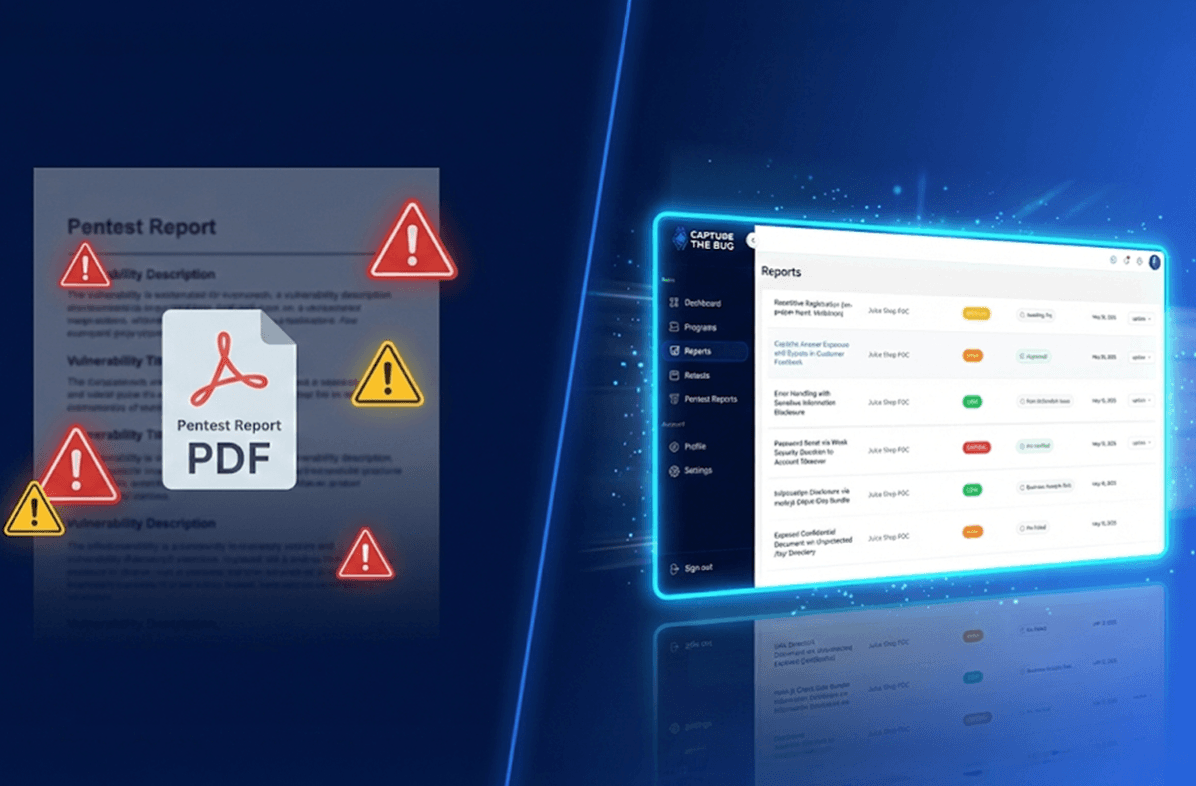
2. Manual Validation vs Tool Only Reports
This is where budget decisions become dangerous.
Lower priced providers often rely heavily on automated tools and send a formatted report with minimal human validation.
It looks impressive. It is cheaper. But it often contains:
- False positives
- Low context findings
- No exploit validation
- No remediation guidance
Higher quality providers use certified testers to validate every critical issue manually.
That takes time. And that is what you are actually paying for.
At Capture The Bug, every high severity finding is verified by CREST certified professionals before it ever appears in a client dashboard.
Because a false positive costs your engineering team real money.
3. One Time Engagement vs Continuous Coverage
Traditional testing is priced per engagement. You pay once. You get a report. Then you wait until next year.
But your application does not wait.
Most SaaS companies deploy weekly. Some deploy daily.
That is why 2026 has seen a clear shift toward Pentesting as a Service. Continuous testing spreads cost across the year while reducing exposure windows between audits.
The decision is no longer an annual test vs no test.
It is static snapshot vs continuous assurance.
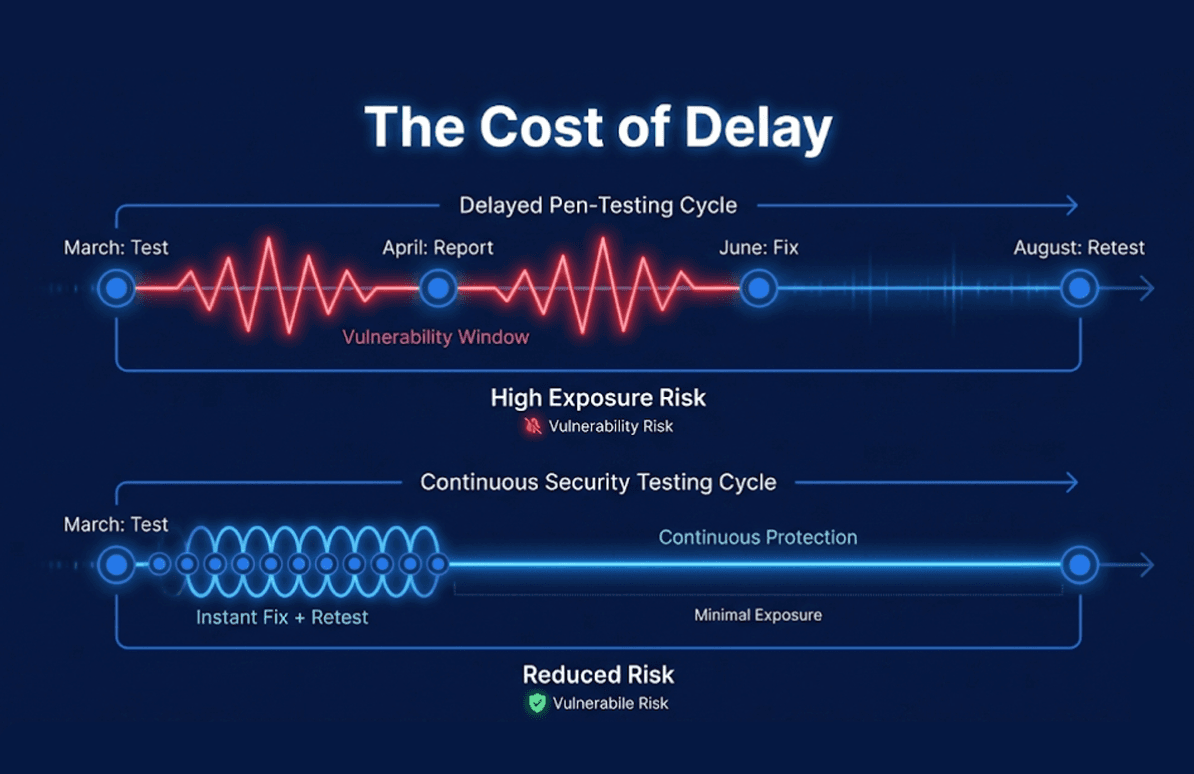
The Hidden Cost No One Talks About
The biggest cost in penetration testing is not the invoice.
It is delayed.
Here is a real example we see often:
A company completes a traditional test in March.
The report arrives in April.
Engineering backlog pushes fixes to June.
No retest until August.
That is five months of exposure to known vulnerabilities.
Now compare that to a continuous model where:
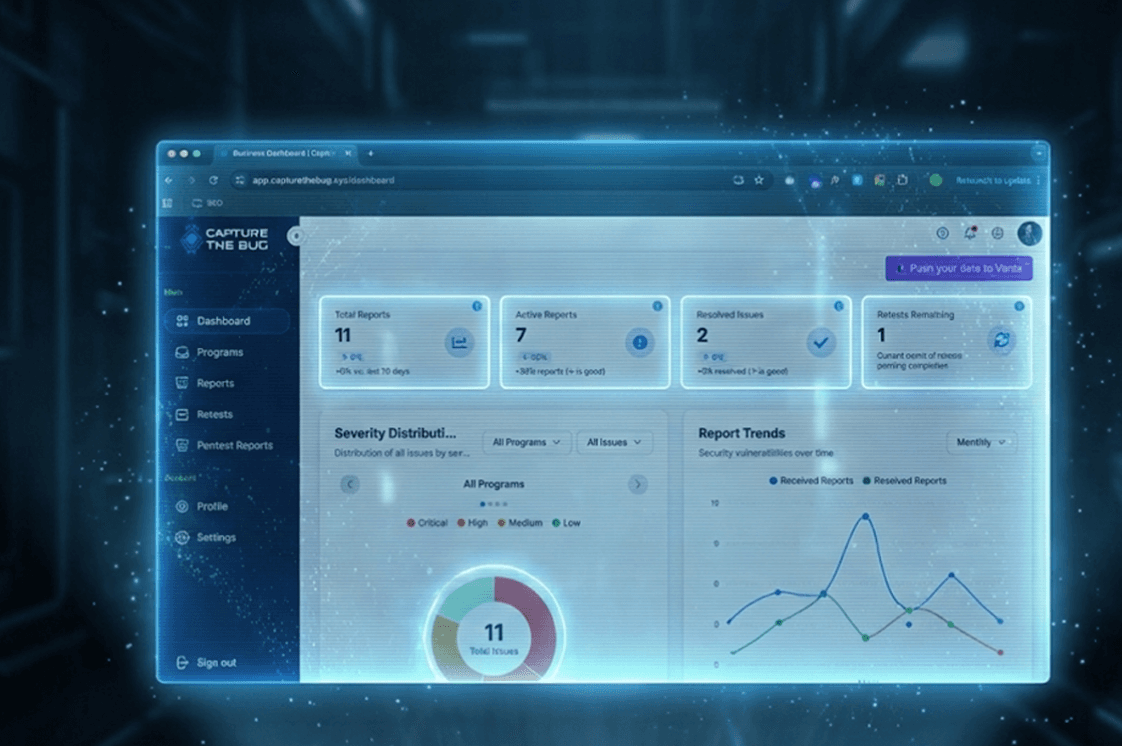
- Vulnerabilities appear in real time
- Developers fix during the same sprint
- Retests happen immediately
- Compliance evidence updates automatically
Speed changes risk.
And risk is what ultimately drives cost.
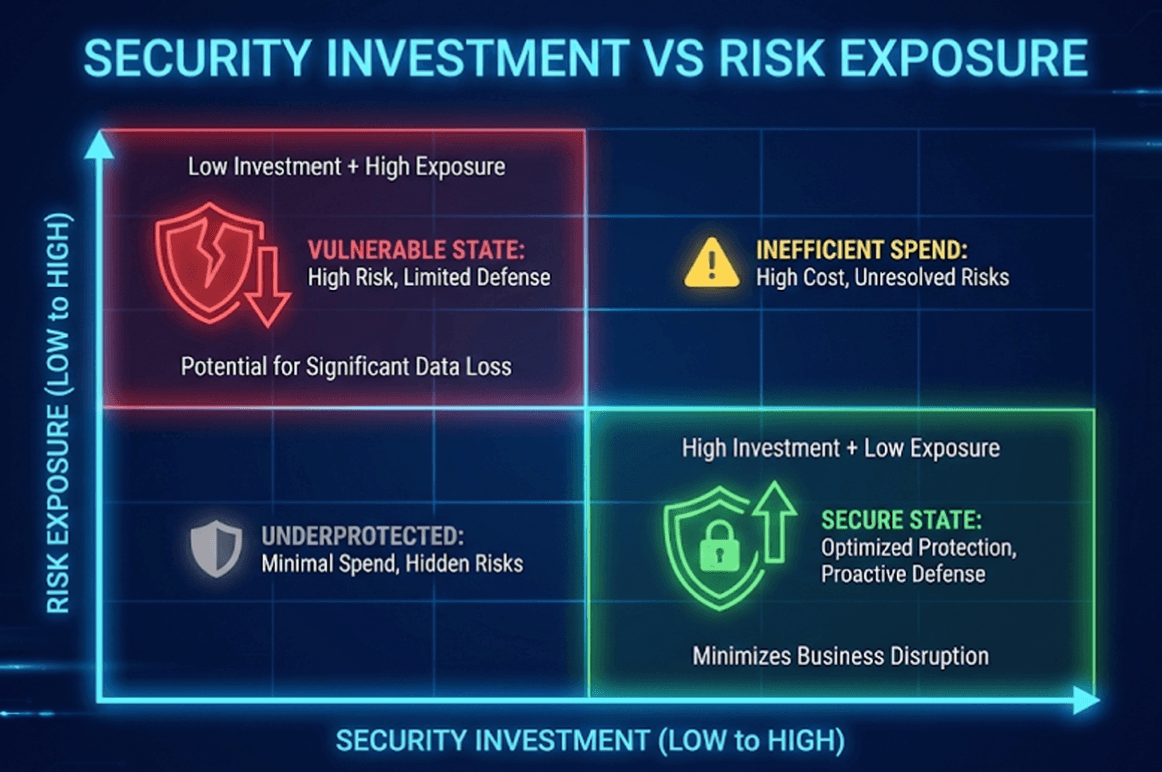
Budget vs Risk: The Leadership Trade Off
Security leaders in 2026 are not asking, “What is the cheapest pentest?”
They are asking, “What level of risk are we comfortable carrying?”
Here is how to think about it.
Low Budget Model
- One test per year
- Static report
- Manual remediation tracking
- Higher exposure window
Suitable for: Small, low traffic websites, Early stage startups pre revenue
Not suitable for: SaaS handling customer data, Fintech, Healthcare, Regulated environments
Moderate Investment Model
- Two structured tests per year
- Targeted API testing
- Retest included
- Basic compliance mapping
Suitable for: Growing SaaS, Series A to C startups, B2B platforms onboarding enterprise clients
Continuous Investment Model
- Always on testing
- Real time vulnerability tracking
- Integrated remediation workflow
- Compliance ready reporting
- Executive level metrics
Suitable for: High growth SaaS, Enterprise tech, Regulated industries, Companies selling into security conscious buyers
The more frequently you release, the more continuous your security needs to be.
What a CISO Should Actually Ask Before Approving Budget
Instead of asking, “How much does it cost?” ask:
- How quickly are high severity vulnerabilities validated?
- How long is between discovery and remediation?
- Is retesting included or charged separately?
- Are findings mapped to ISO 27001 or SOC 2 controls?
- Can I measure remediation trends over time?
In 2026, boards care about measurable security maturity. Not just a PDF report.
A pentest is no longer a checkbox. It is part of your revenue story.
Enterprise buyers increasingly ask for:
- Most recent test date
- Evidence of remediation
- Ongoing security program details
If your answer is a 10 month old static report, that conversation becomes harder.
Why Some “Cheap” Pentests Cost More Later
We have onboarded clients who previously chose the lowest bidder.
Common outcomes:
- Duplicate findings from outdated tools
- Missed business logic vulnerabilities
- No API depth testing
- No cloud misconfiguration coverage
They paid less upfront.
But they paid again to retest properly.
And sometimes they paid in reputational damage.
Security is one of the few areas where the cheapest option can quietly become the most expensive.
The 2026 Reality: Testing Must Match Deployment Speed
According to industry trends reflected in the 2025 shift toward user centric and experience driven metrics , digital systems are evolving faster than static audit cycles can keep up.
Security follows the same pattern.
Modern environments are dynamic, API heavy, cloud native, and continuously deployed.
Testing models must adapt accordingly.
This is why Capture The Bug built its PTaaS model around:
- Continuous validation
- Real time dashboards
- Direct collaboration between testers and developers
- Compliance ready exports on demand
Not because it sounds modern. But because static testing simply cannot keep pace with 2026 software velocity.
So What Should You Budget in 2026?
If you are a SaaS company handling customer data, a realistic annual security testing budget often sits between:
USD 30,000 and 120,000 depending on scale and complexity.
The real decision is how you allocate it:
- One large annual event
- Or distributed continuous assurance
From a pure risk perspective, spreading investment across the year almost always reduces exposure.
From a business perspective, it also creates a stronger narrative for customers, partners, and investors.
Final Perspective: Cost Is a Lagging Indicator. Risk Is Leading.
When founders speak with Capture The Bug, the conversation rarely ends on price.
It ends on this question:
“If something went wrong tomorrow, would we feel confident in our testing model?”
That is the real benchmark.
In 2026, penetration testing is not about buying a report.
It is about buying confidence.
And confidence comes from visibility, speed, and validated expertise.
Budget matters.
But unmanaged risk costs far more.
FAQ
1. How much does a penetration test cost in 2026?
Small web app tests range from USD 8,000 to 18,000. Mid size SaaS platforms typically range from USD 20,000 to 45,000. Enterprise environments can exceed USD 100,000 depending on scope.
2. Why are penetration testing prices so different between providers?
Pricing varies based on scope complexity, manual validation depth, tester certification, retesting inclusion, and whether the model is one time or continuous.
3. Is PTaaS more expensive than traditional pentesting?
On a monthly basis it can appear similar, but over a year it often reduces overall risk exposure and remediation delays, making it more cost efficient long term.
4. Should startups invest in continuous pentesting?
If the startup handles customer data, integrates APIs, or sells to enterprise clients, continuous testing significantly reduces exposure and improves compliance readiness.
5. How do I calculate ROI for penetration testing?
Measure time to fix, number of high severity vulnerabilities closed, reduction in exposure window, audit readiness, and impact on enterprise deal velocity.