Top 7 Hidden SaaS Security Risks Nobody Talks About
The Risks You Don’t See Are the Ones That Hurt
Most SaaS founders believe they understand their security posture. They invest in testing, pass compliance checks, and feel confident heading into growth.
Then a breach happens and it rarely comes from the obvious place.
It comes from something small. Something overlooked. Something no one was actively watching.
At Capture The Bug, working with SaaS teams across ANZ and the USA, a pattern keeps repeating. The biggest incidents are not caused by lack of effort. They are caused by hidden risks that fall between testing cycles, ownership gaps, or fast product changes.
This blog breaks down seven of those risks that rarely get discussed but show up again and again in real environments.
1. “Fixed” Vulnerabilities That Quietly Come Back
One of the most underestimated risks in SaaS is regression.
A vulnerability gets identified, patched, and marked as resolved. Weeks later, a new release reintroduces the same issue in a slightly different form.
No alert. No visibility. No one notices.
Traditional testing does not catch this because it only reflects a moment in time. As explained in modern PTaaS models, systems evolve faster than reports can keep up .
What makes this dangerous is not the vulnerability itself, but the false sense of closure.
Capture The Bug regularly sees teams assume issues are resolved permanently, when in reality they are resurfacing silently with every product update.
2. Shadow APIs That Nobody Tracks
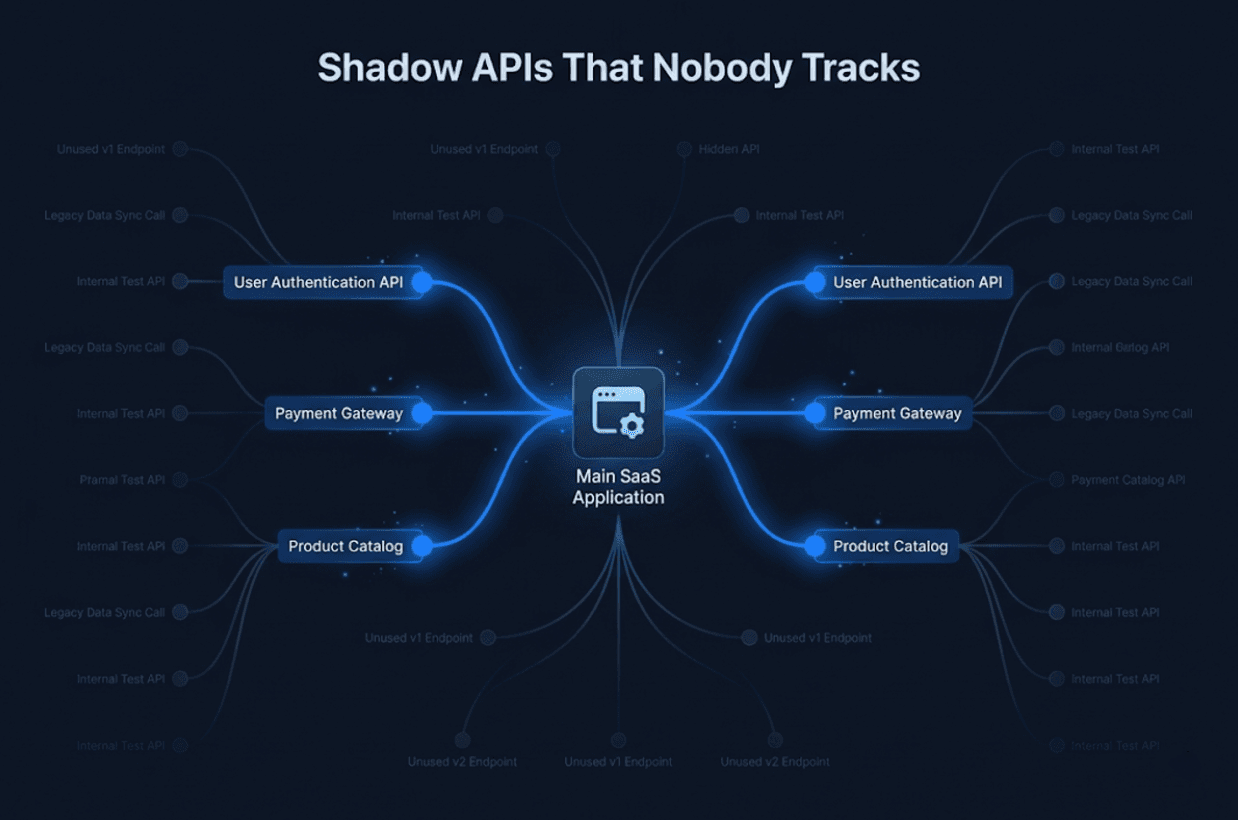
APIs are the backbone of SaaS, but they are also the easiest way to lose control.
Over time, teams create internal endpoints, test integrations, or temporary routes. These often remain active long after their purpose is gone.
They are not documented. They are not monitored. And they are rarely tested again.
Attackers look for exactly this.
A forgotten endpoint with weak access control can expose sensitive data without triggering any alarms.
This is not a rare edge case. It is a common pattern in fast-growing SaaS environments.
3. Misconfigurations That Look Harmless
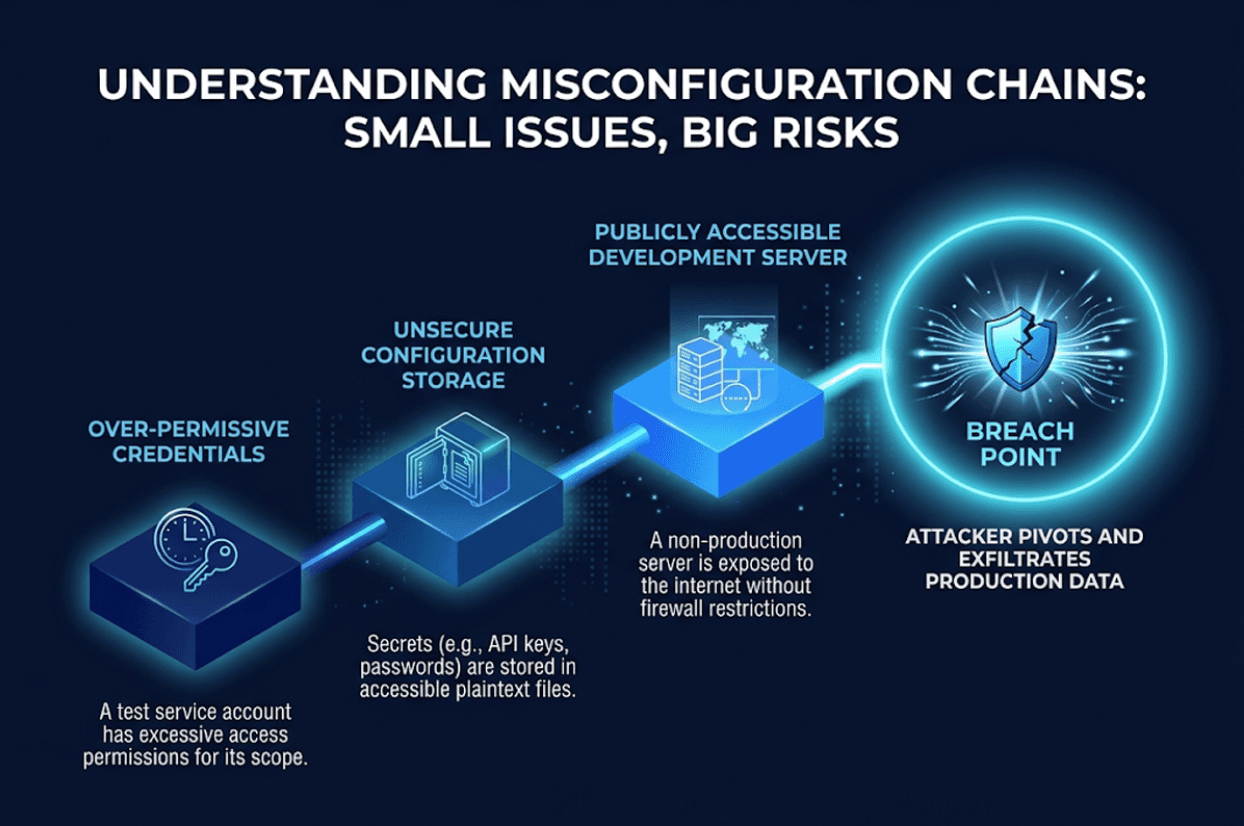
Not every risk looks like a vulnerability.
Some look like simple configuration decisions. A slightly open permission. A relaxed validation rule. A convenience setting for faster deployment.
Individually, these seem low impact. Together, they can create a complete attack path.
Many of the most serious breaches are not caused by complex exploits. They are caused by small misconfigurations stacking over time.
Without continuous visibility, these combinations remain invisible until they are exploited.
4. Third-Party Integrations You Fully Trust
SaaS products rarely operate in isolation.
Payment gateways, analytics tools, CRM systems, and dozens of integrations become part of your application’s logic.
The risk is not just in your code. It is in how these integrations behave over time.
An update from a third-party service can introduce unexpected exposure. A permission change can expand access silently.
Most teams test integrations once and move on. Very few revalidate them continuously.
That gap is where attackers often enter.
5. Internal Logic Flaws That No Tool Flags
Some of the most critical risks are not technical at all. They are logical.
For example:
- A user accessing data they should not see due to role confusion
- A workflow that allows skipping verification steps
- A payment flow that can be manipulated through sequence changes
These are not obvious issues. They do not trigger alerts.
They require human thinking to uncover.
This is why relying only on surface-level checks creates blind spots. Real-world attackers think in workflows, not just endpoints.
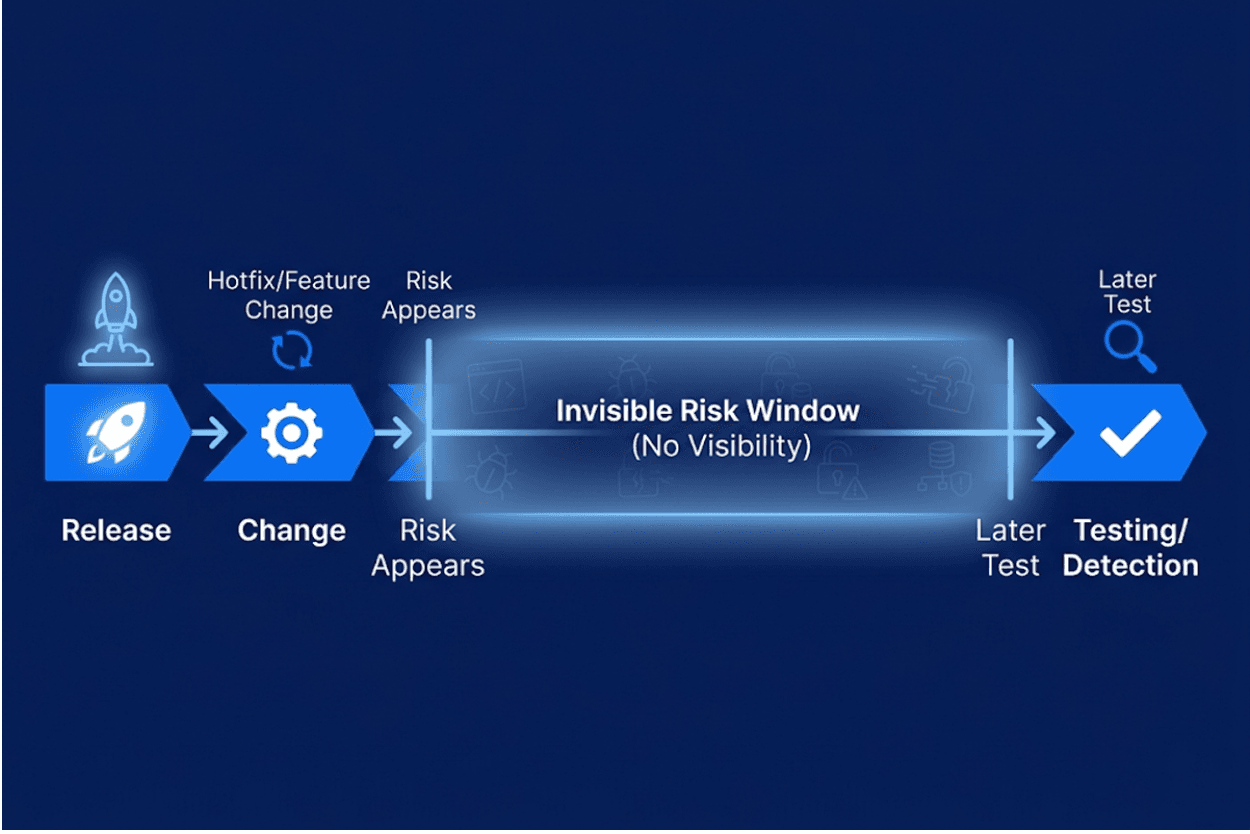
6. Delayed Visibility Between Testing Cycles
This is the biggest hidden risk of all.
The time between when something changes and when it gets tested.
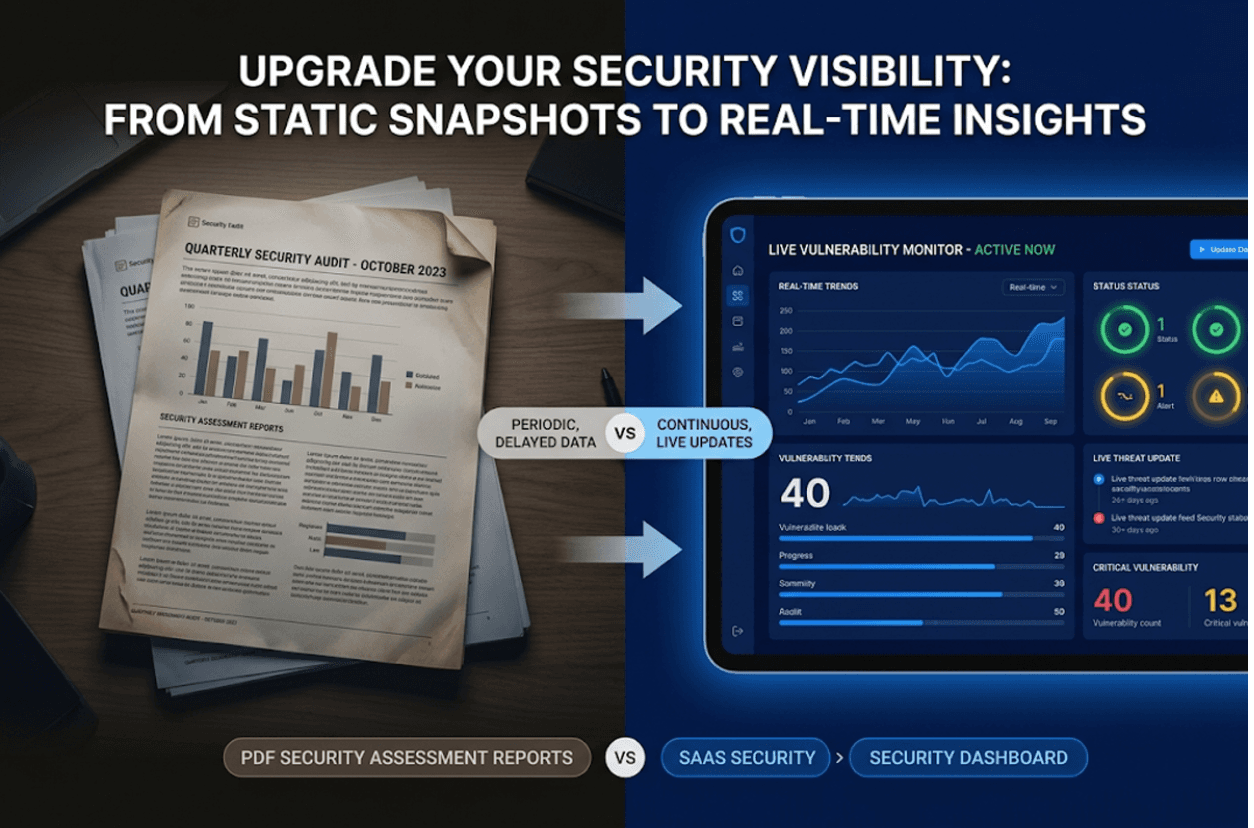
Traditional testing creates long visibility gaps. During that time, new vulnerabilities can exist unnoticed for weeks or months.
The problem is not that testing is ineffective. It is that it is not continuous.
As highlighted in modern pentesting models, waiting for scheduled assessments leaves critical exposure windows open.
Capture The Bug often sees vulnerabilities discovered during a test that have existed in production for months without detection.
7. Ownership Gaps Inside Teams
Security is often assumed to be “someone else’s responsibility.”
- Developers assume security teams will catch issues
- Security teams assume developers will fix them
- Leadership assumes compliance means safety
This creates gaps where vulnerabilities live without clear ownership.
When no one is directly responsible for tracking and closing issues in real time, risks remain unresolved longer than they should.
The problem is not skill. It is alignment.
The Midpoint Reality: Why These Risks Stay Hidden
None of these risks are new. What makes them dangerous is how quietly they operate.
- They do not break systems immediately.
- They do not trigger obvious alerts.
- They do not appear in static reports.
They build over time.
This is exactly why modern SaaS companies are moving toward continuous testing models.
Capture The Bug helps teams uncover these hidden risks early by providing ongoing visibility, real-time validation, and direct collaboration between testers and developers.
Explore how this works in practice: capturethebug.xyz/services/penetration-testing
Why These Risks Matter More in 2026
SaaS environments are becoming more dynamic.
- More integrations
- More frequent releases
- More distributed systems
Every change introduces new risk. The companies that struggle are not the ones that ignore security. They are the ones relying on outdated visibility models.
Security today is not about testing once and moving on. It is about maintaining awareness as your system evolves.
How Capture The Bug Approaches Hidden Risks
Capture The Bug was built around a simple idea: Security should move at the same speed as your product.
Instead of waiting for reports, teams see vulnerabilities as they appear, fix them quickly, and verify them instantly.
This approach directly addresses the hidden risks discussed above:
- Regression issues are caught as they reappear
- APIs are continuously monitored and tested
- Integrations are revalidated regularly
- Logic flaws are explored through real-world scenarios
- Visibility gaps are reduced to hours, not months
For SaaS teams scaling globally, this is not just a technical improvement. It is a business advantage.
Learn more about how continuous pentesting works: capturethebug.xyz/services/penetration-testing
Understand the Difference That Impacts Your Risk
Compare traditional penetration testing vs continuous testing and see which model actually protects your business in real time.
Final Thoughts
The biggest SaaS security risks are not always the ones you can see. They are the ones that sit quietly between releases, between teams, and between testing cycles.
Ignoring them does not create immediate problems. It creates delayed ones.
The shift happening across modern SaaS companies is simple:
- From periodic testing to continuous visibility
- From static reports to real-time insight
- From assumed security to proven security
Capture The Bug helps companies make that shift with clarity, speed, and measurable results. Because in today’s environment, what you do not see is exactly what attackers are looking for.
FAQ
1. What are hidden SaaS security risks?
Hidden risks are vulnerabilities that are not easily visible in standard testing cycles, such as shadow APIs, misconfigurations, and logic flaws.
2. Why do SaaS companies miss these risks?
Because traditional testing provides only a snapshot, leaving gaps between assessments where new vulnerabilities appear.
3. How can SaaS teams reduce hidden risks?
By adopting continuous pentesting, maintaining real-time visibility, and ensuring clear ownership of vulnerabilities.
4. Are third-party integrations a major risk?
Yes. Many breaches originate from trusted integrations that are not regularly revalidated.
5. How does Capture The Bug help identify hidden risks?
Through continuous pentesting, real-time reporting, and direct collaboration between testers and development teams.