The Top 26 Security Predictions for 2026 (Part 2)
This is the second part of Capture The Bug's annual security outlook for the year ahead. Part one focused on the most widely discussed themes shaping global security decisions. Part two goes deeper into what vendors, analysts, and operators are quietly aligning on, even if they are saying it in different ways.
This article is written as a company perspective, not a personal column. The intent is simple: help founders, CISOs, and engineering leaders make better decisions before 2026 arrives, not after something breaks.
These are not guesses. They are patterns already forming.
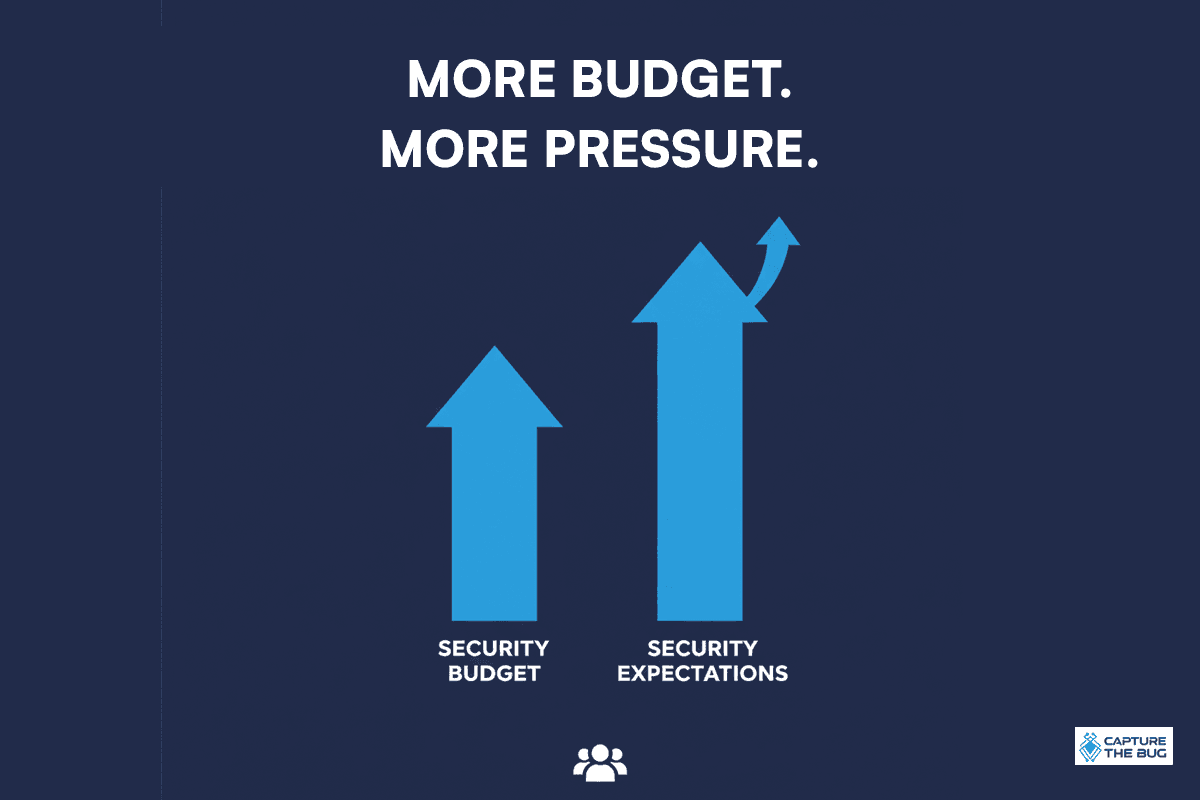
Security spend will rise, but teams will still feel stretched
Across multiple industry surveys, one message is consistent. Security budgets are increasing, yet teams feel more pressure than ever. The gap is not money. The gap is expectations.
Boards now expect faster testing cycles, clearer reporting, and proof of progress at any time. Small teams are being asked to protect growing systems, multiple regions, and stricter regulations without adding headcount.
In 2026, the winning teams will not be the largest. They will be the clearest. Visibility and prioritisation will matter more than raw tooling.
Compliance will move from paperwork to business leverage
Compliance used to be something companies did to pass audits. That mindset is fading. Security leaders are now using compliance posture to win deals, speed up procurement, and reduce friction with partners.
Buyers increasingly ask for evidence, not promises. They want to see how issues are tracked, fixed, and verified over time. In 2026, compliance will stop being a box to tick and become a commercial signal of maturity.
Human trust will remain the most targeted weakness
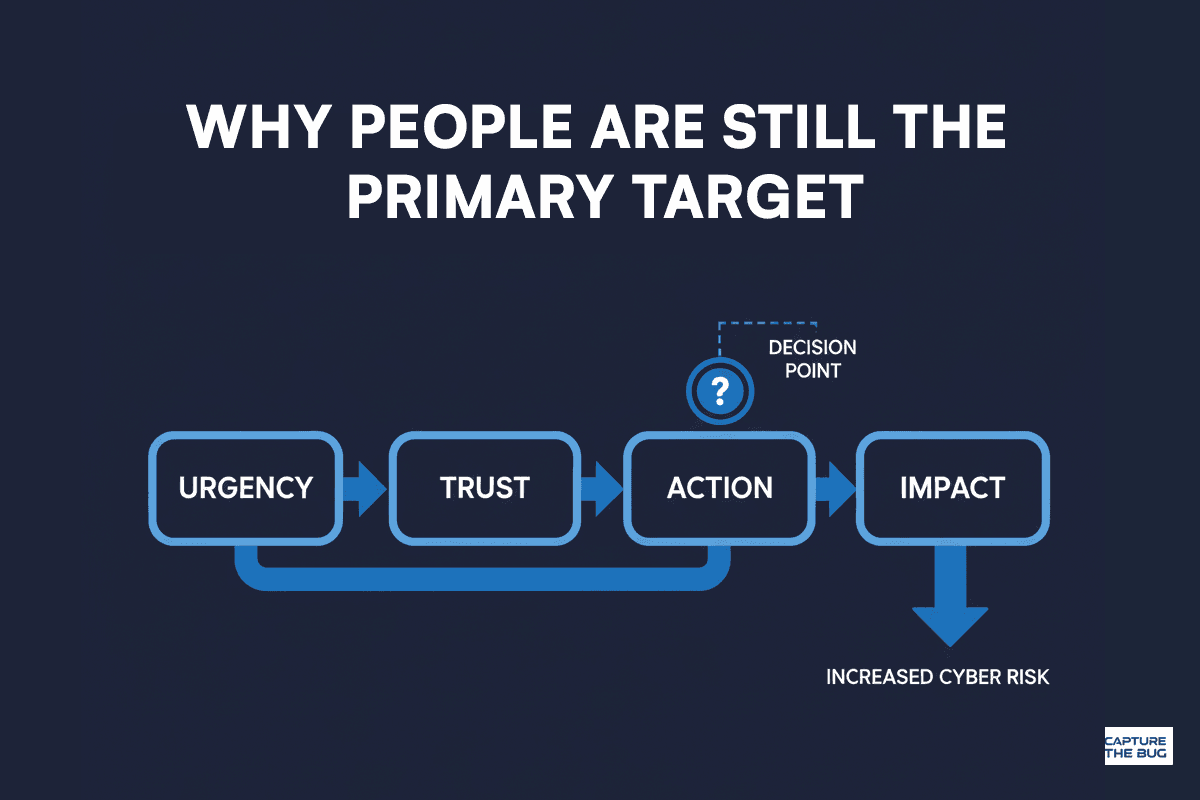
Despite advances in technology, attackers continue to focus on people. Not because systems are weak, but because humans are predictable under pressure.
Expect more attacks that rely on urgency, authority, and familiarity rather than technical exploits. These incidents rarely look like breaches at first. They look like normal business decisions made too quickly.
Security programs that ignore human risk will keep getting surprised.
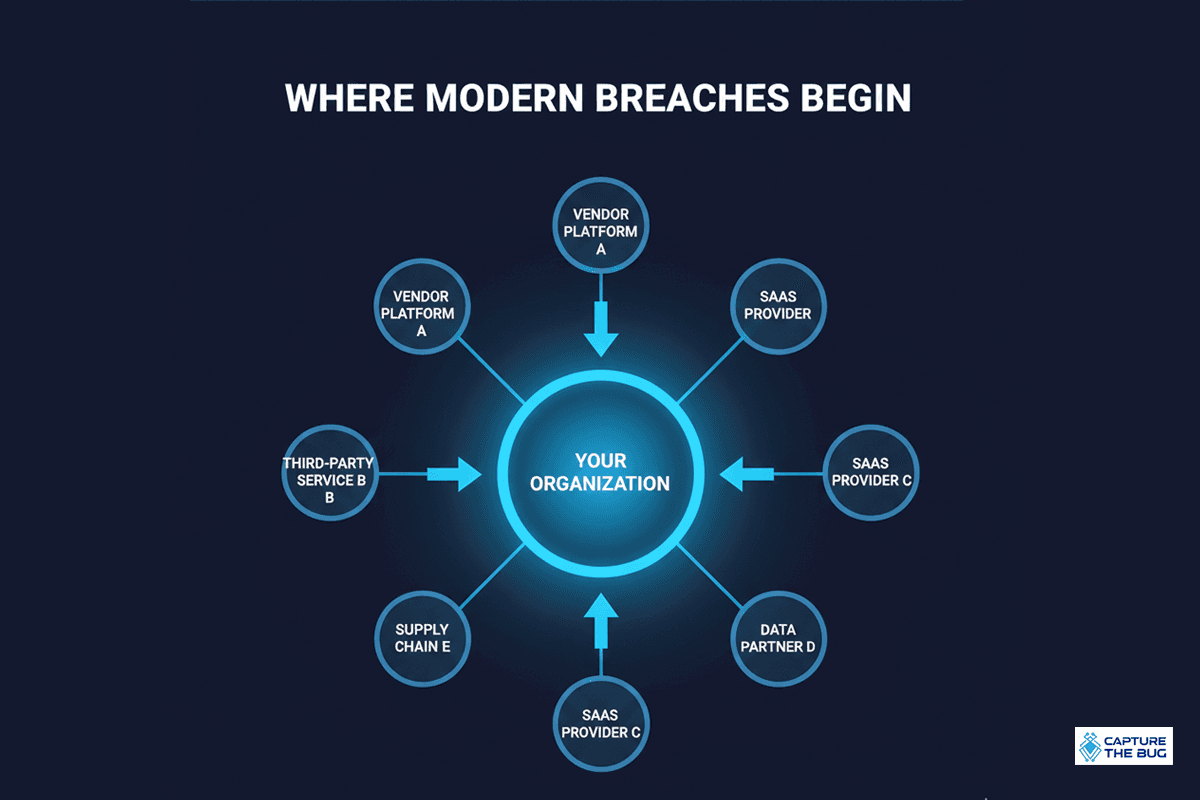
Third-party exposure will outweigh direct system flaws
Many of the most damaging incidents now start outside the organisation. Vendors, platforms, and shared services are becoming the real entry points.
In 2026, leaders will stop asking 22Is our system secure?22 and start asking 22Who else can reach it, and how often is that tested?22 Security ownership will expand beyond internal teams to include supplier visibility and shared responsibility models.
Ransom and extortion will stay consistent, not dramatic
There is no sudden drop coming. There is also no single catastrophic shift. What is more likely is steady pressure. More targeted attacks. More selective victims. More emphasis on disruption and leverage rather than mass encryption events.
The lesson for 2026 is not panic. It is preparation and recovery speed.
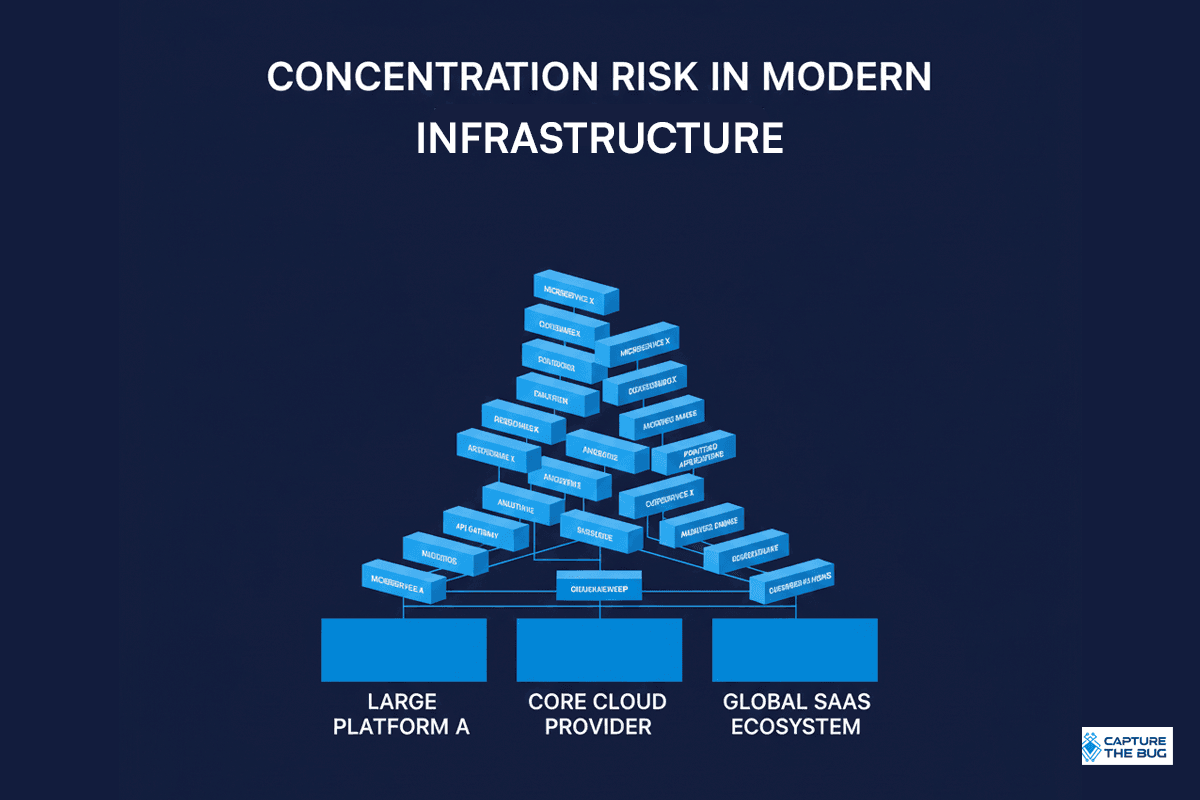
Large platforms will become single points of failure
Consolidation has benefits, but it also concentrates risk. When a small number of platforms support a large percentage of global workloads, even minor issues can cascade.
Security leaders will increasingly factor platform dependency into risk planning. Redundancy and isolation will matter again. This is not about distrust. It is about realism.
Identity will replace perimeter thinking
The idea of a clear network boundary continues to fade. Access decisions are now based on identity, context, and behaviour.
In 2026, organisations that still rely on location-based trust models will struggle. Identity hygiene, access review discipline, and validation of privilege use will be core security work, not side projects.
Boards will demand clearer security narratives
Boards are no longer satisfied with technical reports. They want answers to simple questions: What is our current risk? What changed since last month? What is being fixed right now?
Security teams that cannot explain their posture in plain language will lose influence. Those that can will gain it. This is not about dumbing things down. It is about translating effort into impact.
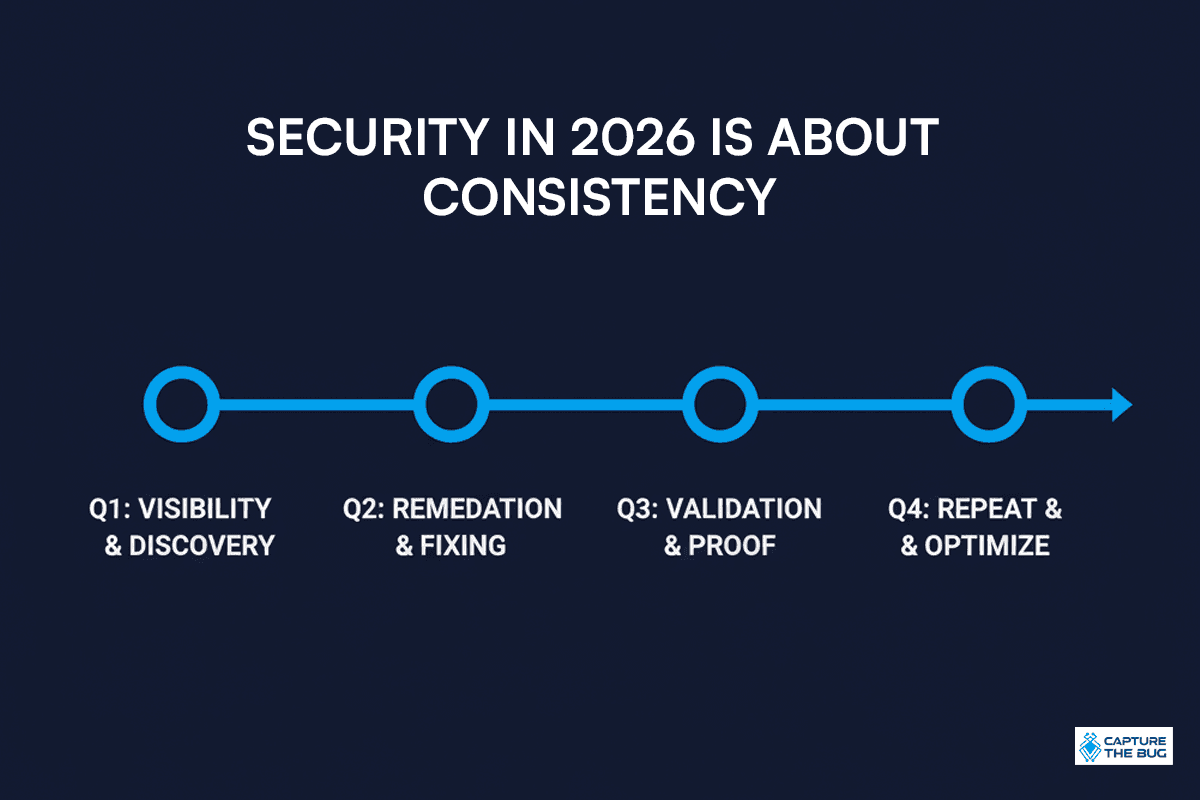
Testing will shift closer to release cycles
Security testing that happens long after changes are made will continue to lose value. In 2026, more organisations will expect testing to align closely with how software is released. The goal is not speed alone. It is relevance.
Findings that arrive too late cost more to fix and are easier to ignore.
Data integrity will matter as much as data access
Stealing data is no longer the only concern. Altering it quietly can be just as damaging. Expect more focus on tracking where data comes from, how it changes, and who touched it.
Trust will increasingly depend on traceability. This shift will affect finance, healthcare, logistics, and any sector where decisions rely on data accuracy.
Accountability will move upward
For years, security leaders absorbed responsibility without authority. That imbalance is changing. In 2026, accountability will continue moving closer to executive leadership.
This does not remove the role of security teams. It strengthens it. When security is treated as a leadership responsibility, investment and decision-making improve.
Bonus observations worth attention
Several themes appeared repeatedly but did not fit neatly into a single prediction:
- Talent pipelines are thinning, especially at entry level
- Attackers are specialising instead of generalising
- Reputation damage is lasting longer than system outages
- Recovery planning is gaining more respect than prevention alone
Each of these signals a maturing industry that is becoming more honest about trade-offs.
What most predictions still miss
Despite hundreds of reports, some areas remain under-discussed: large public events and global broadcasts as targets, space-based infrastructure risks, regional instability outside the usual hotspots, and legal consequences following misuse of emerging tools.
These gaps are not warnings of disaster. They are reminders that prediction lists often follow attention, not reality.
Capture The Bug's perspective going into 2026
From working with organisations across ANZ, the USA, and global markets, one pattern stands out. Security teams do not fail because they lack tools. They fail because they lack clarity.
In 2026, the most resilient organisations will be those that see issues early, fix them quickly, and can prove what they did and when. Security is becoming less about heroics and more about discipline.
Final thoughts
Predictions are only useful if they change behaviour. The purpose of this series is not to impress. It is to prepare. 2026 will reward teams that focus on visibility, accountability, and steady improvement rather than chasing trends.
Capture The Bug will continue to share grounded insights based on real-world testing and operational experience, not marketing narratives. Security does not need to be dramatic to be effective. It needs to be consistent.
Security Predictions 2026: FAQ
1. What are the biggest security trends for 2026?
The most consistent trends include identity-focused protection, increased board involvement, supplier risk exposure, and faster feedback between system changes and testing.
2. Will security budgets increase in 2026?
Yes, but pressure will increase alongside budgets. Teams will be expected to show clearer outcomes and faster progress.
3. Why is compliance becoming a competitive advantage?
Buyers and partners now treat strong compliance evidence as a signal of operational maturity and trustworthiness.
4. Are technical attacks still the main concern?
Technical flaws matter, but human decision-making and third-party exposure continue to drive many major incidents.
5. How should companies prepare now for 2026?
By improving visibility, shortening feedback loops, and aligning security reporting with business language.