The Practical IT Compliance Readiness Framework: 7 Steps That Actually Work
Compliance should never feel like a fire drill. Yet for most companies, IT compliance audits create stress, internal friction, and a flood of documentation requests that seem disconnected from real security.
At Capture The Bug, we work with SaaS founders, CISOs, and security leaders across ANZ and the USA. We see the same pattern again and again. Teams treat compliance as a yearly checkbox. The result is reactive security, rushed evidence collection, and unnecessary risk.
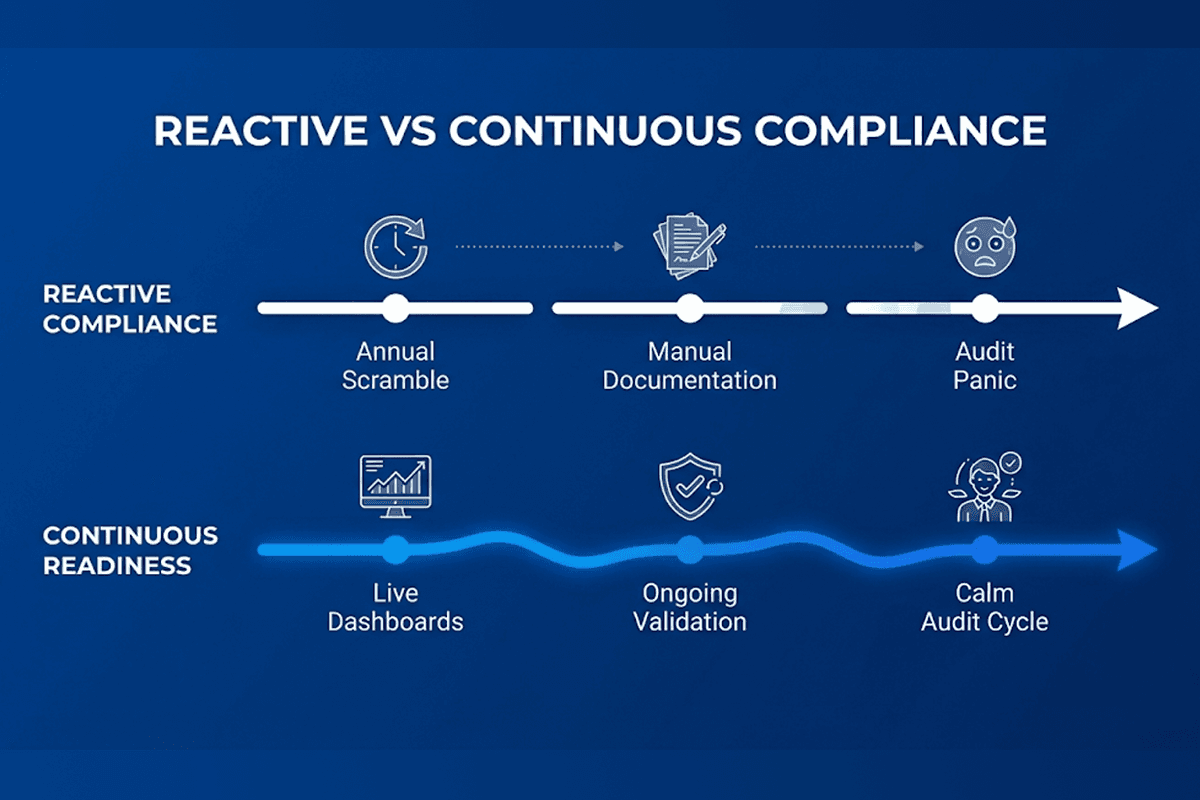
Instead of a checklist you scramble through before an audit, think of compliance as a living system. Below is a seven-step IT compliance readiness framework designed to help you stay prepared, credible, and confident year-round.
What Is an IT Compliance Audit, Really?
An IT compliance audit is a structured review of your organization's security controls, processes, and governance against a defined framework. It can be internal, led by your own security team, or external, conducted by an accredited third party.
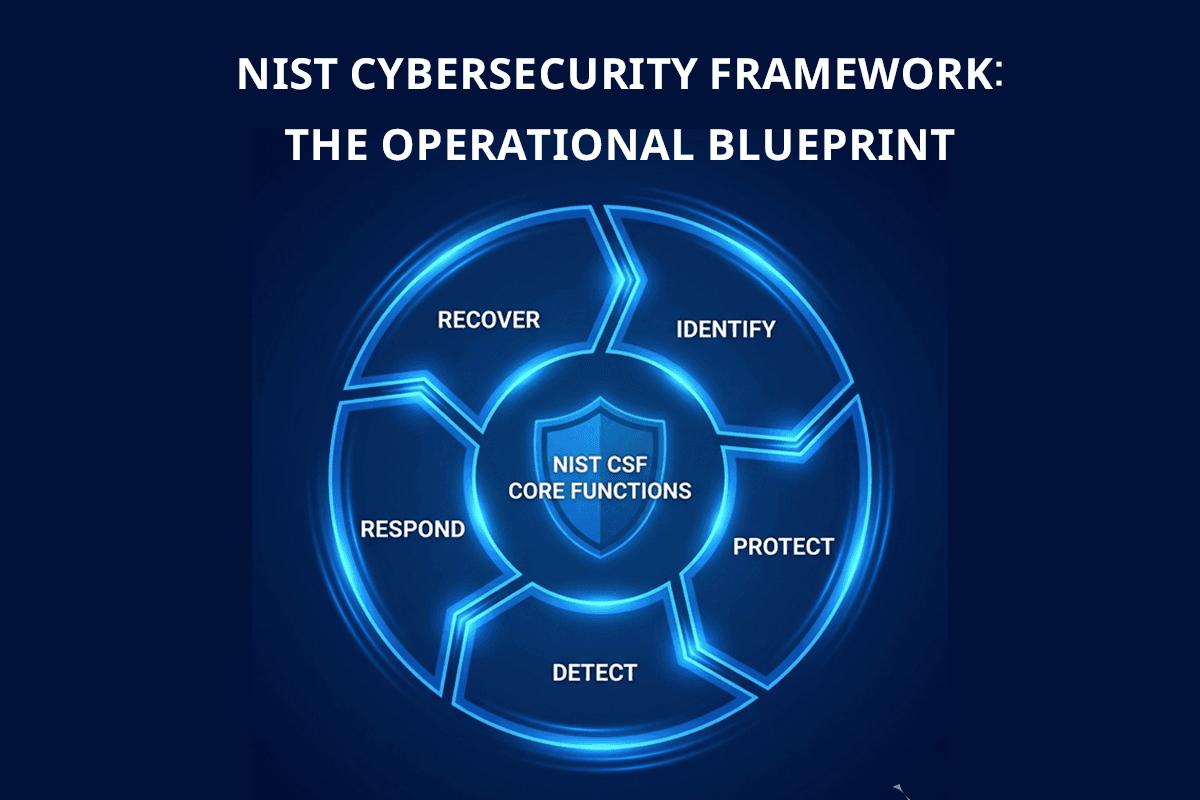
Common frameworks include ISO 27001, SOC 2, and PCI DSS. Whether you are preparing for ISO certification or customer-driven reviews, the goal is simple: prove that your controls are not just documented, but operational and effective.

Step 1: Clarify the Frameworks That Apply to You
Before doing anything else, determine which standards matter to your business. Do your customers require SOC 2? Are you processing cardholder data under PCI DSS? Are you pursuing ISO 27001 for global credibility?
Avoid chasing certifications just because competitors have them. Focus on what aligns with your customer base, geography, and growth plans. Smart compliance is strategic, not reactive.
Step 2: Define Scope With Precision
Your audit scope defines which systems, applications, teams, and vendors are included. Over-scoping creates unnecessary work. Under-scoping creates audit risk. Document your scope clearly and align leadership on it. Surprises during an audit are rarely good ones.
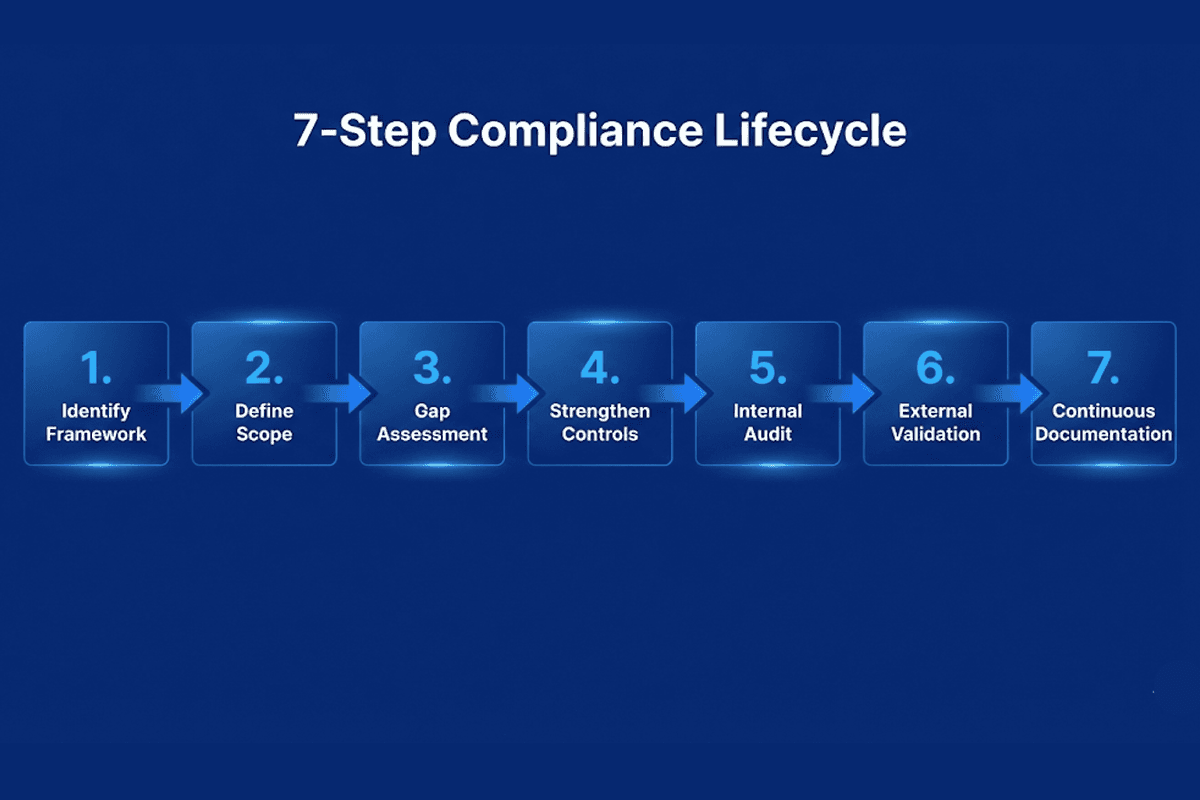
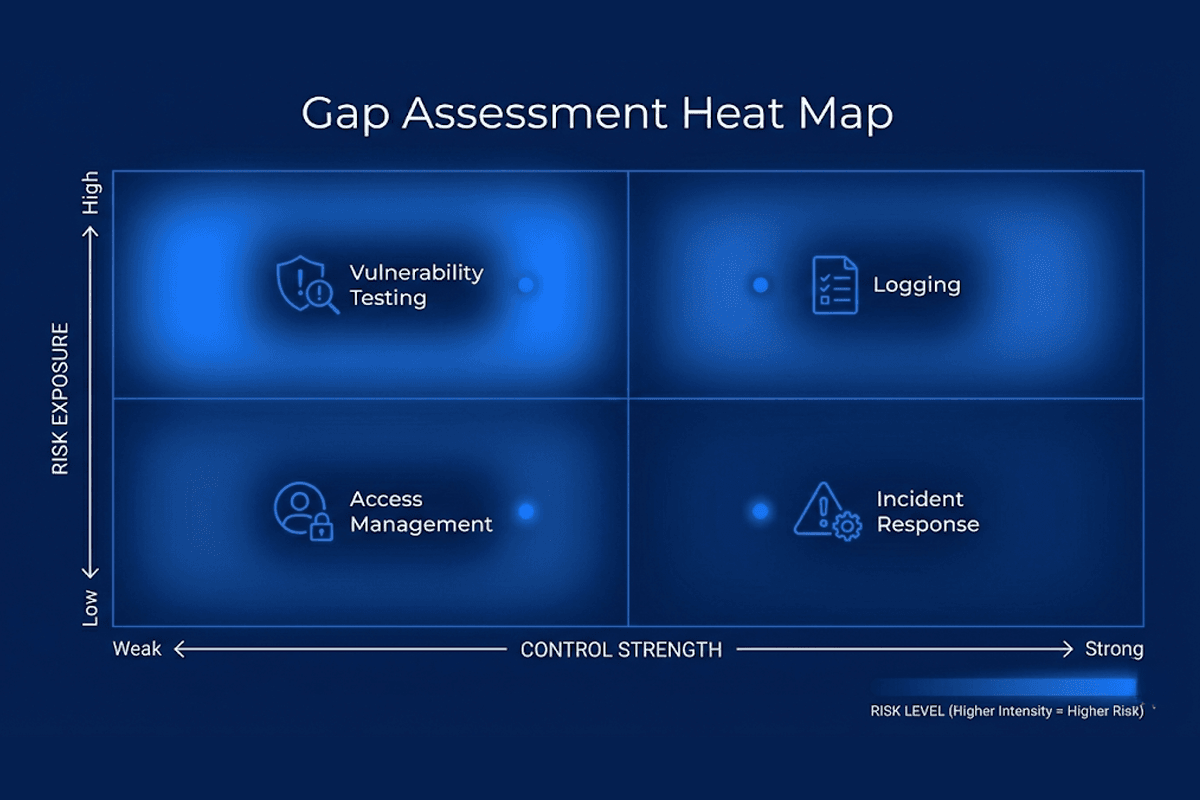
Step 3: Conduct a Real Gap Assessment
Compare your existing policies and controls against the framework requirements. Look for missing policies, outdated procedures, or weak access management. This is not about perfection; it is about honesty. A strong gap assessment highlights where your operational security differs from what is documented.
Step 4: Strengthen Controls, Not Just Documentation
Compliance should improve your security posture, not just your paperwork. Common remediation includes tightening least-privilege access, formalizing incident response, and enhanced logging.
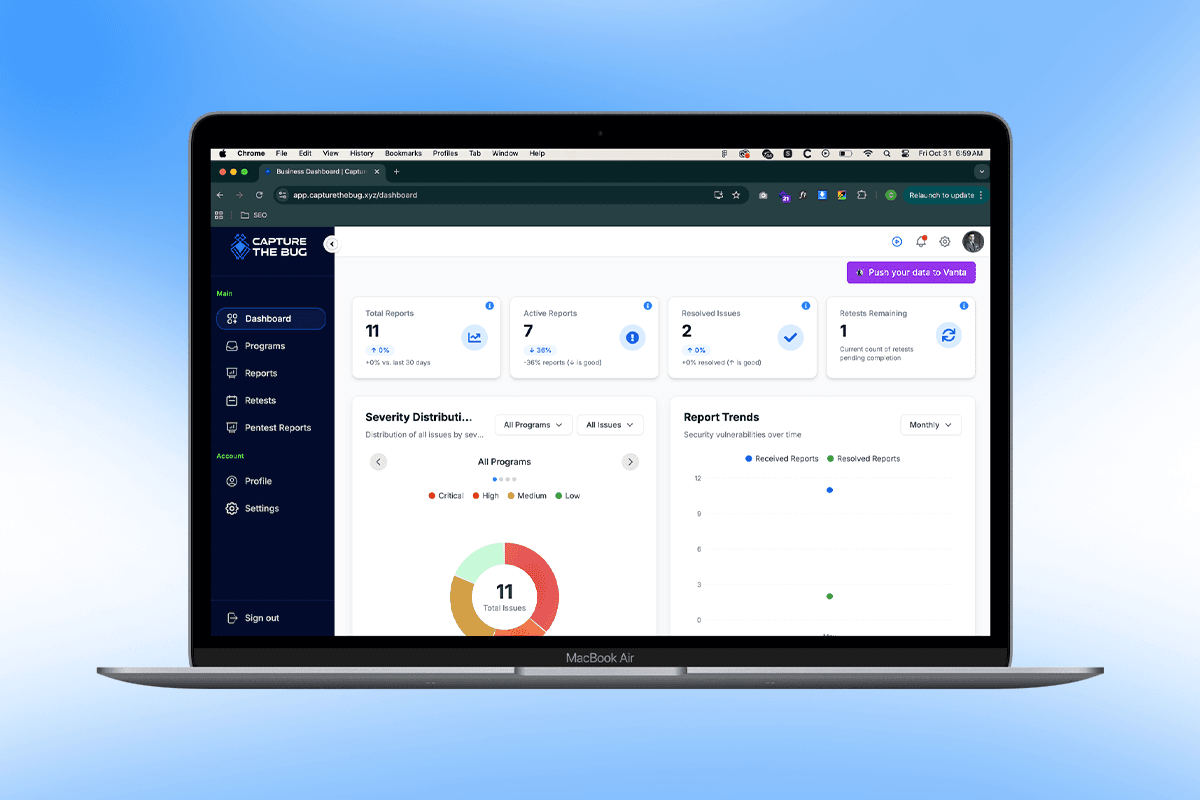
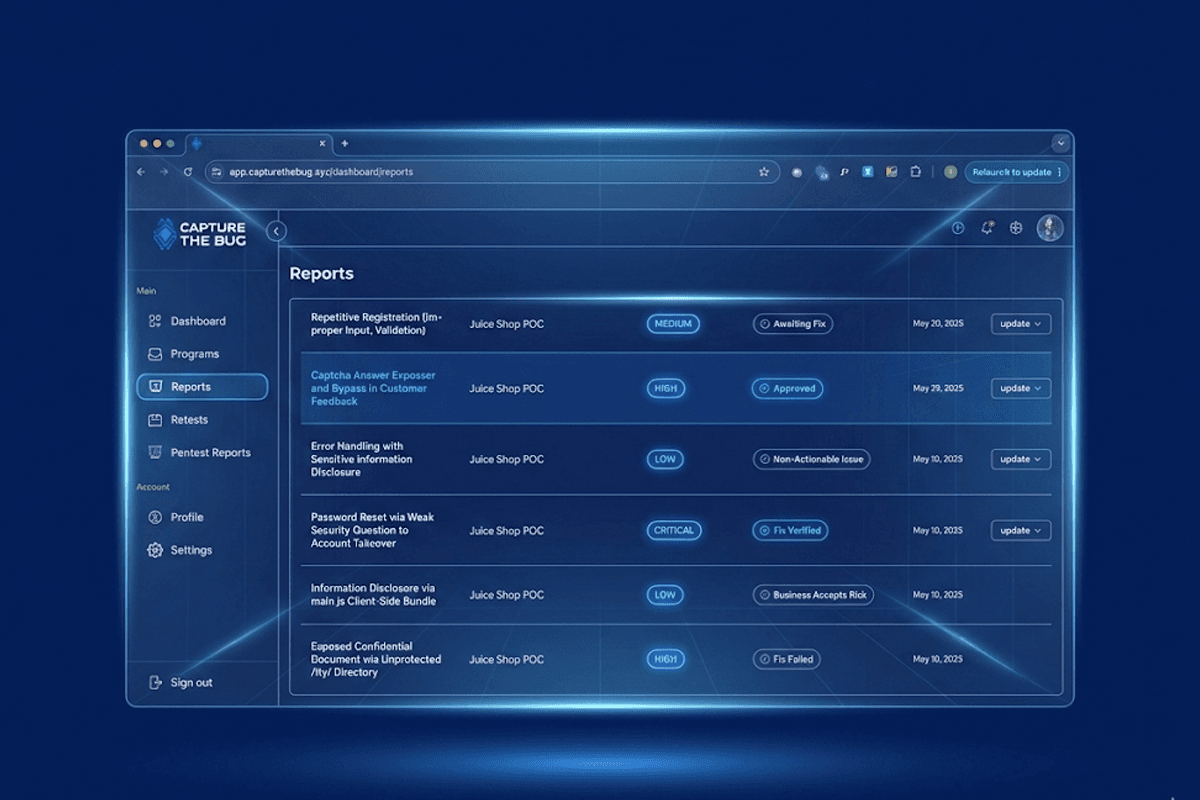
At Capture The Bug, we often see organizations use continuous pentesting to validate that controls described in their compliance documentation actually work in practice. Real compliance strengthens resilience.
Step 5: Run a Structured Internal Audit
Before inviting an external assessor, run your own internal audit. Request evidence, interview control owners, and validate logs. An internal audit exposes weak spots in your evidence trail and helps teams practice responding to auditor questions.
Step 6: Engage the Right External Assessor
Choose your auditor carefully based on industry experience, practical guidance, and clear communication. An experienced assessor does more than evaluate; they provide insight into how mature organizations interpret controls.
Step 7: Build Continuous Evidence and Documentation
Don't treat documentation as a last-minute exercise. Centralize access logs, incident reports, and vulnerability records. Use dashboards and automation. When documentation becomes part of daily operations, audits stop feeling disruptive.
The Areas Auditors Always Scrutinize
1. Access and Identity Management: Are users granted access based on role? Are permissions reviewed regularly?
2. Data Protection: Is sensitive data encrypted at rest and in transit? Is classification defined?
3. Monitoring and Logging: Do you have visibility into security events? Are alerts acted upon?
4. Incident Response: Do you have a documented plan? Has it been tested?
5. Physical and Environmental Controls: Are facilities and hardware protected appropriately?
Conclusion
An IT compliance audit should never feel like an interrogation. It should feel like a demonstration. By following this seven-step framework, you stop preparing for audits and start operating in a continuously audit-ready state.
Compliance is not about ticking boxes. It is about proving that your security posture is real, measurable, and continuously improving. That is what modern customers expect.
FAQ
What is an IT compliance audit?
An IT compliance audit evaluates whether an organization's security controls and processes align with a specific framework such as ISO 27001, SOC 2, or PCI DSS.
How often should IT compliance audits be conducted?
Most frameworks require annual audits, though internal reviews should happen more frequently to maintain readiness.
What are the key areas covered in an IT compliance audit?
Access control, data protection, monitoring and logging, incident response, and documentation are core focus areas.
How can companies reduce audit stress?
By maintaining continuous documentation, conducting internal audits, and validating controls throughout the year instead of just before external reviews.
Does penetration testing help with compliance audits?
Yes. Regular penetration testing validates technical controls and provides strong evidence that your security measures are effective.