Pentest Frequency: How Often Should You Conduct Penetration Tests?
How often should you pentest? The short answer: as often as your software changes. Here's how to build a frequency plan that keeps pace with your business, not just your compliance calendar.
1. Why Pentest Frequency Matters in 2025
In today's connected landscape, your attack surface never sits still. New releases, API connections, cloud migrations, and vendor integrations reshape your exposure every week.
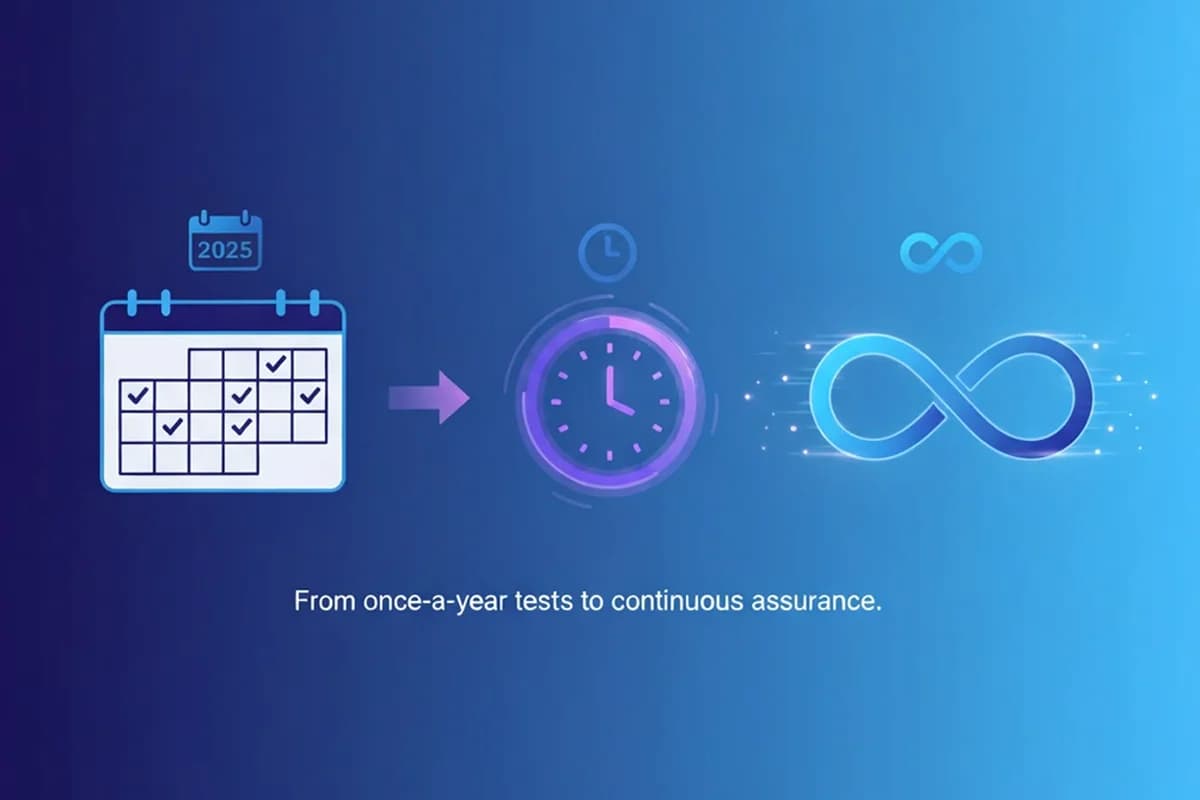
That's why one-off pentests done annually for compliance no longer protect you. They give you a static snapshot in a live-streaming threat environment.
A modern pentesting cadence is a risk management decision, not a budget decision. The goal: shorten the time between discovery and validation so vulnerabilities never outlive your code changes.
2. The Baseline: Annual Pentesting Isn't Enough
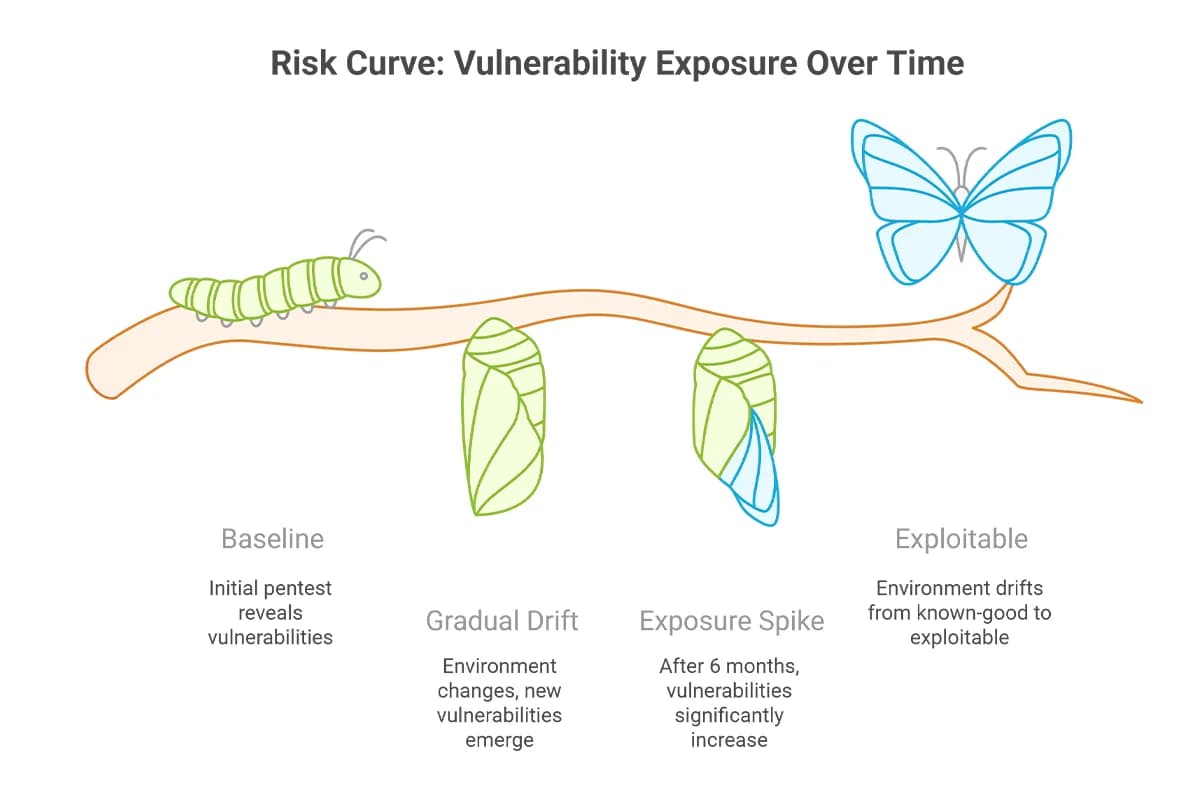
Annual tests still serve a purpose-they satisfy auditors and create formal evidence for frameworks like PCI-DSS or ISO 27001. But if you're deploying weekly, the data in that report goes stale long before your next audit cycle.
What happens when testing stops at once a year:
- New vulnerabilities emerge faster than you test
- Dev teams lose touch with security feedback
- Compliance looks fine on paper while unseen flaws accumulate
For most SaaS, finance, and regulated industries, "annual" is now only the starting line, not the finish line.
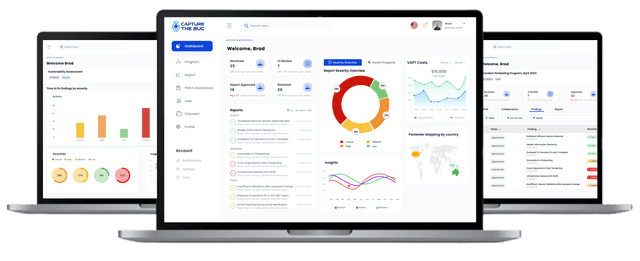
One platform to manage, track, and secure all your penetration tests.
Simplify your vulnerability management with Capture The Bug’s PTaaS platform where businesses and security experts collaborate seamlessly.
3. Risk-Based Frequency: Align Testing to Change Velocity
Your rate of change determines your rate of testing. Here's a practical framework Capture The Bug uses with clients across New Zealand, Australia, and the U.S.:
| Environment | Recommended Frequency | Typical Use Case |
|---|---|---|
| Stable systems | Annual | Legacy applications or minimal updates |
| Growing startups | Semi-annual | Scaling teams, regular feature pushes |
| High-risk SaaS & finance | Quarterly | Continuous deployment and customer data |
| Highly regulated / healthcare / fintech | Quarterly + event-driven | Regulatory oversight and sensitive PII |
| Critical infrastructure & cloud platforms | Continuous validation (PTaaS) | 24/7 uptime and compliance scrutiny |
Pro tip: Every time your environment changes, your security baseline resets. Schedule retests whenever you push a major release or onboard a new vendor.
4. Compliance: The Minimum, Not the Goal
Regulators define minimums. Real security demands more.
| Standard | Minimum Requirement | Strong Practice |
|---|---|---|
| PCI-DSS | Annual + after major change | Quarterly tests for all payment systems |
| SOC 2 | Risk-based | Continuous testing integrated into audits |
| HIPAA | Annual (recommended) | Bi-annual + targeted API testing |
| ISO 27001 | Risk-assessment driven | Quarterly testing with vendor scope |
Meeting these frameworks is good. Exceeding them is how modern companies build trust and resilience.
5. Event-Driven Pentesting: Test When It Matters Most
Beyond time-based schedules, trigger a pentest when:
- You migrate to a new cloud or architecture
- You deploy a major version of your app
- You integrate a new third-party API
- A zero-day vulnerability hits your tech stack
- You merge with or acquire another company
Event-driven testing catches risks tied to change events, the true root cause of most breaches.
6. Continuous Pentesting (PTaaS): The New Normal
Traditional pentesting can't match modern release cycles. That's why more teams are moving to Pentesting as a Service (PTaaS)—a model built for agility.
What PTaaS Delivers:
- On-demand pentests launched within 48 hours
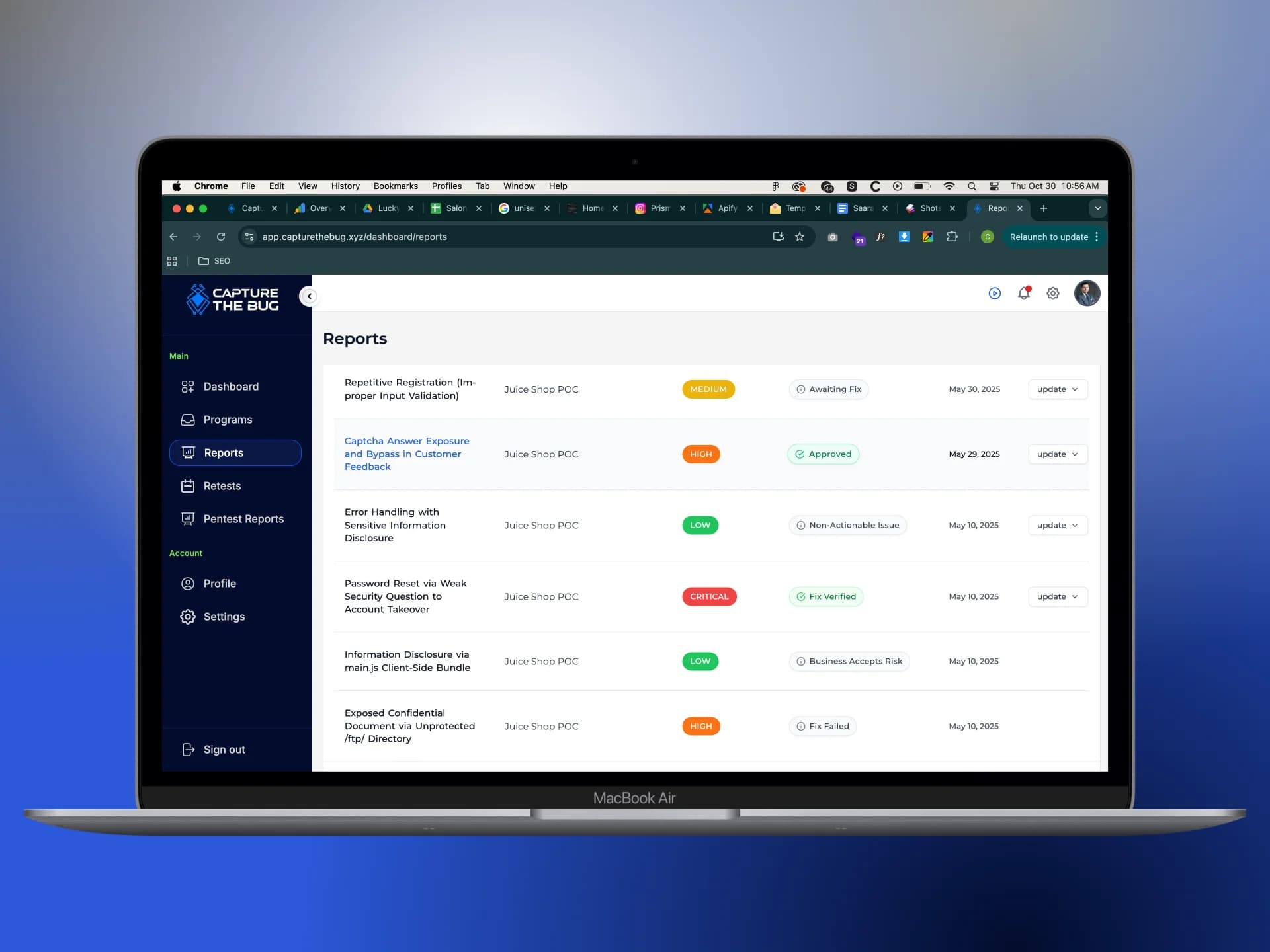
- Real-time dashboards showing findings and fix progress
- Instant retests after patches—no waiting months
- Built-in evidence for ISO, SOC 2, and PCI audits
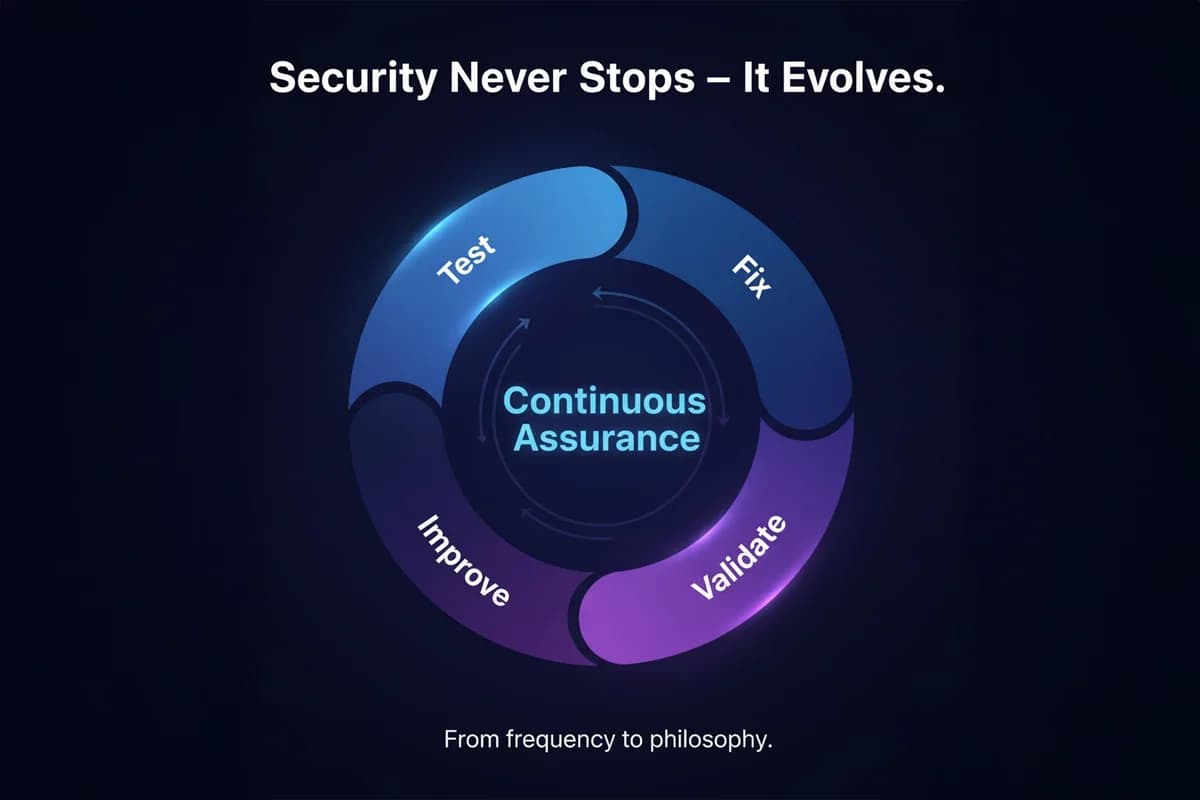
Instead of treating security as a once-a-year project, PTaaS turns it into a continuous feedback loop between your engineers and testers.
Experience Capture The Bug Platform
Streamline your security testing with our PTaaS platform. Collaborate with expert testers, track vulnerabilities, and secure your applications effortlessly.
7. How to Build Your Pentest Calendar
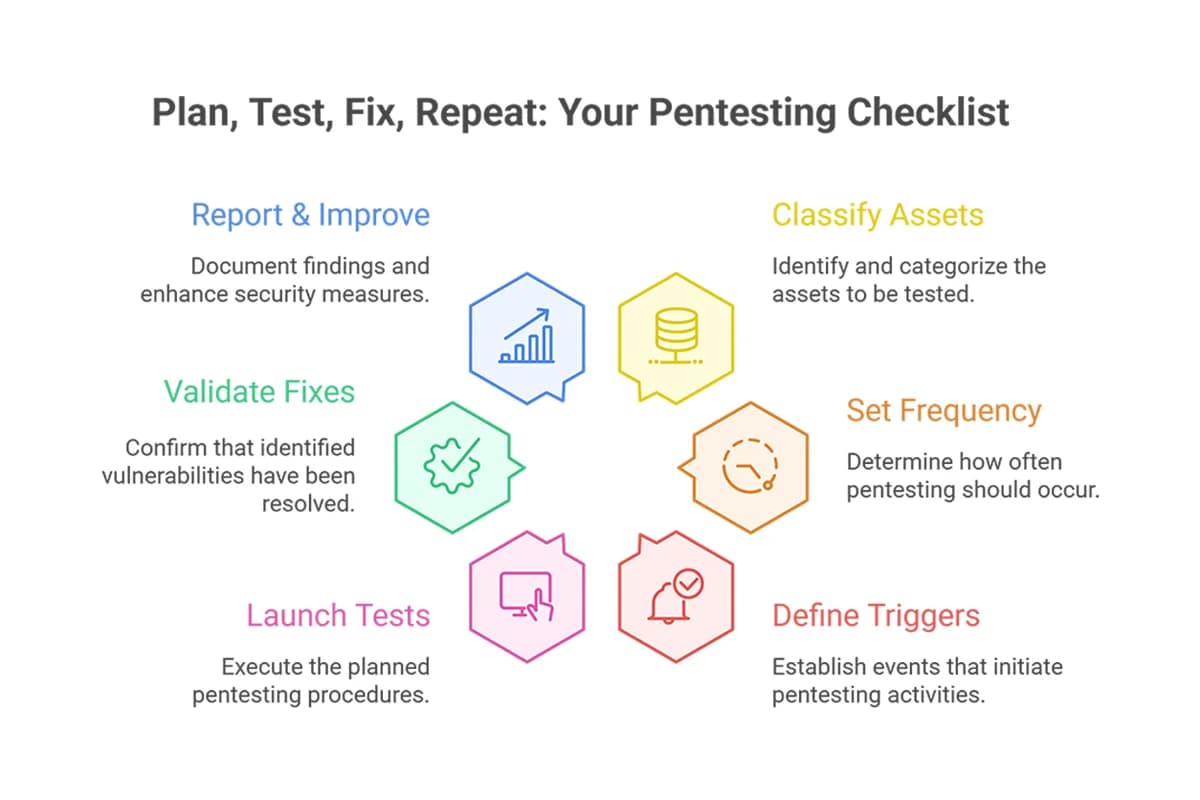
- Map your assets – Classify systems by sensitivity
- Set cadence per class – Annual for low-risk, quarterly for core apps, continuous for APIs and customer data
- Define event triggers – Product launches, vendor onboarding, cloud migrations
- Automate reminders – Integrate with project management tools
- Track and review – Measure time-to-fix, retest completion, and recurring findings
When leadership asks "How secure are we right now?", this structure gives you an answer backed by evidence.
8. The Business Case for Testing More Often
Faster testing isn't just about reducing risk—it drives measurable ROI:
- 35% faster remediation with continuous visibility
- 25% drop in repeat high-severity issues after quarterly testing adoption
- Lower compliance costs through ready-to-use audit evidence
Security testing isn't an expense; it's a way to protect brand trust, maintain uptime, and stay compliant without surprises.
9. Capture The Bug's Approach
At Capture The Bug, our mission is simple: Make enterprise-grade pentesting fast, transparent, and collaborative.
Our PTaaS platform lets you:
- Schedule or launch pentests on demand
- View findings, discussions, and fixes in one dashboard
- Validate remediations instantly
- Share compliance-ready reports with auditors or clients
Whether you operate in Auckland, Sydney, or San Francisco, we tailor cadence and scope to your business rhythm so you're always ahead of threats, not chasing them.
10. Conclusion: Security Has a Rhythm
Your code moves fast, your testing should, too. The safest companies in 2025 aren't the ones spending the most; they're the ones validating continuously.
Pentest frequency isn't about compliance anymore-it's about confidence. And confidence comes from proof.
Frequently Asked Questions
How often should small businesses pentest?
Once a year minimum; more often after major updates or if handling customer data.
What's the best schedule for SaaS teams?
Quarterly or continuous testing to match agile release cycles.
When should a pentest be repeated?
After any major code change, infrastructure update, or security incident.
What is PTaaS?
Pentesting as a Service—an ongoing testing model with live dashboards and rapid retesting.
Why choose Capture The Bug?
We deliver CREST-certified, on-demand testing built for speed, transparency, and measurable risk reduction.