AWS Security Testing for Enterprises in the USA: A Practical Readiness Checklist
Introduction: The Illusion of “Secure by Default”
Most enterprises assume that moving to AWS automatically makes them secure. It doesn’t.
AWS provides a highly secure infrastructure. But everything built on top of it—configurations, access controls, APIs, integrations—remains the organization’s responsibility.
This shared responsibility model is where most risks live. At Capture The Bug, teams often see the same pattern. Companies invest heavily in cloud infrastructure but treat security testing as a one-time task. By the time a report arrives, the environment has already changed.
Modern cloud environments don’t stay still. Your security testing shouldn’t either.

Why AWS Security Testing Needs a Different Approach
Traditional testing models were designed for static environments. AWS is dynamic. Resources spin up and down. Permissions change daily. New services are integrated constantly.
A once-a-year test simply cannot reflect reality anymore. As highlighted in modern PTaaS practices, continuous visibility matters more than periodic checks. Businesses need to detect risks as they appear, not after weeks of delay. That’s why leading U.S. enterprises are shifting toward ongoing security validation instead of static assessments.
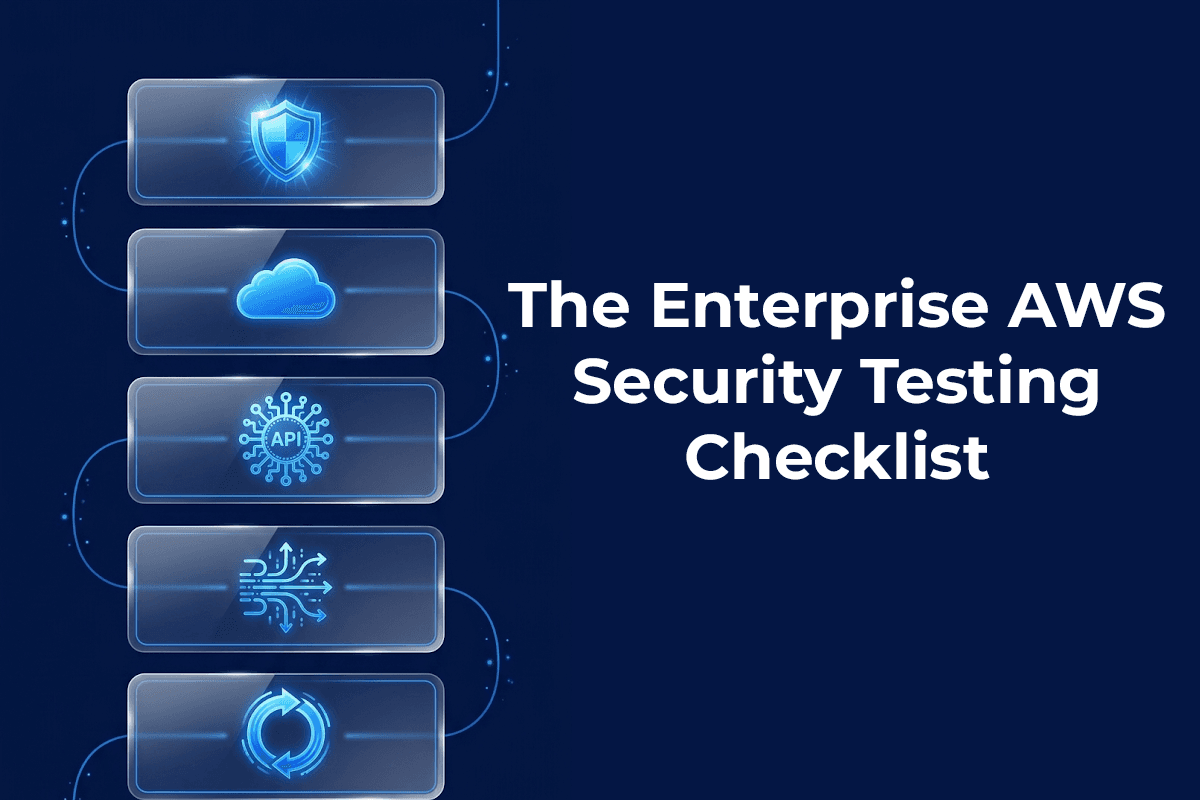
1. Identity and Access Management Review
Most AWS breaches are not due to complex attacks. They happen because of excessive permissions.
Checklist:
- Audit IAM roles and policies regularly
- Remove unused users and credentials
- Enforce least privilege access across teams
- Enable multi-factor authentication for all critical accounts
If a developer has more access than needed, that’s a risk window.
2. Misconfiguration Detection
Misconfigurations are the number one cause of cloud breaches. One small error can expose an entire system.
Checklist:
- Check S3 bucket permissions for public exposure
- Validate security groups and open ports
- Review EC2 instance configurations
- Ensure proper network segmentation
The problem is not just detection, it is timing. If you discover it weeks later, it is already too late.
3. API and Application Layer Testing
AWS environments are powered by APIs. That’s where attackers focus.
Checklist:
- Test APIs for authentication and authorization flaws
- Validate input handling and data exposure risks
- Check rate limiting and abuse scenarios
- Test third-party integrations
4. Cloud Infrastructure Logic Testing
This is where traditional tools fail. You need to test how systems behave, not just how they are configured.
Checklist:
- Validate access flows between services
- Test privilege escalation scenarios
- Simulate lateral movement across resources
- Identify trust relationship weaknesses
5. Continuous Validation of Changes
AWS environments change constantly. Every deployment introduces new risk.
Checklist:
- Test after every major release
- Validate new integrations immediately
- Retest resolved vulnerabilities quickly
- Track changes in attack surface

6. Compliance Alignment
Enterprises in the U.S. operate under strict compliance frameworks. Compliance is not just documentation; it is proof of continuous security.
Checklist:
- Map findings to SOC 2 requirements
- Align with ISO 27001 controls
- Ensure PCI-DSS readiness if handling payments
- Maintain audit-ready documentation
The Real Problem Enterprises Face
Most organizations are not lacking tools. They are lacking visibility. This creates a loop of delayed security where risk lives.
How Modern Enterprises Are Solving This
Leading companies in the U.S. are moving toward a continuous process. Capture The Bug works with enterprises that need immediate visibility into vulnerabilities, faster validation of fixes, and direct collaboration between testers and engineers.
What Continuous AWS Testing Looks Like in Practice
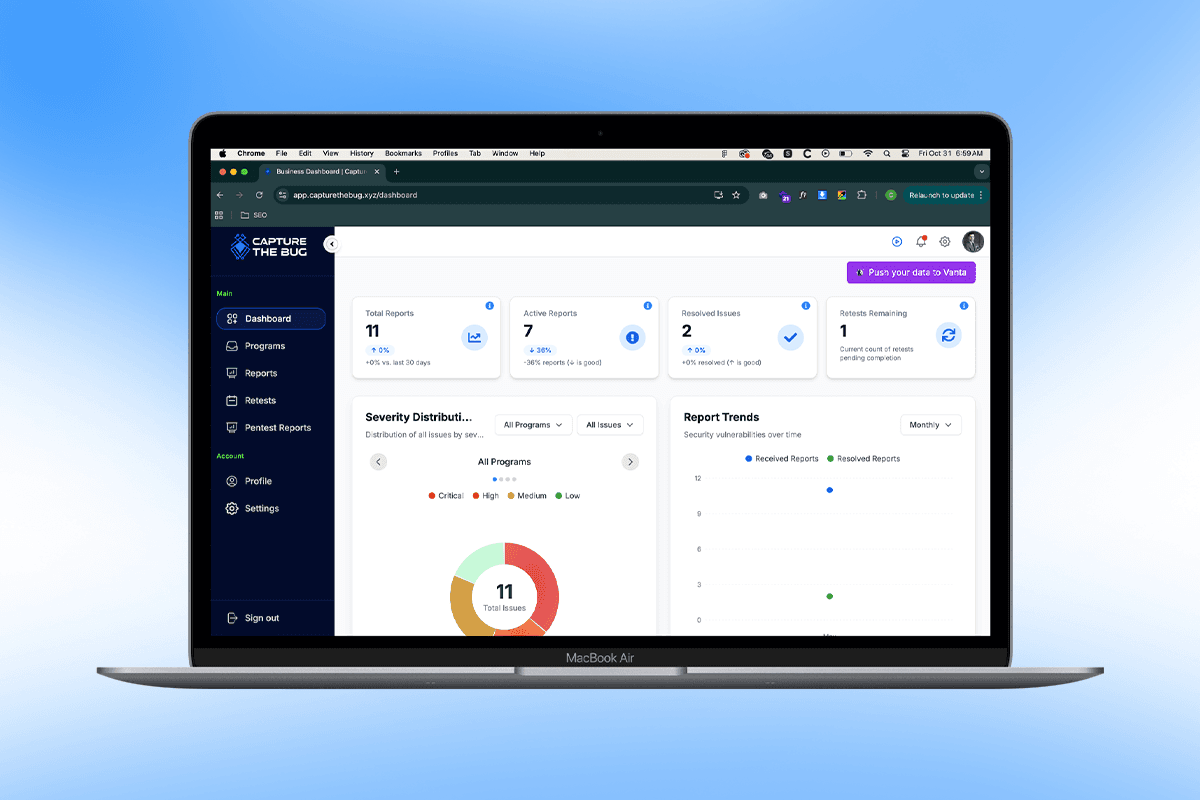
Instead of waiting weeks, enterprises now launch testing whenever infrastructure changes, view vulnerabilities as they are discovered, and validate fixes instantly. This removes the delay between detection and action.
A Real Enterprise Scenario
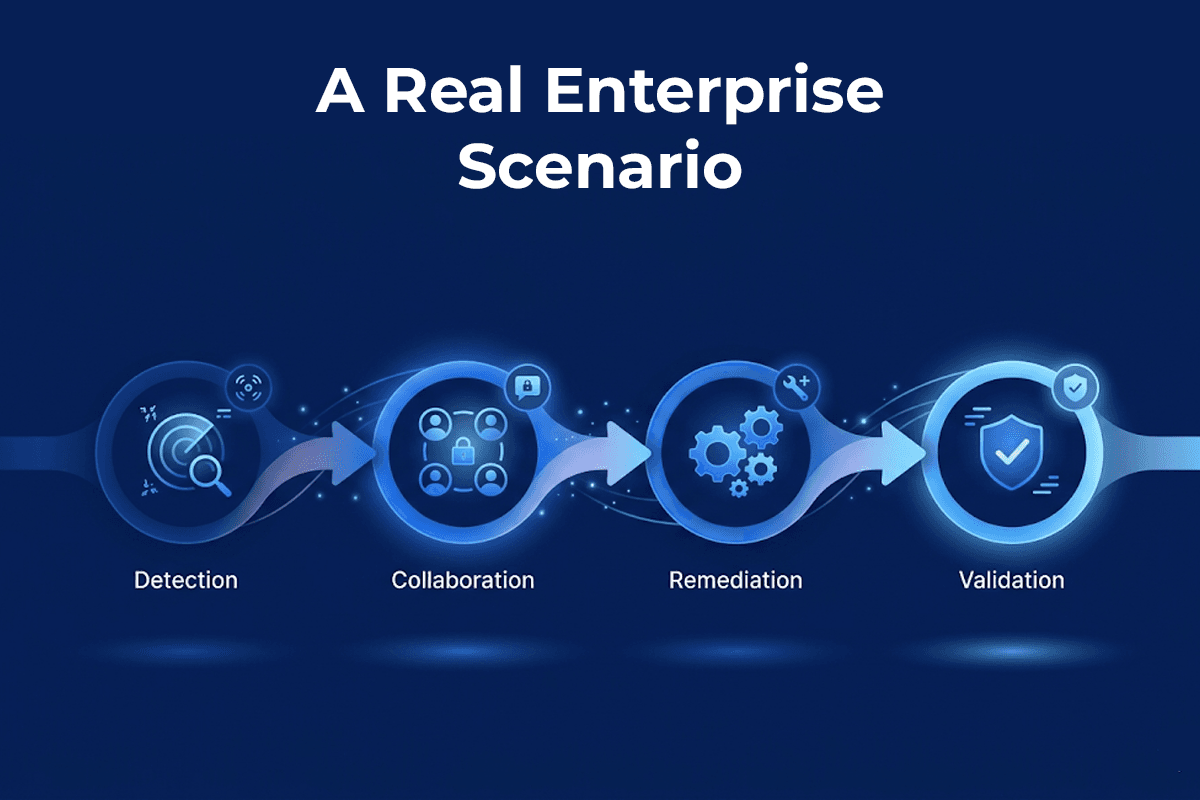
A U.S.-based SaaS company running on AWS shifted to continuous testing with Capture The Bug. The results were immediate: vulnerabilities were identified within hours, fixes were validated in the same sprint, and audit preparation time dropped significantly.
Why This Matters for U.S. Enterprises
In the U.S., cybersecurity is a business risk. Customers ask about security before signing contracts, investors evaluate security posture during due diligence, and regulators expect ongoing assurance.
The Capture The Bug Approach
Capture The Bug brings a practical, enterprise-ready model to AWS security testing. CREST-certified testers validate real risks, findings are actionable, and testing adapts to your environment changes.
FAQ
1. What is AWS security testing?
AWS security testing evaluates cloud infrastructure, configurations, applications, and APIs to identify vulnerabilities and misconfigurations.
2. Why is AWS security testing important for enterprises?
Because misconfigurations, excessive permissions, and API vulnerabilities can expose sensitive data and disrupt business operations.
3. How often should AWS environments be tested?
Continuously. Modern environments change frequently, making periodic testing insufficient.
4. What are the most common AWS security risks?
Misconfigured storage, weak IAM policies, exposed APIs, and insecure integrations.
5. How does Capture The Bug help enterprises?
Capture The Bug provides continuous security testing with real-time visibility, faster validation, and compliance-ready reporting.