Fintech and DeFi Security Assessment: Penetration Testing for Digital Financial Services
The fintech and decentralized finance ecosystem faces sophisticated cyber threats that demand specialized security assessment approaches. With billions of dollars in losses from cryptocurrency exchange hacks and DeFi protocol exploits, professional penetration testing has become essential for protecting digital financial services.
Understanding the Unique Threat Landscape
Fintech and DeFi platforms face distinct security challenges including smart contract vulnerabilities, blockchain-specific attack vectors, and the irreversible nature of cryptocurrency transactions. Unlike traditional financial systems, these platforms operate in an environment where security flaws can result in permanent, unrecoverable financial losses.
Critical vulnerability categories include smart contract reentrancy attacks enabling fund drainage, oracle manipulation causing price distortions, hot wallet compromise through key management flaws, API manipulation enabling unauthorized trading, and flash loan attacks exploiting protocol economics.
Specialized Testing Methodologies
Smart Contract Security Assessment
Professional testing examines deployment code for reentrancy vulnerabilities, integer overflow conditions, access control flaws, and logic errors in financial calculations. Testing must simulate various attack scenarios including edge cases and complex interaction patterns between multiple contracts.
API Security Testing
Cryptocurrency exchanges rely heavily on APIs for trading and account management. Testing includes authentication bypass attempts, parameter manipulation attacks, rate limiting bypass techniques, and injection attacks targeting database queries. WebSocket connections for real-time trading data require specialized assessment approaches.
Wallet Security Evaluation
Both hot and cold wallet implementations need comprehensive testing. Hot wallet assessments examine key storage mechanisms, transaction signing processes, and multi-signature implementations. Cold wallet testing focuses on air-gapped security and key ceremony procedures.
Blockchain Network Testing
Testing approaches include consensus mechanism attacks, peer-to-peer communication vulnerabilities, and node synchronization flaws. Assessments evaluate network resilience against malicious nodes, double-spending attempts, and various attack scenarios.
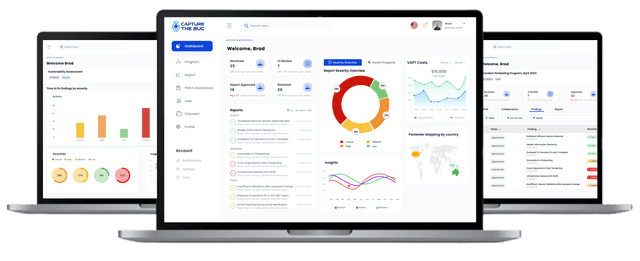
One platform to manage, track, and secure all your penetration tests.
Simplify your vulnerability management with Capture The Bug’s PTaaS platform where businesses and security experts collaborate seamlessly.
Advanced Attack Simulation
Flash Loan Exploitation
DeFi protocols face unique risks from flash loans enabling attackers to borrow large amounts without collateral and exploit price discrepancies within single transactions. Testing evaluates protocol resilience against sudden liquidity changes and market manipulation attempts.
Cross-Chain Bridge Vulnerabilities
Bridge protocols connecting different blockchains present complex attack surfaces. Testing examines validation mechanisms, consensus requirements, and potential race conditions in cross-chain transactions that could enable asset theft.
Governance Token Attacks
DeFi protocols using governance tokens face risks from vote buying and flash loan governance attacks. Testing evaluates voting mechanisms, proposal validation, and whether attackers can gain temporary control through token manipulation.
Real-World Attack Scenarios
Exchange Compromise Simulation
Testing simulates realistic attack chains where web application vulnerabilities lead to administrative access and hot wallet compromise. Scenarios include social engineering attacks against personnel, supply chain compromises, and insider threat simulations.
Protocol Economic Attacks
Advanced testing combines multiple vulnerabilities to demonstrate realistic exploit paths. This includes chaining flash loans with oracle manipulation, exploiting governance mechanisms, and combining smart contract flaws with economic incentives.
Experience Capture The Bug Platform
Streamline your security testing with our PTaaS platform. Collaborate with expert testers, track vulnerabilities, and secure your applications effortlessly.
Compliance Considerations
Regulatory Requirements
Fintech organizations must comply with financial regulations including PCI DSS, AML/KYC requirements, and jurisdiction-specific standards. Penetration testing validates security controls supporting these compliance obligations.
Industry Certification
Cryptocurrency exchanges seeking certification must undergo comprehensive testing meeting specific requirements including production environment assessment, third-party auditor involvement, and detailed reporting covering all critical components.
Professional Assessment Requirements
Effective fintech security assessment requires specialized expertise combining traditional cybersecurity knowledge with deep understanding of blockchain technology and cryptocurrency protocols. Testing providers should demonstrate experience with exchange security, smart contract auditing, and DeFi protocol assessment.
Economic Impact Assessment
Professional testing quantifies potential financial losses from successful attacks, considering total value locked, daily trading volumes, and asset holdings. This economic perspective helps organizations prioritize security investments based on business impact.
Continuous Security Monitoring
Given rapid protocol evolution and frequent updates, continuous assessment approaches provide ongoing vulnerability identification. This includes automated monitoring for new contract deployments and regular reassessment of protocol changes.
Best Practices and Recommendations
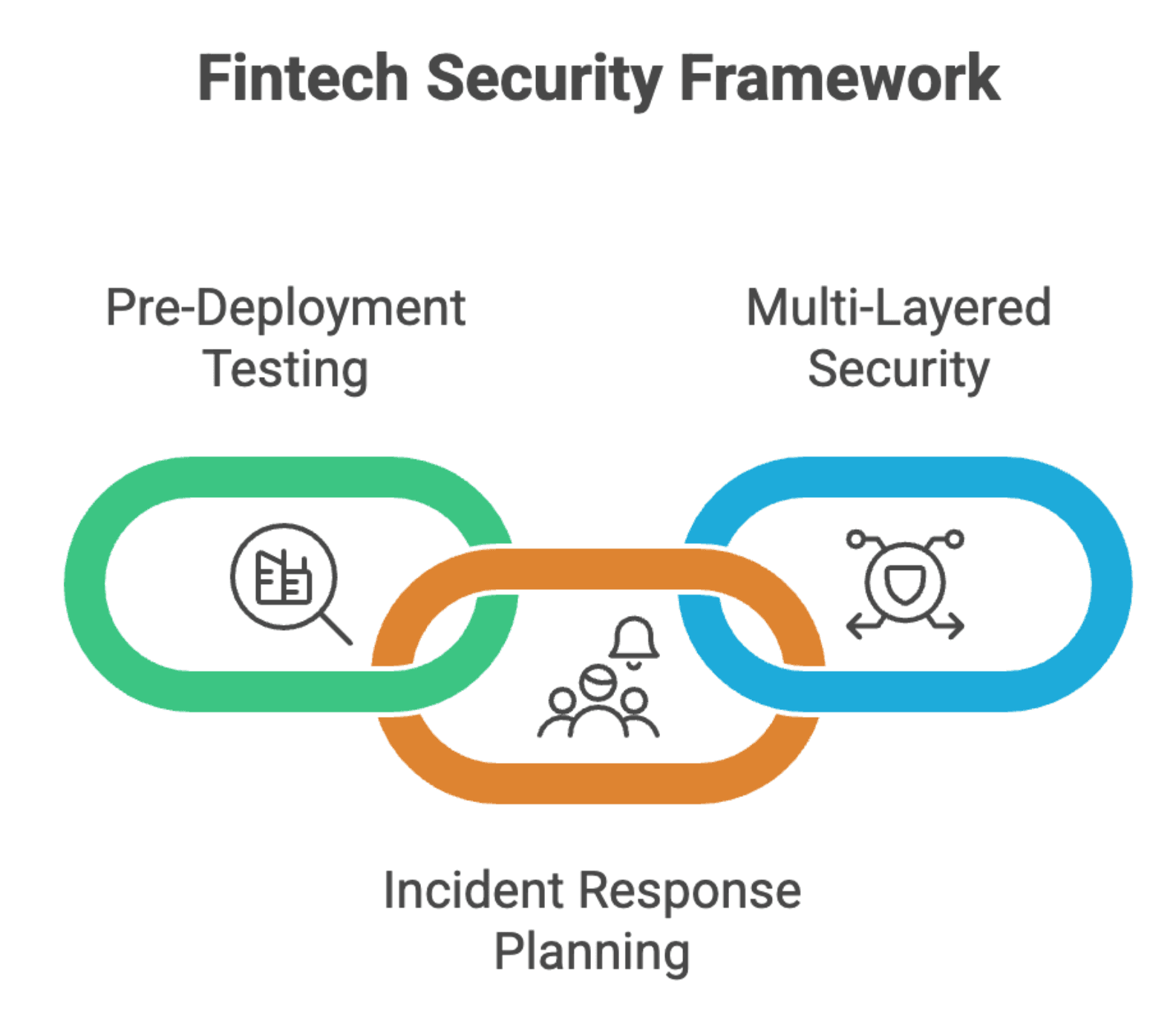
Pre-Deployment Testing
All smart contracts require comprehensive security assessment before mainnet deployment. Testing should include formal verification, economic modeling, and stress testing under various market conditions.
Incident Response Planning
Organizations must develop specific incident response procedures for cryptocurrency-related security events, including fund recovery protocols, customer communication strategies, and regulatory reporting requirements.
Multi-Layered Security
Effective protection requires combining multiple security layers including secure development practices, comprehensive testing, real-time monitoring, and rapid incident response capabilities.
Frequently Asked Questions
What makes DeFi security testing different from traditional financial application testing?
DeFi testing requires specialized knowledge of blockchain technology, smart contract vulnerabilities, and economic attack vectors unique to decentralized finance. Unlike traditional systems, DeFi faces flash loan attacks, oracle manipulation, and governance exploits. Testing must consider the immutable nature of smart contracts and cross-protocol interactions.
About Capture The Bug
Capture The Bug is New Zealand's home-grown PTaaS platform, combining CREST-certified expertise with continuous vulnerability management. Built for modern engineering teams, it delivers live dashboards, instant retests, and measurable assurance — replacing static reports with real-time visibility.
Learn more: capturethebug.xyz