The Best Compliance Management Software for 2026
In 2026, compliance is no longer an annual checklist. It is a continuous business function that influences enterprise deals, investor confidence, procurement approvals, and long-term customer trust.
Organizations still managing compliance through spreadsheets, manual screenshots, and last-minute audit preparation are operating in an outdated model. The best compliance management software in 2026 does three things exceptionally well: centralizes controls and evidence, reduces manual operational burden, and keeps organizations continuously audit-ready.
For modern SaaS companies and regulated enterprises across ANZ and the USA, compliance is not about paperwork. It is about proving trust at speed.
Why Compliance Is More Complex in 2026
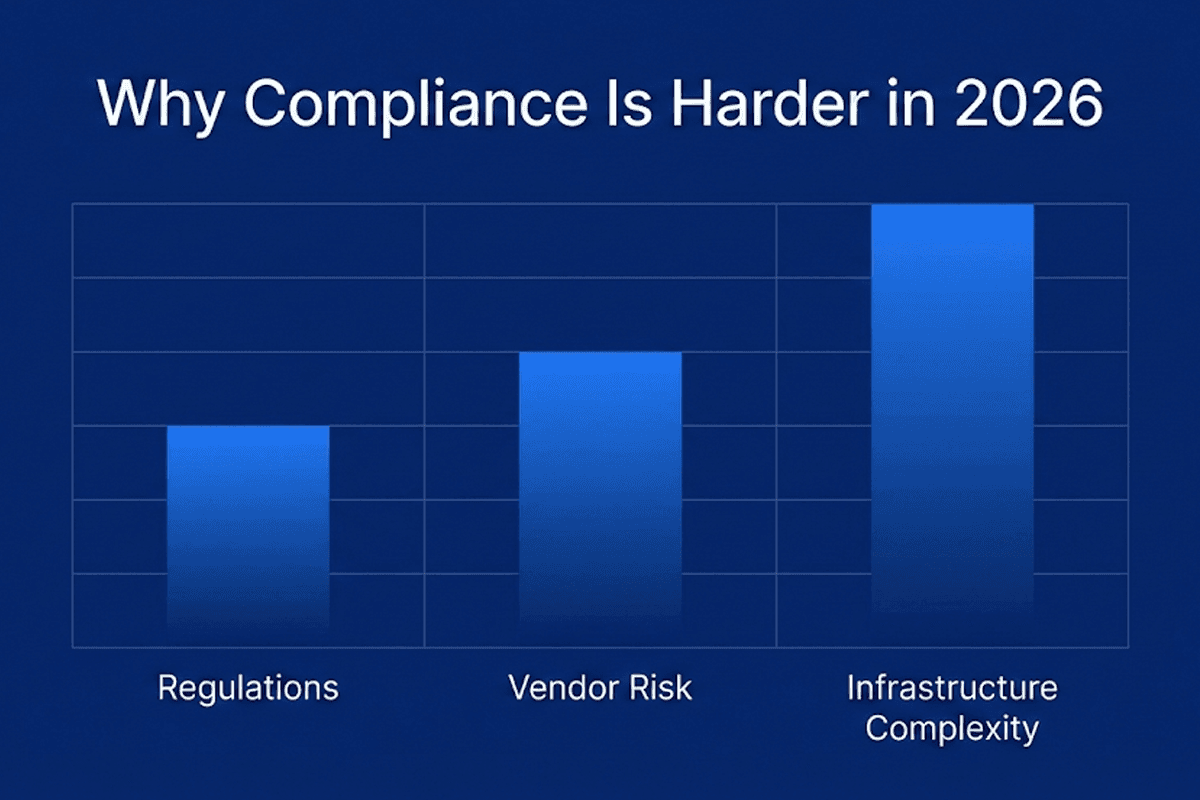
Regulatory expectations are expanding. Vendor risk assessments are more detailed. Enterprise buyers are asking deeper technical questions. At the same time, infrastructure changes weekly. Cloud environments evolve constantly. New integrations introduce new risks.
Point-in-time compliance snapshots no longer reflect operational reality. Organizations now require continuous visibility into access controls, ongoing monitoring of infrastructure changes, and real-time vulnerability validation.
What Is Compliance Management Software?
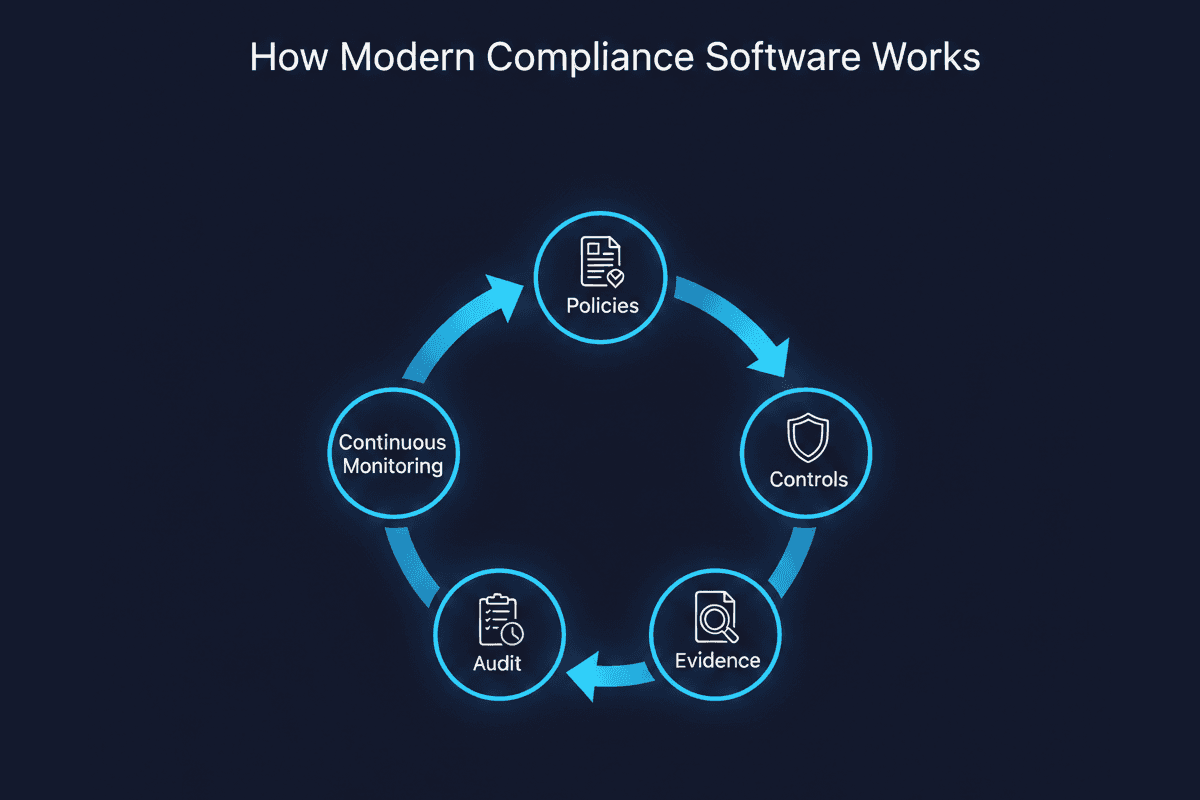
Compliance management software centralizes an organization's policies, controls, evidence, risk registers, and audit workflows. A mature platform allows teams to map one control across multiple frameworks and reuse evidence between ISO 27001, SOC 2, and PCI DSS.
However, not all platforms deliver meaningful operational efficiency. The difference lies in depth of integration, workflow design, and alignment with actual security practices.
Leading Compliance Platforms in 2026
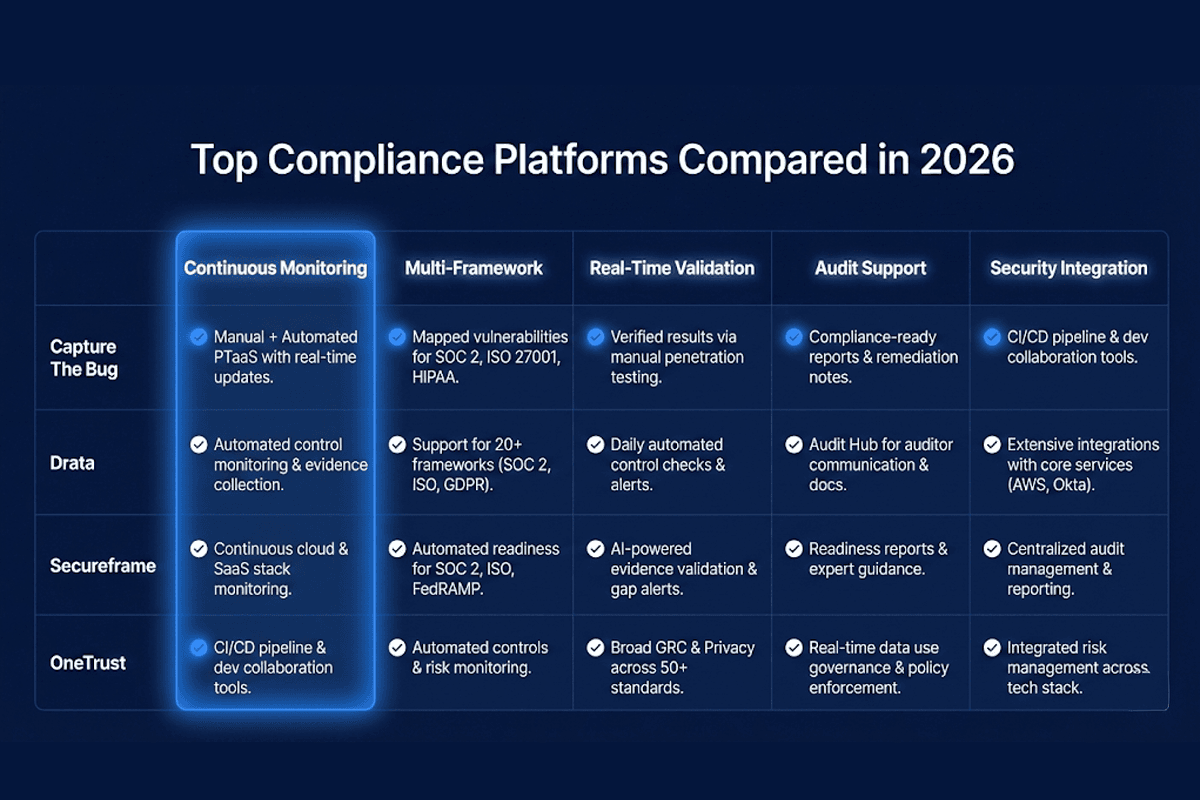
Based on operational efficiency, framework scalability, integration depth, and audit support, the following platforms stand out.
1. Capture The Bug
Best for: Organizations seeking compliance aligned with real-world security validation.
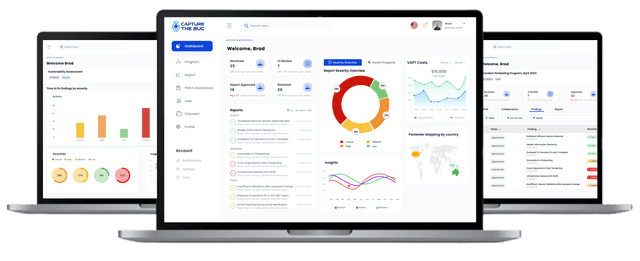
Capture The Bug is a CREST-certified Penetration Testing as a Service platform that integrates continuous security validation with compliance readiness. Unlike traditional compliance platforms that focus purely on documentation workflows, Capture The Bug aligns compliance with active security testing.
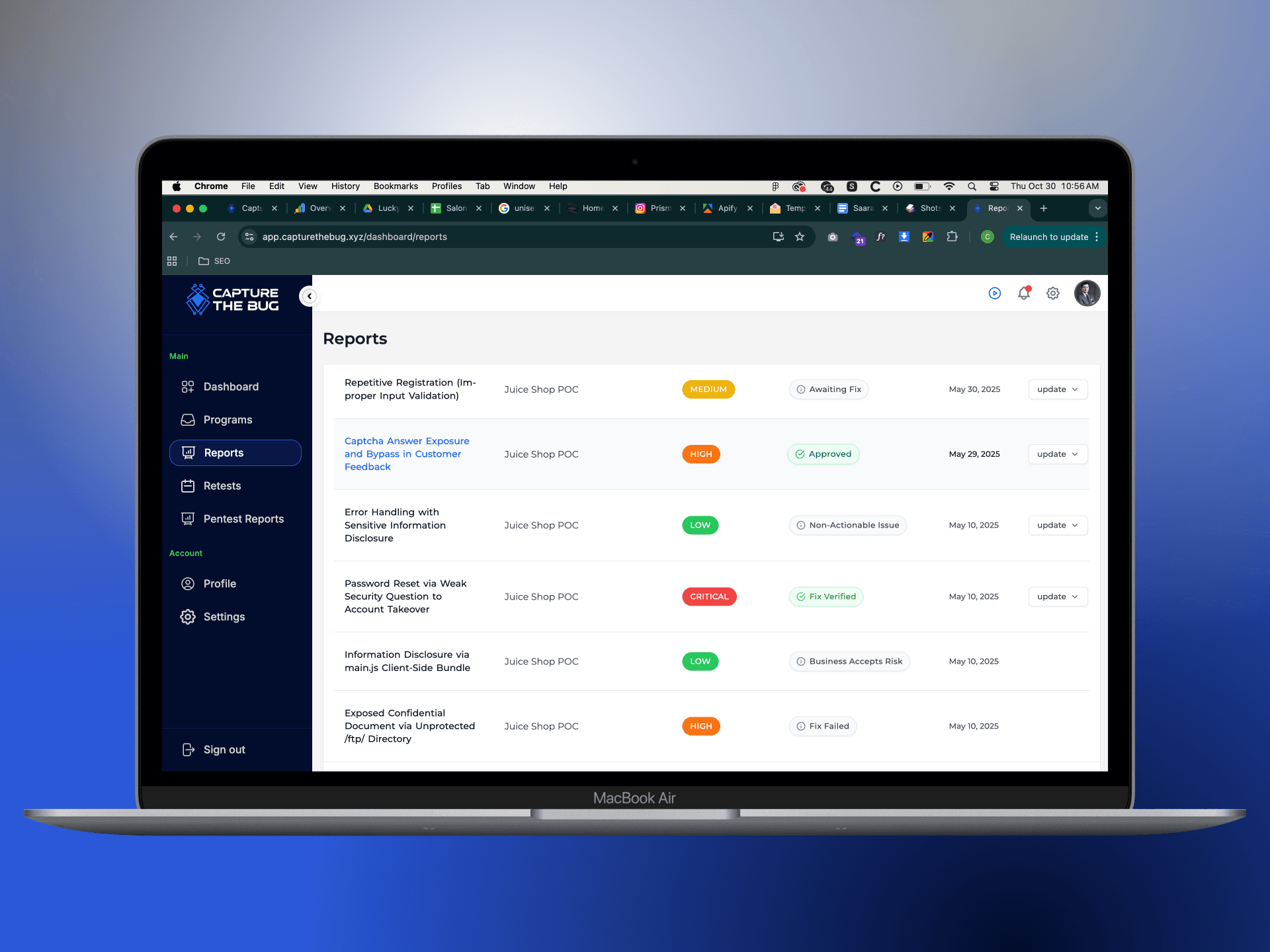
- Continuous penetration testing integrated into compliance workflows
- Real-time vulnerability validation
- Audit-ready reporting aligned with ISO 27001, SOC 2, and PCI DSS
- Measurable remediation tracking
In 2026, compliance cannot exist independently from security posture. Capture The Bug bridges that gap.
2. Drata
Best for: Mid-market organizations seeking structured automation.
Drata focuses on simplifying compliance tracking and audit workflows. It excels at centralized evidence collection, automated control checks, and auditor-friendly reporting.
3. Secureframe
Best for: Growth-stage companies expanding across frameworks.
Secureframe provides multi-framework support and vendor oversight capabilities, making it suitable for organizations moving from initial certification toward broader governance maturity.
4. OneTrust
Best for: Enterprises consolidating privacy, risk, and compliance.
OneTrust offers a comprehensive governance suite that extends beyond compliance into data privacy and vendor management. It is typically better aligned with large enterprises that have established governance functions.
What to Look for in Compliance Management Software
When evaluating platforms in 2026, organizations should prioritize operational efficiency, framework scalability, and integration with active security validation.
Compliance documentation must reflect actual security posture. Continuous testing strengthens compliance credibility because it proves that controls are not just documented, but validated in practice.
The Shift Toward Continuous Compliance
The most significant change in 2026 is philosophical. Compliance is no longer an event. It is an ongoing operational capability.
Organizations that integrate compliance platforms with identity systems, cloud infrastructure, and continuous security testing move from reactive compliance to proactive assurance. This reduces internal stress, accelerates enterprise sales cycles, and strengthens board-level reporting.
Conclusion
The best compliance management software for 2026 is not defined by feature volume. It is defined by impact. The right platform should reduce operational friction, reflect actual security posture, and make audits routine instead of disruptive.
Capture The Bug represents a model where compliance and continuous security validation operate together, not separately. In 2026, that integration is no longer optional. It is foundational.
FAQ
What is compliance management software?
Compliance management software centralizes controls, evidence, risk registers, and audit workflows to help organizations maintain standards such as ISO 27001, SOC 2, and PCI DSS.
What makes Capture The Bug different from other compliance platforms?
Capture The Bug integrates CREST-certified continuous penetration testing with compliance workflows, ensuring documentation reflects validated security posture rather than static controls.
Can one platform support multiple compliance frameworks?
Yes. Leading platforms cross-map controls across multiple frameworks, reducing duplication and improving scalability.
Why is continuous compliance important in 2026?
Because modern infrastructure changes constantly. Continuous monitoring ensures compliance posture reflects real-time security conditions rather than historical snapshots.
How should companies evaluate compliance software?
Organizations should assess integration depth, framework scalability, operational efficiency, auditor workflow support, and alignment with continuous security validation.