Top Cybersecurity Trends Shaping 2026
Cybersecurity in 2026 is no longer about reacting to incidents after they happen. It is about designing resilience into how companies operate, communicate, and scale. Boards are asking sharper questions. Customers expect proof, not promises. Regulators are raising the bar quietly but steadily.
From what Capture The Bug sees across clients in ANZ, the USA, and global markets, the biggest changes are not flashy. They are practical, structural, and rooted in how real breaches happen. This article breaks down the trends shaping 2026 and what they mean for leadership teams, not just security teams.
Zero Trust Becomes Operational, Not Theoretical
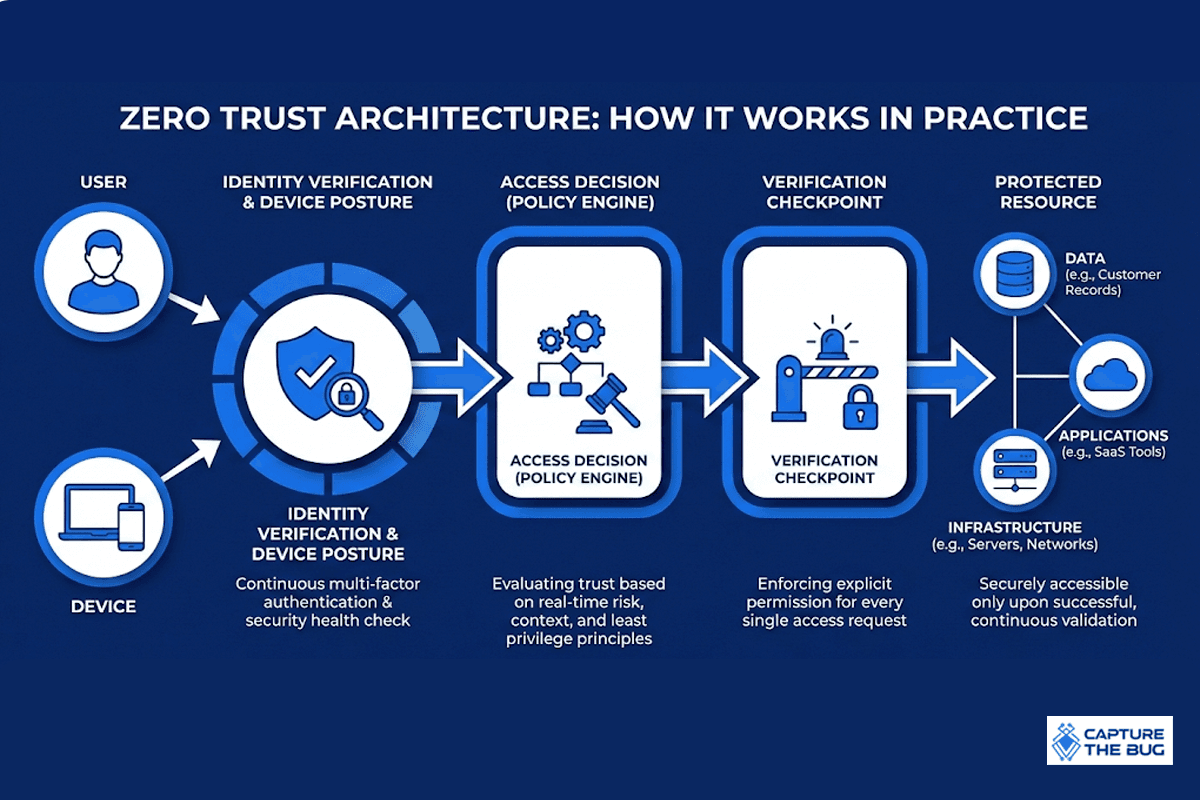
For years, Zero Trust was discussed like a philosophy. In 2026, it is becoming an operating model.
The core idea is simple. No user, system, or request is trusted by default. Every access attempt must prove it belongs. What has changed is how deeply this thinking is being applied.
Instead of perimeter-based thinking, organizations are redesigning access around identity, context, and intent. Internal systems are treated with the same caution as public-facing ones. Temporary access is favored over permanent permissions. Trust is earned continuously, not assumed.
This shift matters because most serious incidents no longer begin with a dramatic external breach. They start with a legitimate access path being misused. Zero Trust reduces blast radius. When something goes wrong, it stays small.
In 2026, companies that still rely on flat internal access will feel increasingly exposed, both technically and during audits.
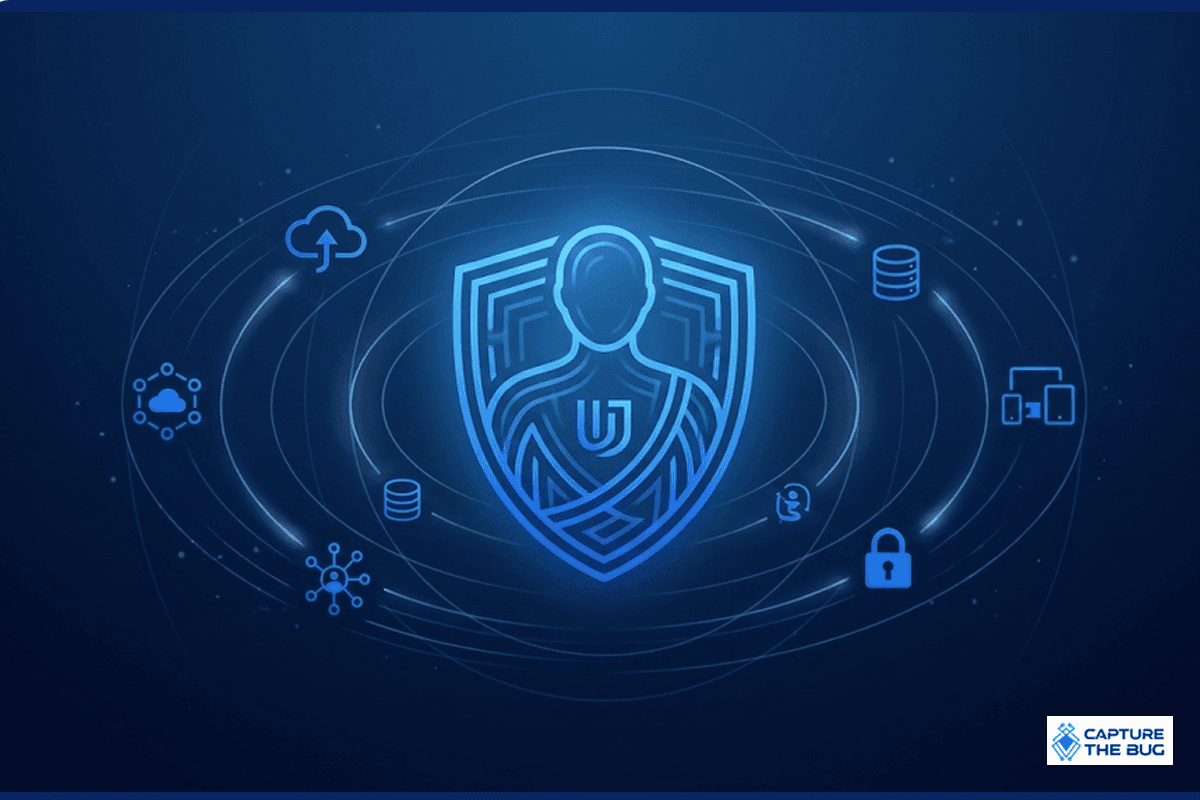
Identity Becomes the New Security Boundary
Firewalls used to define security. In 2026, identity does.
Attackers follow the easiest path. That path is almost always credentials. Stolen logins, shared accounts, and poorly managed privileges remain at the center of most compromises.
As a result, identity systems are now treated as critical infrastructure. Strong verification is no longer optional. Continuous checks are replacing one-time logins. Access decisions consider who the user is, what they are doing, and whether their behavior matches expectations.
This also changes how incidents are investigated. Instead of asking "what system was breached," teams ask "which identity behaved abnormally."
For leadership teams, this trend has a clear takeaway. Investments in identity controls now directly reduce breach likelihood, insurance risk, and regulatory exposure.
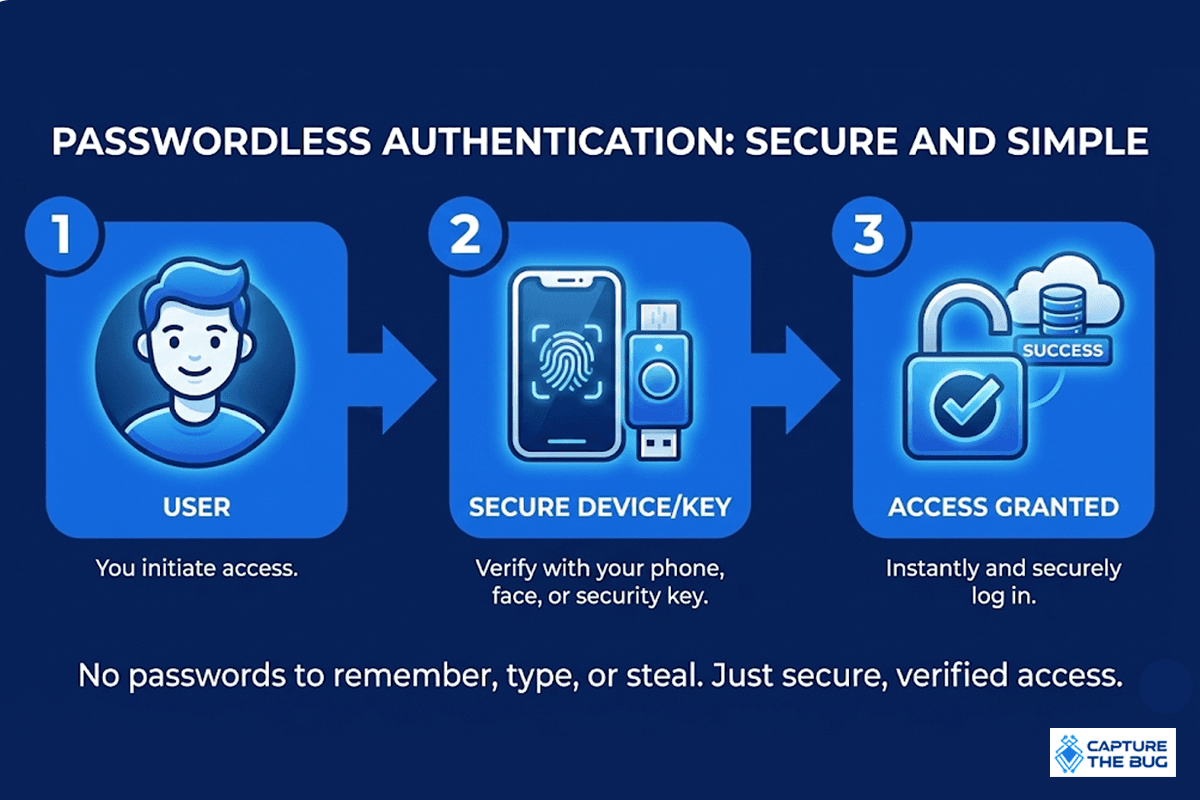
Passwordless Access Moves From Pilots to Policy
Passwords have been a known weakness for decades. What is different in 2026 is that organizations are finally acting on that knowledge.
Passwordless access is no longer a niche experiment. It is becoming standard for high-risk systems and privileged users. Physical keys, device-based approvals, and biometric factors are being adopted at scale.
The driver is not convenience, although that helps. The driver is cost and risk. Password-related incidents create cascading problems. Account resets, user frustration, audit findings, and breach investigations all follow.
By reducing reliance on passwords, companies shrink an entire category of attacks. They also simplify user behavior, which reduces mistakes.
In 2026, passwordless access is increasingly seen as a governance decision, not a technical upgrade.
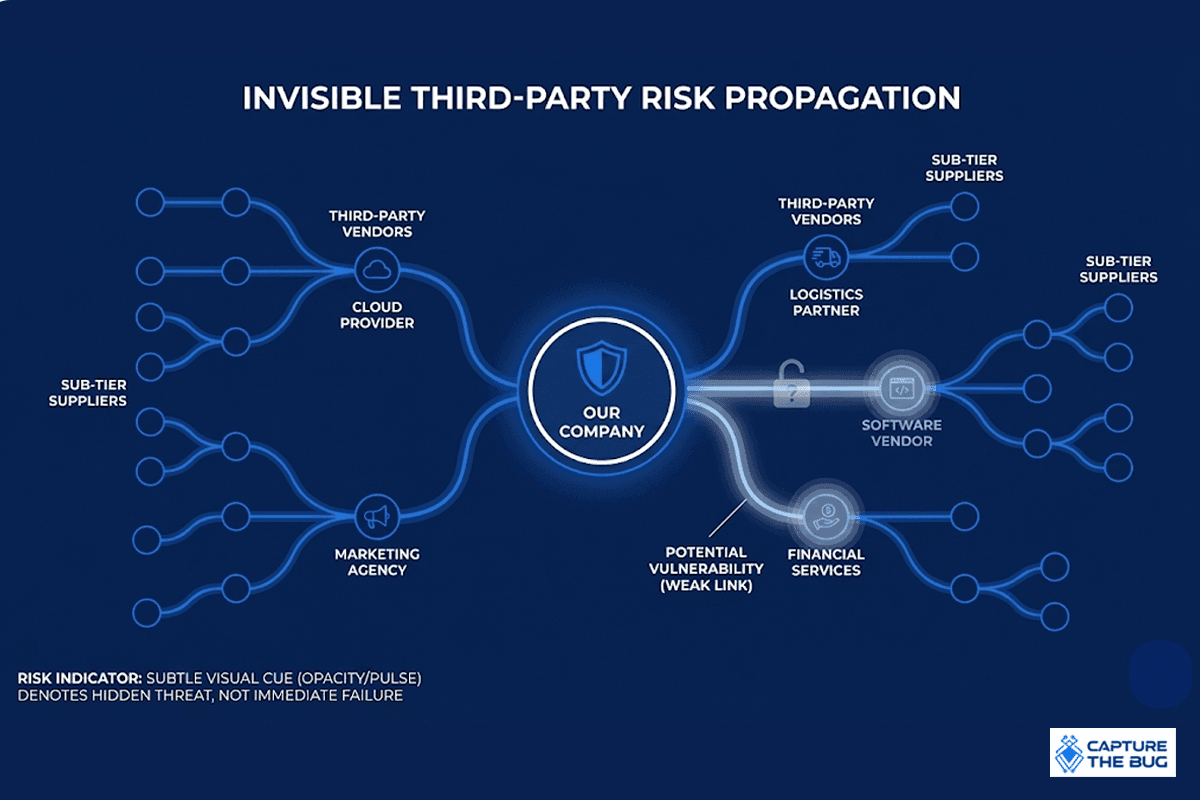
Supply Chain Risk Moves to the Board Agenda
Supply chain attacks used to feel abstract. That illusion is gone.
Modern software relies on countless external components. A single compromised dependency can affect thousands of organizations at once. What makes this risk especially dangerous is visibility. Many companies do not fully understand what they depend on.
In 2026, supply chain risk is no longer delegated quietly to engineering teams. Boards want answers. Auditors want evidence. Customers want reassurance.
This has led to stricter controls around third-party software, vendor access, and update processes. Organizations are documenting dependencies more carefully and validating changes more frequently.
The lesson is uncomfortable but necessary. You are responsible for the security of what you run, even if you did not build it.
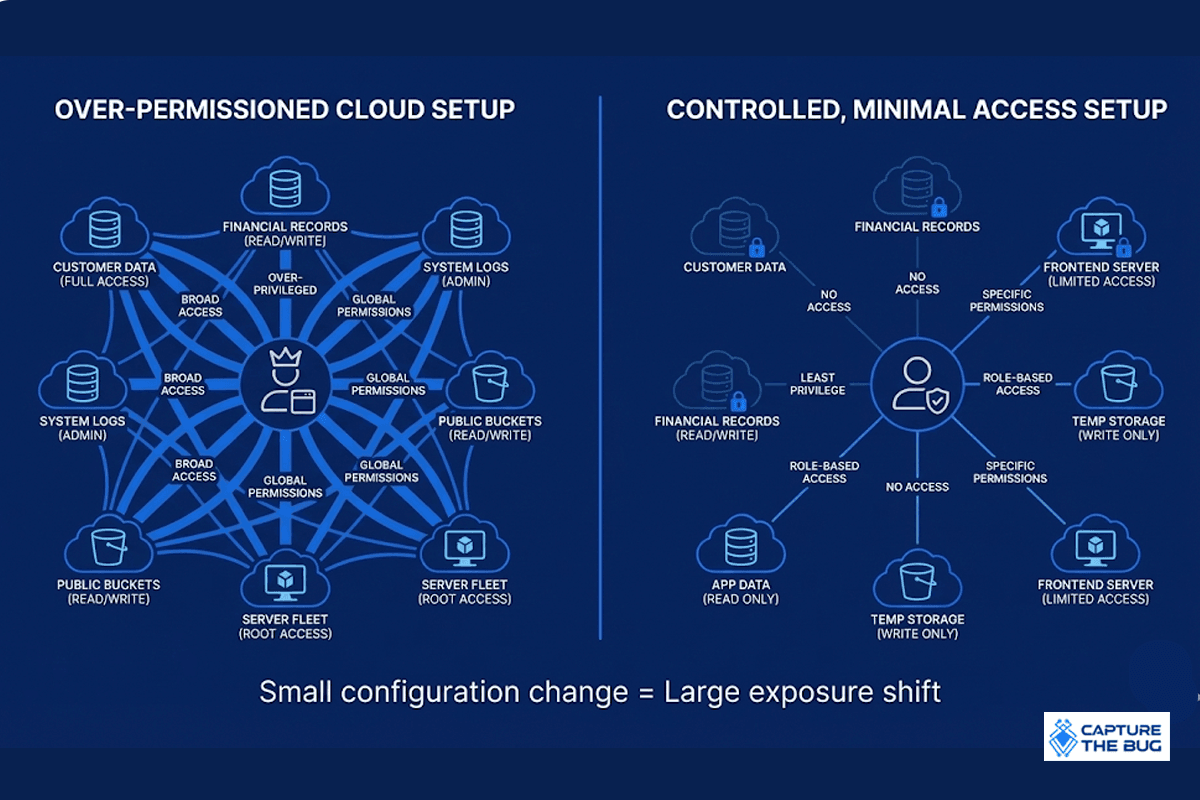
Cloud Misconfiguration Remains a Leading Cause of Incidents
Despite years of warnings, misconfiguration continues to cause serious breaches.
The issue is not lack of tooling. It is complexity. Cloud environments change quickly. Permissions evolve. Temporary fixes become permanent by accident.
In 2026, organizations are realizing that visibility alone is not enough. They need continuous validation. Configuration drift must be detected early, not discovered during an incident or audit.
This trend is pushing companies to rethink how responsibility is shared between teams. Security ownership is becoming more explicit. Assumptions are being documented. Defaults are being questioned.
Cloud platforms offer enormous flexibility. In 2026, disciplined control is what separates safe growth from silent risk.
Regulatory Pressure Becomes More Subtle and More Serious
New regulations in 2026 are less about dramatic announcements and more about enforcement. Expectations around data protection, incident reporting, and governance are tightening quietly.
What is changing is tone. Regulators are less interested in policies and more interested in proof. They want to see evidence that controls work in practice, not just on paper.
This is pushing organizations toward continuous assurance rather than annual preparation. Waiting until audit season is no longer viable.
For executives, this means cybersecurity posture now affects legal exposure directly. Security is not just a technical safeguard. It is a compliance strategy.
Incident Readiness Becomes a Competitive Advantage
In 2026, breaches are no longer shocking. How a company responds is what defines reputation.
Customers and partners expect transparency, speed, and competence. Delayed responses and vague explanations damage trust more than the incident itself.
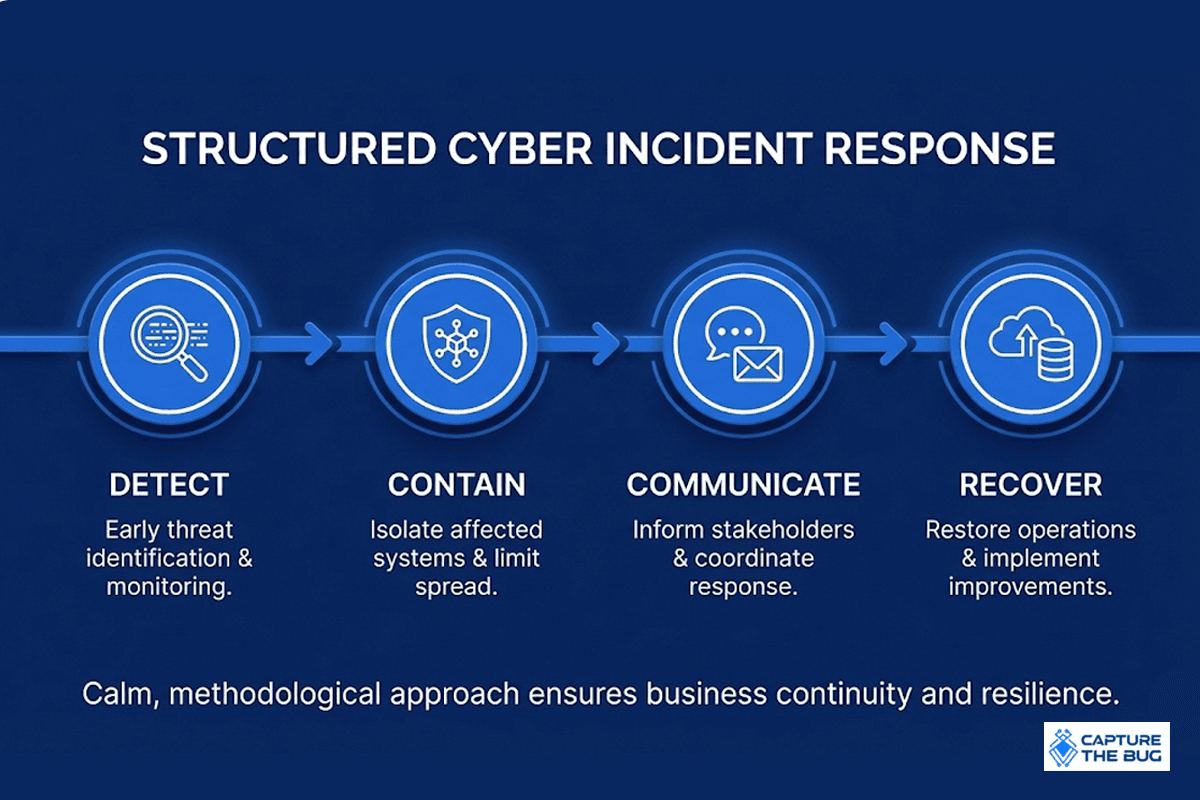
As a result, companies are investing more in readiness than in denial. Clear escalation paths, tested response plans, and practiced communication are becoming standard.
This trend reflects maturity. Accepting that incidents may happen allows teams to minimize impact when they do.
Prepared organizations recover faster. They retain trust. They demonstrate leadership under pressure.
Security Becomes a Leadership Responsibility
Perhaps the most important trend of 2026 is cultural.
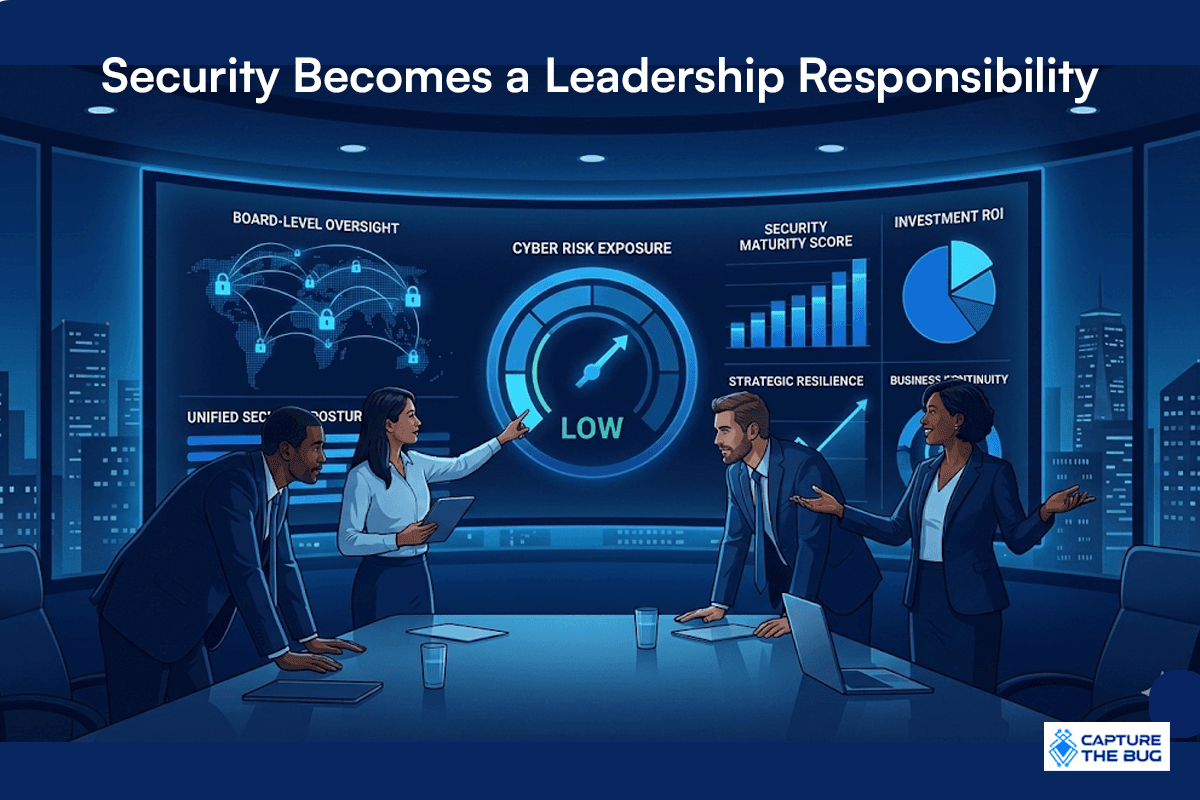
Cybersecurity is no longer seen as a specialist concern. It is a leadership issue. Decisions about growth, partnerships, and product direction all carry security implications.
Executives are being held accountable for risk posture. Boards are asking better questions. Founders are expected to understand trade-offs, not just delegate them.
This shift changes how security teams operate. They are no longer shouting from the sidelines. They are part of strategic conversations.
Organizations that embrace this shift move faster with less fear. Those that resist it struggle under growing pressure.
Where Capture The Bug Fits In
Across these trends, one pattern is clear. Security is moving from static checks to continuous confidence.
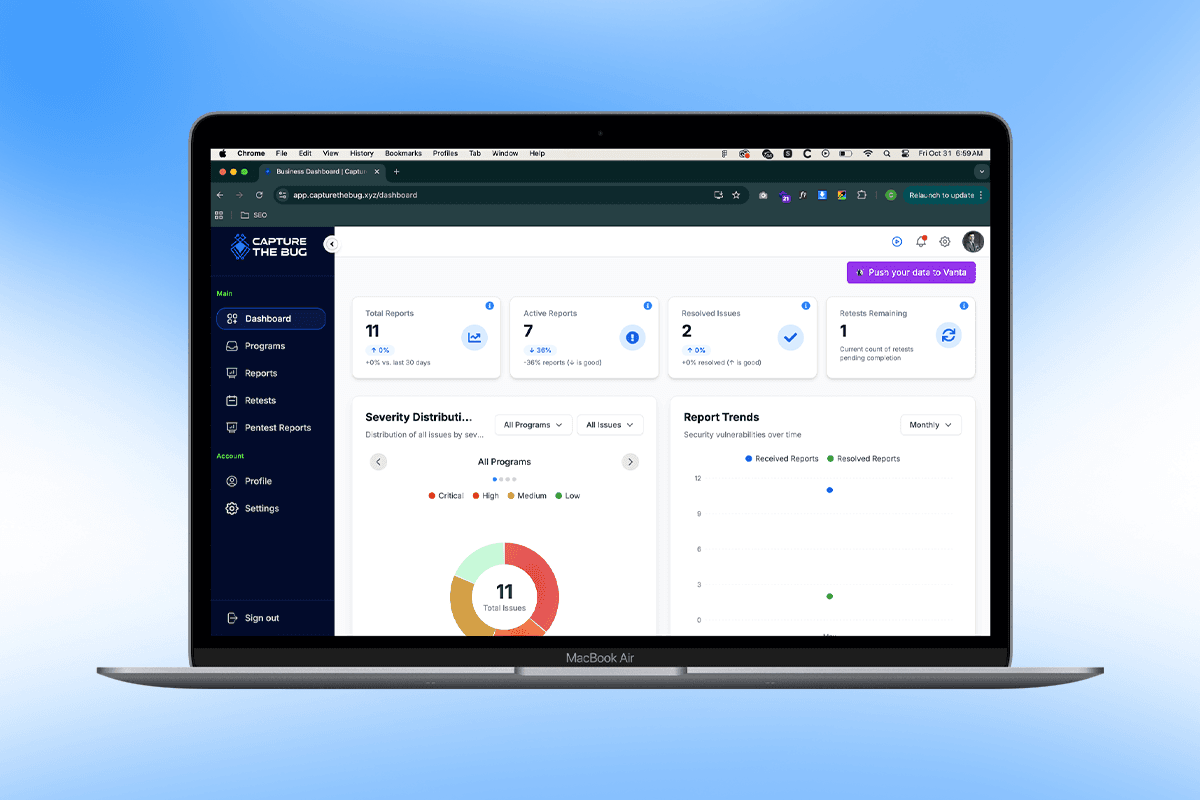
Capture The Bug works with companies that want clarity, not noise. The focus is on real exposure, real fixes, and real progress. CREST-certified testing, live visibility, and ongoing validation help teams understand where they stand today, not months ago.
In 2026, confidence comes from knowing, not hoping.
Final Thoughts
Cybersecurity trends in 2026 are not about chasing the next big idea. They are about tightening fundamentals and aligning security with how businesses actually operate.
The companies that succeed will be those that treat security as part of leadership, not a last-minute safeguard. They will build systems that assume change, verify continuously, and respond calmly when pressure arrives.
Security is no longer a cost of doing business. It is part of earning trust.
Cybersecurity Trends 2026: FAQ
What is the biggest cybersecurity trend for 2026?
The shift toward continuous validation of access, identity, and configuration, rather than relying on periodic checks.
Why is identity so important in modern cybersecurity?
Because most breaches begin with misuse of legitimate access, making identity the primary control point.
Are passwords still a major risk in 2026?
Yes, which is why many organizations are moving toward passwordless access for critical systems.
Why is supply chain security such a focus now?
Because modern software depends on many external components, and a single compromise can affect thousands of companies.
How should leadership teams approach cybersecurity in 2026?
By treating it as a strategic responsibility tied to trust, compliance, and long-term growth.