How to Get ISO 27001 Certification: A Complete Guide
Information security is no longer optional. For SaaS companies, fintech firms, healthcare providers, and enterprises selling into regulated markets, ISO 27001 has become a baseline expectation.
Procurement teams ask for it. Partners require it. Customers trust it. Yet many organisations delay ISO 27001 because it feels complex, expensive, or disconnected from real operations.
This guide explains how ISO 27001 certification actually works in practice. Not theory. Not checklists. A clear, real world walkthrough based on how companies successfully get certified and maintain it long term.
It is written from a company perspective and reflects how organisations approach ISO 27001 in a practical, sustainable way.
What ISO 27001 Certification Really Means
ISO 27001 is an international standard for building and operating an Information Security Management System, commonly referred to as an ISMS.
Certification confirms that an organisation:
- Understands its information security risks
- Has controls in place to manage those risks
- Reviews and improves security on an ongoing basis
- Can demonstrate governance and accountability
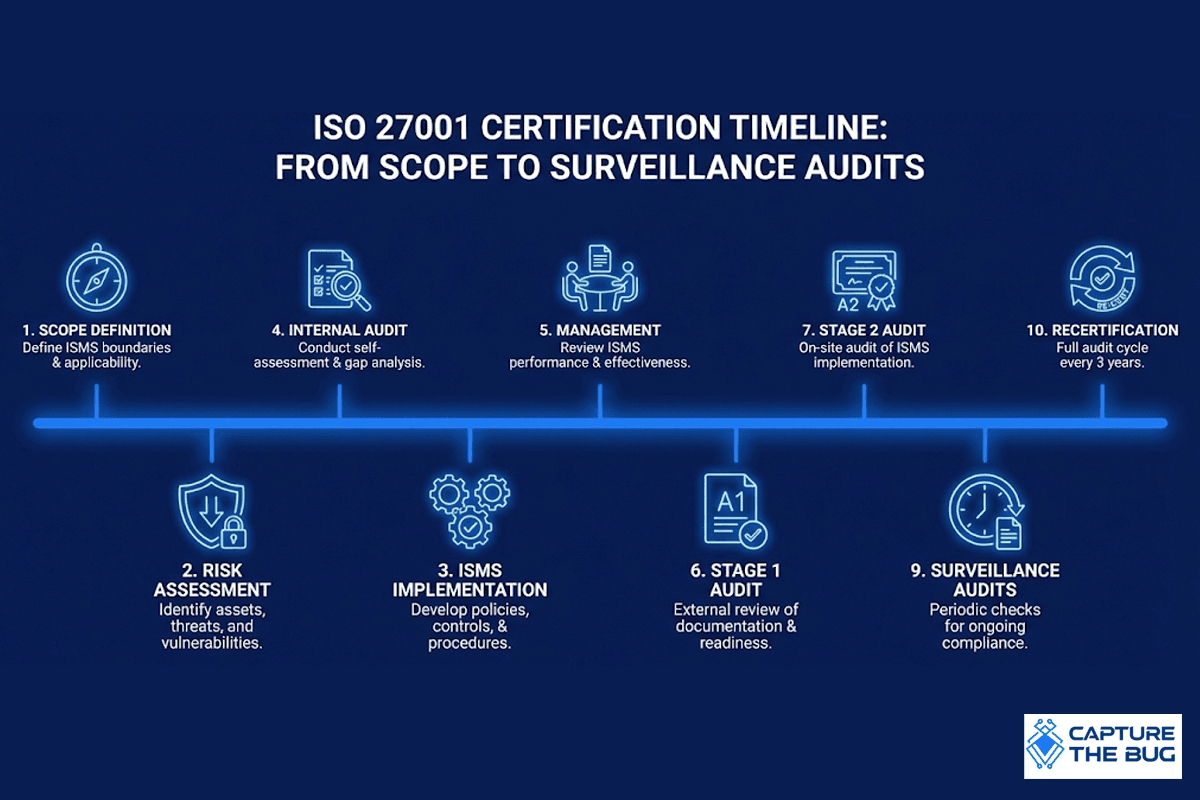
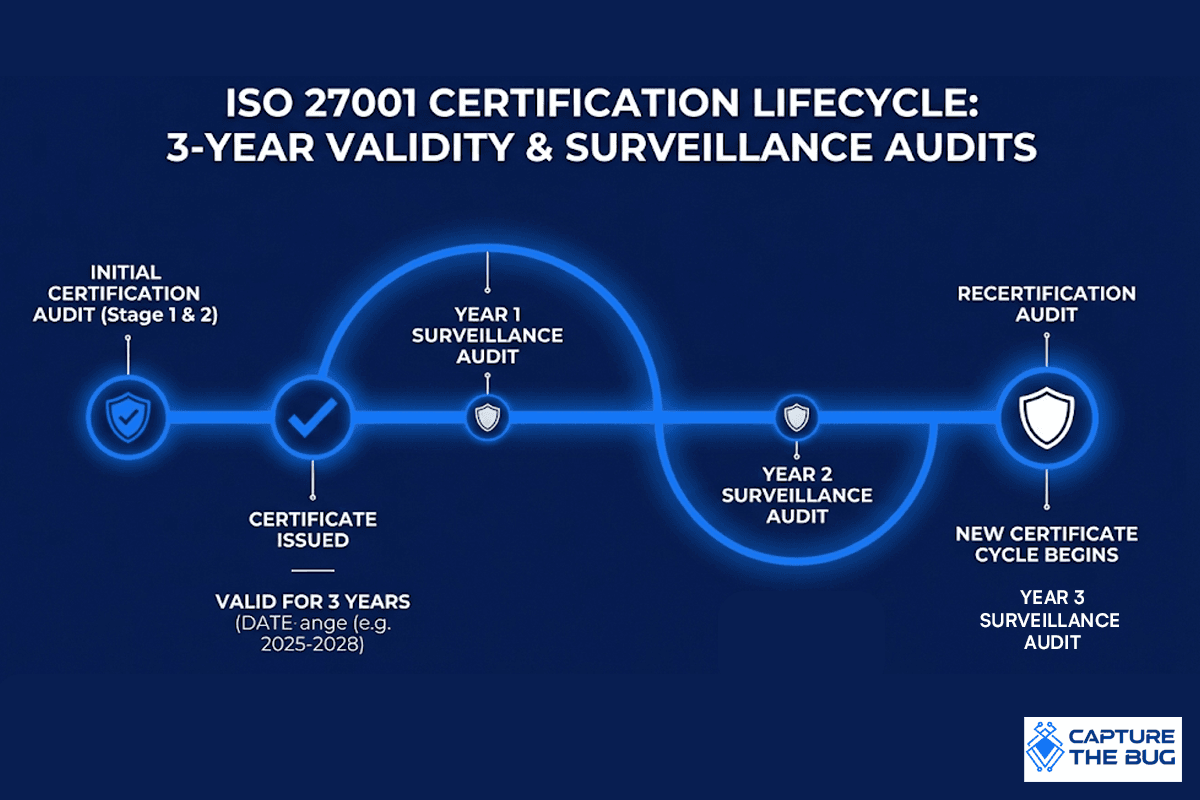
Certification is issued by an independent accredited body. It is valid for three years, with annual surveillance audits to confirm the ISMS continues to operate as intended.
ISO 27001 does not claim that breaches will never happen. It proves that security risks are managed deliberately, consistently, and transparently. That distinction matters to customers, regulators, and leadership teams.
Why ISO 27001 Matters for Modern Businesses
A trusted signal for stakeholders
Security promises are easy to make and hard to verify. ISO 27001 provides a globally recognised benchmark that removes ambiguity. It gives customers and partners confidence that security is not just a claim.
Security becomes a leadership responsibility
ISO 27001 requires management involvement. Risks are reviewed at leadership level. Decisions are documented. Security becomes part of how the business is governed, not an isolated technical function.
Faster enterprise sales and partnerships
Many organisations find that ISO 27001 shortens procurement cycles. It reduces repeated security questionnaires and builds trust early in enterprise conversations.
Step 1: Define the ISMS Scope
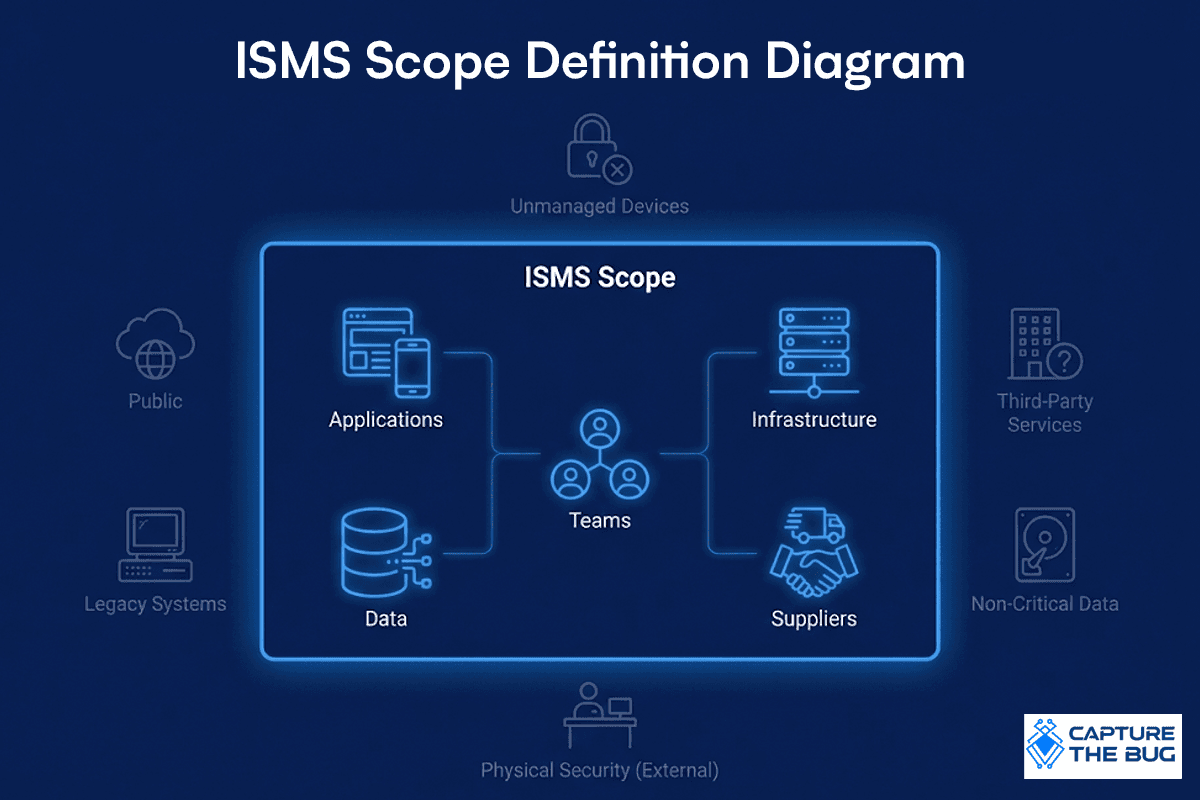
The scope defines what is covered by the ISMS. This includes systems, teams, locations, data, and third parties. This step is critical and often misunderstood.
A realistic scope usually focuses on systems that process sensitive or regulated data, products or services delivered to customers, teams responsible for operating those systems, and key suppliers that affect security outcomes.
Trying to include everything often slows progress. Excluding critical systems creates audit risk. The scope must be clearly documented, including any exclusions and their justification. Auditors assess the entire certification through this scope.
Step 2: Document Policies and Operating Procedures
Once the scope is set, the organisation documents how information security is managed day to day.
Core documentation typically includes: an information security policy, access management policy, asset management process, incident response procedure, business continuity and recovery planning, and supplier security approach.
The most important rule is accuracy. Policies must reflect how teams actually operate. Auditors consistently flag documents that look good on paper but do not match reality. Well written policies act as operational guidance, not shelfware.
Step 3: Conduct Risk Assessment and Risk Treatment
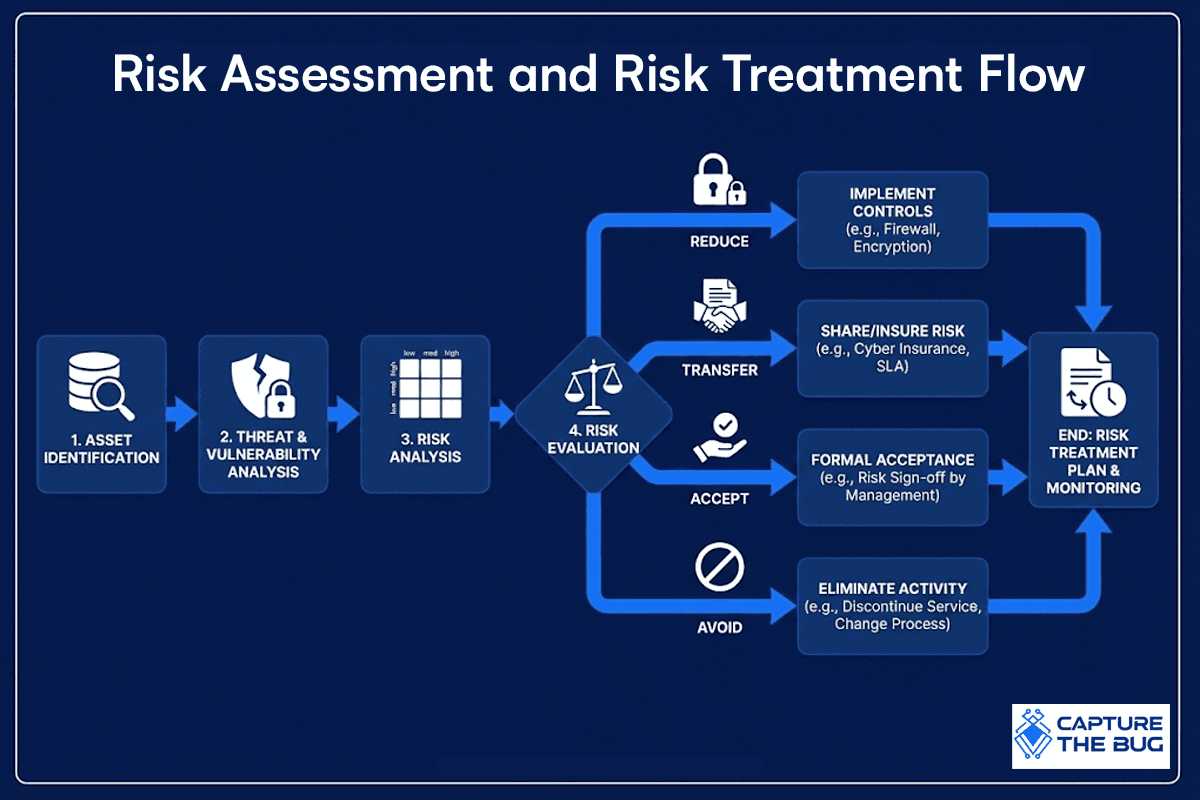
Risk assessment is the foundation of ISO 27001. The organisation identifies assets within scope, threats to those assets, potential business impact, and likelihood of occurrence.
Each risk is evaluated and assigned a treatment decision: reduce, transfer, avoid, or accept. The goal is not to eliminate all risk but to show structured, reasoned decision making.
The risk register must remain current. New systems, vendors, or markets require updates. Auditors look closely at how risks evolve with the business.
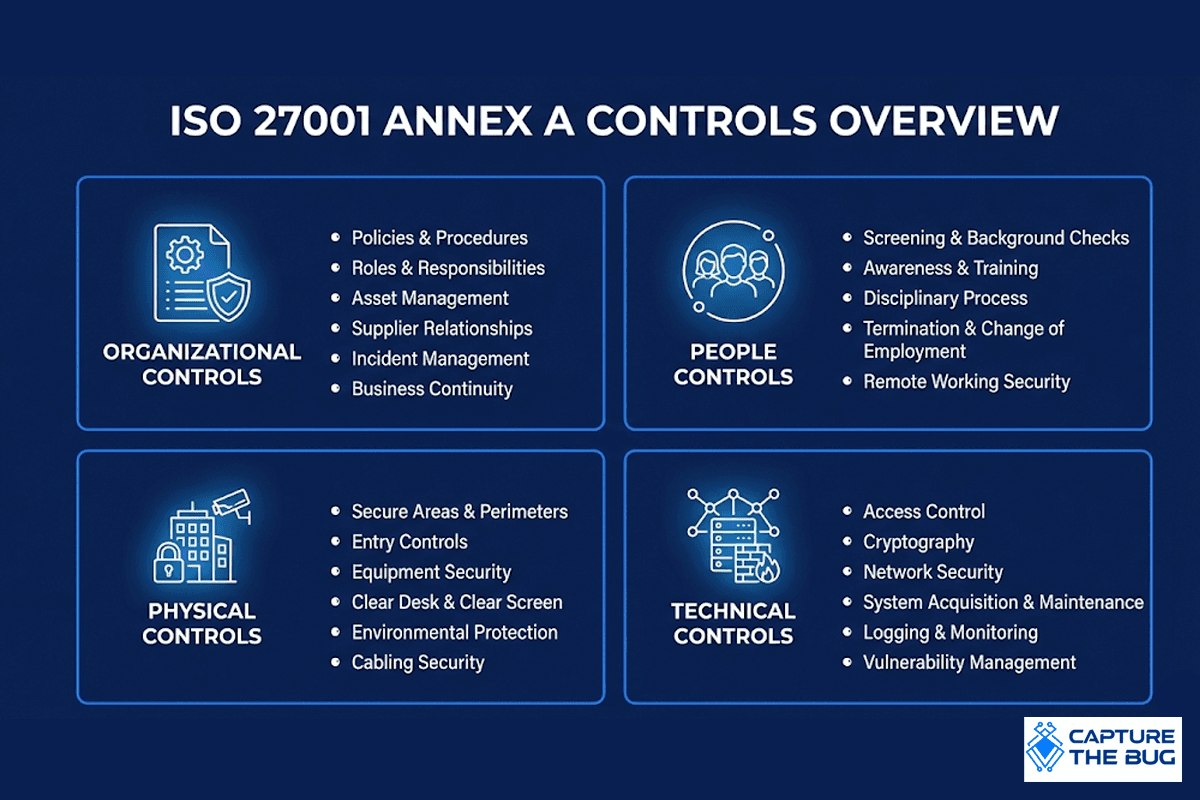
Step 4: Apply Annex A Controls
Annex A contains security controls across organisational, people, physical, and technical areas. Not every control is mandatory.
Controls are selected based on risk assessment outcomes and documented in the Statement of Applicability. Auditors evaluate whether selected controls address identified risks, are implemented effectively, and have evidence to support ongoing operation.
Annex A is not a checklist. It is a toolbox that must align with real business risks.
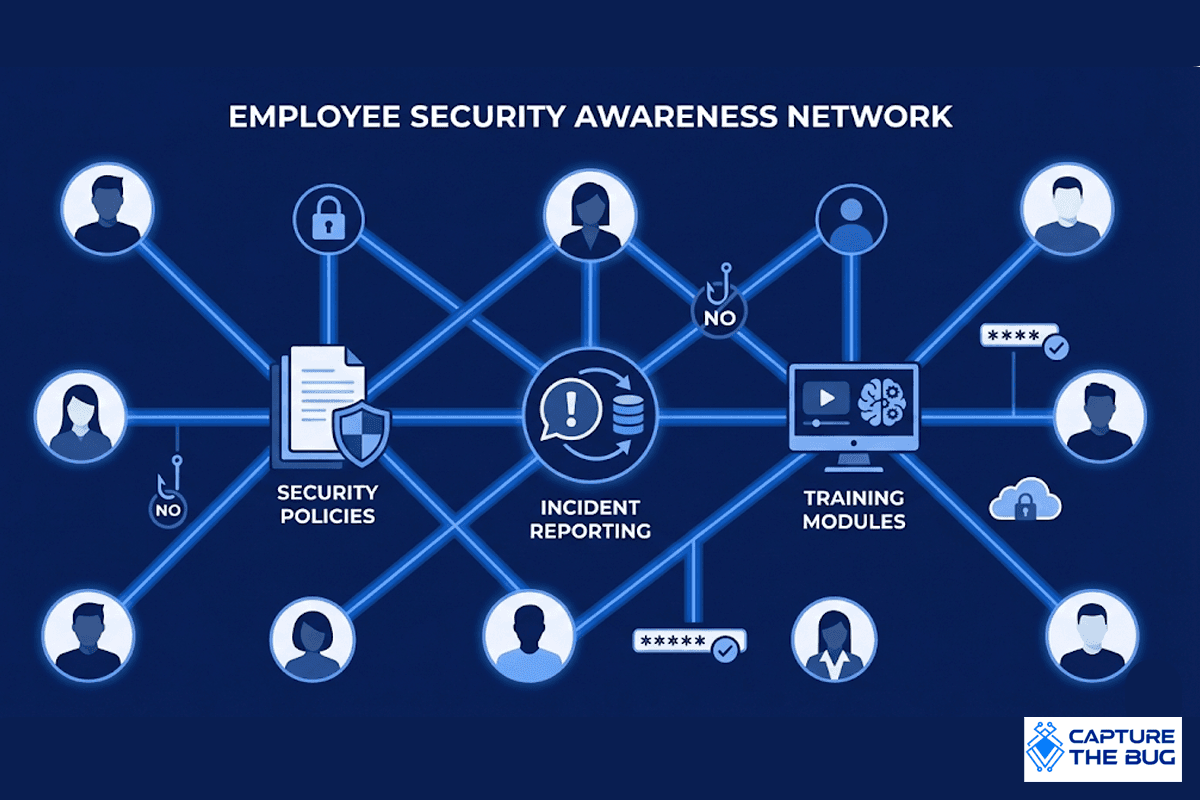
Step 5: Train Employees and Build Security Awareness
Security fails when people do not understand their role. ISO 27001 requires that employees know the security policy, understand their responsibilities, know how to report incidents, and understand the consequences of noncompliance.
Effective programmes include role-specific training, regular refreshers, measurable participation, and visible leadership involvement. Auditors validate awareness through interviews, training records, and participation metrics.
Strong awareness programmes often reduce incidents well before certification is achieved.
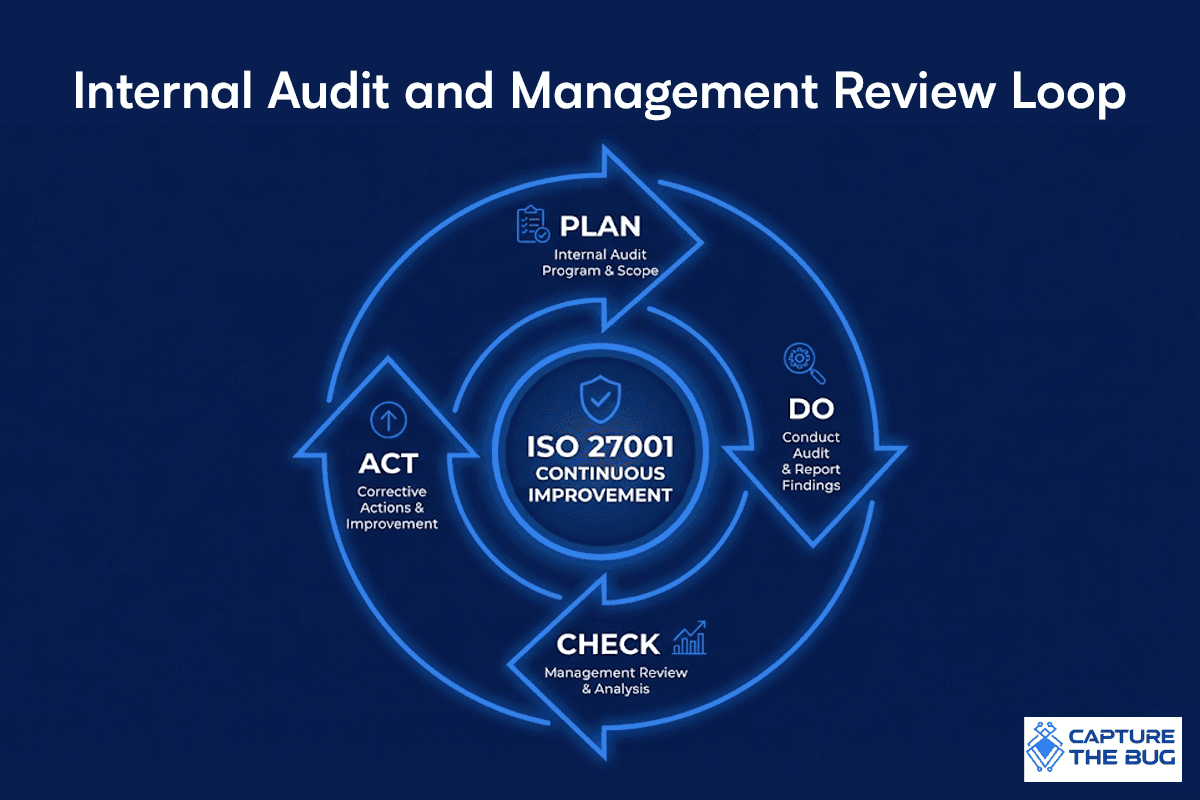
Step 6: Run Internal Audit and Management Review
Before engaging an external auditor, organisations must assess themselves. Internal audits verify whether controls operate as documented, evidence exists, and gaps are identified and addressed.
Management reviews ensure leadership reviews security performance, approves corrective actions, allocates resources, and aligns security with business objectives.
These steps demonstrate governance maturity and prevent surprises during certification audits.
Step 7: Select an Accredited Certification Body
Certification bodies must be properly accredited. Well-known bodies include BSI, TÜV SÜD, and LRQA. Selection should consider industry experience, audit approach, global recognition, and communication style.
A good auditor challenges constructively and provides clear guidance. The cheapest option often creates long-term friction.
Step 8: Stage 1 Audit – Documentation Review
Stage 1 evaluates whether the ISMS is ready for full assessment. Auditors review the ISMS scope, risk register, policies and procedures, Statement of Applicability, and internal audit and management review records. Findings at this stage guide final preparation before the main audit.
Step 9: Stage 2 Audit – Operational Verification
Stage 2 validates that the ISMS works in practice. Auditors interview staff, review evidence, validate control operation, assess incident handling, and review risk management decisions. Preparation and transparency significantly reduce audit stress.
Step 10: Certification and Surveillance Audits
Once findings are resolved, certification is issued for three years. Annual surveillance audits confirm that controls remain effective, risks are updated, and improvements are implemented.
Organisations that treat ISO 27001 as a living system rarely struggle with surveillance audits.
How Capture The Bug Supports ISO 27001 Readiness
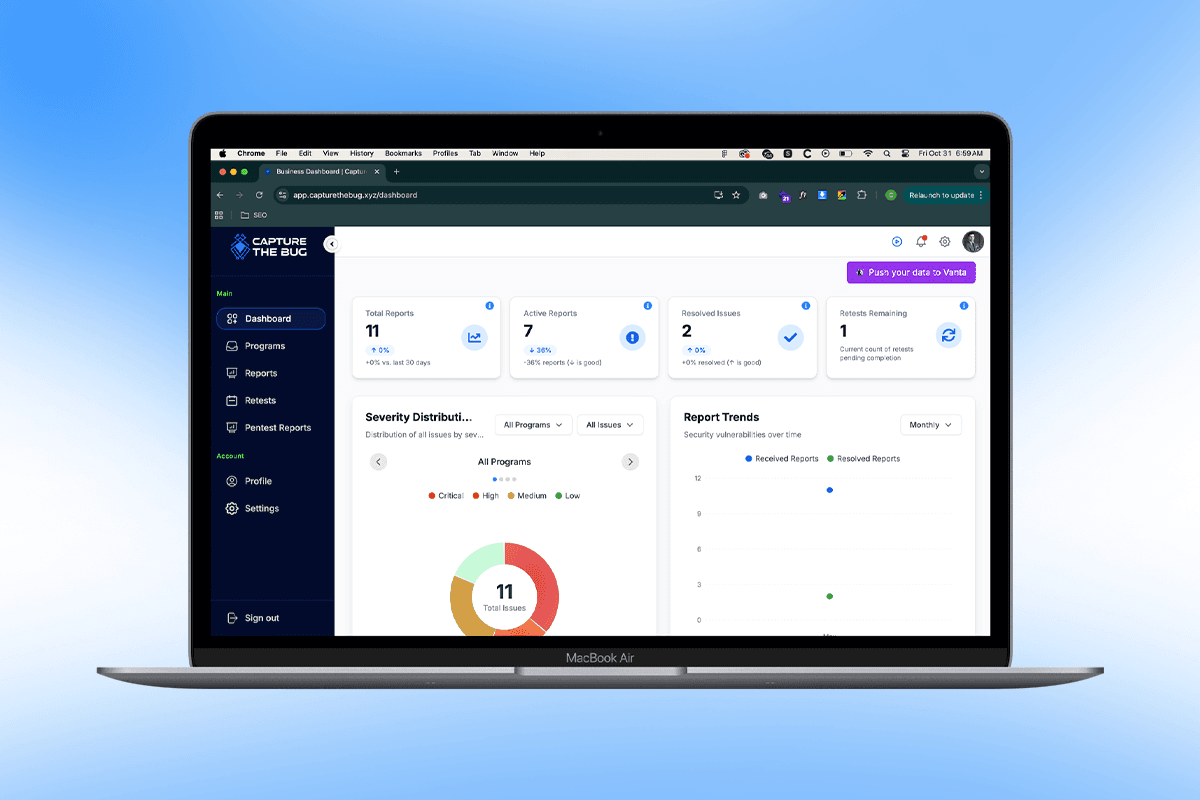
Capture The Bug works with organisations that want ISO 27001 to strengthen trust without slowing delivery. Our approach focuses on mapping real security practices to ISO requirements, validating technical controls clearly, producing audit-ready evidence, and supporting long-term improvement rather than one-time compliance.
Final Thoughts
ISO 27001 certification is not about passing an audit. It is about building a system that scales with the business, supports customer trust, makes security measurable, and aligns leadership with risk decisions.
Organisations that approach ISO 27001 thoughtfully often find that certification becomes a natural outcome of good security practice.
Frequently Asked Questions
How long does ISO 27001 certification take?
Most organisations complete certification within six to twelve months depending on size and maturity.
Who issues ISO 27001 certification?
Accredited independent certification bodies issue ISO 27001 certificates after successful audits.
Is ISO 27001 suitable for small businesses?
Yes. The standard is scalable and applicable to organisations of any size.
What is required to maintain certification?
Annual surveillance audits, updated risk assessments, and ongoing management review.
Does ISO 27001 guarantee security?
No. It demonstrates structured risk management and governance, not the absence of incidents.