Healthcare Data Breach Statistics 2025 Roundup
Discover how the healthcare sector became the top target for cyberattacks in 2025 and what security leaders are doing to prevent the next crisis.
The Costliest Year Yet for Healthcare Security
If there is one industry that cannot afford a data breach, it is healthcare. Every patient record is a goldmine for cybercriminals filled with personal, medical, and financial details that cannot simply be reset like a password.
2025 has been a record-breaking year for data exposure. Despite stronger compliance frameworks and greater awareness, healthcare continues to lead every global cybersecurity report in both cost and frequency of breaches. Let's break down what the data tells us and what lessons the industry must carry into 2026.
1. The State of Healthcare Data Breaches in 2025
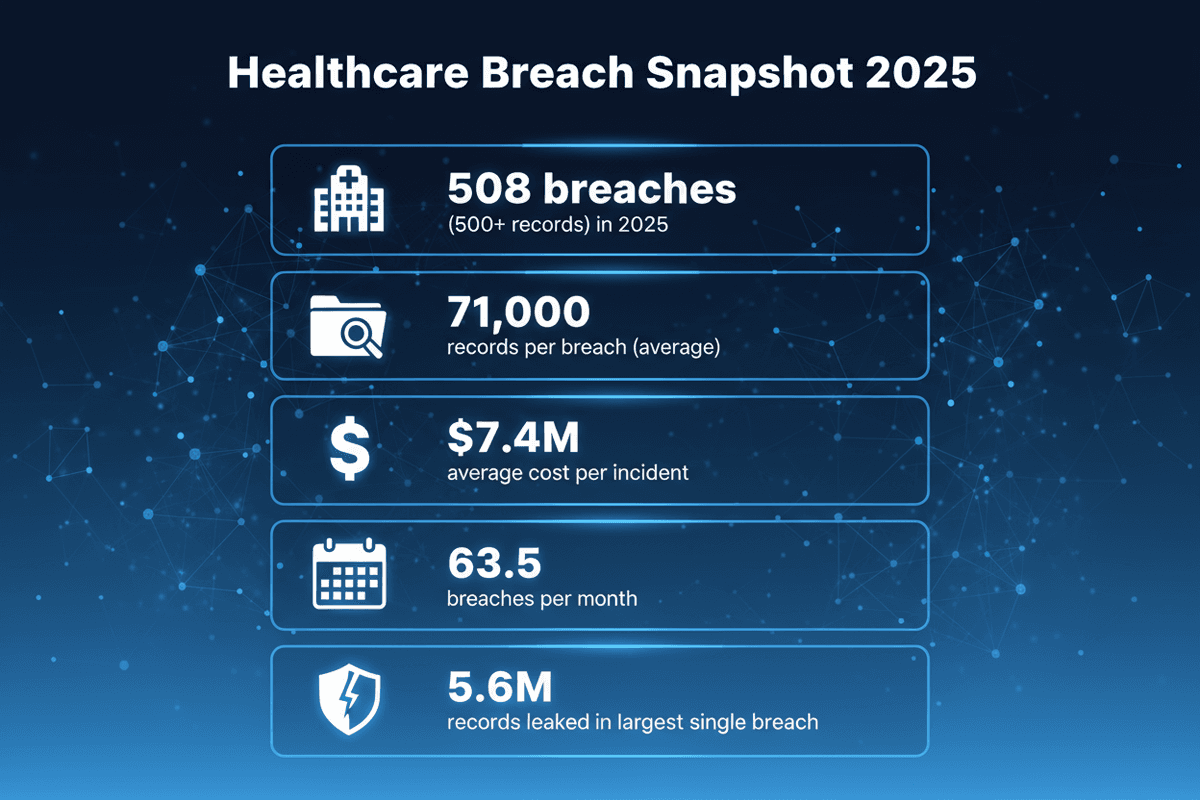
By mid-2025, more than 508 healthcare data breaches affecting over 500 individuals were reported to the US Department of Health and Human Services. That equals an average of 63 breaches per month and nearly 71,000 records compromised per incident.
Globally, the trend is similar:
- Healthcare breaches cost an average of $7.4 million per incident, the highest of any industry.
- Each record exposed costs an average of $398 to contain and remediate.
- In Australia and New Zealand, healthcare accounted for nearly 30% of reported data breaches in the first half of 2025.
- The largest incident so far, at Yale New Haven Health, affected 5.6 million patients.
The numbers confirm one reality: compliance does not equal security.
2. Why Healthcare Remains the Top Target
Attackers follow value, and healthcare offers plenty of it.
Data Longevity
Medical records cannot be changed. Once stolen, they retain value for years. Identity theft, insurance scams, and medical fraud often stem from a single exposed record.
Outdated Infrastructure
Many healthcare systems still run on legacy software that was never designed for today's connected, cloud-based environments. This gap makes hospitals especially vulnerable.
High Urgency, Low Tolerance
When operations impact patient safety, every minute counts. Ransomware actors know this and use urgency as leverage, often forcing payment under pressure.
Human Error
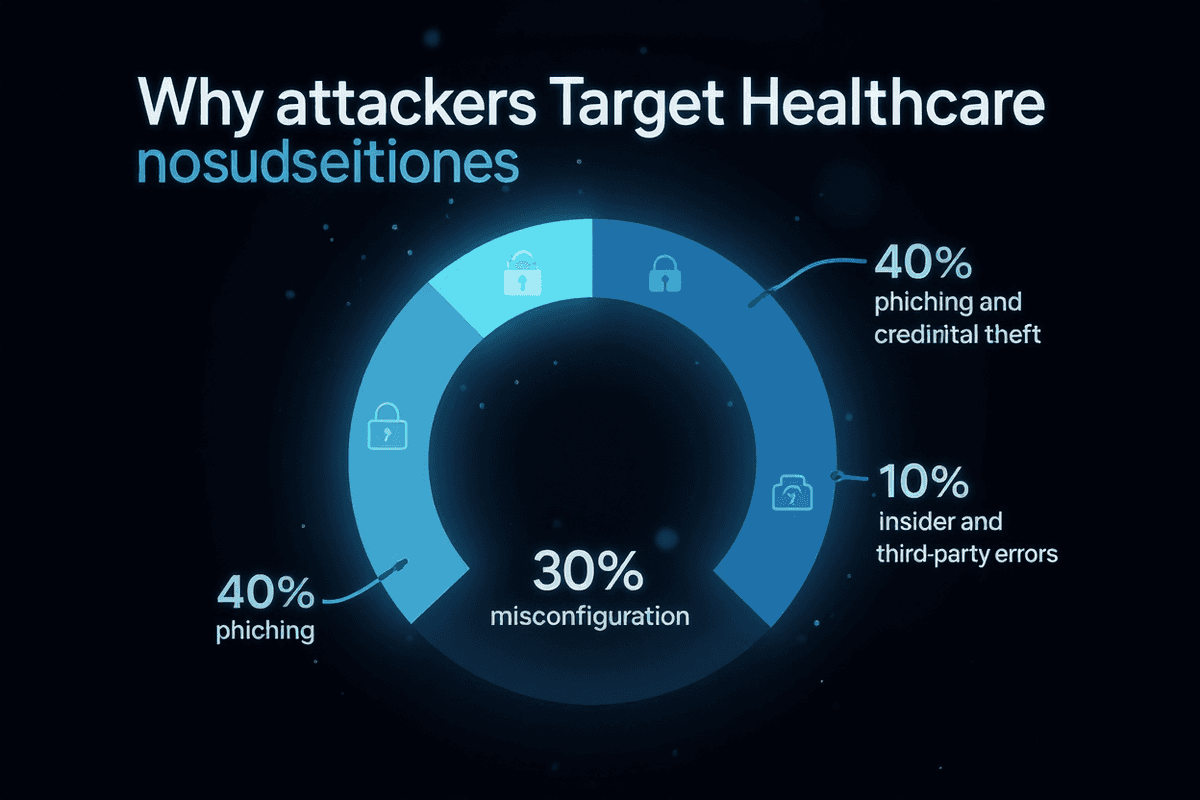
Phishing remains the number one entry point for attackers. In 2025, over 62% of healthcare organizations admitted to successful phishing attempts leading to credential compromise. Healthcare's biggest weakness is not lack of awareness. It is delay. Detection and remediation often come too late.
3. Attack Vectors Defining 2025
Ransomware
Ransomware continues to dominate breach headlines. Healthcare now represents 17% of all ransomware incidents worldwide. Average ransom demand reached $7 million, with the highest demand recorded at $100 million. Beyond encryption, data theft and double extortion became standard practice.
Phishing and Account Compromise
Credential theft remains the leading cause of healthcare breaches:
- 74% of cloud-based healthcare systems suffered account-related attacks.
- 31% of organizations reported compromised administrative accounts.
- Nearly half of phishing emails used AI-generated language to mimic internal communication.
Misconfiguration and API Exposure
Modern hospitals rely heavily on APIs and cloud integrations. 25% of reported incidents originated from misconfigured servers or exposed development endpoints.
4. The Financial Fallout
Detection times are improving but remain painfully slow. The average time to identify and contain a breach in healthcare fell to 241 days, down from 258 last year. Each additional day adds cost and reputational damage.
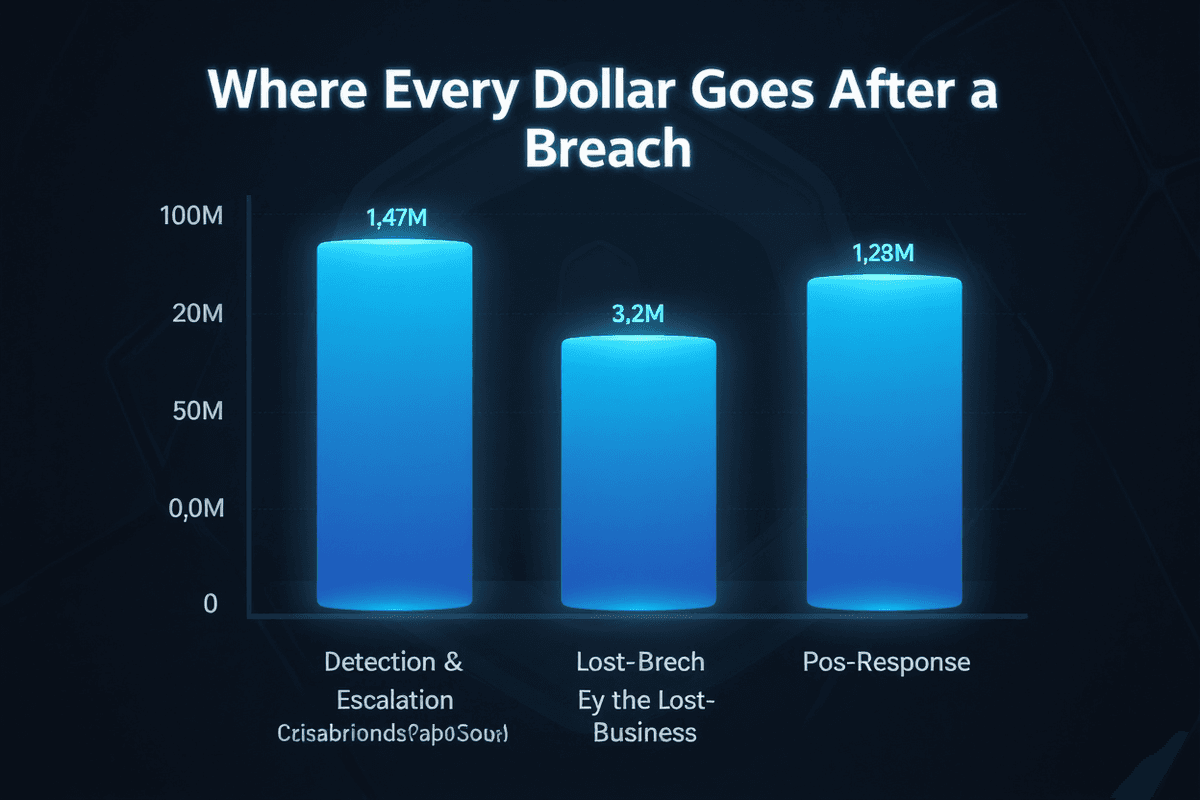
Breakdown of average costs:
- Detection and escalation: $1.47 million
- Lost business: $1.38 million
- Post-breach response: $1.2 million
Nearly half of breached organizations increased service costs to recover losses, and more than 40% still lack a defined policy to prevent unauthorized access.
5. Compliance Alone Is Not Protection
Healthcare is one of the most regulated sectors in the world, but compliance is a snapshot of the past. It proves you were compliant yesterday, not that you are secure today. Security in 2025 demands continuous validation evidence that systems are protected right now. That shift is why many healthcare providers are adopting ongoing security testing through Penetration Testing as a Service (PTaaS).
6. Continuous Testing: A Modern Defense
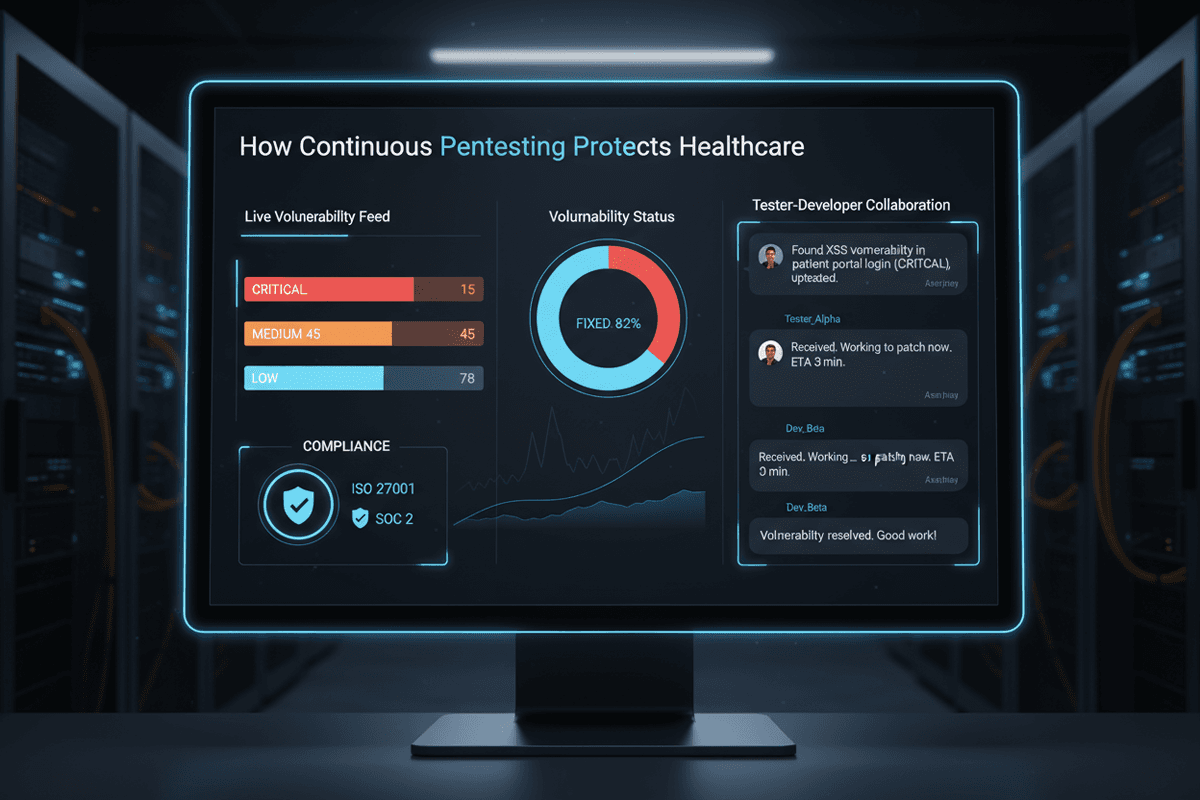
Static, annual penetration testing cannot keep up with the speed of healthcare's digital transformation. Every new integration or code update introduces new risks. Continuous pentesting changes that model by testing systems every day, not once a year.
In practice, this means:
- Vulnerabilities appear in real time instead of weeks later.
- Security teams can fix and retest immediately.
- Compliance-ready reports are available on demand.
- Risk exposure windows shrink from months to hours.
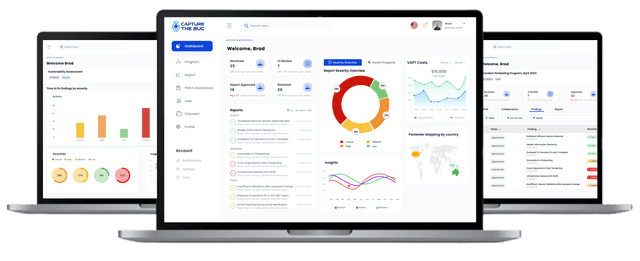
Capture The Bug's PTaaS platform brings this approach to life, combining CREST-certified human expertise with live dashboards that give healthcare teams clear, actionable visibility. Continuous testing turns security from a reaction into a rhythm.
7. Key Lessons for Healthcare Security Leaders
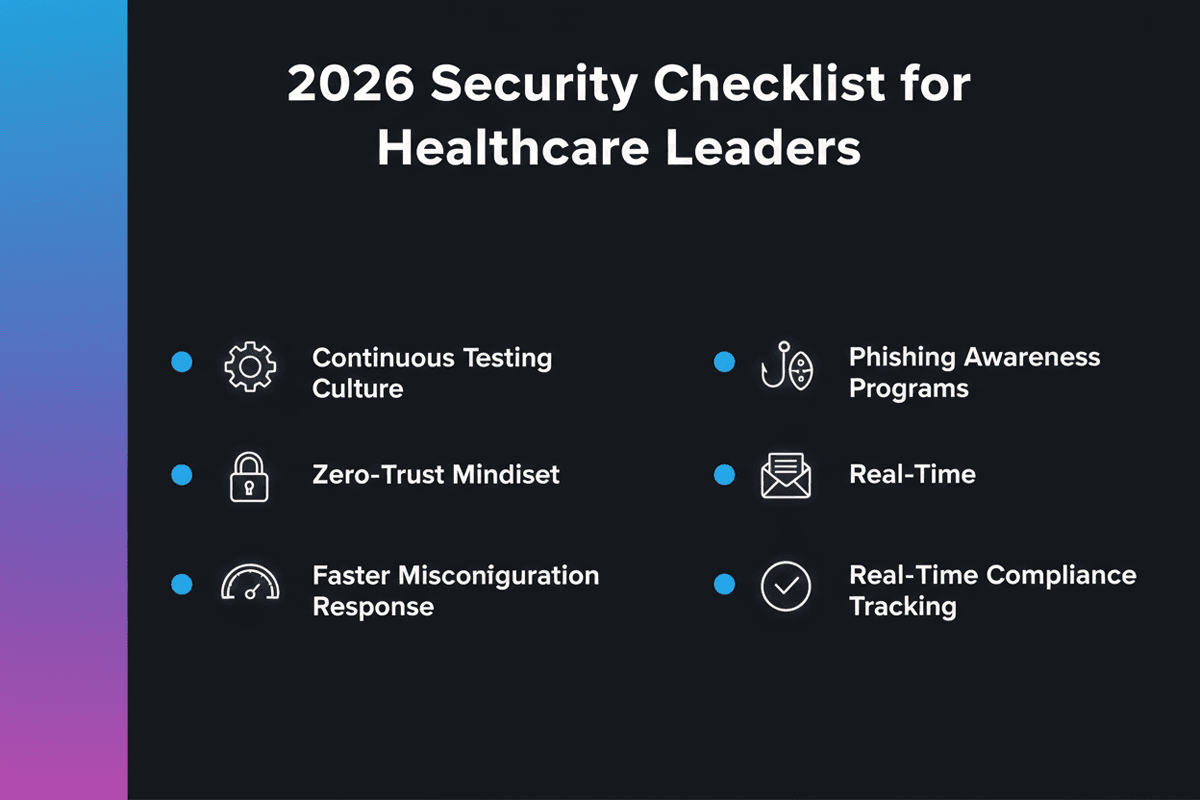
- Move from annual audits to continuous assurance. Real-time testing delivers faster validation and fewer blind spots.
- Treat configuration errors as critical incidents, not minor issues.
- Reinforce phishing awareness training regularly to counter AI-generated lures.
- Include third-party systems and APIs in every security review.
- Invest in visibility, not just technology. A live vulnerability dashboard provides measurable control.
Final Thoughts: The Price of Delay
Every update, every integration, every unmonitored vendor connection adds risk. Attackers no longer wait for audit cycles, and neither should defenders.
In 2025, the healthcare providers staying secure are not those spending the most, but those testing continuously and responding in real time. When patient trust and safety are on the line, prevention is not optional. It is the new standard of care.
Experience Capture The Bug Platform
Streamline your security testing with our PTaaS platform. Collaborate with expert testers, track vulnerabilities, and secure your applications effortlessly.
Frequently Asked Questions
1. How much do healthcare data breaches cost in 2025?
The global average cost is $7.42 million per incident, the highest across all sectors.
2. What causes most healthcare breaches?
User account compromise and phishing, followed by ransomware and misconfigurations.
3. How many records were exposed in 2025?
An average of 71,000 records per breach, based on HIPAA data.
4. How can healthcare organizations reduce breach risk?
Adopt continuous penetration testing that combines real-time insights and human validation through platforms like Capture The Bug's PTaaS.
5. How long does recovery take after a breach?
Most healthcare providers take over 100 days to fully recover operations.
One platform to manage, track, and secure all your penetration tests.
Simplify your vulnerability management with Capture The Bug’s PTaaS platform where businesses and security experts collaborate seamlessly.