Pentesting in 2026: Insights, Trends, and Predictions
The future of security is not speed. It is a strategy.
Cybersecurity in 2026 is facing a quiet shift. Tools are becoming faster. Threats are becoming smarter. And the gap between the two is where risk lives.
Across global environments, vulnerabilities are being discovered at an unprecedented pace. Organizations are not short on alerts. They are short on clarity.
The real change is not just in the number of vulnerabilities. It is in how attackers operate, how defenders respond, and why traditional pentesting models are struggling to keep up.
Capture The Bug’s analysis of continuous pentesting engagements shows one clear reality. Point-in-time security is no longer enough.
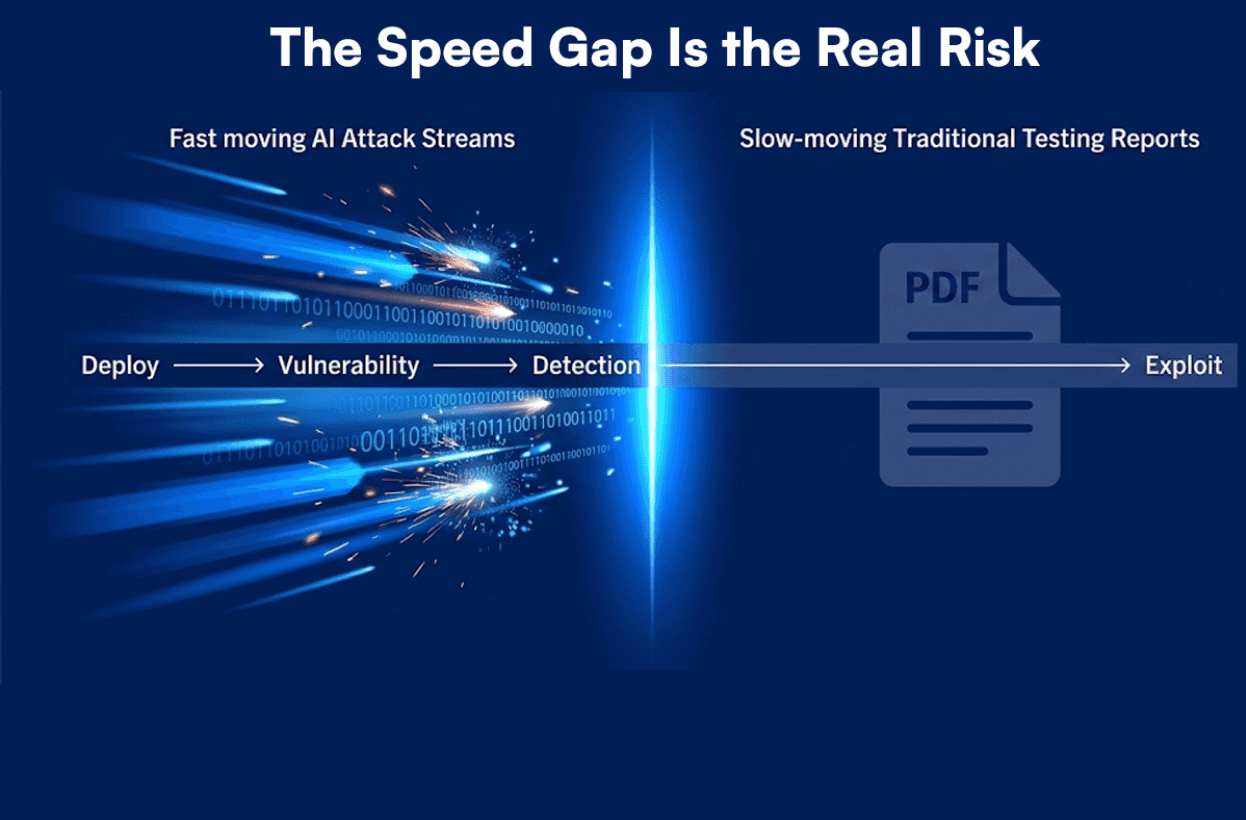
The Speed Gap Is the Real Risk
Attackers are not reinventing attacks. They are automating them.
AI-assisted exploit development has dramatically reduced the time between vulnerability discovery and weaponization. Many newly identified vulnerabilities did not exist even 12 months ago. They were generated, adapted, or chained together by automated tooling.
Meanwhile, many organizations still operate on static testing cycles.
That mismatch creates exposure.
When testing happens quarterly or annually, but infrastructure changes weekly, risk accumulates in the gap.
Capture The Bug sees this consistently across SaaS, fintech, and enterprise environments. The issue is not lack of scanning. It is lack of continuous validation.
Security must move at the pace of development.
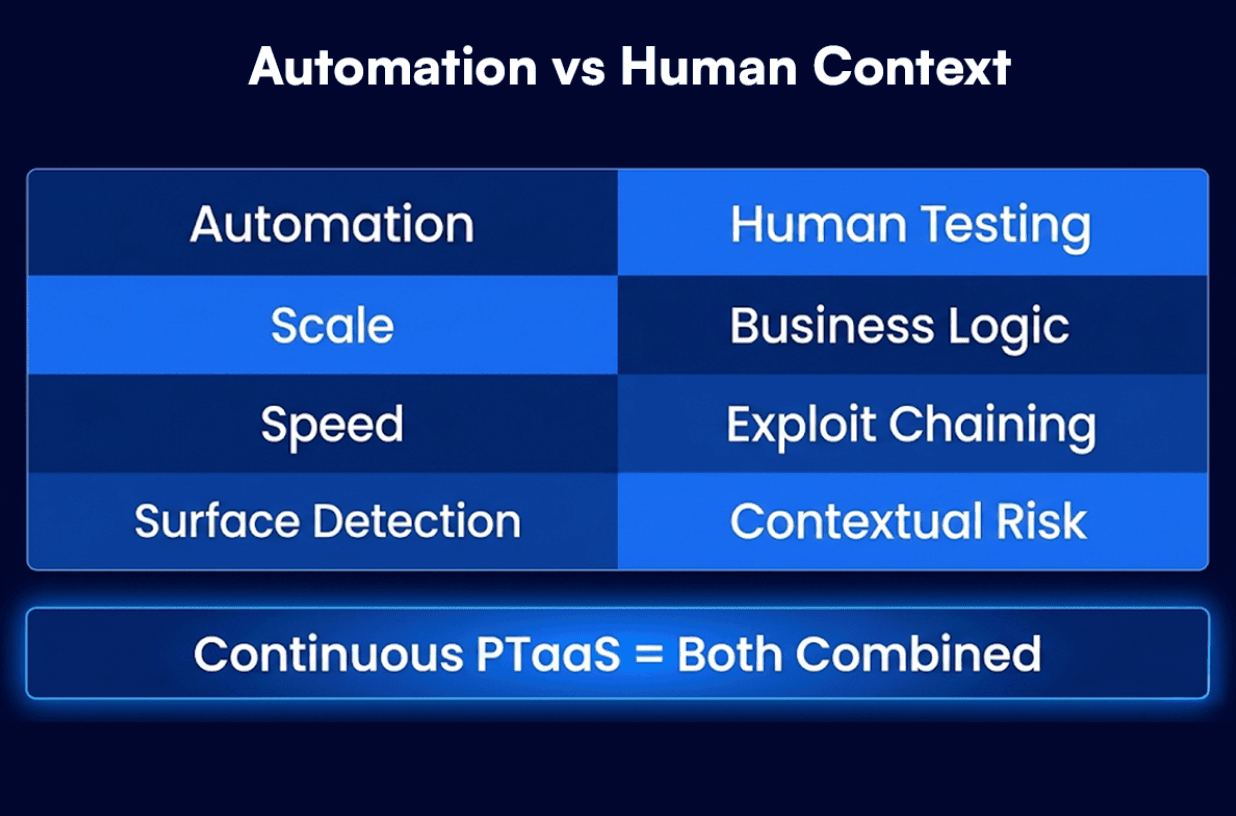
Automation Scales. Human Context Still Wins.
Automation is essential in 2026.
It increases coverage. It monitors continuously. It identifies surface-level weaknesses quickly.
But automation alone does not uncover business logic flaws, chained exploits, or contextual privilege escalation paths.
Capture The Bug’s continuous PTaaS model combines:
- Automated reconnaissance for scale
- Human validation for accuracy
- Real-time collaboration for faster remediation
Automation finds breadth. Human testers find impact.
In 2026, both are mandatory.
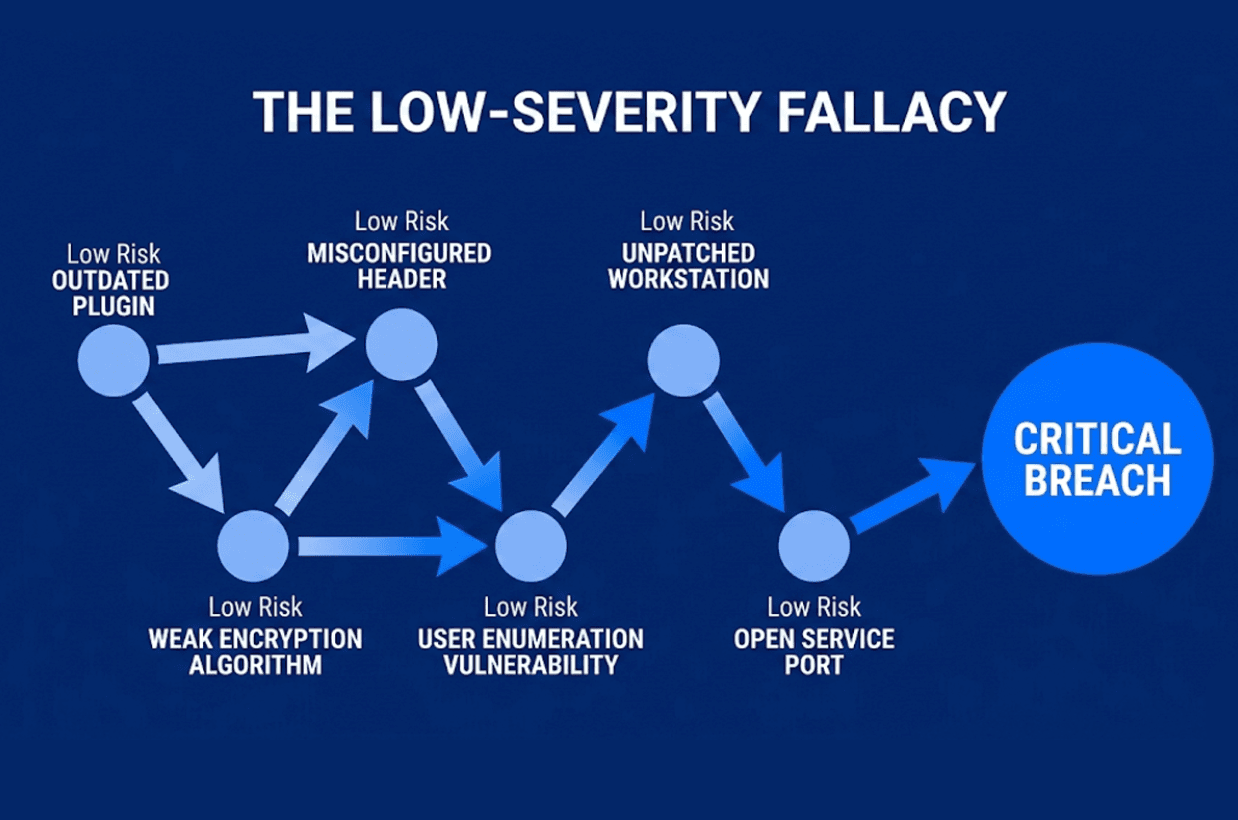
The Low-Severity Fallacy
One of the most dangerous misconceptions in modern security is the idea that low severity means low risk.
Many breaches do not begin with critical vulnerabilities. They begin with small, overlooked misconfigurations:
- Relaxed CORS policies
- Missing headers
- Excessive permissions
- IDOR exposure
- Minor access control gaps
Individually, these look harmless. Chained together, they become entry points.
Capture The Bug continuously tests for exploit chains, not just isolated findings. Because attackers do not attack based on severity labels. They attack based on opportunity.
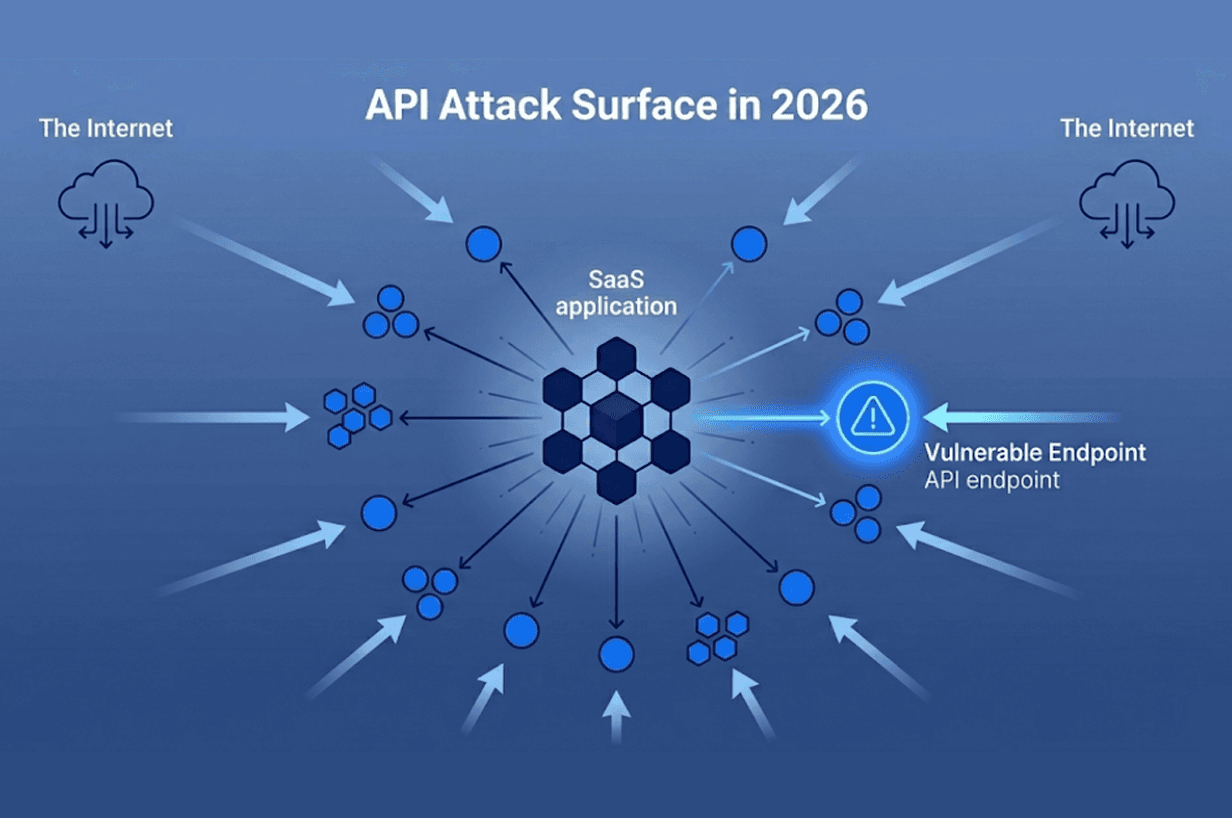
APIs: The Quiet Attack Surface
Web applications still receive most security attention. APIs do not.
In 2026, APIs power authentication, payments, integrations, and data exchange. Yet many remain under-tested and over-trusted.
Modern breaches increasingly originate from:
- Broken object-level authorization
- Excessive data exposure
- Token mismanagement
- Improper rate limiting
Continuous API testing is no longer optional.
Capture The Bug’s PTaaS platform focuses heavily on API-specific attack vectors, ensuring coverage extends beyond traditional web scanning.
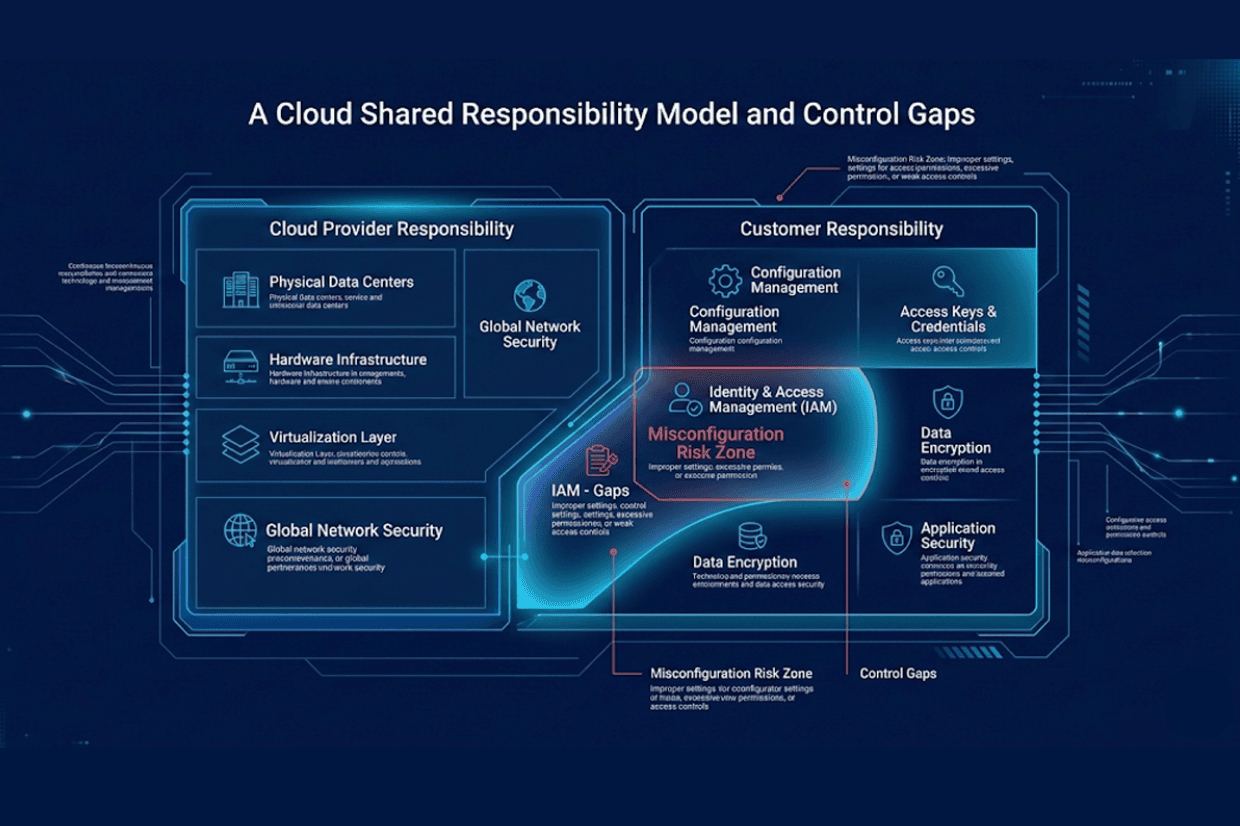
Cloud Security: Misconfigurations Over Malware
Cloud environments are expanding rapidly. So are misconfigurations.
Most cloud-related incidents are not advanced zero-day attacks. They are preventable configuration issues:
- IAM mismanagement
- Exposed storage buckets
- Over-permissioned service accounts
- Leaked access keys
Organizations often misunderstand shared responsibility models. The cloud provider secures infrastructure. The customer secures configuration.
Capture The Bug identifies control gaps early, before they become incidents.
In 2026, cloud security is a discipline problem, not a tooling problem.
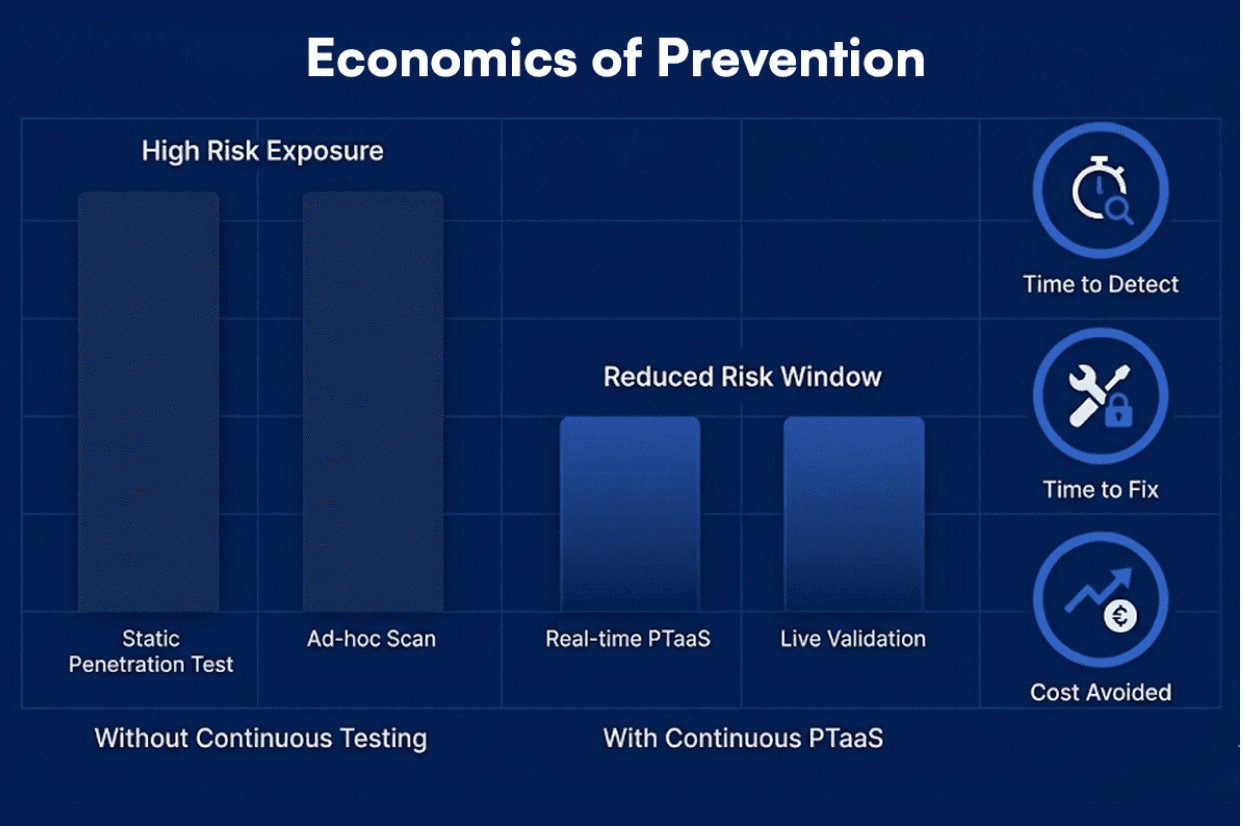
The Economics of Prevention
Security leaders are no longer asked, "Is it secure?"
They are asked, "What did security prevent?"
Preventative pentesting now directly connects to measurable cost avoidance.
When vulnerabilities like AWS key exposure, 2FA bypass, or IDOR remain unpatched, the financial impact can reach six or seven figures.
Continuous pentesting reduces:
- Time-to-detection
- Time-to-remediation
- Exploit window duration
Capture The Bug clients consistently report faster remediation cycles and lower incident response costs compared to static annual testing.
Security ROI is no longer theoretical. It is operational.
From Point-in-Time to Real-Time
Legacy pentesting treats security as an event.
Modern environments require security as a process.
Continuous pentesting integrates with CI/CD workflows. Tests align with deployments. Vulnerabilities are validated in real time.
Capture The Bug’s PTaaS platform enables:
- On-demand testing for new releases
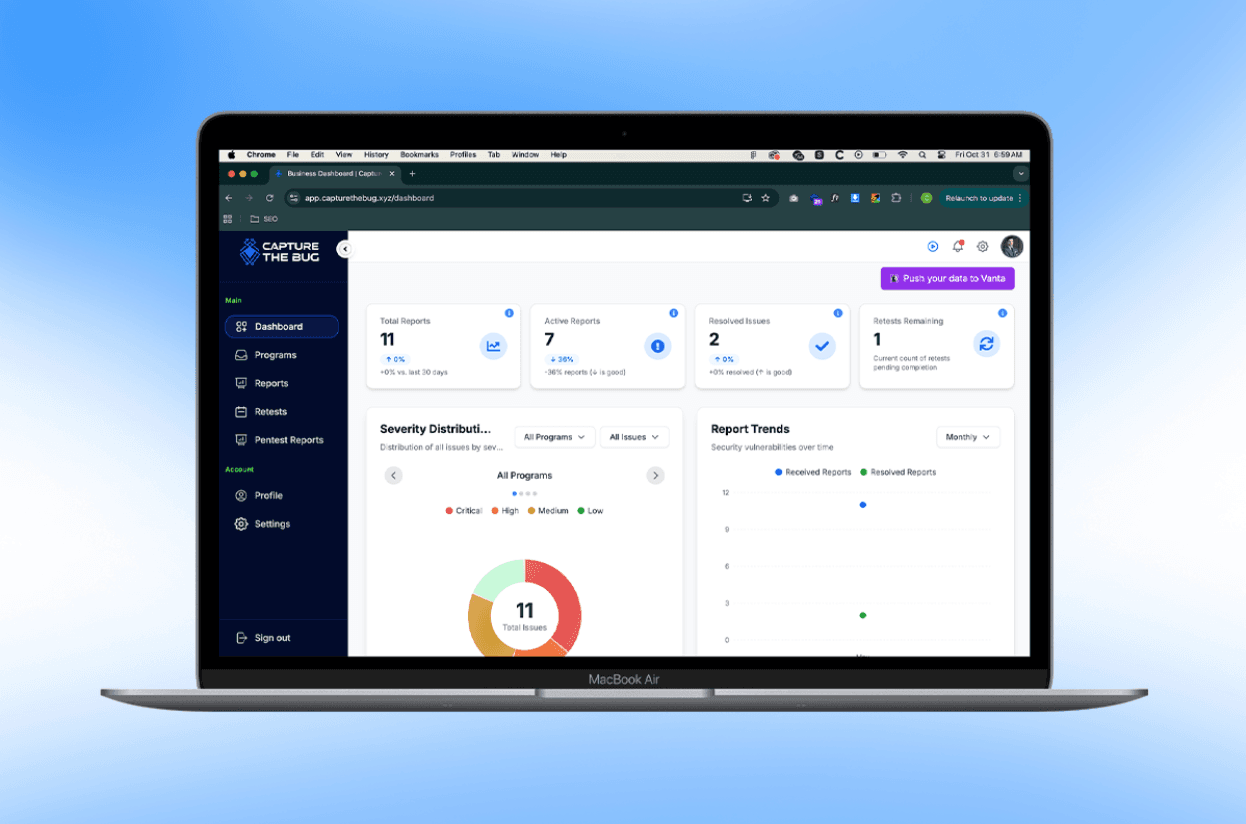
- Live dashboards instead of static PDFs
- Direct collaboration between testers and developers
- Instant retesting after remediation
Security stops being an annual milestone and becomes a daily capability.
That is the defining shift of 2026.
AI in Pentesting: Acceleration, Not Replacement
AI is transforming both offense and defense.
Attackers use generative systems to create exploit variations and phishing payloads at scale. Defenders use AI to prioritize signals and automate reconnaissance.
But AI does not replace human judgment.
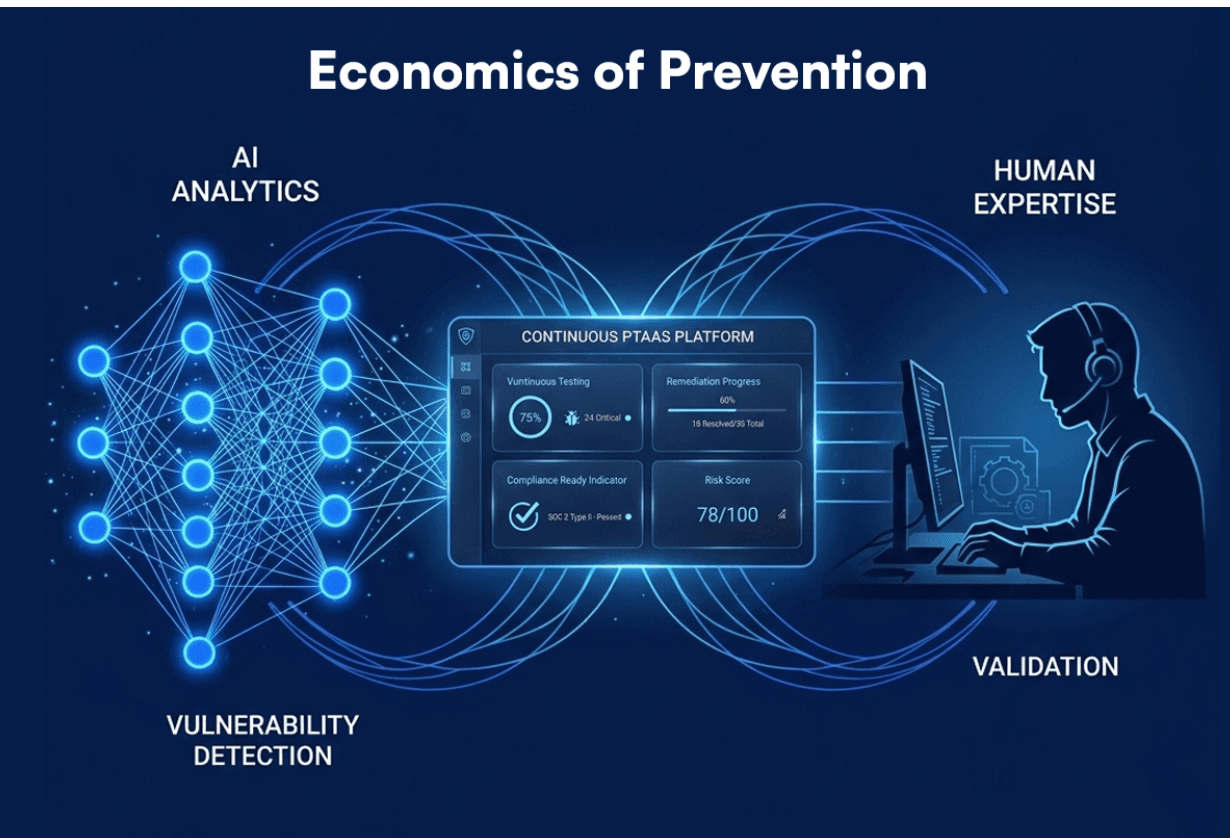
Capture The Bug integrates AI-assisted discovery with CREST-certified human testers to ensure:
- Reduced false positives
- Accurate exploit validation
- Context-aware prioritization
AI accelerates. Humans interpret.
That balance defines effective pentesting in 2026.
Predictions for 2026 and Beyond
Capture The Bug anticipates five major shifts:
1. Shift-Left Becomes Standard
Security testing inside CI/CD pipelines will move from optional to expected.
2. API Testing Will Outpace Web Testing
APIs will become the primary attack surface for SaaS and fintech companies.
3. Continuous Compliance Will Replace Audit Scramble
Security teams will maintain live audit readiness rather than preparing retroactively.
4. AI-Augmented Testing Will Become Baseline
AI-assisted vulnerability correlation will be embedded into every serious PTaaS platform.
5. Static Reports Will Disappear
Real-time dashboards will replace PDF-based reporting models.
The biggest threat in 2026 will not be zero-day exploits. It will be outdated security models.
Final Thoughts
Cybersecurity is not failing due to lack of tools.
It is failing when teams rely on outdated workflows.
The industry has become good at detecting vulnerabilities. It must now become faster at validating and fixing them.
Capture The Bug believes pentesting is no longer a checkbox activity. It is a continuous strategic function tied directly to product velocity and business resilience.
The companies that adapt to continuous assurance will outpace those still relying on periodic snapshots.
Because in 2026, security is not about scanning faster.
It is about thinking smarter.