The State of Cybersecurity, November 2025
If October was defined by nation-state breaches and high-profile vulnerabilities, November 2025 has been the month of exposure. The digital battlefield is shifting again, marked by ransomware-as-a-service expansion, zero-day exploits in enterprise systems, and growing attacks on model training pipelines and critical sectors.
This month’s biggest takeaway is simple: security is no longer about walls alone. It is about visibility, proof, and speed.
1. Ransomware-as-a-Service Reaches Industrial Scale
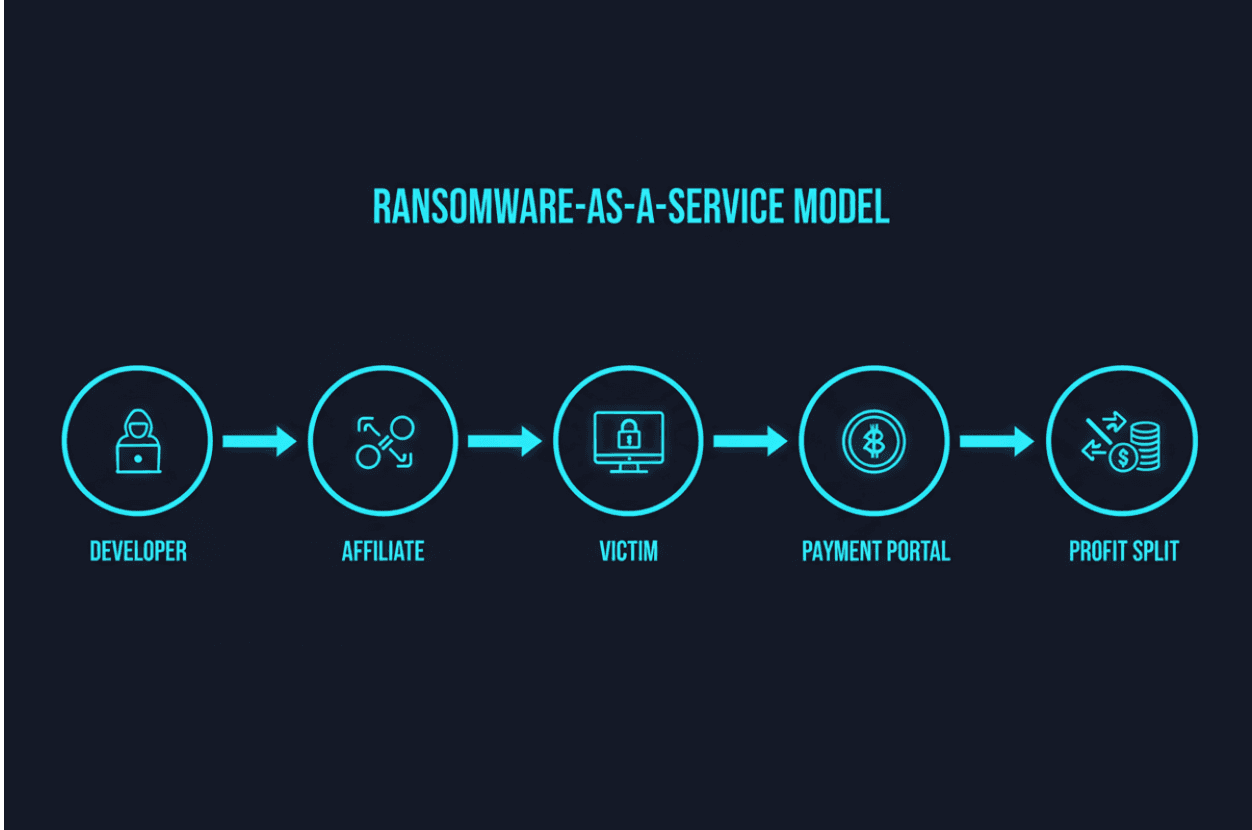
The dark web no longer hides cybercrime—it markets it. In early November, several cybersecurity firms uncovered a thriving ransomware marketplace operating under subscription models. Dubbed Lockverse, this platform offers ready-made attack kits, dashboards for affiliates, and profit-sharing systems that mirror legitimate software businesses.
Key insights:
- Over 120 new affiliates joined the Lockverse network in the last quarter.
- Average ransom demands rose 32 percent year over year, reaching an average of 4.2 million dollars per incident.
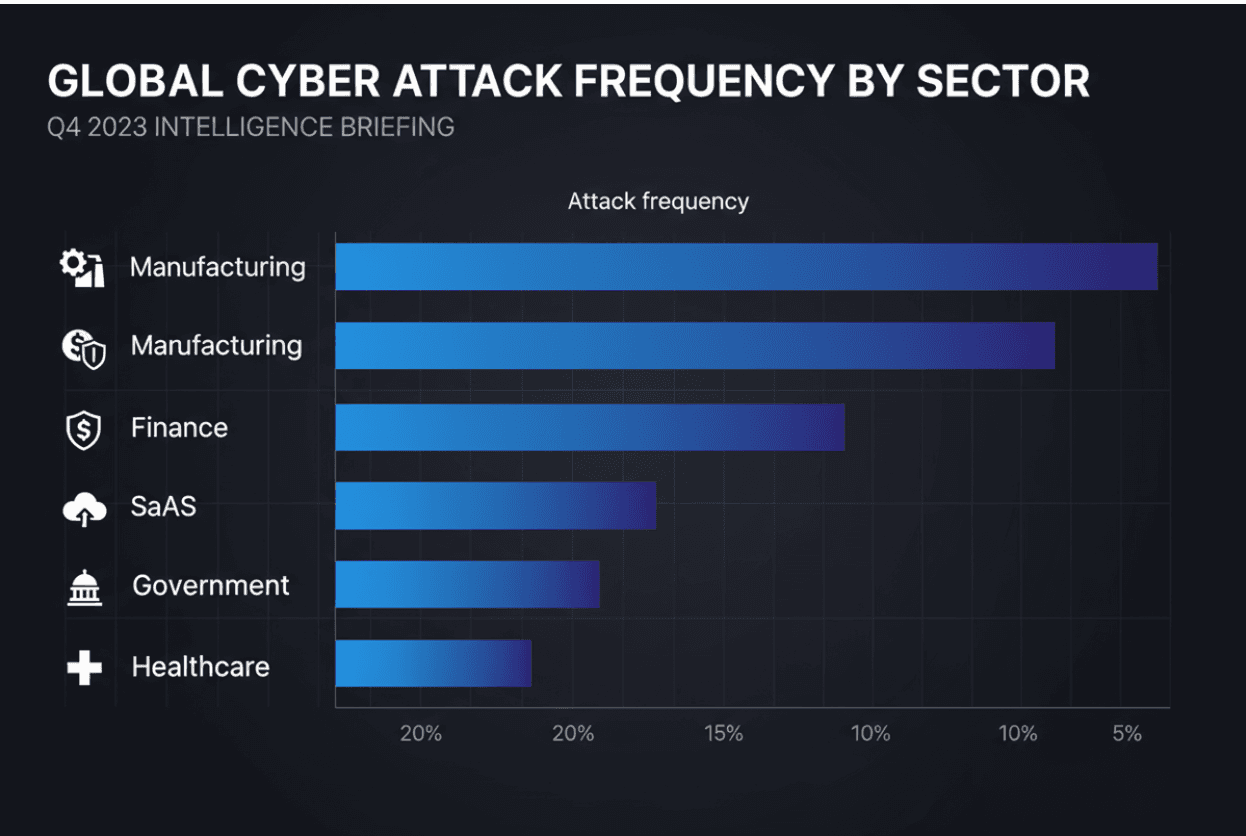
- Manufacturing and logistics were the hardest hit because of reliance on legacy infrastructure.
What makes this particularly dangerous is service design. Anyone with cryptocurrency and intent can now launch a coordinated ransomware campaign.
Takeaway for businesses: ransomware resilience must be validated continuously, not audited annually. Test data recovery, isolate privileged access, and use continuous penetration testing to verify internal exposure points.
2. MOVEit Legacy: Supply Chain Fallout Continues
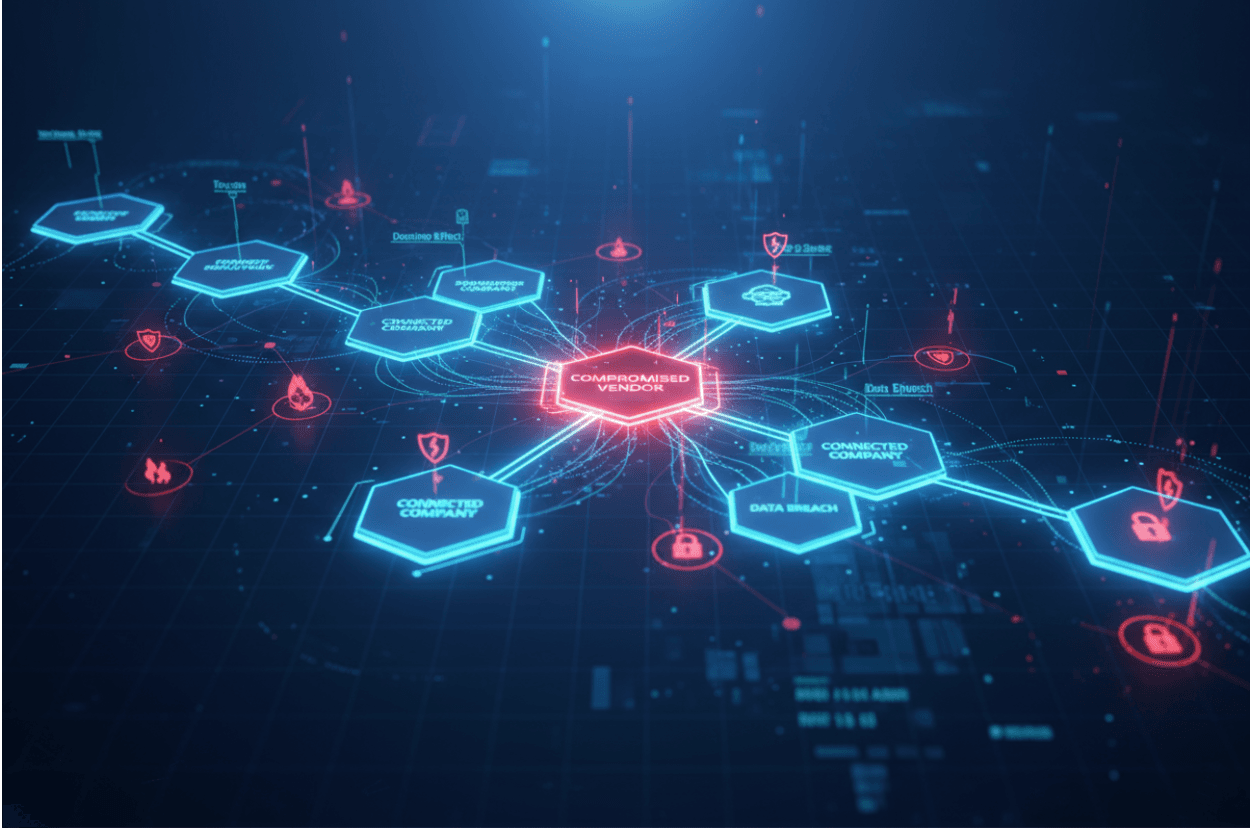
Despite patches and public disclosures, the MOVEit breach that began months earlier is still unfolding. New victims surfaced in November as attackers exploited unmonitored third-party file transfer systems. Organizations discovered that indirect exposure, where partners used compromised systems, was often as damaging as direct breaches.
Key takeaway: even if your systems are patched, vendors can remain the weak link. Continuous testing of integrations and vendor-facing endpoints is the only way to prevent inherited risk from becoming front-page news.
3. Quantum-Resistant Security Moves to the Boardroom
Quantum readiness shifted from theory to boardroom conversation in November. Multiple government standards bodies issued transition guidelines urging critical sectors to evaluate encryption for post-quantum resilience.
Why this matters:
Adversaries are already engaging in store now, decrypt later tactics by collecting encrypted data today for decryption once quantum capabilities are available.
Forward step: organizations should inventory cryptographic use, stage hybrid encryption tests, and treat cryptography as part of continuous testing workflows.
4. Model Training Pipelines and Data Integrity as Attack Surfaces
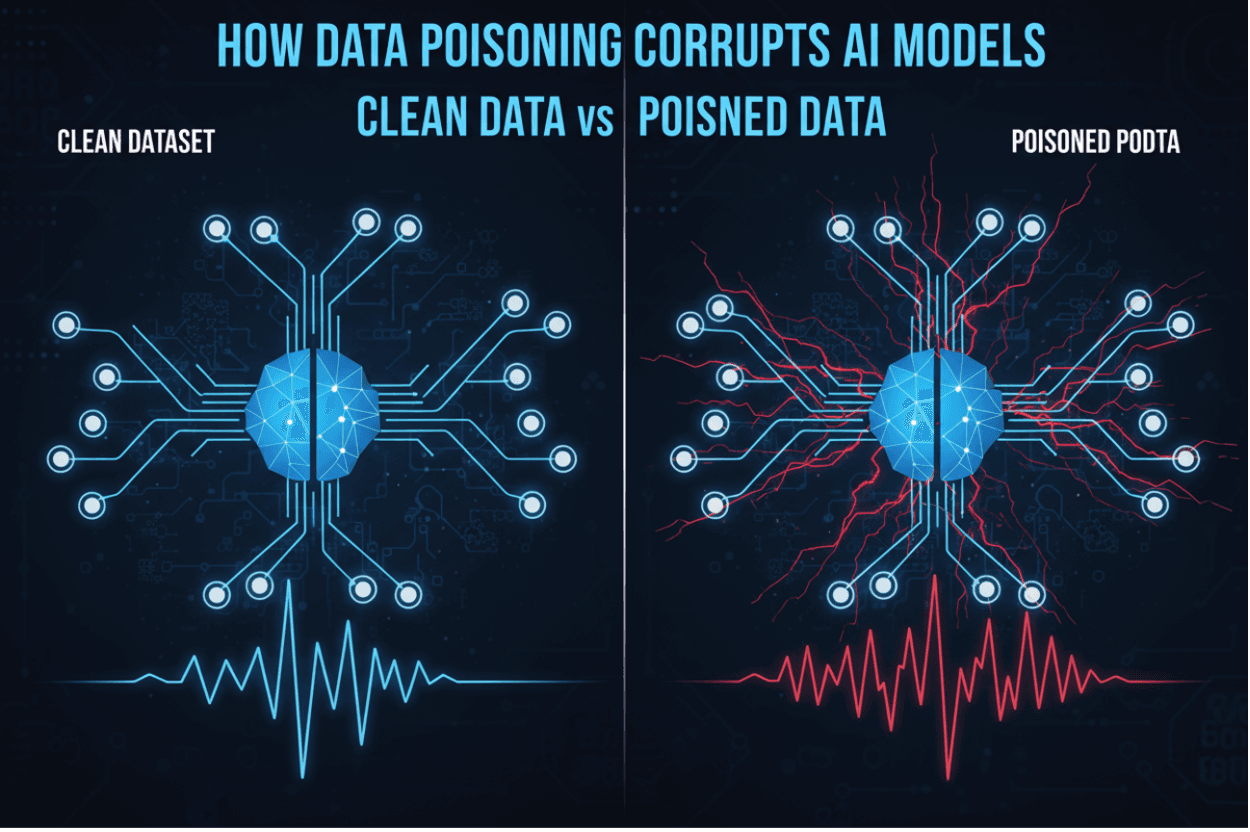
Model training pipelines are now targeted similarly to web servers. Researchers reported data manipulation events in training environments used by financial and healthcare organizations. Attackers injected poisoned datasets that altered model outputs or introduced exploitable backdoors.
Example:
A fraud detection system at a European fintech firm was manipulated via poisoned training data, causing it to misclassify transactions and resulting in multi-million dollar losses before detection.
Lesson learned: models are only as trustworthy as their data pipelines. Security leaders must include dataset integrity testing and model validation in regular security reviews.
5. Government and Critical Infrastructure Under Siege
November saw coordinated disruptions affecting transportation and port systems in the region. Investigations revealed unauthorized access occurred via outdated remote access endpoints and weak vendor configurations.
Broader trend: critical infrastructure remains a primary target for actors seeking large-scale disruption.
Mitigation focus: routine network penetration testing and external attack surface mapping are vital for any organization managing public-facing services and operational technology.
6. Financial Sector: Synthetic Impersonation Fraud Surges
Several multinational banks reported incidents where voice-cloned executives were used to authorize fraudulent transfers. These synthetic impersonation attacks combined realistic audio with stolen credentials to bypass standard controls.
CISO takeaway: traditional identity verification is no longer sufficient. Transaction-level behavioral monitoring, stronger transaction approval controls, and simulations that include voice and video fraud are now essential.
7. API and Cloud Misconfigurations Keep Causing Breaches
APIs remain a prominent attack vector. In November, a telecom provider disclosed that an exposed development API leaked more than 1.2 million customer records, including partial payment data. Analysts note that shadow APIs—endpoints deployed without security review—account for a large share of API-related breaches.
Continuous testing and runtime monitoring of APIs are now being adopted to detect and close these gaps before attackers do.
8. Data Brokers and the Privacy Reckoning
A major investigative report revealed how data broker networks sold sensitive user information to criminal forums. Regulators responded with inquiries and threats of stricter privacy rules for 2026.
Why it matters: even companies with strong internal security can face reputational and legal risks when third parties leak consumer data. Future resilience will include data ethics, vendor transparency, and evidence that third-party relationships are tested and audited.
9. Lessons from November, and the Shift to Proof
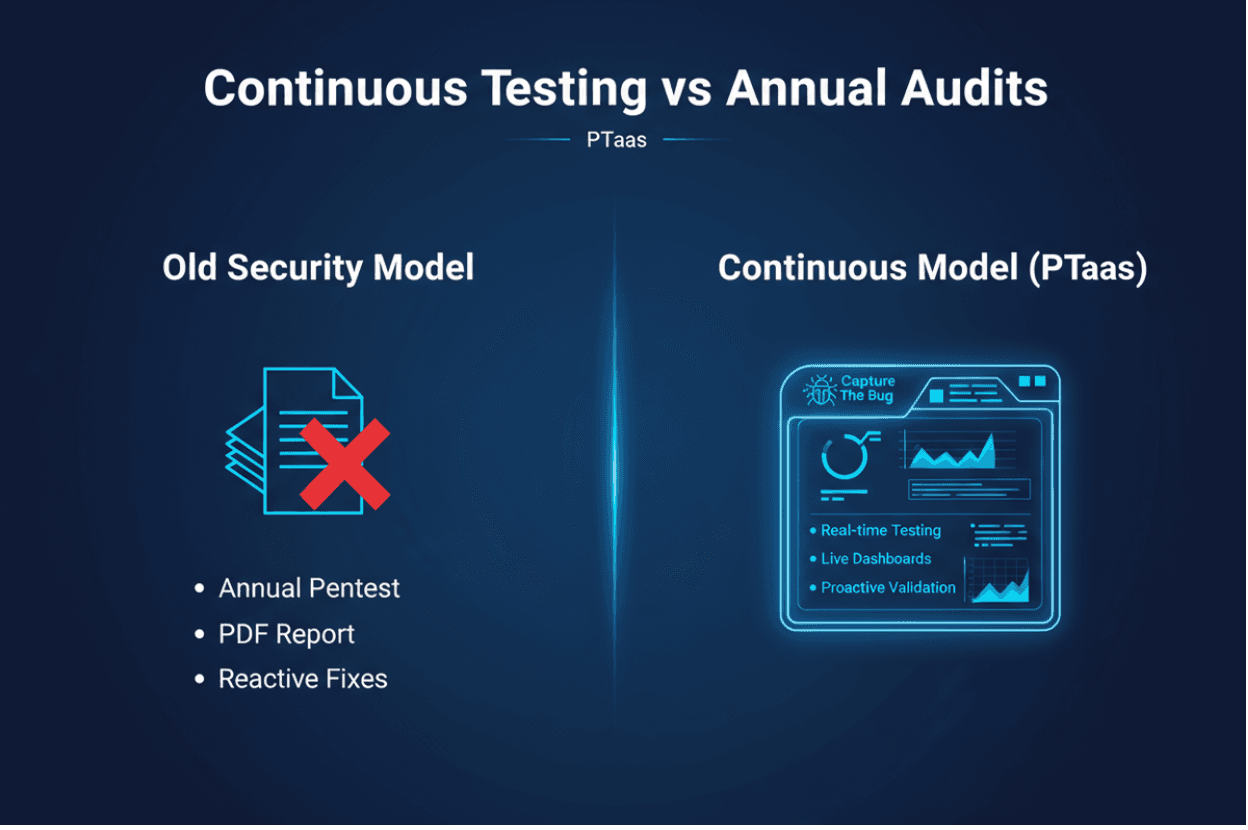
This quarter proved detecting threats is not enough. Organizations must prove resilience on demand. Continuous validation approaches offer that proof and close the gap between discovery and verification.
Companies that adopted continuous testing reported measurable improvements:
- Faster remediation cycles by roughly 60 percent.
- Fewer repeat vulnerabilities by roughly 50 percent.
- Improved audit readiness, with live testing logs replacing static evidence.
Insight: in a world where cybercrime is a service, security must become a habitual practice that is measurable and repeatable.
10. Capture The Bug Viewpoint: Why Continuous Testing Now Matters
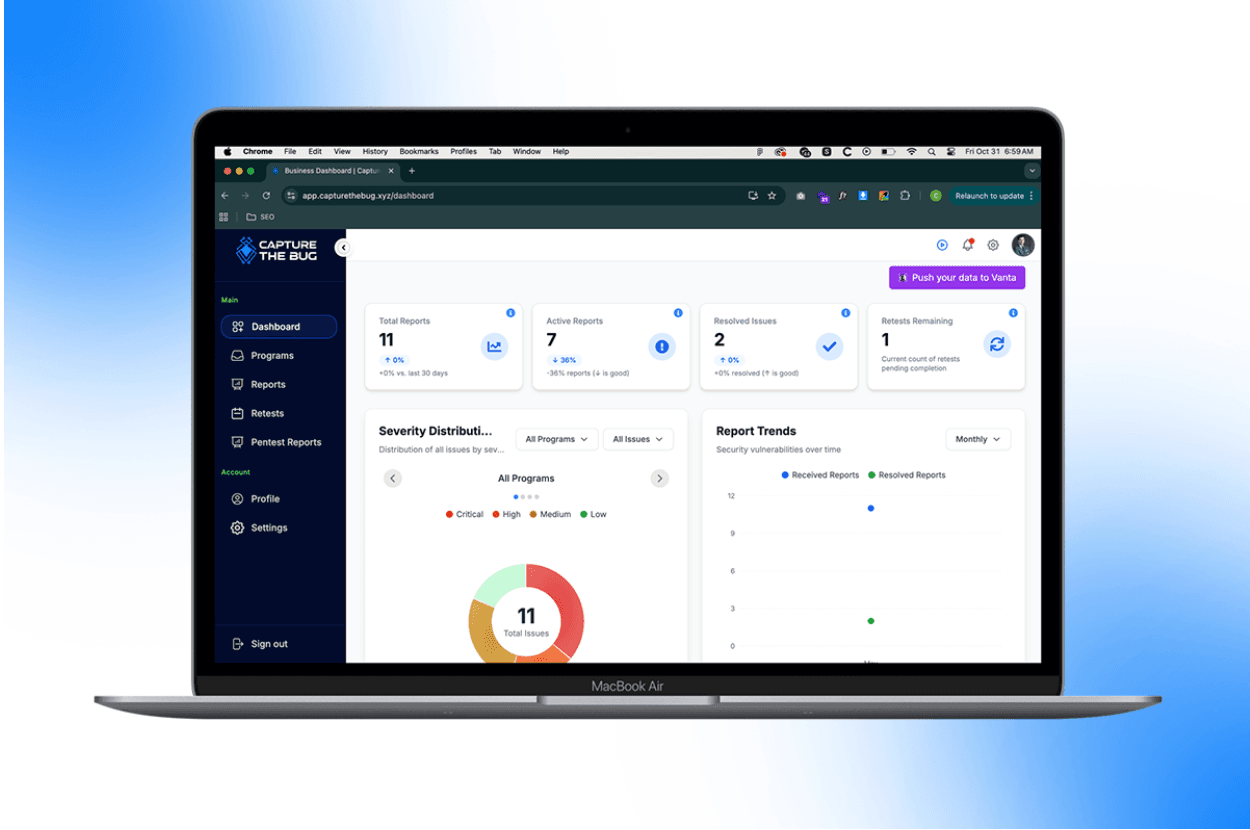
Every organization is one untested assumption away from a significant incident. Continuous penetration testing provides the evidence leadership needs to act with confidence, and gives auditors verifiable records that controls are effective. Whether defending against large-scale ransom operations, preparing cryptography for the future, or validating model integrity, continuous testing closes the gap between risk and assurance.

Frequently Asked Questions (FAQ)
What was the biggest cybersecurity threat in November 2025?
Ransomware-as-a-service expansion and synthetic impersonation fraud were the most disruptive trends, affecting financial, manufacturing, and public sectors.
How are model training pipelines attacked?
Attackers manipulate data integrity in datasets and preprocessing pipelines, altering model behavior or introducing backdoors that bypass standard controls.
What is the best defense against evolving ransomware?
Maintain verified backups, run continuous penetration testing, monitor privileged access in real time, and conduct routine recovery drills to ensure restoration capability.
Why is quantum security urgent now?
Adversaries are storing encrypted data now to decrypt later once quantum capabilities mature. Preparing cryptography today limits future exposure.
How does continuous penetration testing help?
It provides ongoing visibility, real-time retesting, and auditable evidence that vulnerabilities have been remediated and that controls remain effective.