EdTech Platform Security Assessment: Protecting Student Data in the Digital Classroom
Educational technology platforms have transformed modern learning environments, but their rapid adoption has created significant cybersecurity challenges. With sensitive student data, academic records, and personal information at stake, EdTech platforms require specialized security assessment approaches that address unique vulnerabilities in digital learning environments.
The EdTech Security Challenge
Educational institutions face a complex threat landscape where cybercriminals target valuable student data including personally identifiable information, academic records, financial aid details, and learning analytics. Unlike traditional business applications, EdTech platforms must balance accessibility for diverse user groups with robust security controls, creating unique challenges for security professionals.
Common EdTech Vulnerabilities:
- Authentication bypass in learning management systems
- Session management flaws enabling account takeover
- Insufficient access controls exposing student records
- API vulnerabilities in third-party integrations
- Cross-site scripting attacks targeting student portals
- Insecure direct object references revealing unauthorized data
The distributed nature of educational technology, spanning multiple platforms, mobile applications, and cloud services, creates complex attack surfaces that require comprehensive assessment approaches.
Regulatory Compliance and Data Protection
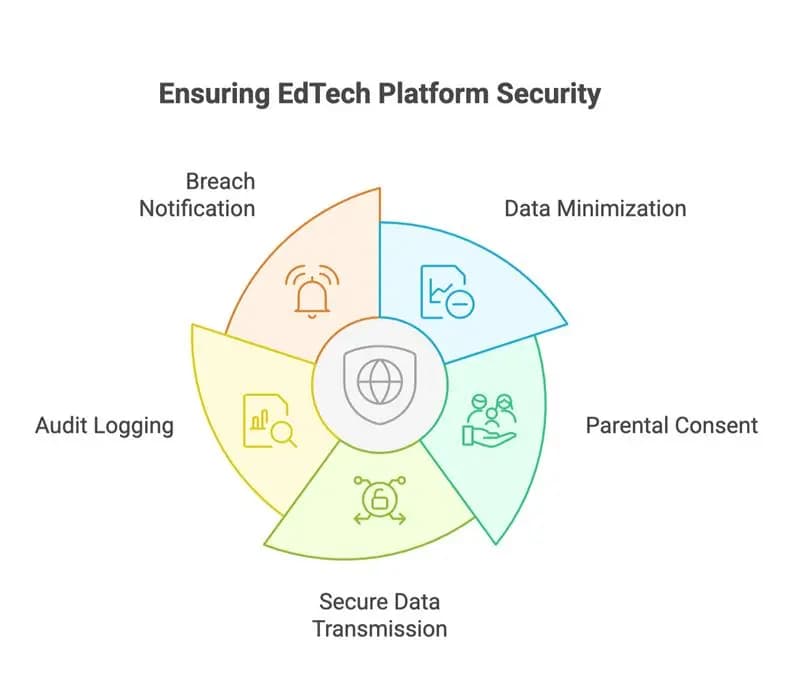
EdTech platforms must comply with multiple regulatory frameworks that protect student privacy and educational data. The Family Educational Rights and Privacy Act (FERPA) governs access to student educational records, while the Children's Online Privacy Protection Act (COPPA) provides additional protections for users under 13 years old.
Key Compliance Requirements:
- Data minimization and purpose limitation for student information
- Parental consent mechanisms for younger students
- Secure data transmission and storage protocols
- Audit logging for educational record access
- Breach notification procedures for educational institutions
Professional security assessment must validate these compliance controls through comprehensive testing that identifies gaps in regulatory adherence. Testing methodologies should evaluate whether platforms properly implement consent mechanisms, maintain appropriate access controls, and provide adequate data protection measures.
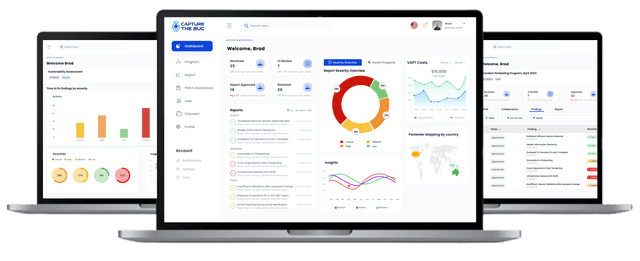
One platform to manage, track, and secure all your penetration tests.
Simplify your vulnerability management with Capture The Bug’s PTaaS platform where businesses and security experts collaborate seamlessly.
Specialized Assessment Methodologies
Learning Management System Testing:
LMS platforms require specialized testing approaches that examine role-based access controls, gradebook security, and assignment submission integrity. Testing must evaluate whether students can access unauthorized courses, modify grades, or view other students' personal information. Advanced scenarios include testing multi-tenancy isolation in cloud-hosted LMS environments.
Video Conferencing Security:
Online classroom platforms face unique risks including unauthorized meeting access, recording security, and screen sharing vulnerabilities. Testing approaches examine waiting room bypasses, meeting ID enumeration, and whether proper controls prevent unauthorized participants from joining educational sessions.
Assessment Platform Security:
Online proctoring and examination systems require testing for anti-cheating mechanism bypasses, biometric data protection, and screen monitoring security. Professional assessment evaluates whether platforms properly secure exam content, prevent unauthorized collaboration, and protect student privacy during monitoring.
Mobile Learning Application Testing:
Educational mobile apps present additional attack vectors including insecure data storage, inadequate certificate pinning, and vulnerable authentication mechanisms. Testing must examine offline content security, local database encryption, and whether applications properly validate server certificates.
Student Data Privacy Protection
EdTech platforms collect extensive behavioral data through learning analytics, creating privacy risks that require specialized assessment approaches. Testing must evaluate whether platforms properly anonymize student data, implement appropriate retention policies, and provide adequate transparency about data collection practices.
Privacy Testing Areas:
- Learning analytics data collection and usage validation
- Student behavioral tracking and profiling mechanisms
- Third-party data sharing compliance verification
- Parental control and consent mechanism testing
- Data portability and deletion request processing
Professional testing should examine whether platforms collect excessive student data, share information inappropriately with third parties, or fail to provide adequate control over personal information usage.
Experience Capture The Bug Platform
Streamline your security testing with our PTaaS platform. Collaborate with expert testers, track vulnerabilities, and secure your applications effortlessly.
Integration and Third-Party Risks
Modern EdTech environments rely heavily on integrations between learning management systems, student information systems, and third-party educational tools. These integration points create additional security risks that require specialized assessment approaches.
Integration Security Testing:
- Single sign-on implementation vulnerabilities
- API security between connected educational systems
- Data synchronization security across platforms
- Third-party application authorization controls
- Cross-platform user provisioning and deprovisioning
Testing must evaluate whether integration points properly validate user permissions, secure data transmission between systems, and maintain consistent security policies across connected platforms.
Age-Appropriate Security Controls
Educational platforms serving different age groups require specialized security controls that balance protection with usability. Testing approaches must evaluate whether platforms implement age-appropriate privacy settings, parental controls, and safety mechanisms without creating barriers to learning.
Age-Specific Testing Considerations:
- Parental consent mechanisms for younger students
- Graduated privacy controls for different age groups
- Safe communication features preventing inappropriate contact
- Content filtering and moderation effectiveness
- Cyberbullying prevention and reporting mechanisms
Professional assessment should validate whether platforms properly adapt security controls based on student age while maintaining consistent protection across all user groups.
Business Continuity and Data Recovery
Educational institutions require high availability during critical periods including enrollment, examinations, and graduation. Security testing must evaluate business continuity capabilities and data recovery procedures to ensure educational operations can continue during security incidents.
Continuity Testing Areas:
- Disaster recovery procedures for educational data
- Backup security and restoration testing
- Alternative access methods during system outages
- Communication systems for emergency notifications
- Academic calendar continuity during incidents
Testing should validate whether institutions can maintain educational services during security incidents while protecting student data throughout recovery processes.
Professional Assessment Benefits
Expert security assessment provides educational institutions with comprehensive evaluation of their digital learning environments. Professional testers understand the unique challenges in educational technology and can identify vulnerabilities that automated tools consistently miss.
Assessment Value:
- Regulatory compliance validation through specialized testing
- Student data protection verification across multiple platforms
- Integration security evaluation for complex educational ecosystems
- Age-appropriate security control validation
- Business continuity testing for academic operations
Professional assessment helps educational institutions build trust with students, parents, and regulatory bodies while ensuring digital learning environments remain secure and accessible.
Frequently Asked Questions
FAQ 1: What makes EdTech security testing different from other application security assessments?
EdTech security testing requires specialized understanding of educational regulations like FERPA and COPPA, age-appropriate security controls, and the unique balance between accessibility and protection in learning environments. Testing must address student privacy, parental consent mechanisms, and educational data protection requirements that don't exist in other industries.
FAQ 2: How often should educational institutions conduct security assessments of their EdTech platforms?
Educational institutions should conduct comprehensive security assessments annually, with additional testing after major platform updates, new integrations, or security incidents. High-risk environments or institutions handling large amounts of sensitive student data should consider more frequent assessments to validate ongoing security effectiveness.
About Capture The Bug
Capture The Bug is New Zealand's home-grown PTaaS platform, combining CREST-certified expertise with continuous vulnerability management. Built for modern engineering teams, it delivers live dashboards, instant retests, and measurable assurance — replacing static reports with real-time visibility.
Learn more: capturethebug.xyz