The Costly Mistakes Security Leaders Make When Choosing a Pentesting Provider
Every year, companies spend millions on penetration testing. The intention is simple: Identify weaknesses before attackers do.
Yet many organizations walk away from pentests with a thick report, a temporary sense of relief, and a long list of vulnerabilities that remain unresolved months later.
The problem is not that penetration testing lacks value. It is that many security leaders approach the buying decision with outdated assumptions. Capture The Bug often encounters organizations that invested heavily in testing but still struggled with visibility, remediation speed, or compliance readiness.
The issue was rarely technical. It was strategic. Security leaders were measuring the wrong things when choosing their pentesting partner. Understanding these common mistakes can save organizations time, budget, and significant risk exposure.
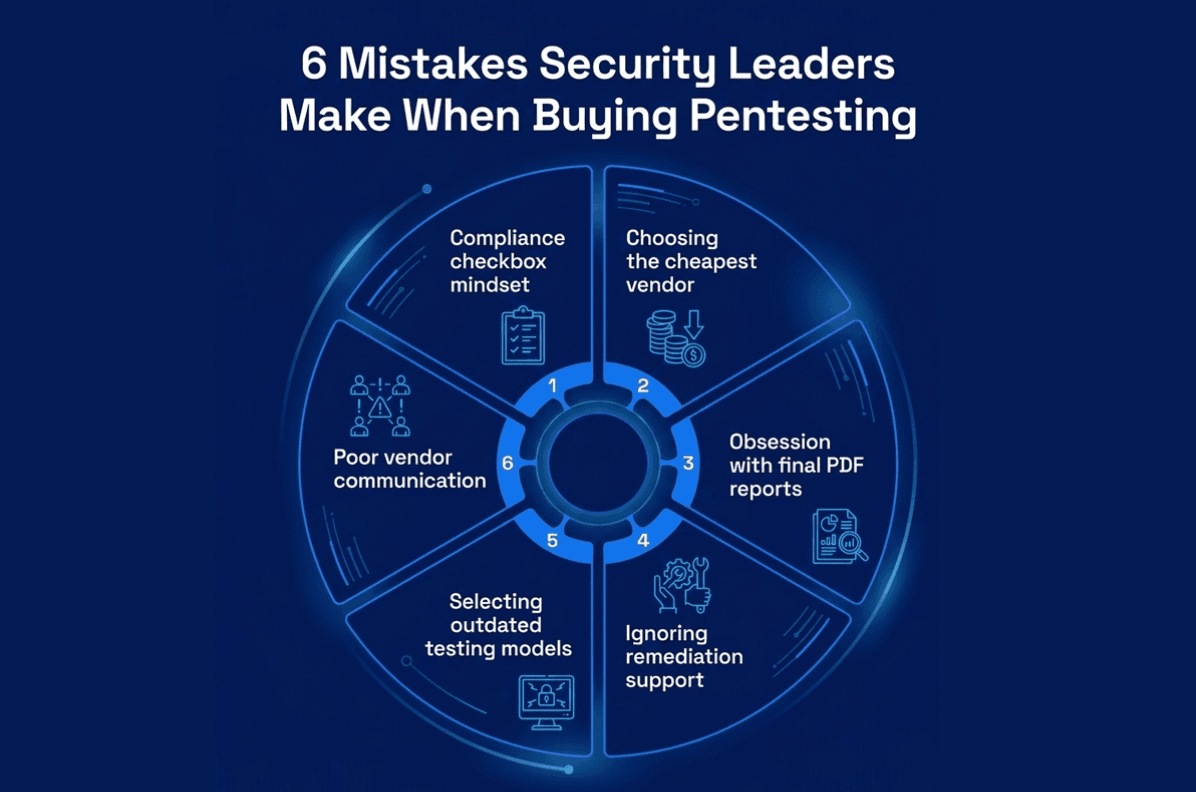
Mistake 1: Treating Pentesting Like a Compliance Checkbox
One of the most common buying mistakes is viewing pentesting purely as a compliance requirement. Many organizations schedule testing simply because an auditor requires it. The engagement runs for a few weeks, a report is delivered, and the exercise ends until the next audit cycle.
While this approach may satisfy regulatory requirements, it does not reflect the reality of modern software environments. Applications evolve constantly. New features are deployed, integrations change, and infrastructure expands.
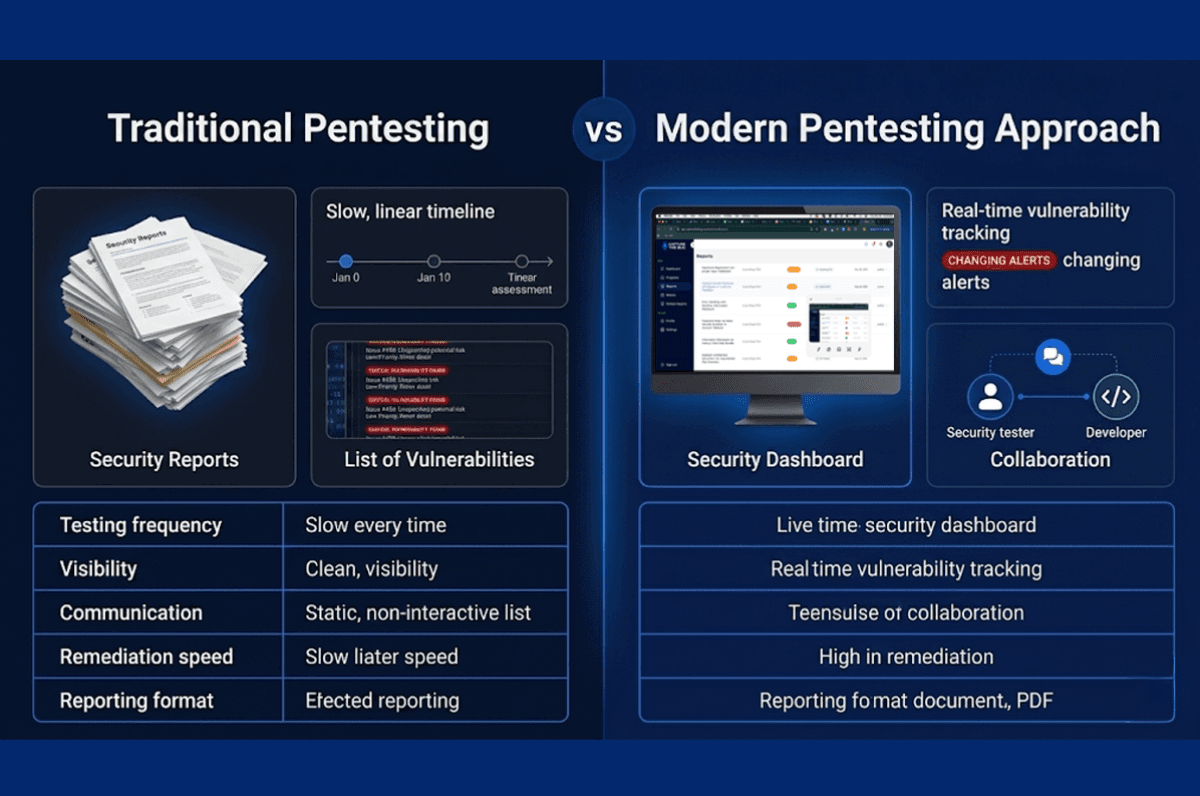
A test performed months ago cannot represent the security posture of a system today. Traditional testing often becomes a snapshot in time rather than an ongoing security signal. This creates large gaps between testing cycles where vulnerabilities may emerge unnoticed.
Modern organizations increasingly recognize that security visibility must match the pace of development. Waiting months for the next scheduled test simply leaves too much uncertainty.
Mistake 2: Evaluating Vendors Only by Price
Another common mistake occurs during vendor comparison. Procurement teams often treat pentesting as a commodity service and focus primarily on cost.
At first glance, the logic seems sound. Two vendors promise similar deliverables, so the cheaper option appears attractive. However, the true cost of pentesting is not the engagement fee. It is the risk left behind when vulnerabilities remain unresolved or misunderstood.
A low-cost vendor may deliver a report quickly but provide limited guidance on remediation or limited interaction with testers. Security teams then spend weeks interpreting findings, validating results, and coordinating retests.
What initially looked affordable often becomes inefficient and expensive. Organizations benefit far more from providers who prioritize clarity, collaboration, and actionable insights rather than simply delivering a report.
Mistake 3: Overvaluing the Final Report
Many buyers judge pentesting providers by the quality of their final report. While documentation matters for compliance and internal records, it should never be the primary outcome of a security engagement.
A report is simply a summary of what has already happened. What truly matters is how quickly vulnerabilities are discovered, understood, and fixed. Security leaders who focus only on the report often miss a more important question: How easy is it for the engineering team to act on the findings?
Without clear explanations, real-time communication, and efficient retesting, even the most polished report can become difficult to operationalize. Modern pentesting models prioritize visibility and collaboration rather than static documentation. When developers and testers work together in real time, remediation accelerates significantly.
This shift from reporting to collaboration represents one of the biggest evolutions in security testing today.
Mistake 4: Ignoring the Remediation Process
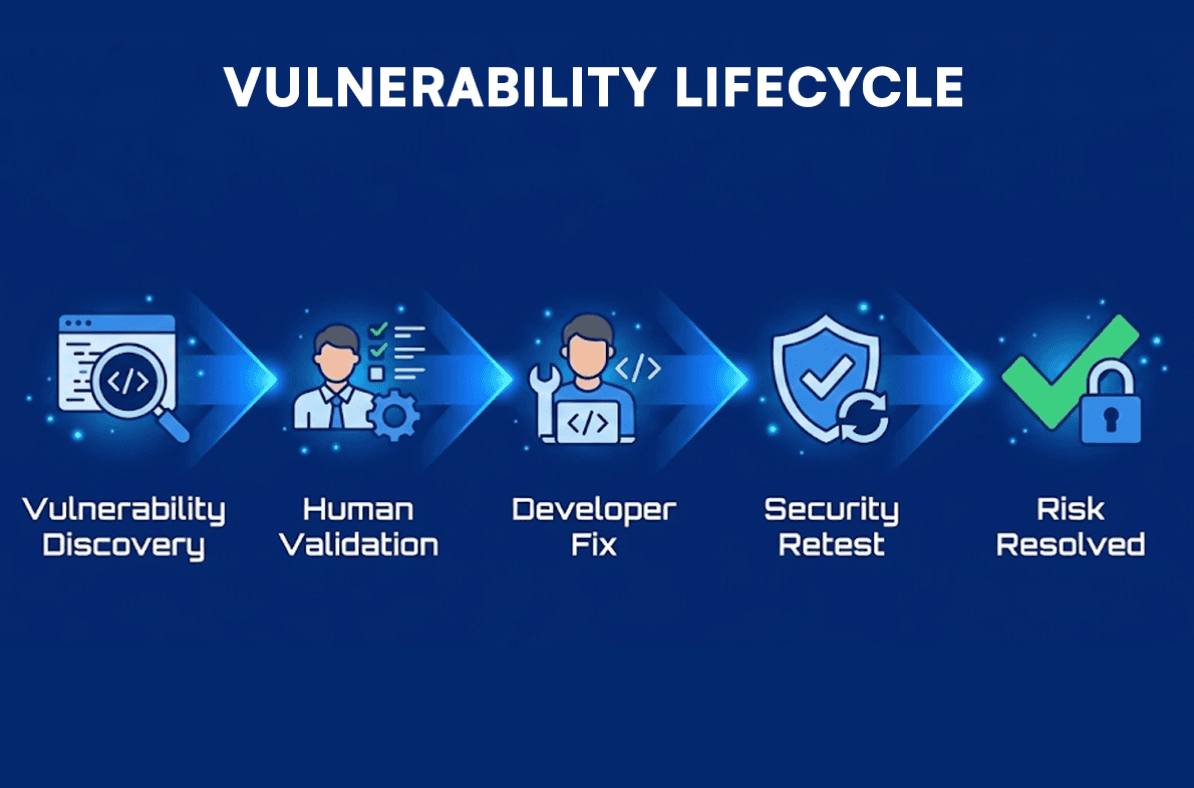
Discovering vulnerabilities is only half of the security equation. Fixing them is where the real work begins.
Many pentesting engagements end once the report is delivered. Security teams are left to manage remediation internally, often without direct access to the testers who discovered the issue. This disconnect slows down response time and creates confusion around technical details.
Developers may struggle to reproduce vulnerabilities or verify whether a fix truly resolves the problem. Effective pentesting partnerships focus equally on discovery and remediation support. When testers remain available to explain findings, validate fixes, and retest quickly, organizations close security gaps far faster.
Mistake 5: Choosing a Vendor Without Understanding Their Testing Model
Not all pentesting services operate the same way. Some follow traditional project-based engagements, while others provide continuous testing through platform-based delivery models.
Security leaders sometimes assume these approaches are interchangeable. They are not. Traditional testing models typically follow a linear process: Define scope, conduct testing over a fixed period, deliver a report, and close the engagement.
This structure worked when infrastructure changed slowly. Modern digital environments evolve daily. Applications grow, APIs expand, and new integrations appear frequently. Testing models that cannot adapt to that pace create visibility gaps.
Mistake 6: Overlooking Communication and Transparency
Security leaders often focus heavily on technical capability when evaluating vendors. Technical expertise is essential, but communication quality can be just as important.
Pentesting is not only about discovering vulnerabilities. It is about translating technical findings into actionable insight for developers, engineers, and leadership teams. If communication is slow or unclear, remediation stalls.
Effective pentesting partners prioritize transparency throughout the engagement. Findings are explained clearly, remediation steps are practical, and security teams always understand the status of ongoing work. This level of transparency helps organizations build trust internally and ensures security programs move forward efficiently.

What Security Leaders Should Look for Instead
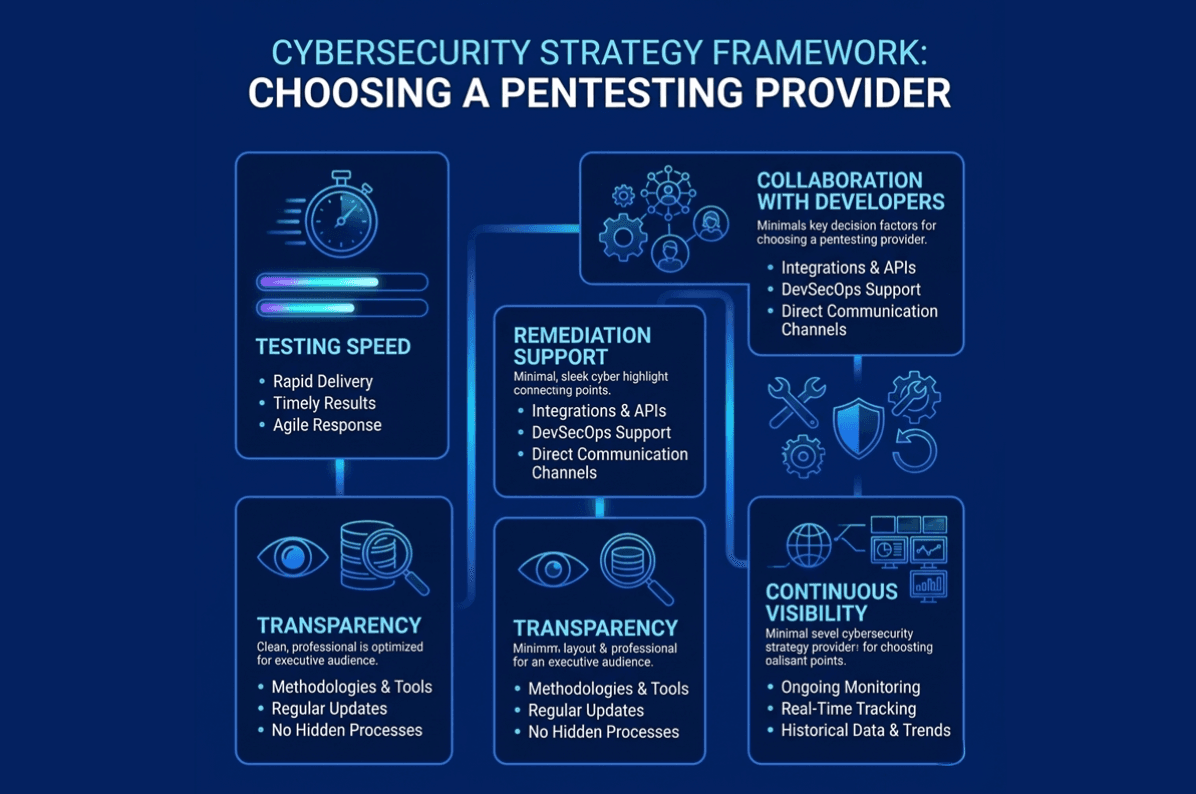
Buying pentesting services should focus on outcomes rather than deliverables. Security leaders should evaluate providers based on several key questions:
- How quickly can vulnerabilities be discovered and validated?
- How easily can developers collaborate with testers?
- How efficiently can fixes be confirmed and retested?
- How clearly can leadership track security progress?
When these elements work together, pentesting becomes more than a technical exercise. It becomes a continuous feedback system that strengthens an organization's overall security posture.
How Capture The Bug Approaches Pentesting Differently
Capture The Bug was built around a simple belief: Pentesting should be transparent, collaborative, and continuously valuable to engineering teams.
Instead of focusing solely on periodic assessments, the company's PTaaS platform connects CREST-certified testers with development teams through a real-time environment where vulnerabilities, remediation progress, and security metrics remain visible.
This model allows organizations to discover vulnerabilities quickly, collaborate on solutions, and maintain clear visibility into their security posture. The result is a security program that evolves alongside the technology it protects.
Final Thoughts
Penetration testing remains one of the most powerful tools available to security leaders. But its effectiveness depends heavily on how organizations approach the buying decision.
When pentesting is treated as a checkbox, evaluated solely on price, or judged only by the final report, the real value is lost. The organizations that gain the most from security testing focus on collaboration, speed of remediation, and ongoing visibility into their systems.
In today's fast-moving digital environment, security testing must evolve from a periodic activity into a continuous process. That shift begins not with technology, but with smarter buying decisions.
FAQ
1. Why do many pentesting engagements fail to improve security?
Because organizations treat pentesting as a compliance requirement rather than an ongoing security process.
2. What should security leaders prioritize when selecting a pentesting provider?
They should focus on remediation support, collaboration with engineers, and visibility into vulnerability management.
3. Is traditional pentesting still relevant today?
Yes, but it must evolve to match the pace of modern software environments where infrastructure and applications change frequently.
4. How can pentesting improve developer productivity?
When developers collaborate directly with testers, they can understand vulnerabilities faster and fix them within the same development cycle.
5. Why is continuous visibility important in security testing?
Because vulnerabilities can appear anytime as systems change, requiring ongoing monitoring and validation.