Why Australian Companies Are Moving to Always-On Penetration Testing
Introduction: Security Expectations Have Changed
Across Australia, security leaders are facing a new reality. Applications are updated weekly, sometimes daily. New integrations, APIs, and cloud changes introduce risk continuously, not once a year.
Yet many organizations still rely on traditional penetration testing cycles. A test is scheduled, a report arrives weeks later, and teams scramble to fix issues that may already be outdated.
This gap between change and validation is exactly why companies are shifting toward continuous pentesting services. Capture The Bug has seen this transition firsthand. Businesses are no longer asking, “When is our next test?” They are asking, “What is our risk right now?”
The Problem with Scheduled Testing
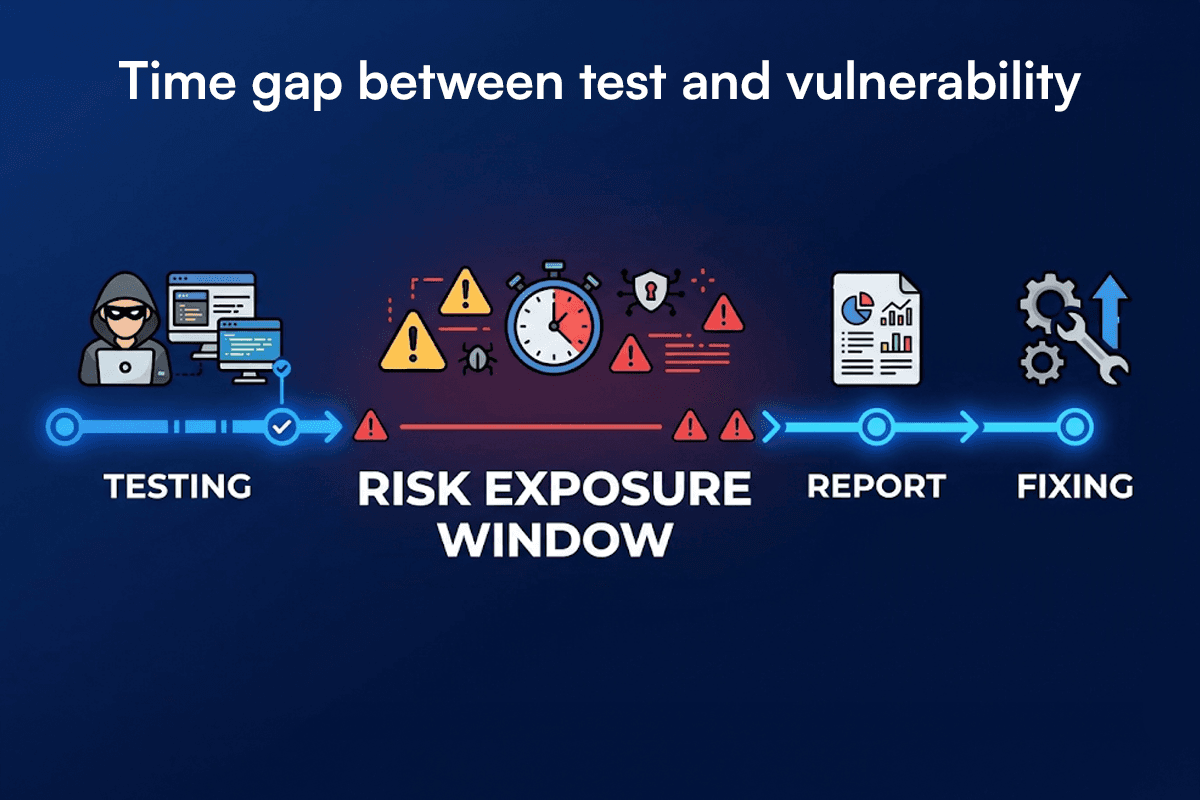
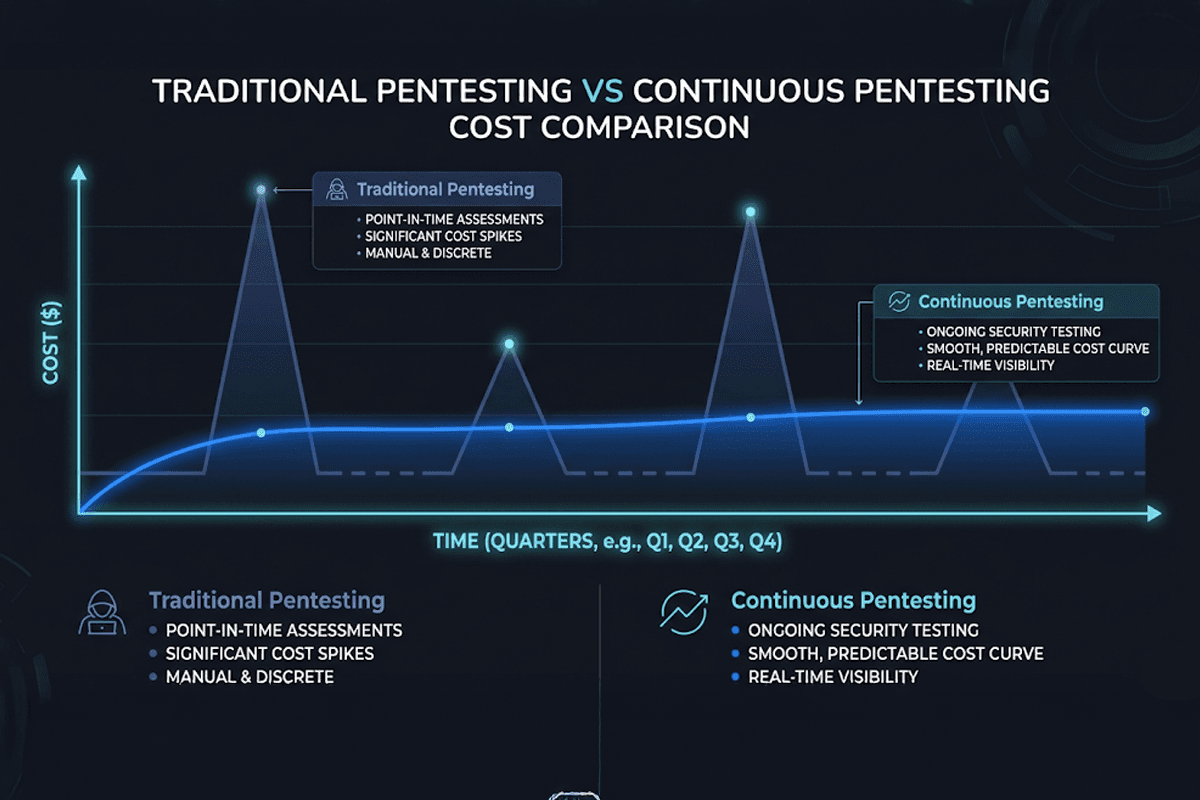
Traditional penetration testing still has value, but its biggest limitation is timing. It works like a snapshot. You get a clear picture of your system at one moment, but everything outside that moment remains untested.
Between two testing cycles, several things can happen:
- New features are deployed
- Third-party integrations are added
- Configurations change
- Vulnerabilities are introduced
By the time a report is delivered, parts of it may already be outdated. As highlighted in modern PTaaS models, waiting weeks for results creates a visibility gap that attackers can exploit. For fast-moving companies, especially SaaS and fintech, this model simply does not match how they operate.
What Continuous Pentesting Actually Means
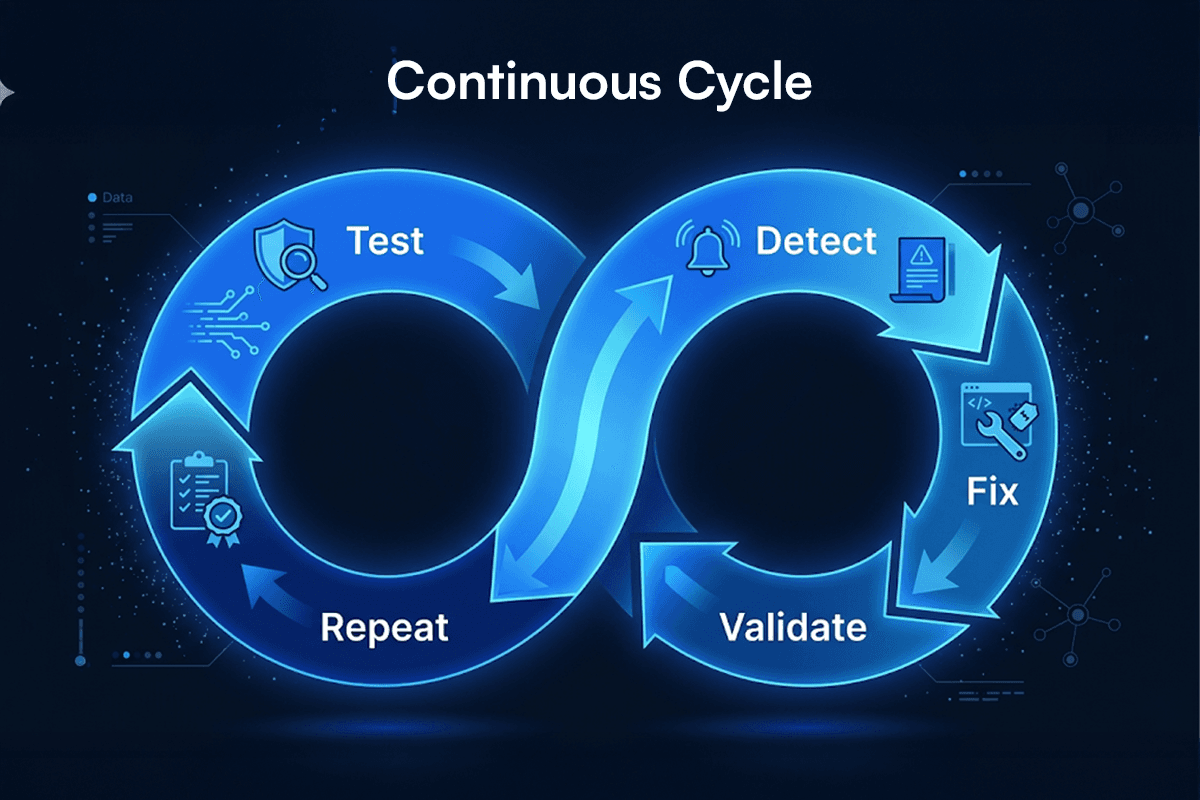
Continuous pentesting is not just “more frequent testing.” It is a different way of thinking about security. Instead of treating testing as a one-time event, it becomes an ongoing service that runs alongside development and operations.
In practice, this means:
- Tests can be launched whenever needed
- Vulnerabilities are visible as they are discovered
- Fixes are validated quickly
- Security posture is always up to date
Rather than waiting for a final report, teams work from a live environment where security insights evolve continuously. This approach aligns security with how modern software is built and maintained.
Why Australian Companies Are Making the Shift
1. Faster Development Cycles Demand Faster Security
Australian tech companies are building and releasing faster than ever. Continuous pentesting ensures that new releases are tested immediately, issues are identified within hours, and developers can fix problems in the same cycle.
2. Compliance Pressure Is Increasing
Regulatory expectations in Australia are rising, especially across fintech, healthcare, and SaaS. Standards such as ISO 27001, SOC 2, and PCI-DSS require proof of ongoing security practices. Continuous testing shifts compliance from reactive to ready at all times.
3. Real-Time Visibility Builds Better Decisions
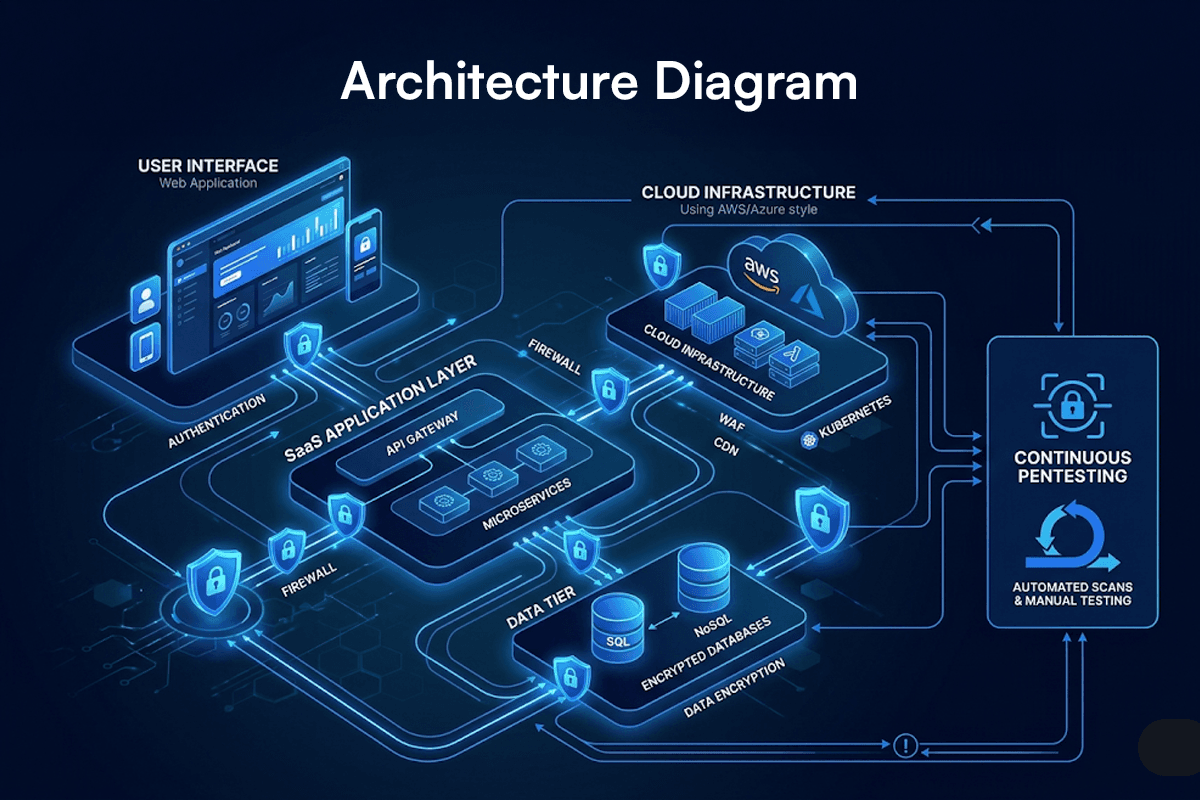
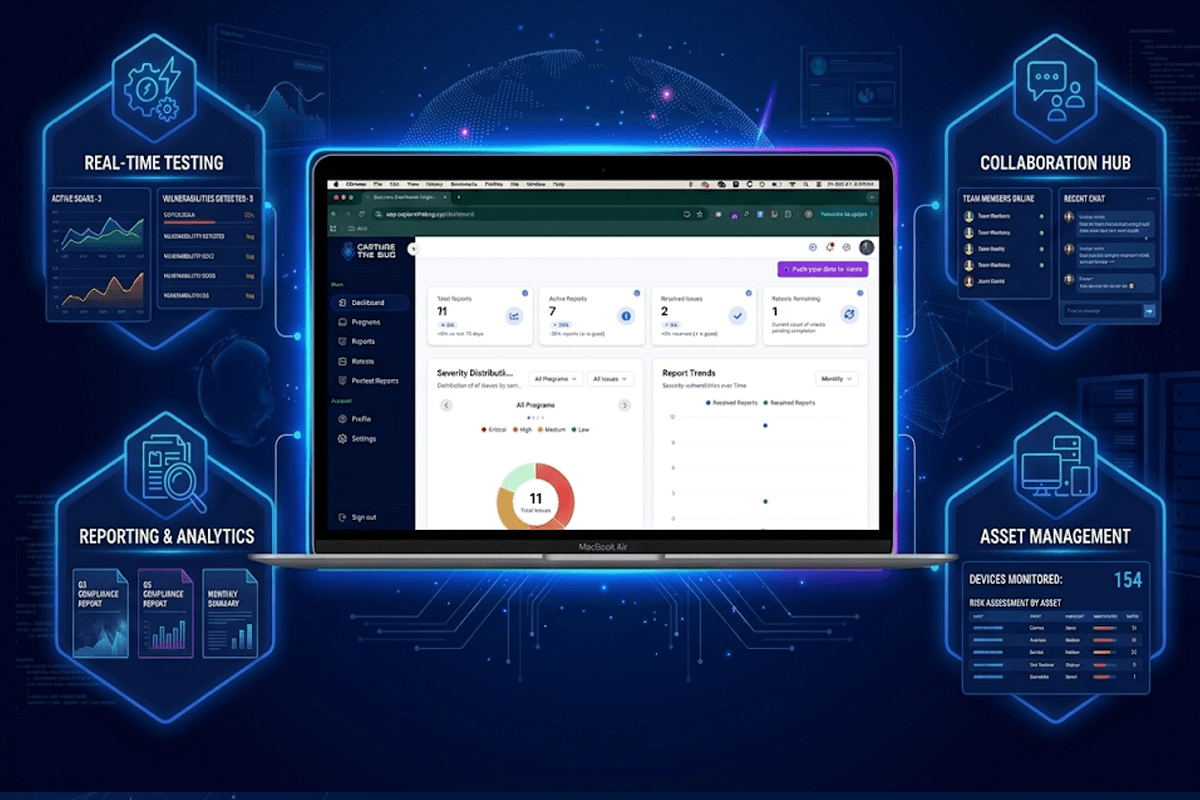
Security leaders today are expected to answer critical questions instantly. Continuous pentesting provides a live view of current vulnerabilities, fix progress, and risk trends over time.
4. Cost Efficiency Over the Long Term
Continuous pentesting spreads cost more efficiently through one predictable model instead of repeated engagements. Retesting is included, and operational overhead is significantly reduced.
5. Collaboration Between Teams Improves
It creates a shared workflow where developers and testers interact directly. Issues are clarified quickly, and fixes are validated without delay, reducing friction and speeding up resolution.
Continuous Pentesting for SaaS and Growing Businesses
Australian SaaS companies are leading this shift because their environments change constantly. They rely heavily on APIs, third-party integrations, and cloud infrastructure.
Continuous pentesting helps by testing new features before release, verifying integrations, and monitoring data security continuously. For growing companies, this is not just about protection; it is about maintaining trust with customers and investors.
What to Look for in a Continuous Pentesting Provider
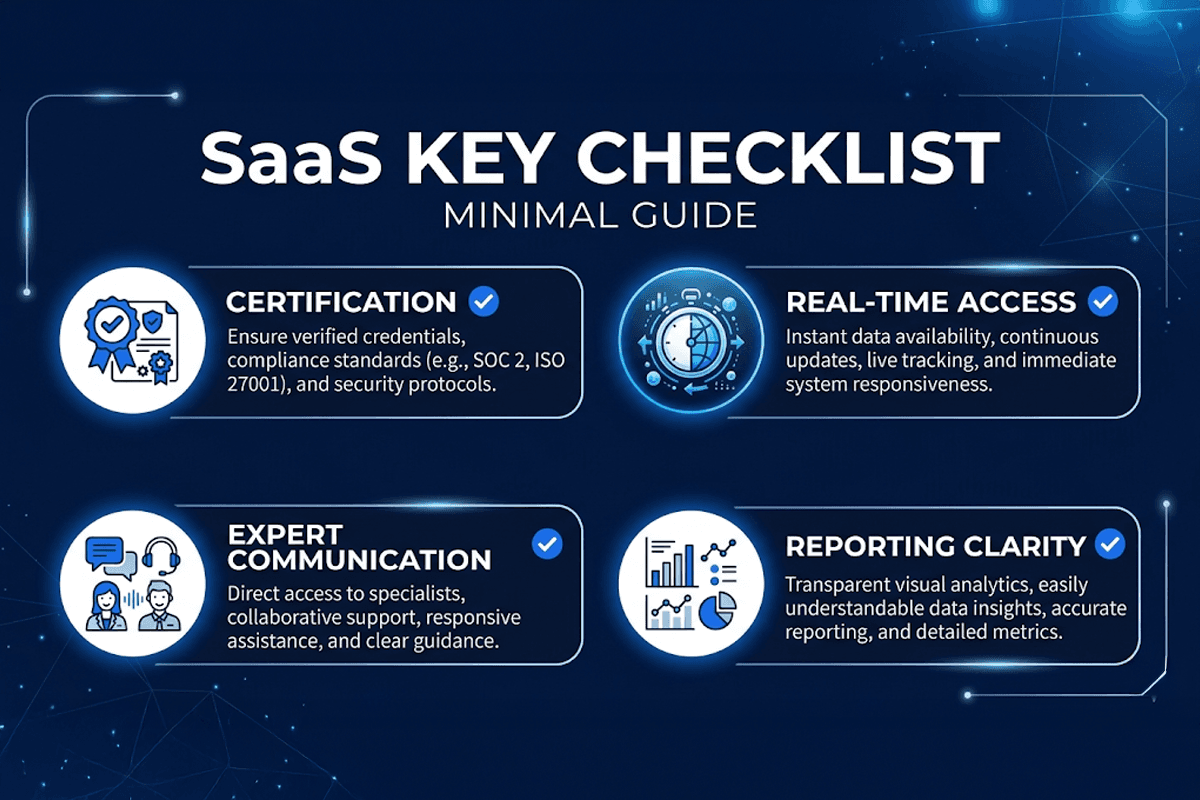
- Certified Expertise: Look for CREST-certified providers to ensure quality and trust.
- Clear, Actionable Reporting: Findings should explain impact and next steps, not just list issues.
- Real-Time Access: You should not wait for results. Visibility should be immediate.
- Direct Communication: Access to testers is critical for understanding and fixing issues faster.
How Capture The Bug Supports Australian Companies
Capture The Bug approaches pentesting as an ongoing partnership, not a one-time service. Our model focuses on:
- Continuous testing aligned with real-world development cycles
- Clear visibility into vulnerabilities and remediation progress
- Direct collaboration between testers and internal teams
- Compliance-ready reporting available at any time

The Bigger Shift: From Testing to Assurance
The move toward continuous pentesting reflects a broader change in cybersecurity. Companies are no longer satisfied with periodic validation. They want ongoing confidence.
This shift is driven by three realities: systems change constantly, threats evolve continuously, and business depends on trust. Continuous pentesting addresses all three by making security an active, ongoing process.
Final Thoughts
Australian companies are not switching to continuous pentesting because it is new. They are switching because it works better for how modern businesses operate.
Static reports cannot keep up with dynamic systems. Delayed insights create unnecessary risk. Capture The Bug helps organizations move beyond one-time testing toward continuous visibility, faster remediation, and stronger security outcomes. Because in today’s environment, security is not something you check once. It is something you maintain every day.
FAQ
1. What is continuous pentesting?
Continuous pentesting is an ongoing security testing approach where vulnerabilities are identified and validated regularly instead of during one-time assessments.
2. Why are Australian companies adopting continuous pentesting?
Because it aligns with fast development cycles, improves compliance readiness, and provides real-time visibility into security risks.
3. How is it different from traditional penetration testing?
Traditional testing provides a snapshot in time, while continuous pentesting offers ongoing visibility and faster remediation.
4. Is continuous pentesting suitable for small businesses?
Yes. It helps growing companies maintain security without needing large internal teams.
5. How does Capture The Bug support continuous pentesting?
Capture The Bug provides CREST-certified testing, real-time insights, and continuous collaboration to help companies detect and fix vulnerabilities faster.