Why Once-a-Year Pentesting Leaves Regulated Companies Exposed

For years, regulated organizations have relied on annual penetration tests to satisfy compliance frameworks. The audit comes. The scope is agreed. The test runs. A report lands in the inbox. Boxes are ticked.
And leadership feels reassured.
But here is the uncomfortable truth: once-a-year pentesting was designed for a slower era. Modern infrastructure does not change yearly. It changes weekly, sometimes daily. Cloud updates, new APIs, third-party integrations, and code deployments reshape your attack surface constantly.
In regulated sectors across ANZ and the United States, this gap between change and validation is exactly where breaches happen.
At Capture The Bug, we see it repeatedly. The organization passed its annual test. Six months later, a newly deployed feature exposes sensitive data. The report was accurate at the time. It just no longer reflects reality.
This is not a failure of testing skill. It is a failure of testing cadence.
Let’s break down why annual pentests fall short in regulated environments and what forward-thinking security leaders are doing instead.
The Compliance Trap: When Passing an Audit Feels Like Security
Most regulated firms operate under frameworks like ISO 27001, SOC 2, PCI DSS, or regional privacy laws. These standards require periodic security testing. Many interpret that requirement as “once per year.”
So the organization schedules one engagement annually, often timed conveniently before an audit.
The problem is psychological as much as technical.
An annual pentest creates a moment of confidence. The report says “No critical findings.” Leadership relaxes. The board presentation looks strong. The audit proceeds smoothly.
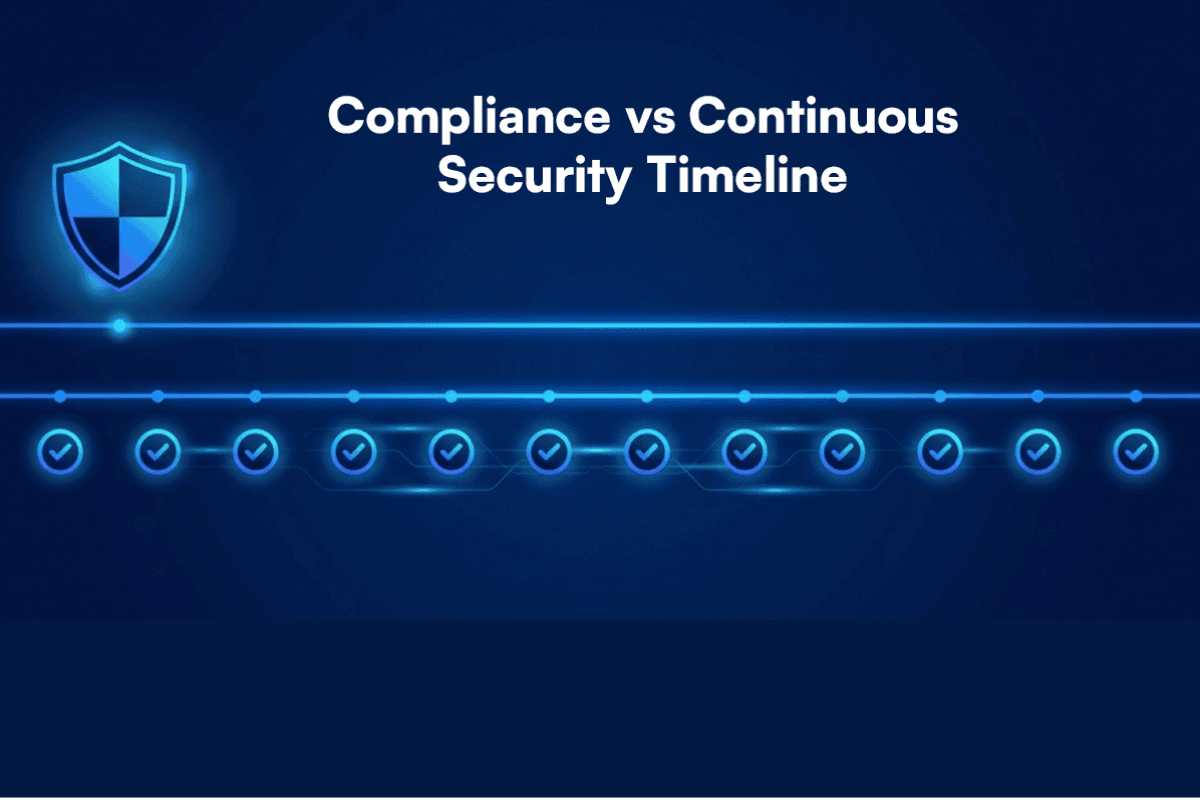
But compliance is evidence of control at a point in time. It is not proof of continuous resilience.
Between one annual test and the next, consider what typically changes:
- New product features
- Infrastructure migrations
- Cloud configuration updates
- Vendor integrations
- Staff turnover
- Access permission shifts
Each of these can introduce new vulnerabilities. Yet none are tested again until the next scheduled engagement.
Regulated organizations assume they are protected because they were compliant. Attackers do not operate on compliance cycles.
The Speed Problem: Your Business Moves Faster Than Your Testing
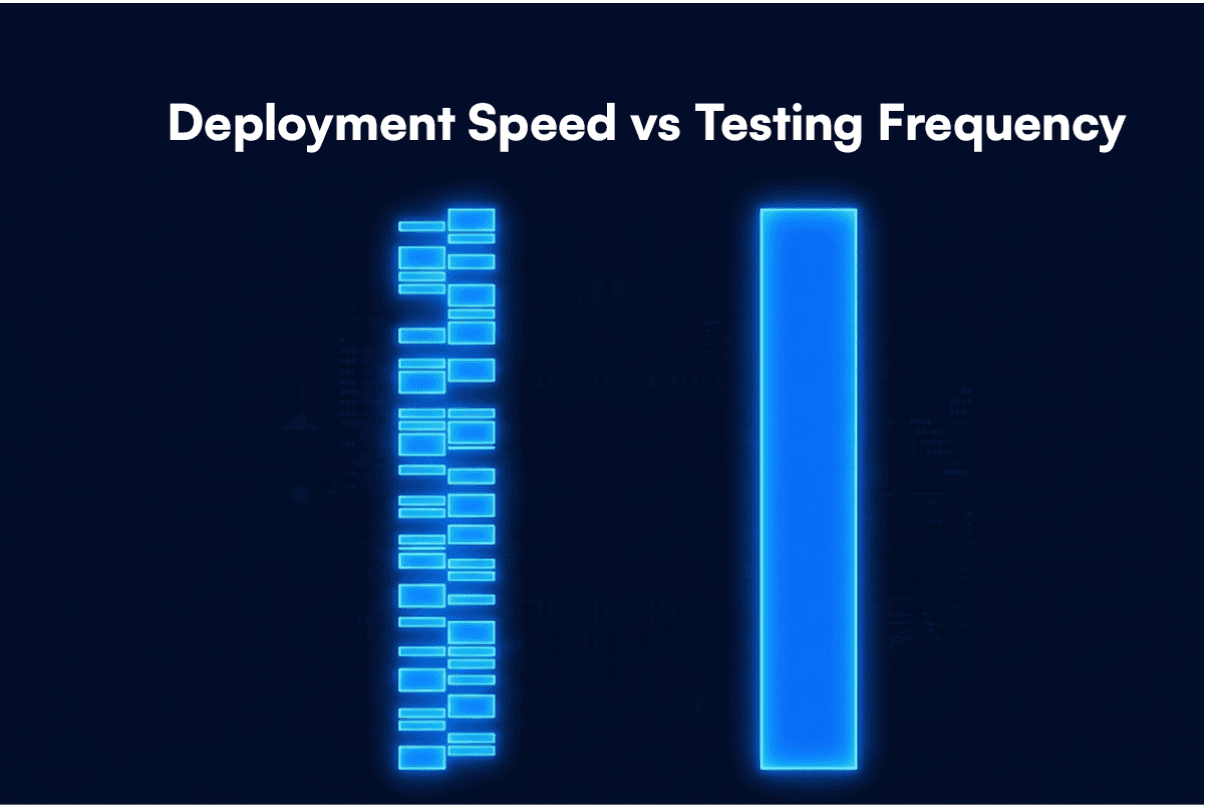
In 2025, most technology teams deploy continuously. Even heavily regulated industries now rely on cloud services and modular systems.
If your engineering team ships monthly, but your pentest happens annually, that means eleven months of unvalidated changes.
That gap is risk.
Traditional pentesting follows a predictable rhythm:
- Scope definition
- Scheduled testing window
- Report delivery weeks later
- Remediation
- Retest, often at additional cost
This process can easily span four to six weeks. During that time, production environments may already have changed again.
Annual pentests fail regulated organizations not because they lack depth, but because they lack continuity.
Security must match operational tempo. Otherwise, it becomes reactive by design.
The Visibility Problem: Static Reports in Dynamic Environments
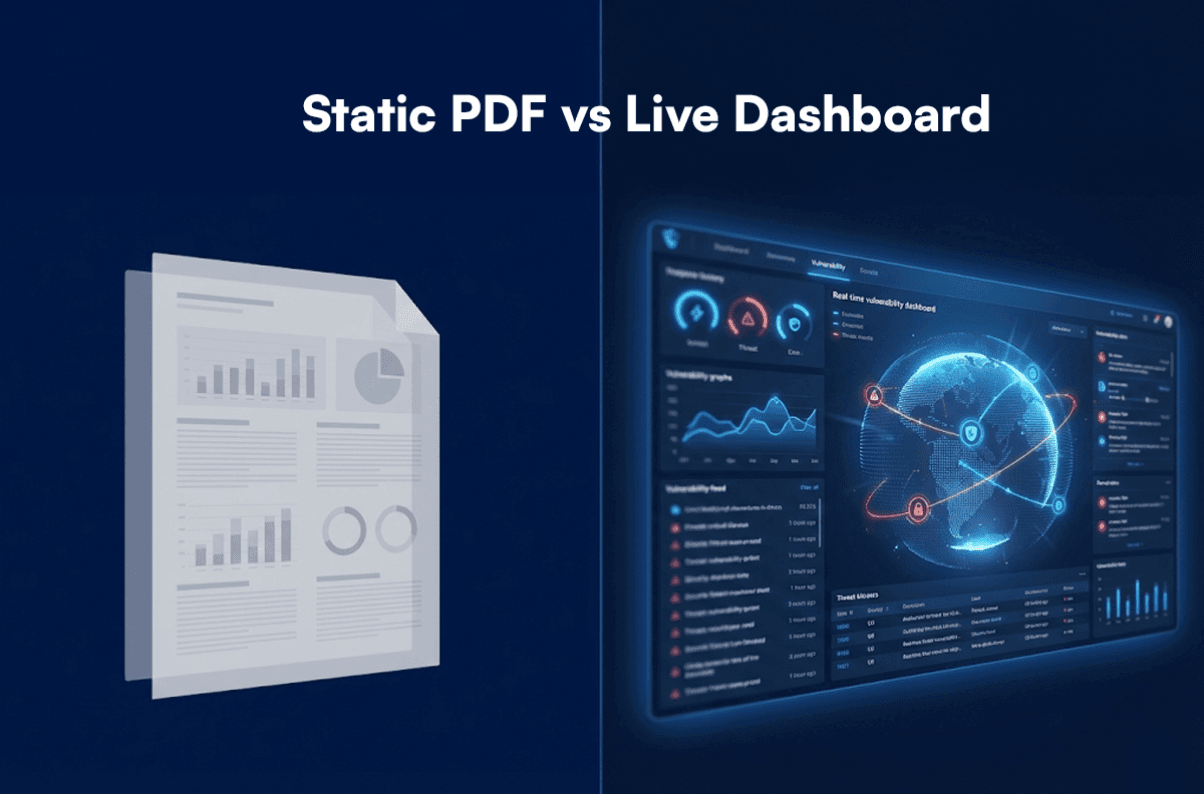
Regulated firms often rely on static PDF reports as their source of truth. These documents are archived for auditors, board meetings, and client assurance.
But static documentation cannot reflect a living system.
A PDF tells you what was vulnerable on a specific date. It does not show:
- What was fixed yesterday
- What new endpoints were added last week
- Which vulnerabilities reappeared after a new release
- How remediation timelines are trending over time
In regulated environments, leadership increasingly asks deeper questions:
- How quickly are critical issues resolved?
- What is our average time to validate a fix?
- Are we continuously testing high-risk assets?
Annual pentests do not provide these answers. They provide a snapshot.
Modern risk management requires a dashboard, not a document.

The Retest Gap: Paying Again for the Same Assurance
Another common failure point in annual testing is retesting friction.
After findings are delivered, engineering teams begin remediation. Weeks may pass before fixes are completed. To verify those fixes, many traditional vendors require a new retest window, often billed separately.
In regulated environments, this creates delays:
- Issues remain open longer than necessary
- Audit evidence becomes fragmented
- Engineers lose context between fix and validation
When retesting is not continuous and frictionless, organizations either delay it or skip it altogether.
That is a compliance and security blind spot.
The False Sense of Maturity
Annual pentesting can create an illusion of maturity.
- Board reports may show “One pentest completed per year.”
- Compliance dashboards show green status indicators.
- Audit checklists are satisfied.
But ask a more meaningful question:
Are we continuously validating our most critical systems?
In regulated industries, attackers target financial records, healthcare data, payment systems, and customer information. These assets cannot afford long validation gaps.
Security maturity is not defined by frequency of reports. It is defined by frequency of verification.
Where Regulated Organizations Are Shifting
Forward-thinking CISOs and CTOs are moving away from annual-only models toward continuous validation frameworks.
This does not mean abandoning structured pentesting. It means evolving how it is delivered.
The shift looks like this:
- From one engagement per year → To ongoing, on-demand testing
- From static PDF reports → To real-time dashboards
- From delayed retesting → To instant validation
- From compliance-driven cadence → To risk-driven cadence
At Capture The Bug, this is exactly why regulated firms adopt a PTaaS model.
Instead of treating pentesting as an annual event, it becomes an always-available capability.
- When a new feature launches, it is tested immediately.
- When a critical fix is deployed, it is verified instantly.
- When an auditor requests evidence, it is exported on demand.
The result is not just compliance readiness. It is operational confidence.

Why This Matters More in ANZ and US Regulated Markets
Regulatory scrutiny in both ANZ and the United States is intensifying. Privacy enforcement, breach disclosure requirements, and board-level accountability are increasing.
In these environments, the cost of “we did a test last year” is high.
Regulators and enterprise clients now ask:
- How often are critical assets tested?
- What is your average remediation time?
- Can you demonstrate continuous oversight?
Annual pentests struggle to answer these questions convincingly.
Continuous pentesting, delivered through a structured, certified framework, does.
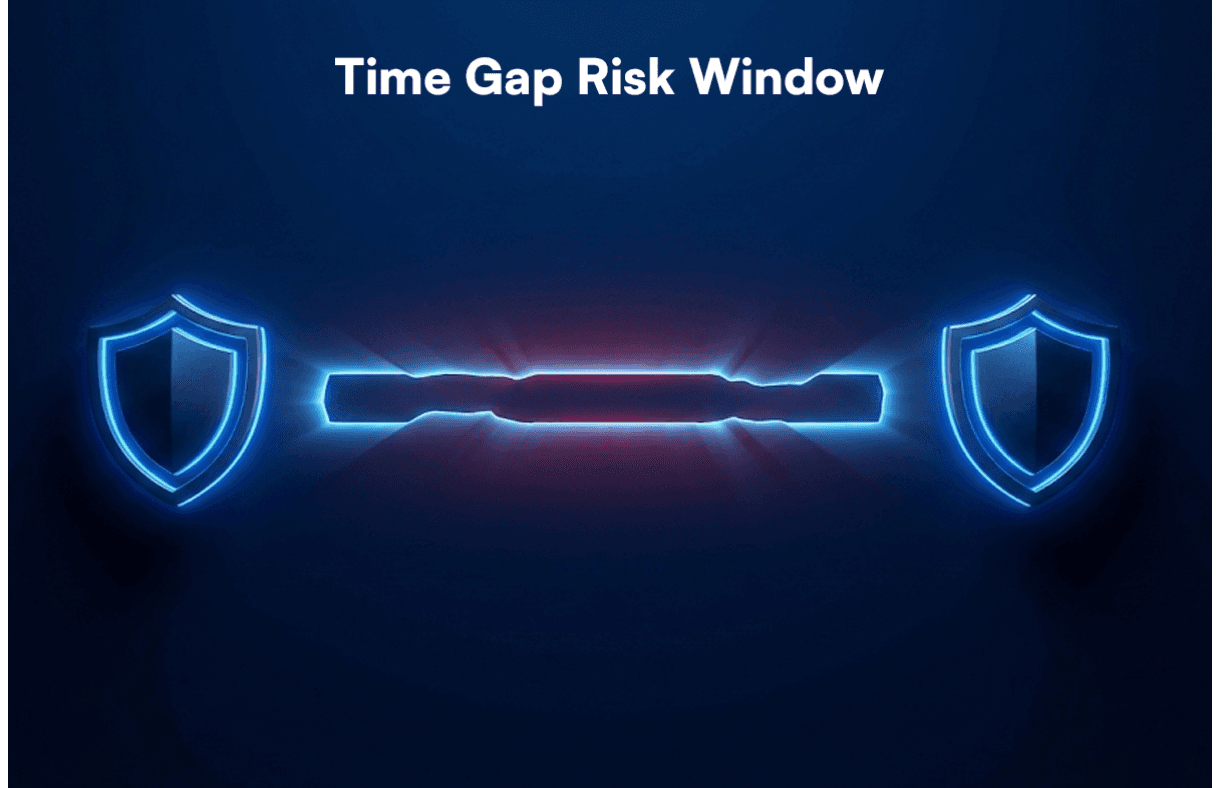
The Real Risk: Time Between Tests
If we reduce the problem to one variable, it is this:
Time.
- Time between deployments and testing.
- Time between detection and validation.
- Time between exposure and remediation.
Annual pentests maximize the time between validation cycles. Continuous models minimize it.
For regulated organizations, reducing that window is not optional. It is essential.
What a Modern Approach Looks Like
A regulated firm operating under ISO 27001 or SOC 2 today needs:
- CREST-certified expertise
- Real-time visibility into vulnerabilities
- On-demand testing for new releases
- Continuous retesting capability
- Audit-ready reporting at any time
This is the model Capture The Bug delivers.
It preserves the rigor of traditional penetration testing while removing the delays that make annual-only models risky.
Security becomes measurable.
Remediation becomes trackable.
Compliance becomes effortless.
Most importantly, assurance becomes continuous.
Final Thoughts
Annual pentesting is not wrong. It is incomplete.
In regulated environments, risk evolves too quickly for once-a-year validation to be sufficient. Compliance frameworks may specify periodic testing, but mature security leaders understand that risk does not wait for the calendar.
The organizations that thrive in 2025 will not be those that test once. They will be those that verify continuously.
For regulated firms across ANZ and the United States, that shift is already underway.
And the question is no longer whether annual pentests fail.
It is whether your organization can afford the gap between them.
FAQ
1. Why are annual pentests insufficient for regulated organizations?
Because infrastructure, cloud configurations, and applications change frequently, creating new risks between yearly testing cycles.
2. Do compliance frameworks require continuous pentesting?
Most require periodic testing, but regulators increasingly expect evidence of ongoing risk management and timely remediation.
3. What is the alternative to annual pentesting?
A continuous PTaaS model that provides on-demand testing, real-time reporting, and instant retesting.
4. Is continuous pentesting more expensive?
In most cases, it reduces total cost by eliminating repeated engagements and shortening remediation cycles.
5. How does Capture The Bug support regulated firms?
Capture The Bug provides CREST-certified continuous pentesting, real-time dashboards, and compliance-ready reporting for ISO 27001, SOC 2, and PCI DSS environments.