Cloud Security Testing in Australia: What Smart Businesses Do Differently
Introduction: The Cloud Changed Everything Except Security Thinking
Over the past few years, Australian businesses have moved fast to the cloud. Infrastructure is no longer fixed. Applications evolve weekly. APIs connect everything.
But here’s the problem.
Security testing has not evolved at the same pace.
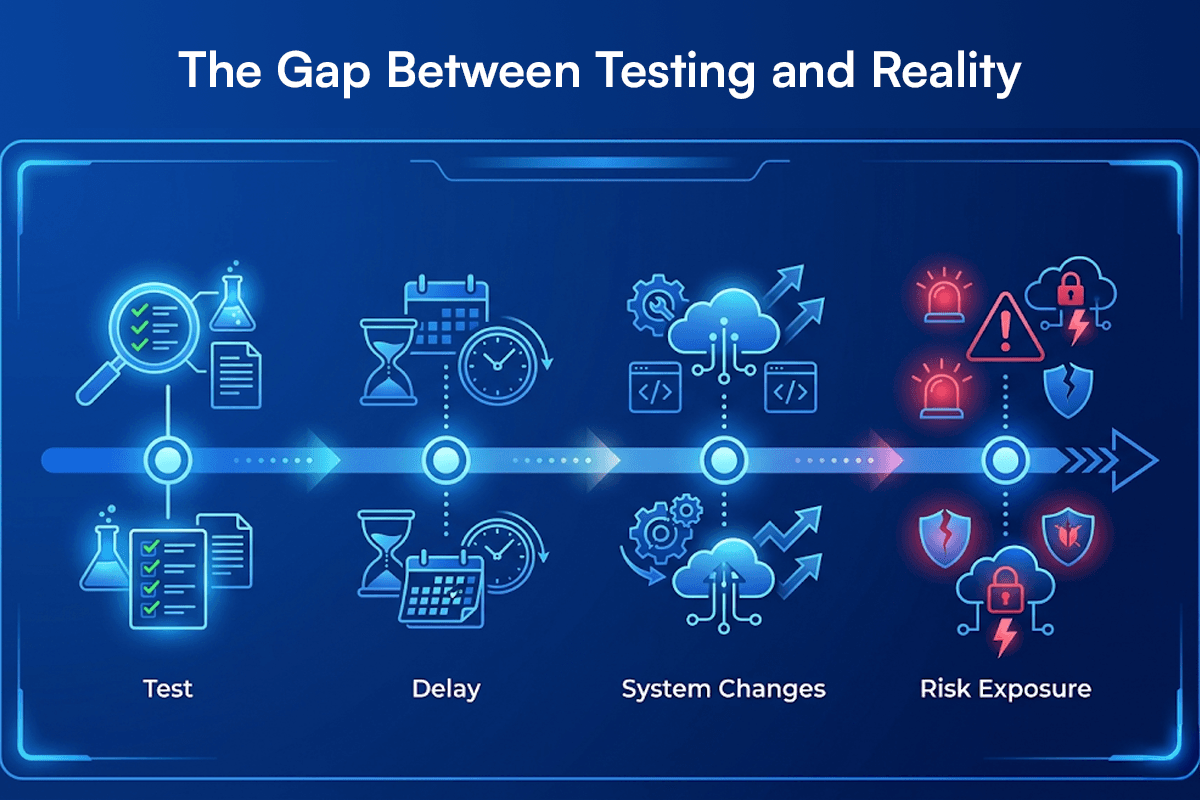
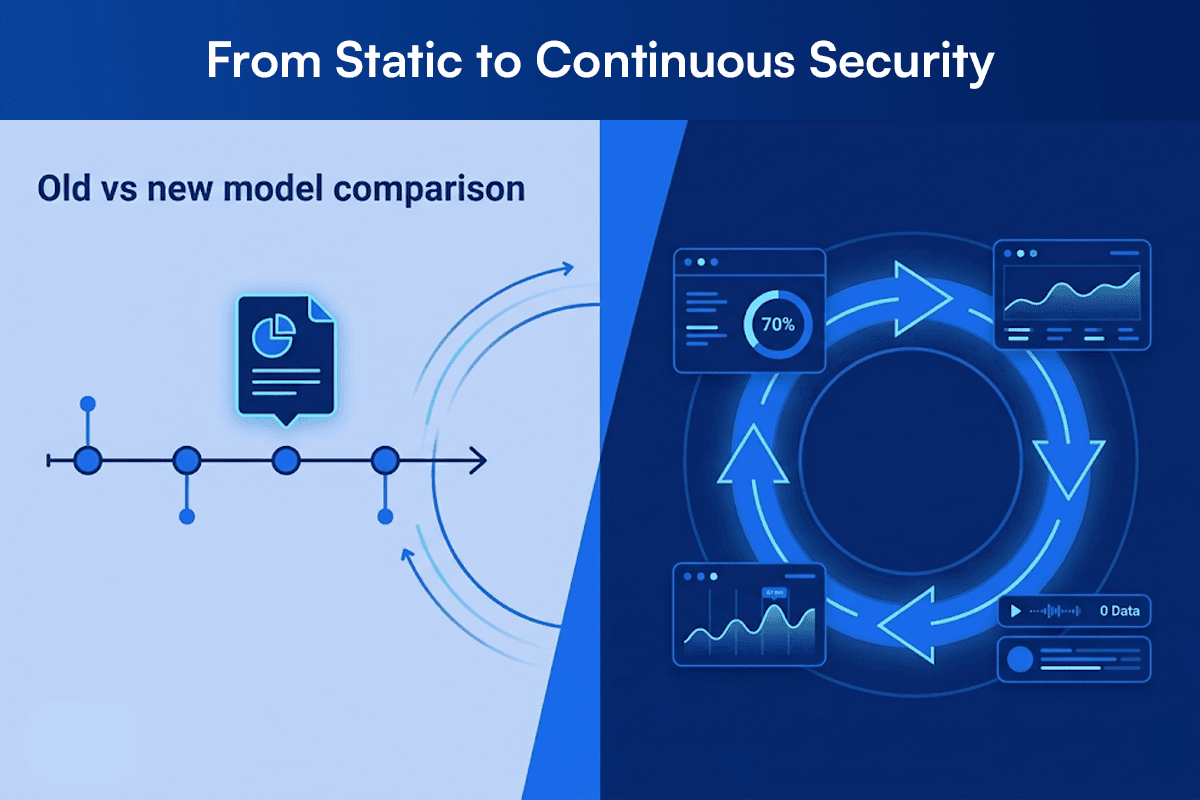
Many companies still rely on periodic assessments that reflect a system as it was weeks ago, not as it is today. By the time issues are reviewed, the environment has already changed.
This gap between change and validation is where risk lives.
Forward-thinking companies across Australia are closing that gap by adopting a more continuous, real-time approach to cloud security testing, led by platforms like Capture The Bug.
What Cloud Security Testing Really Means Today
Cloud security testing is no longer just about checking infrastructure once a year.
It is about continuously validating three core areas:
- Cloud configurations and permissions
- Application logic and APIs
- Data exposure risks across environments
Modern cloud environments are dynamic. New services spin up. Access rules change. Integrations expand.
Testing needs to reflect that reality.
Instead of treating security as a checkpoint, leading companies treat it as an ongoing process embedded into how they build and operate.
This shift is exactly what Penetration Testing as a Service enables. It replaces static assessments with continuous visibility and real-time validation.
Why Traditional Testing Falls Short in Cloud Environments
Traditional penetration testing was designed for stable systems.
Cloud environments are anything but stable.
Here is where the mismatch happens:
1. Timing Gaps Create Risk
A test today does not guarantee safety tomorrow. New deployments can introduce new exposure within hours.
2. Static Reports Age Quickly
By the time a report is delivered, parts of it may already be outdated.
3. Limited Visibility Between Tests
Most risks appear between scheduled assessments, not during them.
4. Retesting Slows Teams Down
Fixes require validation, but traditional models make that slow and expensive.
This is why many Australian businesses are rethinking their approach. The issue is not the quality of testing. It is the delivery model.
The Shift: From Periodic Testing to Continuous Assurance
The most effective cloud security strategies today are built around one principle:
Visibility should be continuous, not occasional.
This is where Capture The Bug's approach stands out.
Instead of waiting weeks for results, businesses get:
- Real-time visibility into vulnerabilities
- Ongoing validation as systems evolve
- Direct collaboration between testers and developers
- Immediate retesting after fixes
This model aligns with how cloud systems actually behave. It also removes the biggest bottleneck in traditional security testing: delay.
What Australian Businesses Need to Focus On
Cloud security testing is not about doing more tests. It is about testing the right things, at the right time.
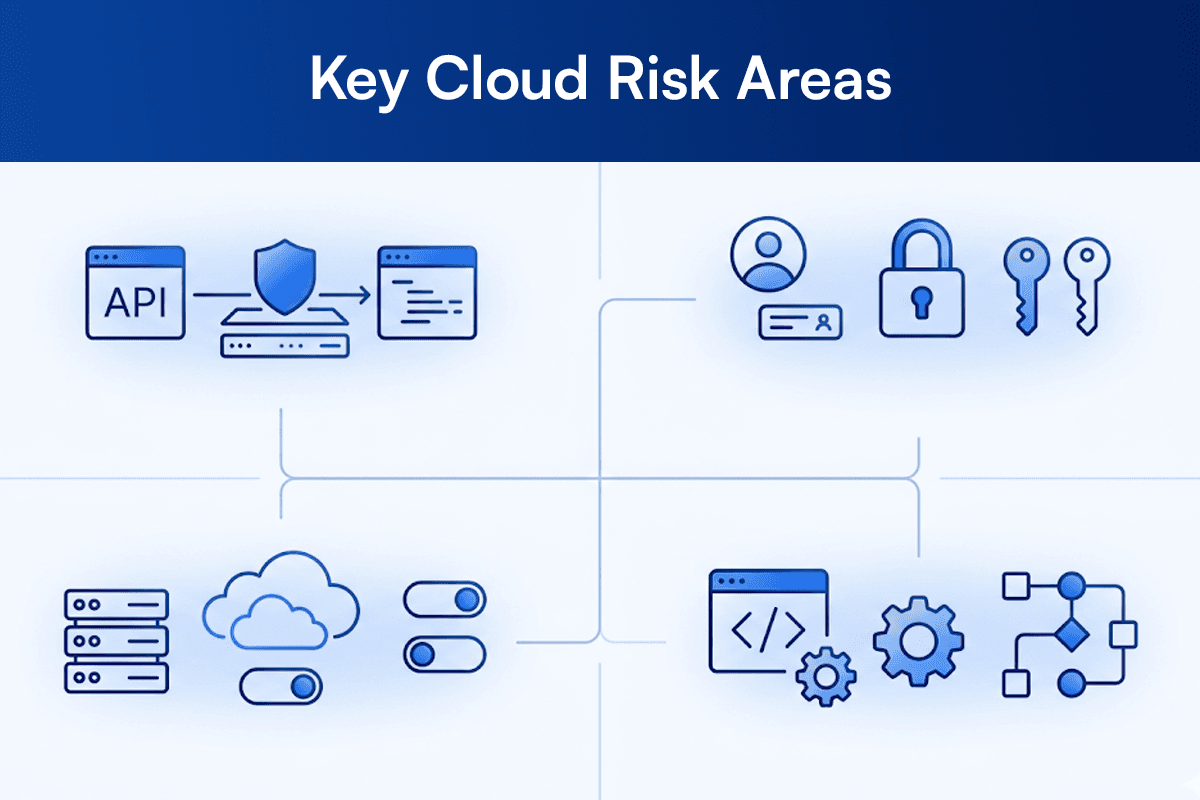
1. API Security
APIs are the backbone of modern applications. They are also one of the most exposed layers.
Testing needs to validate:
- Authentication and authorization logic
- Data handling and exposure risks
- Integration points with third-party services
2. Access and Identity Controls
Misconfigured permissions remain one of the leading causes of breaches. Testing should focus on:
- Role-based access control
- Privilege escalation paths
- Identity misconfigurations
3. Cloud Configuration Risks
Small configuration errors can create large exposure. This includes:
- Open storage buckets
- Misconfigured network rules
- Publicly exposed services
4. Application Logic
Not all vulnerabilities are technical. Many exist in business logic. These require human validation to identify real-world impact.
The Role of Continuous Testing in Modern Cloud Security
Continuous testing changes how businesses think about risk. Instead of asking, "Are we secure right now?" the question becomes: "What has changed, and what needs attention today?"
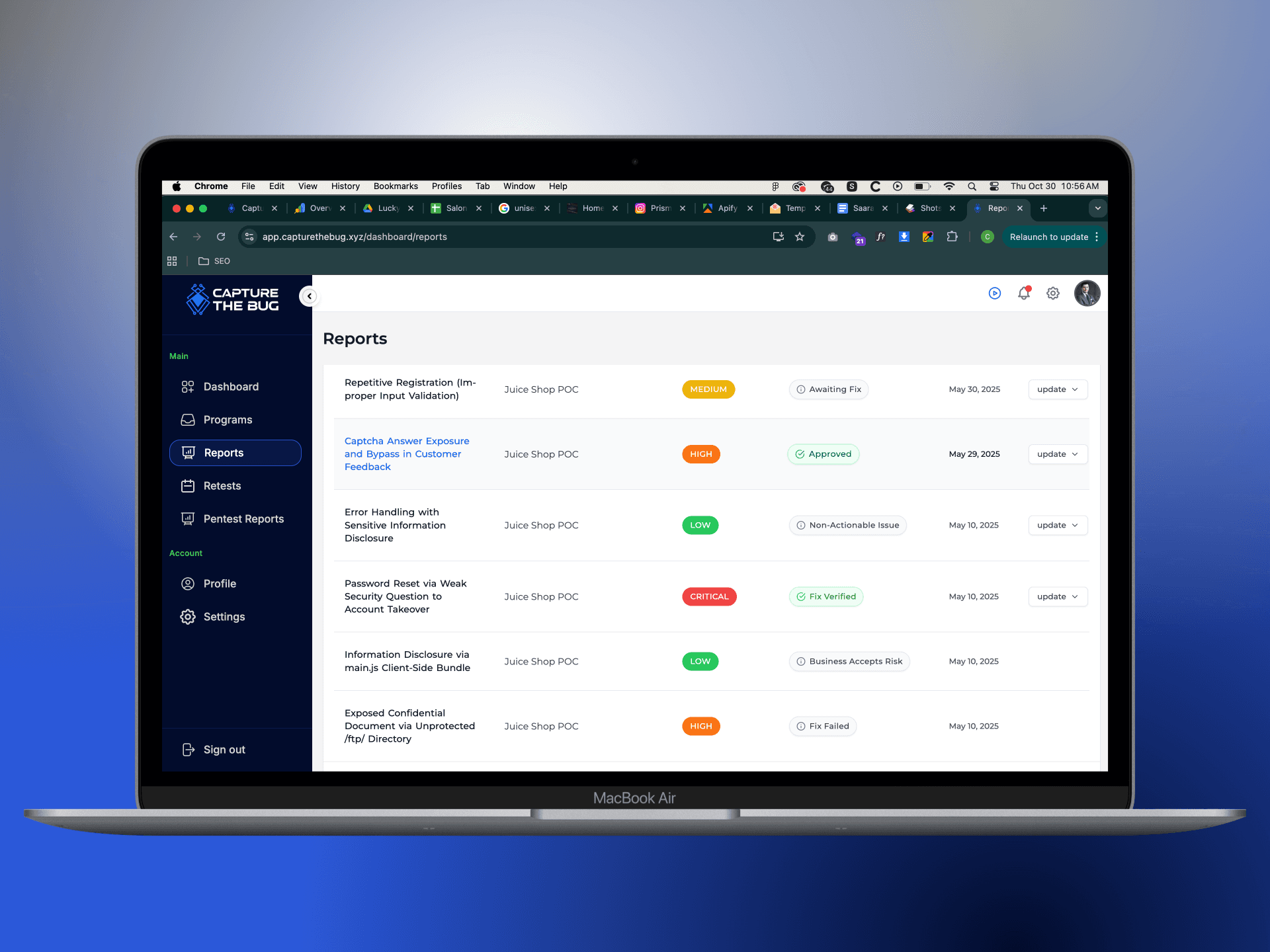
With platforms like Capture The Bug, this becomes practical. Teams can:
- Test new features before release
- Validate integrations as they are added
- Monitor risk across environments in real time
- Track remediation progress continuously
This approach reduces the window between detection and resolution. That is where the real security value lies.

Compliance in Australia: More Than a Checkbox
Australian businesses often operate under strict compliance requirements. Frameworks like ISO 27001, SOC 2, and PCI-DSS demand evidence of security practices.
The challenge is not just meeting compliance once. It is maintaining it.
Traditional testing creates last-minute pressure before audits. Continuous testing removes that stress.
With Capture The Bug, companies can generate compliance-ready reports anytime, backed by real-time data instead of outdated snapshots. This shifts compliance from reactive to always-ready.
How Capture The Bug Supports Cloud Security Testing
Capture The Bug delivers cloud security testing through a continuous, service-based model. It combines:
- CREST-certified testing expertise
- Real-time reporting dashboards
- On-demand testing aligned with releases
- Direct collaboration between teams
- Instant validation of fixes
Instead of waiting for results, businesses operate with ongoing clarity. This approach reflects what modern security needs to be: fast, transparent, and integrated into daily workflows.
Real Business Impact: What Changes When Testing Becomes Continuous
When cloud security testing evolves, the impact is measurable.
- Faster Risk Detection: Issues are identified within hours, not weeks.
- Faster Remediation: Developers fix vulnerabilities while context is still fresh.
- Reduced Exposure Window: Less time between discovery and resolution means lower risk.
- Better Collaboration: Security and engineering teams work together, not in silos.
- Stronger Customer Trust: Real-time visibility builds confidence with clients and stakeholders.
When Should a Business Upgrade Its Testing Approach
Many Australian companies reach a point where traditional testing no longer fits. Signs include:
- Frequent releases or updates
- Growing reliance on APIs and integrations
- Increasing compliance requirements
- Difficulty tracking vulnerabilities between tests
- Delays in remediation and validation
At this stage, the shift to continuous testing is not optional. It becomes necessary.
The Bigger Picture: Cloud Security as a Continuous Practice
Cloud security is not a one-time effort. It is an ongoing process that evolves with your infrastructure.
The companies that succeed are not the ones that test more often. They are the ones that remove gaps between testing, fixing, and validating. That is exactly what modern platforms like Capture The Bug enable.
Final Thoughts
Cloud environments move fast. Security needs to move faster.
Australian businesses that rely on static testing models will continue to face delays, blind spots, and unnecessary risk.
Those that adopt continuous cloud security testing gain something more valuable than compliance. They gain clarity.
With Capture The Bug, security becomes part of how the business operates every day, not just something reviewed once a year.
That is the shift that defines modern cybersecurity.
FAQ
1. What is cloud security testing?
Cloud security testing evaluates cloud infrastructure, applications, and APIs to identify vulnerabilities and misconfigurations that could expose data or systems.
2. Why is traditional testing not enough for cloud environments?
Because cloud systems change frequently, making periodic tests outdated quickly and leaving gaps between assessments.
3. How does continuous testing improve cloud security?
It provides real-time visibility, faster detection, and immediate validation of fixes, reducing overall risk exposure.
4. Is cloud security testing required for compliance in Australia?
Yes. Frameworks like ISO 27001, SOC 2, and PCI-DSS require regular testing and evidence of security practices.
5. How does Capture The Bug support cloud security testing?
Capture The Bug provides continuous, CREST-certified testing with real-time reporting, helping businesses detect and fix vulnerabilities faster.