
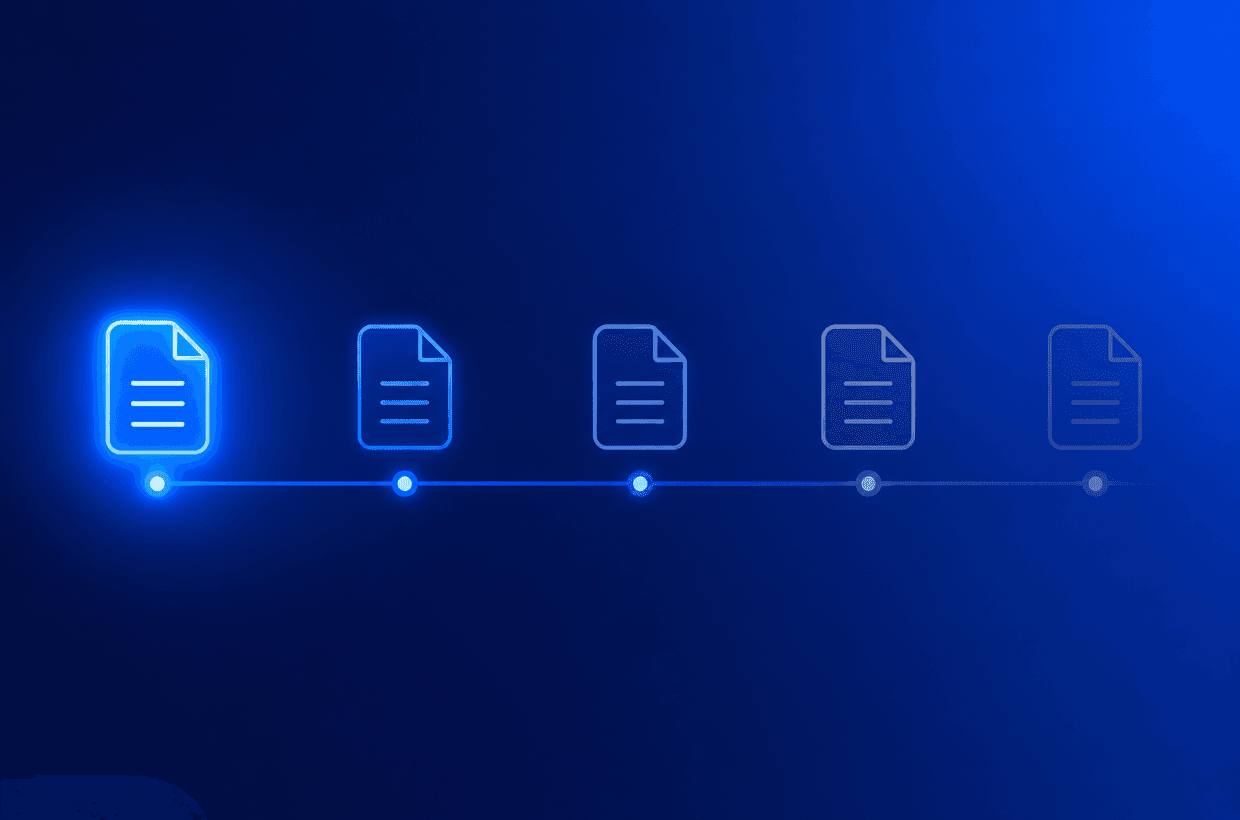
The cycle repeats at most SaaS companies once a year. A pentest gets scheduled, usually because an auditor, an investor, or a big customer asked for evidence. Testing runs for a couple of weeks. A report arrives, gets reviewed in a meeting, gets filed somewhere safe, and the company moves on feeling reasonably good about where things stand.
That feeling rarely survives thirty days, even though almost nobody says so out loud. The report does not become wrong exactly. It becomes a description of a product that has already changed in ways that matter.
What actually changes in thirty days
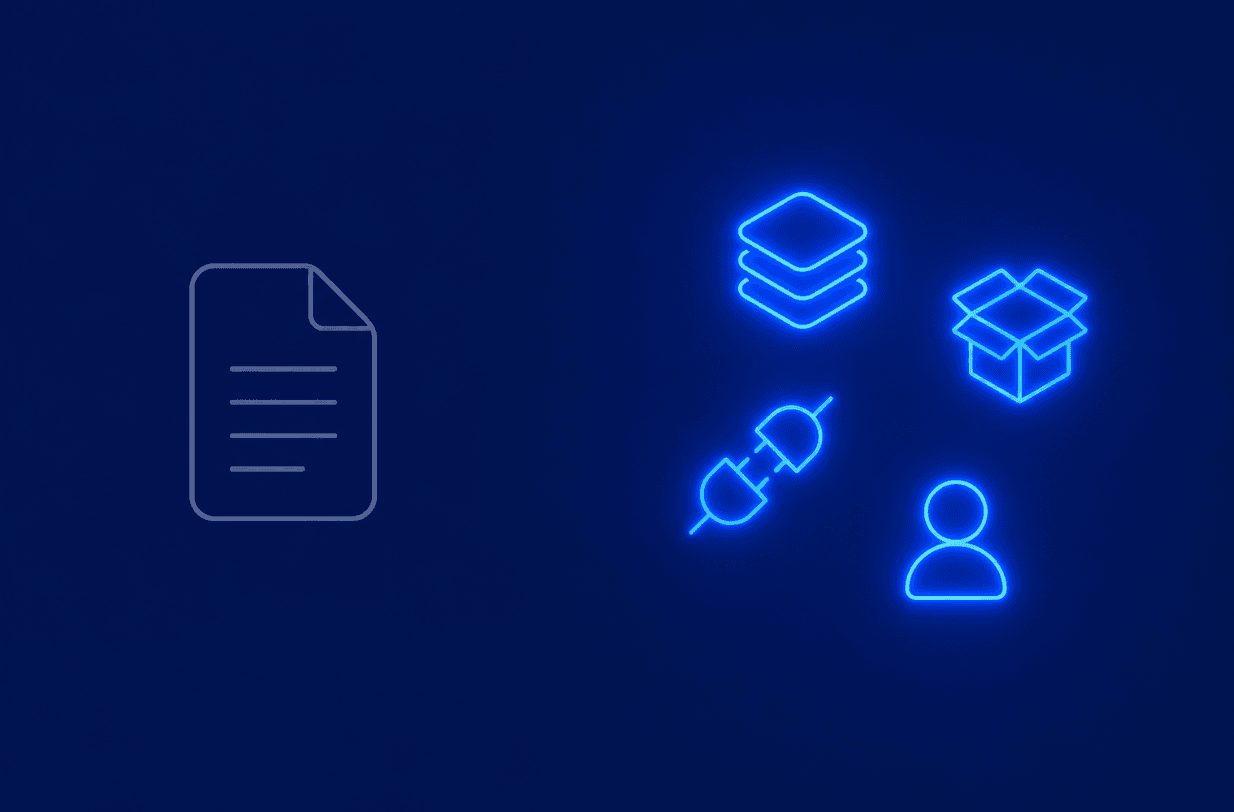
Most SaaS companies ship more often than once a year, often far more often than once a month. New features go out. Old ones get modified. A dependency gets bumped to a newer version because the old one had a separate issue entirely. A new integration gets connected to make a sales deal happen faster. Someone on the team gets access to a system they did not have access to thirty days ago, and someone who left no longer should have access they technically still do.
None of that shows up in a report written before any of it happened. The pentest captured the product as it existed during a specific window. Everything shipped after that window is, from a security testing standpoint, unverified. The report did not get less accurate. The product simply moved past it.
Why companies still buy it this way anyway
None of this is news to most CTOs, yet the annual report persists, mostly because it satisfies a specific requirement rather than because anyone believes it reflects the current state of the product. An auditor wants evidence. A customer's security questionnaire has a checkbox for it. A board wants a one-line update that security has been handled this year. The annual report checks all of those boxes efficiently, even while everyone quietly understands its shelf life is short.
The habit also persists because it has simply always been done this way. Most vendors sell pentesting as a project with a start and an end, so most companies buy it that way without stopping to ask whether a project with a hard stop actually matches a product that never stops changing.
Your Last Pentest Is Already Out of Date
Every week you ship without continuous testing is a week a vulnerability goes unseen. See what Capture The Bug finds in your first engagement.
Book a demo
If the last pentest report on file is more than thirty days old and several releases have shipped since, it is worth finding out exactly how much of that report still reflects what is running today. Book a demo with Capture The Bug and see what continuous testing actually looks like once it replaces a once-a-year snapshot.
What NZ and AU CTOs are doing instead
A noticeable shift has been happening among CTOs across New Zealand and Australia. Rather than treating a pentest as an annual purchase, more teams are treating security testing the way they treat monitoring or uptime, as something that runs continuously in the background and surfaces issues as they appear, not once a year in a single document.
In practice, that means testing happens on a rolling basis tied to how the product actually changes, with new findings appearing on a live dashboard as they are confirmed rather than sitting in a queue until a final report gets compiled. When a major feature ships, the relevant part of the product gets tested again soon after, not twelve months later. Retesting a fix is part of the same ongoing relationship instead of a brand new invoice and a brand new wait.
This shift is also showing up directly in how penetration testing for startups gets approached early on. Founders who once assumed a single annual test was simply what security testing meant are increasingly choosing a continuous setup from the start, because it maps onto how fast they are actually shipping rather than how slowly a traditional vendor used to expect them to move.
The cost angle nobody quite says out loud
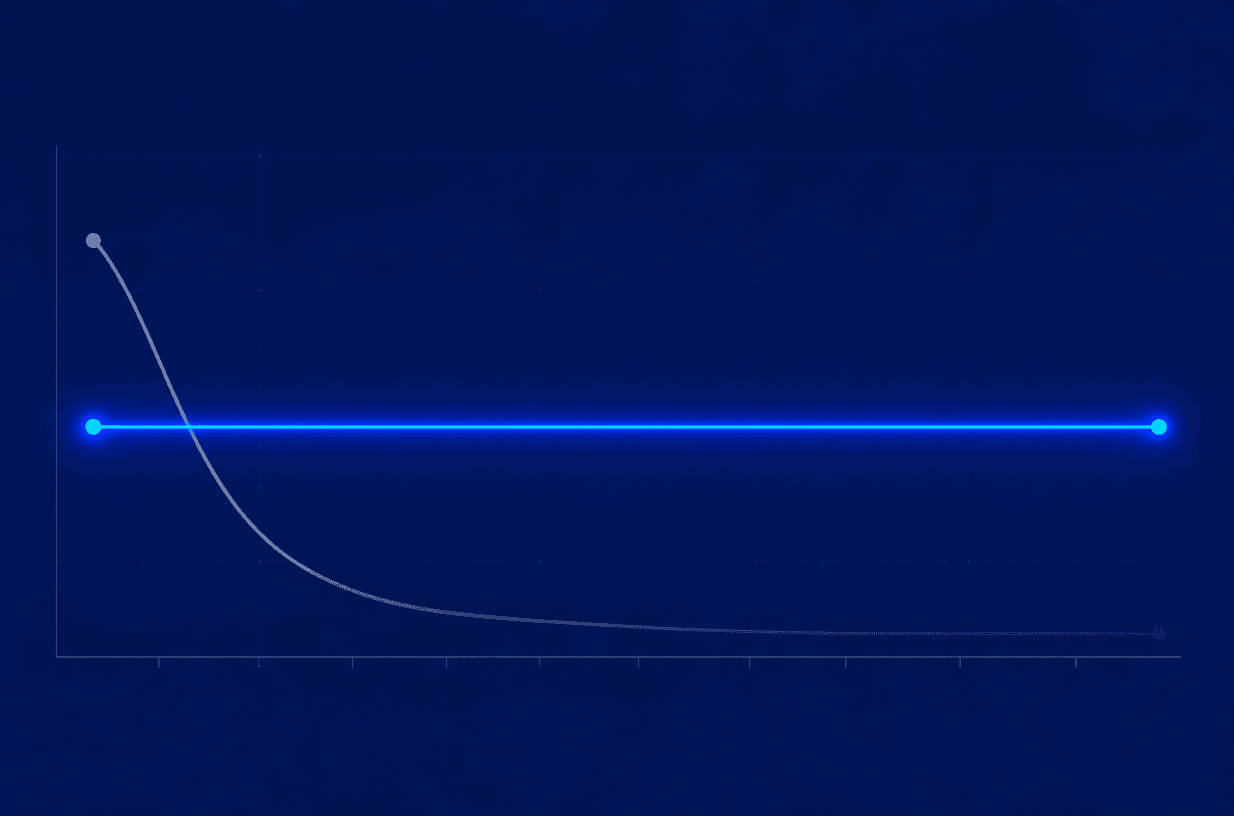
This connects directly to how penetration testing cost in Australia and New Zealand should actually be evaluated. A single annual report, priced as one large engagement, delivers most of its value in the days right after it lands and then depreciates steadily as the product changes underneath it. By month eleven, a company is often paying the same renewal price for a report that has been stale for most of the year it was supposed to cover.
Spreading that same overall investment across a continuous penetration testing service keeps the value closer to flat across the year instead of front-loaded into one expensive moment that fades fast. The total spend does not need to grow to fix this. It needs to be distributed differently, to match how the product actually behaves.
This same logic applies to api pentest services specifically. APIs tend to change the fastest of anything in a modern SaaS product, new endpoints, new integrations, new permissions, which makes an annual snapshot of an API surface stale faster than almost anything else in the system.
What this means for your roadmap

A pentest report is not a bad investment. It is simply the wrong shape for how most SaaS companies actually operate. Treating it as a once-a-year purchase guarantees that for most of the year, the company is operating on outdated evidence about its own security posture, even while believing the opposite. A penetration testing service built around continuous coverage solves the actual problem rather than the symptom, by testing the product as it exists today instead of as it existed during one window many months ago.
This is not a call to throw out everything a CTO already has on file. A past pentest report still has value as a starting point, a record of what the testers knew at the time and how the team responded. The shift is in what happens after that report lands. Instead of treating it as the final word until next year's renewal invoice arrives, it becomes the opening entry in an ongoing record that a penetration testing service keeps updating as the product itself keeps changing.
The next time that annual report lands, it is worth asking a different question than usual. Not whether the findings were accurate. Whether they will still be accurate in thirty days.
Plan Your Annual Pentesting Strategy the Right Way
Learn how modern SaaS companies structure pentesting across the year to reduce risk, stay compliant, and avoid last-minute panic before audits.
FAQ
Why does a pentest report lose value so quickly?
Because most SaaS products change faster than once a year. New features, dependency updates, new integrations, and changes in who has access to what all happen continuously, and none of that gets reflected in a report written before those changes occurred.
Do CTOs still need an annual pentest report for compliance?
Often yes, for now, since many auditors and customer security questionnaires still expect a dated report on file. The shift happening among NZ and AU CTOs is toward generating that evidence through continuous testing rather than relying on it as the only form of testing the product receives all year.
What does continuous testing actually look like in practice?
Instead of one engagement with a single final report, testing runs on an ongoing basis, with findings appearing on a live dashboard as they are confirmed. Retesting a fix happens as part of the same relationship instead of requiring a new project and a new invoice each time.
How does this affect penetration testing cost over a full year?
The overall spend does not need to increase. Spreading the same investment across continuous testing instead of one large annual engagement tends to keep the value of that spend more consistent across the year, rather than concentrated into the days right after a single report lands.
Is this approach realistic for an early-stage startup, or only larger companies?
It works well for both, and arguably benefits early-stage companies more, since startups tend to ship changes the fastest. For penetration testing for startups specifically, a continuous setup tends to match the pace of shipping far better than a single annual snapshot ever could.