Beyond the Hype: What Cloud Security Really Means for Modern Businesses
Cloud security is not a feature. It is the foundation of digital trust.
In 2026, nearly every growth-focused company operates on cloud infrastructure. From SaaS startups in ANZ to enterprise platforms in the US, applications, data, and customer interactions now live in distributed cloud environments.
But here is the reality most leadership teams discover too late:
Your cloud provider protects the infrastructure. You are responsible for everything built on top of it.
Capture The Bug regularly sees organizations that assume the cloud itself guarantees safety. What it guarantees is physical resilience. What it does not guarantee is secure configuration, strong identity governance, or protected APIs.
This article clarifies what cloud security truly involves, where companies typically fail, and how modern teams should approach it.
What Cloud Security Actually Covers
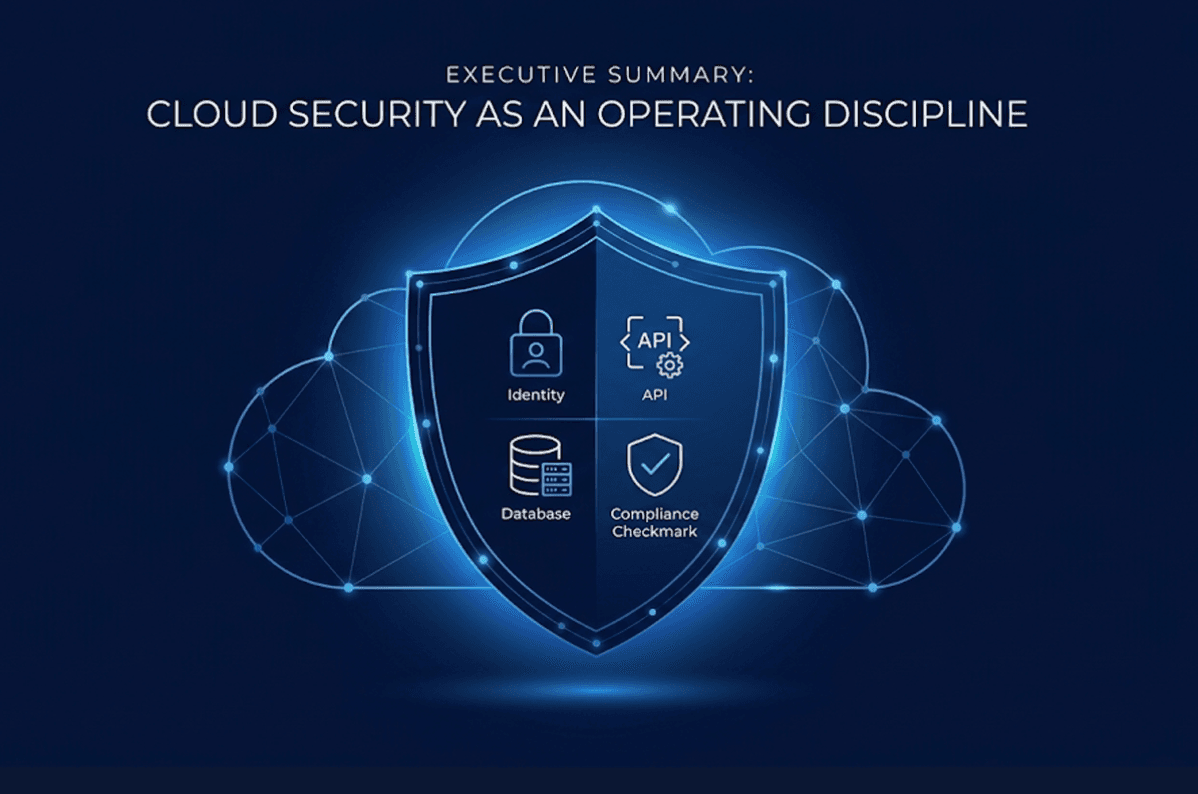
Cloud security is the coordinated protection of:
- Applications
- APIs
- Databases
- Storage systems
- Identity and access controls
- Network configurations
- Cloud workloads
It is not one product.
It is not a dashboard.
It is not an annual audit.
It is an ongoing operational discipline that must move at the same pace as development.
If engineering teams deploy features weekly or daily, security validation cannot operate quarterly.
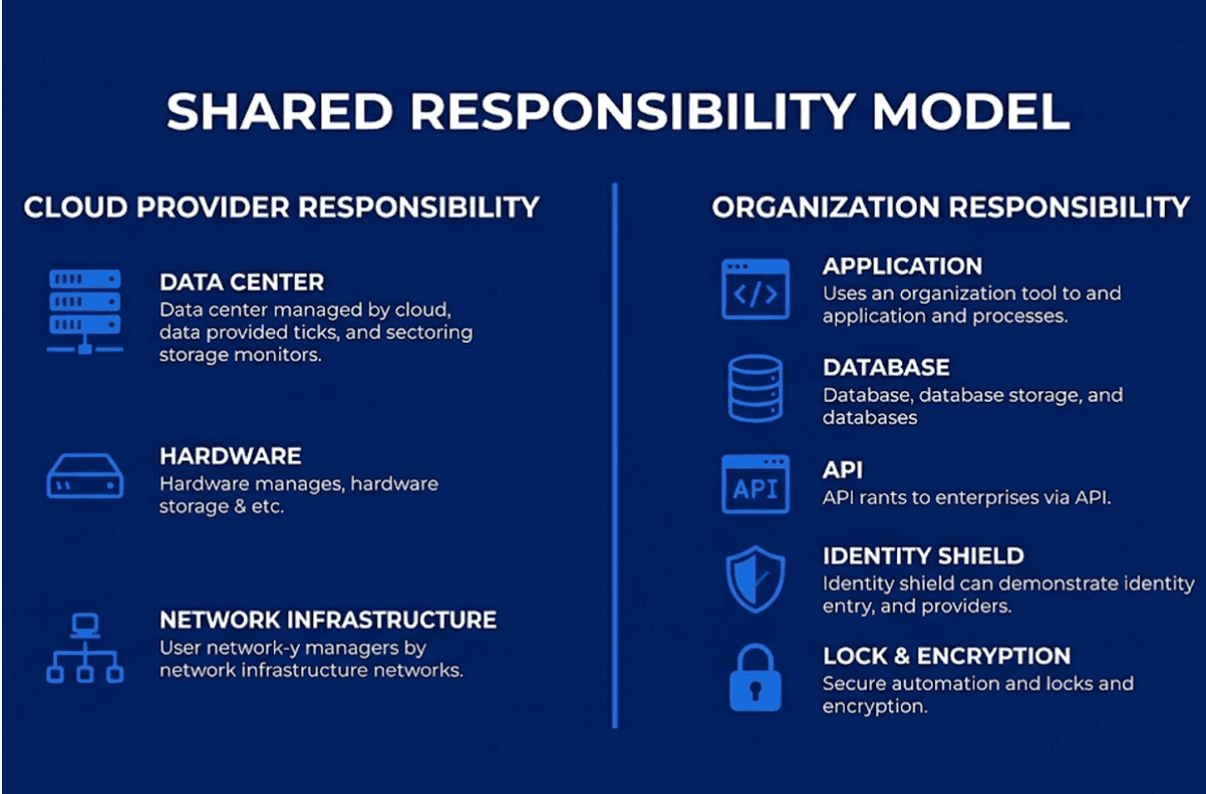
The Shared Responsibility Model Explained Clearly
All major cloud providers follow a shared responsibility model.
What the Cloud Provider Secures
- Physical data centers
- Hardware and networking infrastructure
- Core virtualization layers
What Your Organization Secures
- Applications and APIs
- Identity and access management
- Data encryption and classification
- Storage permissions
- Network rules and segmentation
- Backup and recovery policies
- Compliance alignment
When a storage bucket becomes public, that is not a provider failure.
When an admin account lacks multi-factor authentication, that is not a provider failure.
When an API exposes sensitive records, that is not a provider failure.
Most cloud breaches stem from configuration and identity mistakes, not infrastructure compromise.
Why Cloud Security Is Now a Leadership Priority
Cloud incidents today rarely stay internal.
They result in:
- Regulatory scrutiny
- Customer trust erosion
- Investor pressure
- Lost contracts
- Public reputation damage
Frameworks such as ISO 27001, SOC 2, PCI-DSS, and HIPAA require structured, demonstrable cloud controls.
Regulators and enterprise clients no longer accept static, once-a-year assessments. They expect continuous oversight and documented remediation workflows.
Cloud security is no longer an IT issue. It is a governance issue.
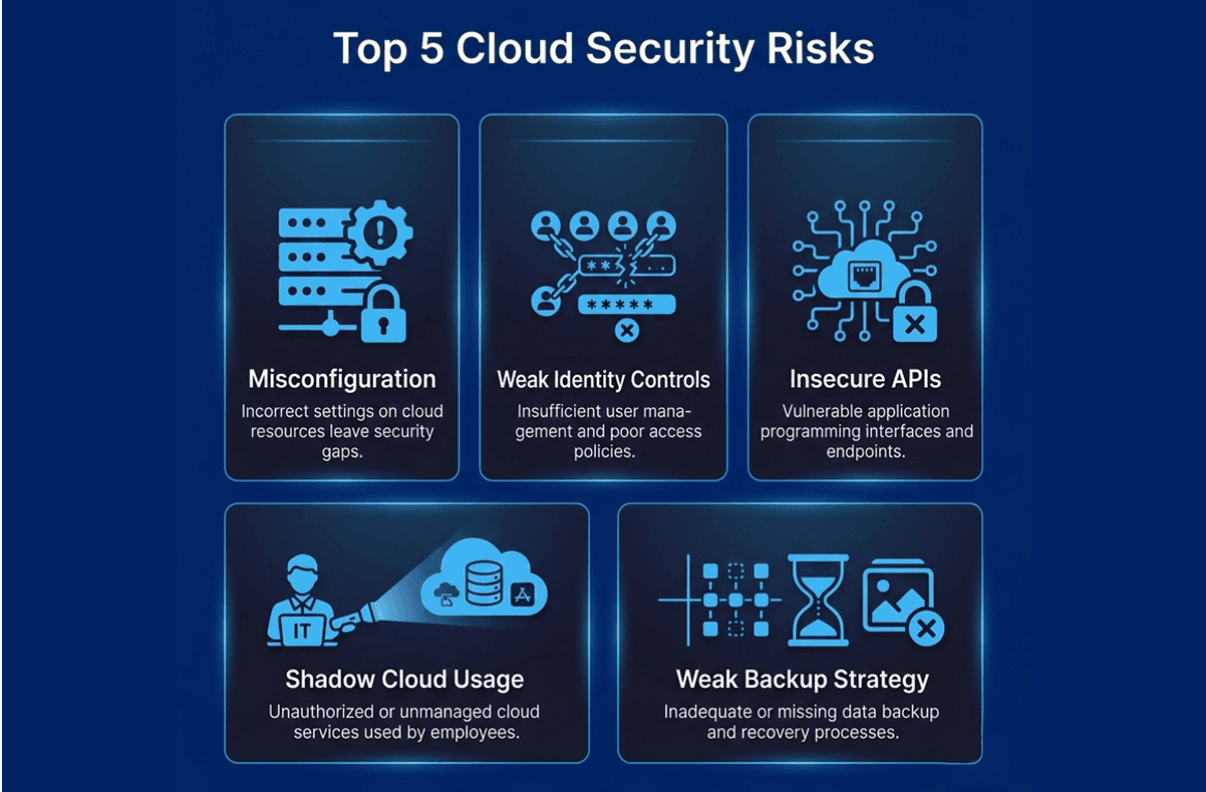
The Most Common Cloud Security Risks
Across industries, the patterns are consistent.
1. Misconfigurations
Still the leading cause of cloud exposure. Examples include:
- Public storage buckets
- Overly permissive firewall rules
- Open administrative ports
- Default security groups left unchanged
These are rarely malicious. They are usually the byproduct of speed without verification.
2. Weak Identity Controls
Identity is the true perimeter in cloud environments. Common failures:
- Excessive permissions
- Dormant accounts
- Lack of multi-factor authentication
- No periodic access review
If identity governance is weak, attackers do not need to break in. They log in.
3. Insecure APIs
Modern SaaS platforms are API-driven. APIs expose business logic and customer data. Frequent issues:
- Broken access control
- Insufficient validation
- Poor rate limiting
- Improper authentication checks
APIs expand rapidly. Without continuous testing, risk expands with them.
4. Shadow Cloud Adoption
Business units often introduce new SaaS tools without centralized review. Each new integration creates:
- Additional data pathways
- Access tokens
- Permission chains
Many organizations underestimate their real cloud footprint.
5. Weak Backup and Recovery Planning
Cloud availability does not equal resilience. Common oversights:
- Backups stored in the same region as production
- No restoration testing
- No defined recovery time objectives
If recovery has not been tested, it cannot be assumed.
The Controls That Actually Strengthen Cloud Security
Strong cloud security is layered and validated.
Configuration Governance
Continuous review of infrastructure settings against security benchmarks and compliance frameworks. This identifies exposure early but must be paired with exploit validation to prioritize correctly.
Workload Protection
Monitoring of virtual machines, containers, and serverless services to detect abnormal behavior inside cloud workloads.
Identity Governance
Enforcing least privilege access, role-based controls, time-bound elevated permissions, and regular permission reviews. Identity discipline is foundational in cloud environments.
Data Protection
Encryption must be implemented correctly across data at rest, data in transit, key management processes, and access control for encryption keys. Encryption without strong key governance is incomplete protection.
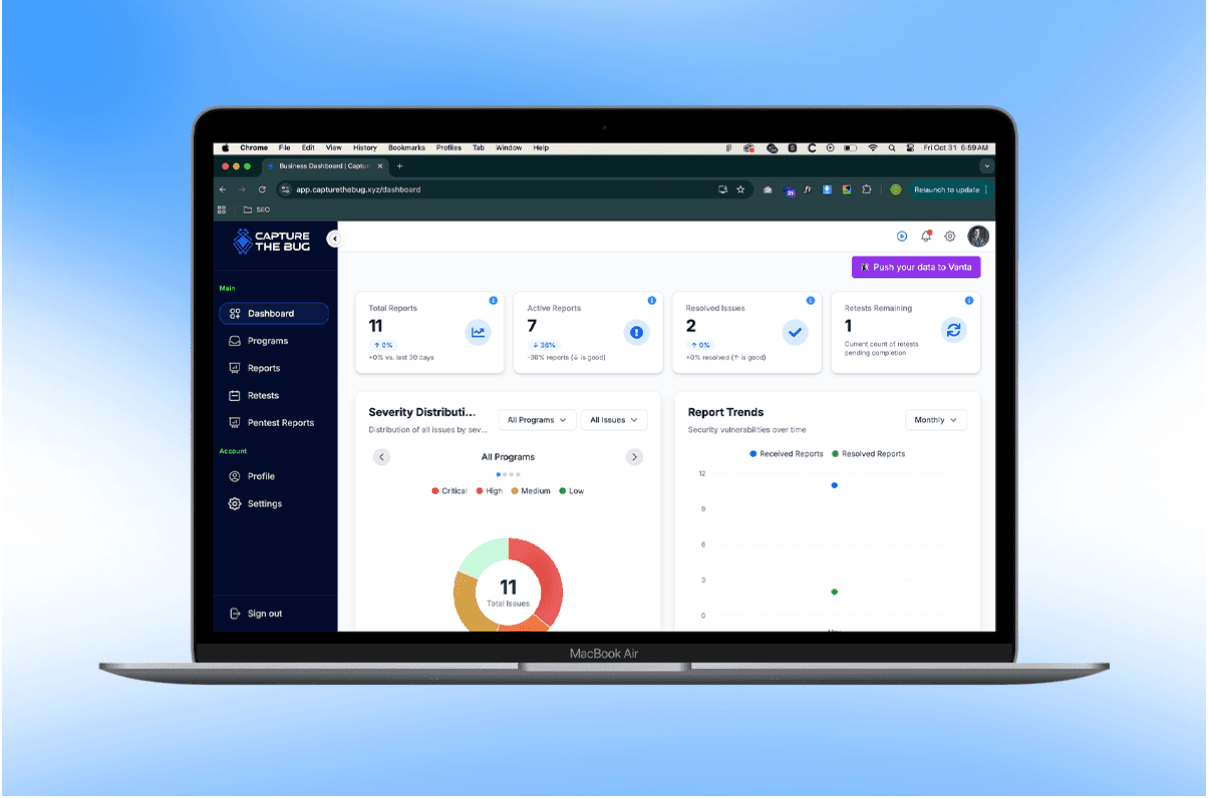
Continuous Cloud Penetration Testing
Annual penetration tests cannot keep up with cloud velocity.
Capture The Bug operates as a CREST-certified PTaaS provider focused on continuous cloud validation rather than static reporting.
Its model emphasizes:
- Real-time vulnerability validation
- Prioritization based on real exploitability
- Ongoing retesting as infrastructure evolves
- Clear compliance alignment
- Direct collaboration between testers and engineering teams
Cloud security should not generate noise. It should validate real risk before attackers do.
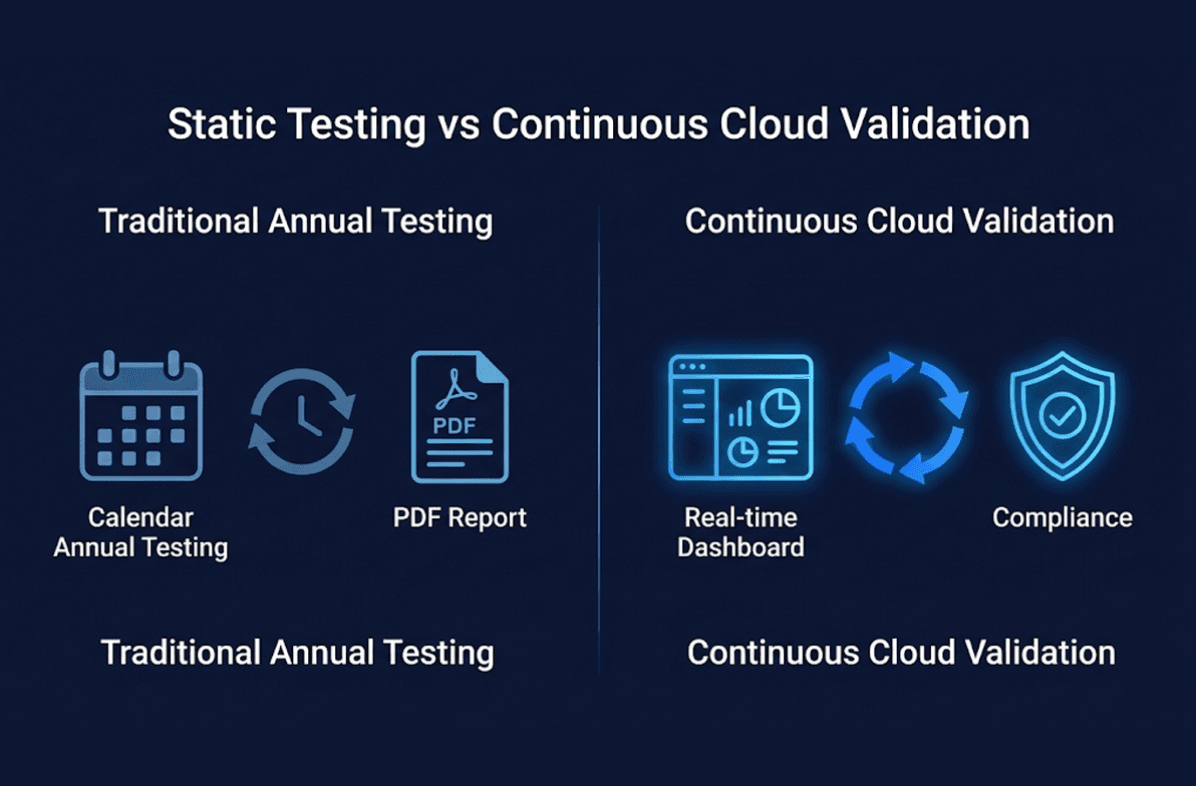
The Shift Toward Continuous Assurance
Cloud environments change daily.
New deployments.
New integrations.
New identity roles.
New APIs.
When infrastructure changes continuously but testing does not, blind spots form.
Continuous validation ensures:
- Identity drift is detected early
- Misconfigurations are verified quickly
- API risks are confirmed before exploitation
- Compliance readiness is maintained year-round
Audit readiness should be operational, not reactive.
Capture The Bug’s Perspective
Capture The Bug’s approach is grounded in one principle:
Cloud security must move at the speed of innovation.
By combining CREST-certified expertise with a continuous testing model, the company helps organizations:
- Understand their real attack surface
- Validate risk instead of assuming it
- Strengthen identity governance
- Align cloud controls with compliance expectations
- Maintain continuous visibility into exploitable weaknesses
The goal is not simply to pass audits.
The goal is to prevent incidents.
Final Thoughts
Cloud security in 2026 is about discipline, visibility, and validation.
Organizations that treat it as an ongoing operating function scale confidently.
Those that treat it as a periodic compliance exercise accumulate silent risk.
Leadership teams should be asking:
- Do we know what is exposed externally?
- Are identity permissions tightly controlled?
- Are APIs continuously validated?
- Can compliance evidence be produced immediately?
- Are we testing cloud environments the way real attackers would?
Cloud enables speed. But without continuous validation, it also accelerates exposure.
Capture The Bug’s position is clear: modern cloud environments require continuous, expert-led validation and transparent collaboration between security and engineering teams.
Because in the cloud, speed without security is simply accelerated risk.
FAQ
1. What is cloud security?
Cloud security refers to the policies, technical controls, and testing processes used to protect cloud-hosted data, applications, and infrastructure from unauthorized access and breaches.
2. Who is responsible for cloud security?
Cloud providers secure the infrastructure layer. Organizations are responsible for securing their applications, configurations, identities, and data inside the cloud.
3. What are the biggest cloud security risks?
Misconfigurations, weak identity management, insecure APIs, exposed storage, and inadequate recovery planning are the most common causes of cloud incidents.
4. Why is continuous cloud testing important?
Cloud systems change frequently. Continuous validation ensures vulnerabilities are identified and resolved before they are exploited.
5. How does Capture The Bug strengthen cloud security?
Capture The Bug delivers CREST-certified continuous penetration testing, validating real-world exploit paths and helping organizations maintain compliance readiness while reducing risk.