The Hidden Revenue Impact of Weak Security in SaaS Businesses
Introduction: The Leak No One Sees Coming
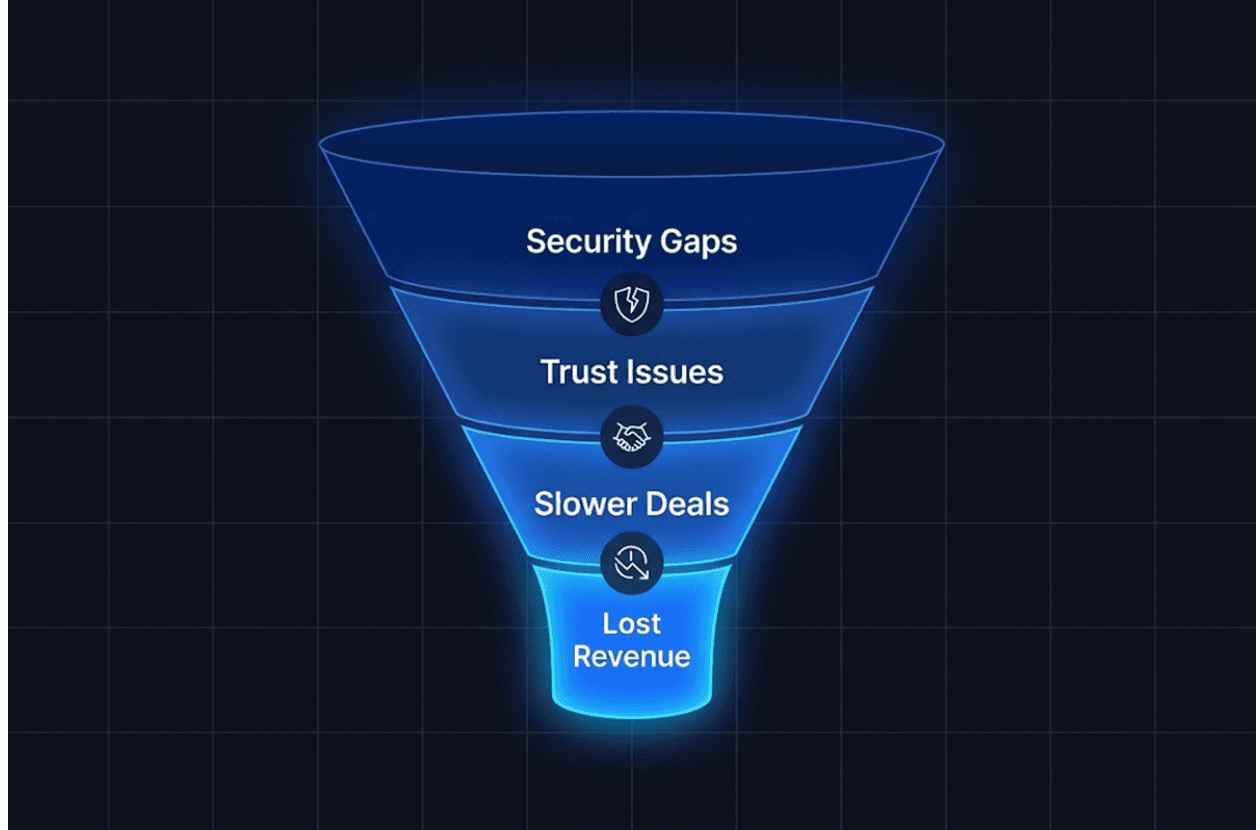
Most SaaS founders think about security as a technical problem. Something for the engineering team. Something to handle before compliance audits. Something that lives in reports and checklists.
But the reality is different.
Weak security is not a technical issue. It is a revenue problem.
It silently affects customer trust, sales velocity, retention, and valuation. And the most dangerous part is this. You rarely notice the impact until it is already costing you growth.
This is where companies like Capture The Bug see a clear pattern. The biggest losses do not come from dramatic breaches. They come from slow, invisible friction across the business.
1. Lost Deals That Never Tell You Why
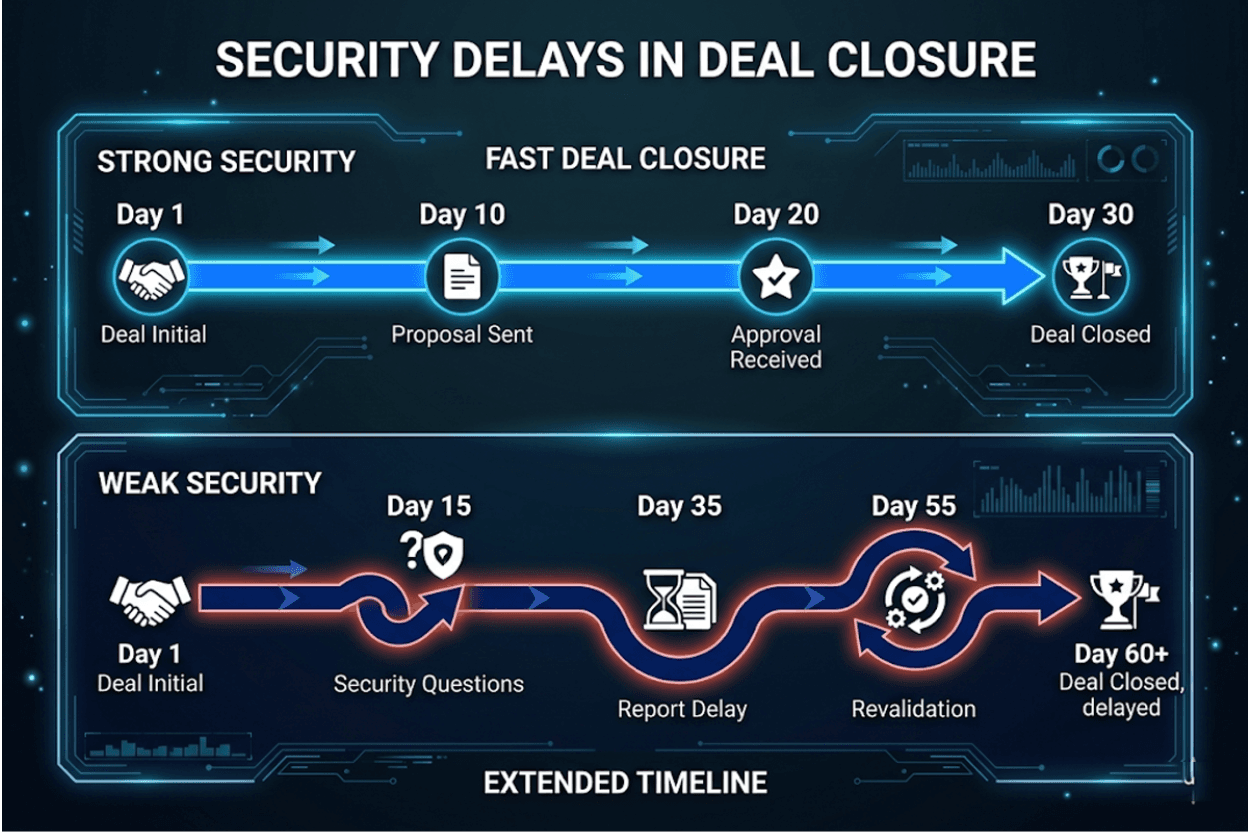
In SaaS, especially B2B, deals are not lost only on pricing or features. They are lost on trust.
When an enterprise buyer evaluates your product, security is one of the final gates. And this is where weak security quietly kills revenue.
Common scenarios:
- A prospect asks for recent testing proof and you share a report from months ago
- You cannot clearly show current vulnerability status
- Security questionnaires take weeks to answer
- There is no clear visibility into how issues are fixed
The deal does not always end with a "no." It becomes "we will revisit later." That delay is lost revenue.
Capture The Bug often sees companies improve close rates simply by giving buyers real-time visibility instead of static proof. Because confidence closes deals faster than features.
2. Slower Sales Cycles = Higher Customer Acquisition Cost
Every extra week in your sales cycle increases cost. Marketing spend continues. Sales team effort increases. Pipeline efficiency drops.
Weak security adds friction at the worst stage. Right before conversion.
When your security answers are unclear:
- Sales teams go back and forth with engineering
- Prospects request more validation
- Legal and compliance reviews take longer
This turns a 30-day deal into a 60-day deal. Now multiply that across your pipeline. The result is not just delay. It is higher customer acquisition cost and lower revenue efficiency.
Strong, continuous security visibility removes that friction. It answers questions before they are asked.
Understand the Difference That Impacts Your Risk
Compare traditional penetration testing vs continuous testing and see which model actually protects your business in real time.
3. Customer Churn After “Small” Incidents
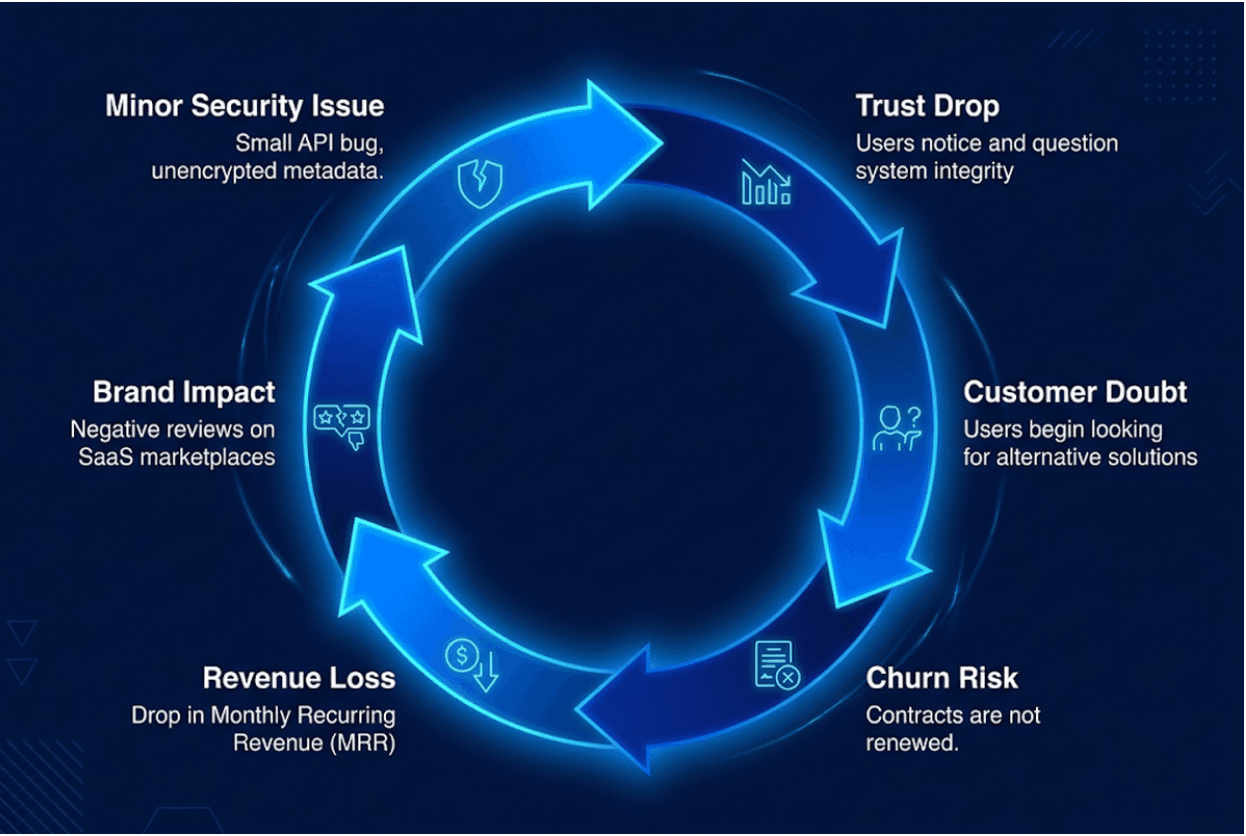
Not every security issue becomes a headline. But even small incidents damage trust.
- A minor data exposure
- A misconfigured API
- A short downtime event
These may seem manageable internally. But for customers, especially enterprise clients, they signal risk. And risk leads to churn.
Customers rarely say, "we are leaving because of security." Instead, they say: we are exploring other options, we need a more mature vendor, or we are consolidating tools.
The real reason often sits underneath. Capture The Bug has seen that companies with continuous testing and clear remediation tracking retain customers longer. Not because they never have issues. But because they can show control and response.
4. Engineering Time Lost = Product Velocity Lost
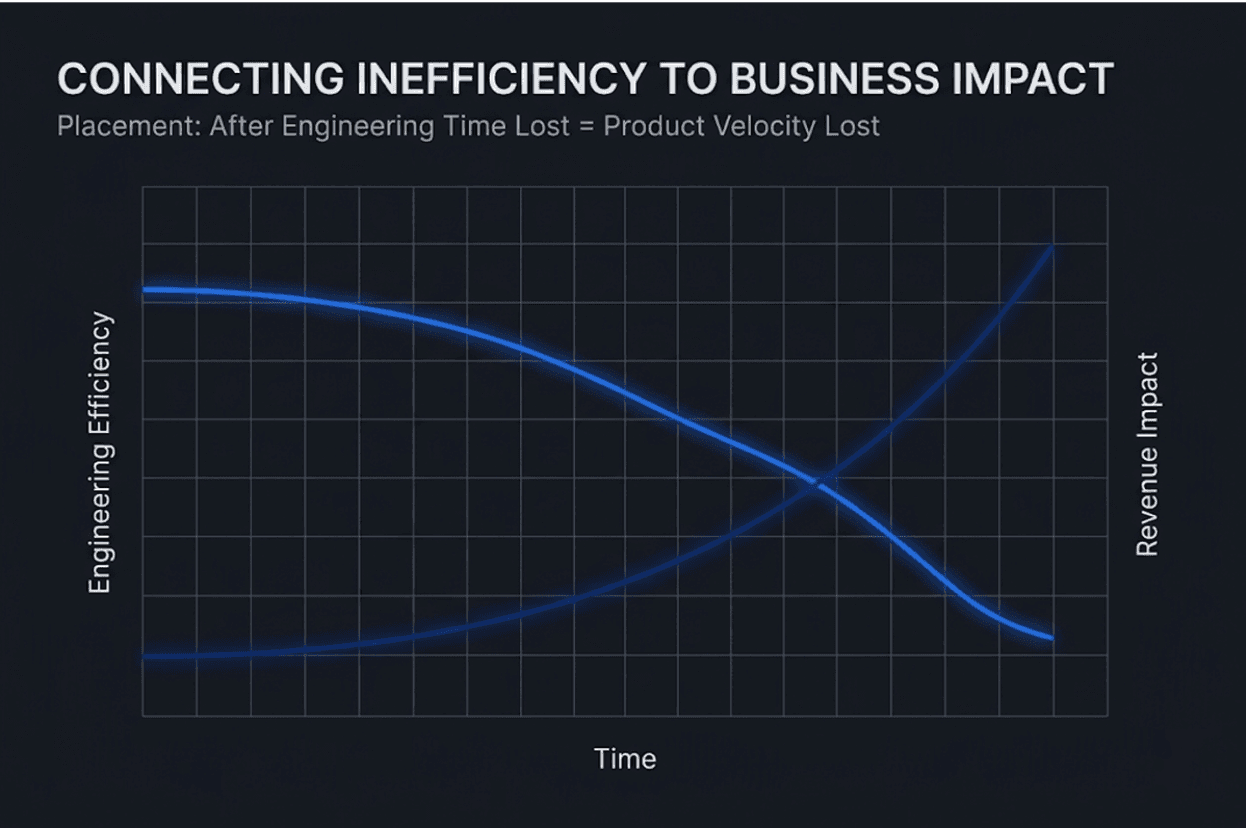
Weak security does not just affect customers. It affects your internal teams. When testing is slow or unclear:
- Developers wait for results
- Issues pile up between testing cycles
- Fixes are rushed before audits
- Retesting creates delays
This creates hidden cost. Engineering time shifts from building features to chasing problems. And slower product velocity directly impacts revenue.
According to modern security models, continuous visibility reduces this gap significantly by allowing teams to fix issues as they appear, not weeks later.
5. Compliance Stress That Impacts Growth
Compliance is often seen as a checkbox. But in SaaS, it is a growth requirement. SOC 2, ISO 27001, PCI-DSS are not just certifications. They are sales enablers.
Weak security creates last-minute chaos. Teams scramble before audits, evidence is scattered, and reports are outdated. This slows down partnerships, enterprise deals, and expansion into new markets.
Companies using continuous testing models stay audit-ready all year. That means no panic, no delays, and faster growth.
6. Brand Damage That Compounds Over Time
Brand trust is fragile in SaaS. One security concern can affect customer perception, investor confidence, and market positioning. Even if there is no major breach, lack of transparency creates doubt.
Strong security posture does not just protect systems. It strengthens brand positioning as a reliable partner.
7. The Hidden Multiplier Effect
Here is what most founders miss. Security issues do not impact one area. They multiply across the business.
One vulnerability can lead to a delayed deal, which increases acquisition cost, which impacts revenue targets, which affects investor confidence, which slows future growth.
This is why weak security is not a line-item risk. It is a compounding business problem. And fixing it creates compounding upside.
8. Why Traditional Testing Creates Revenue Gaps
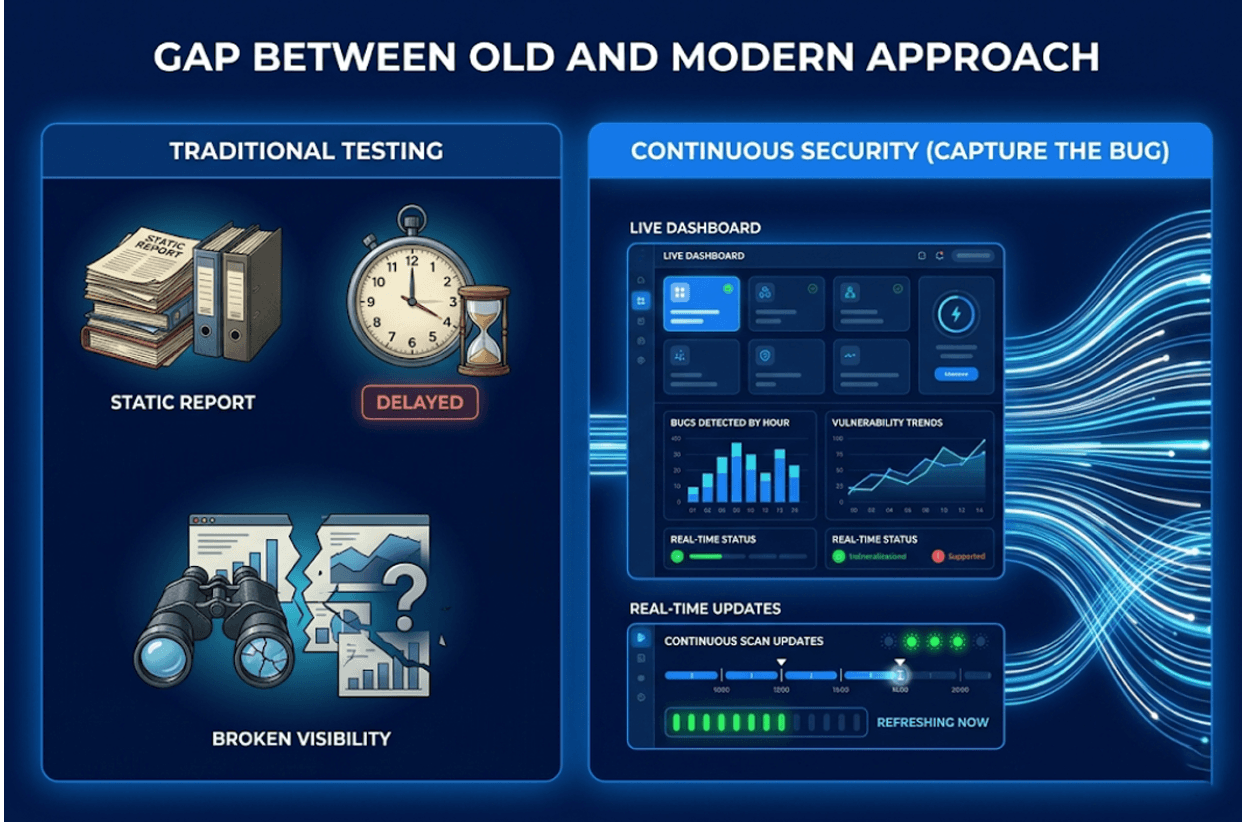
The root cause is often not lack of testing. It is the testing model itself. Traditional approaches create gaps where testing happens once or twice a year, and results arrive weeks later.
As highlighted in modern approaches, businesses need constant visibility, not yearly snapshots. Because revenue decisions happen daily, not annually.
9. How Capture The Bug Closes the Revenue Gap
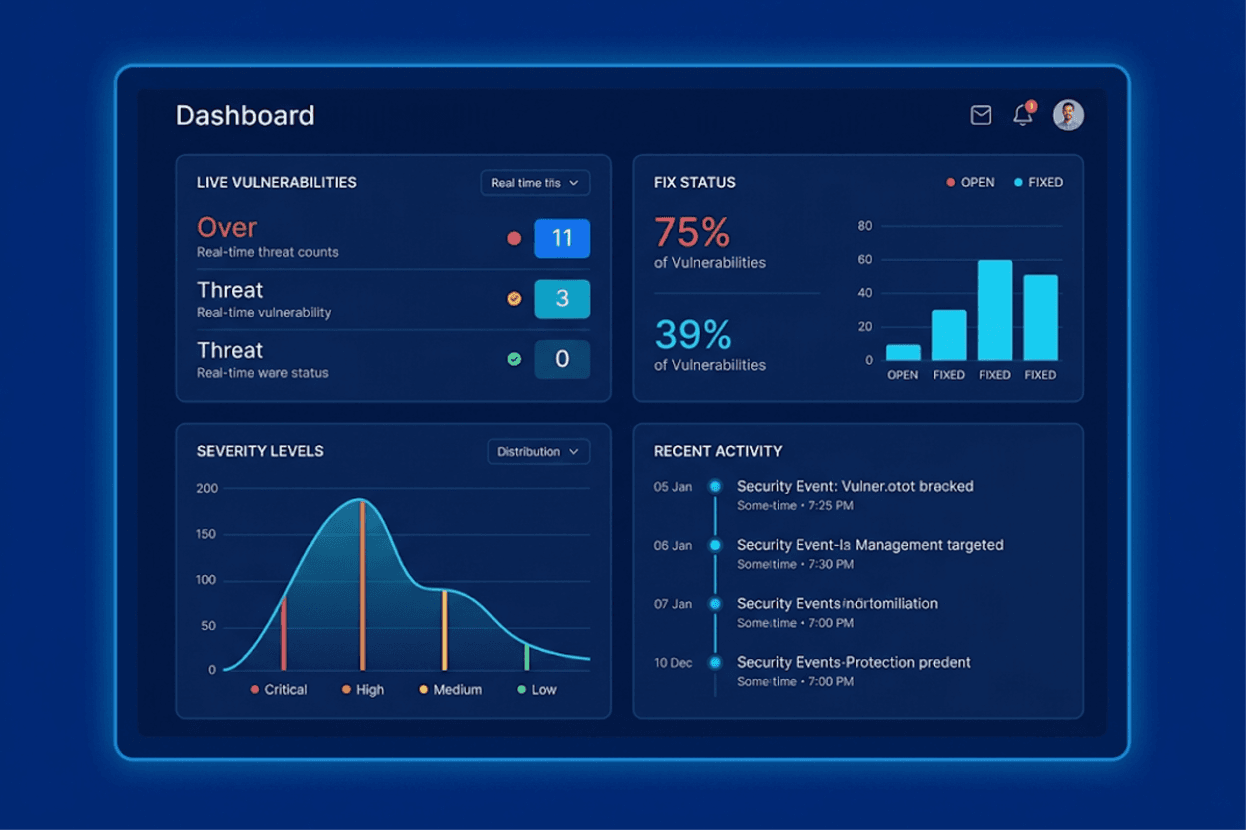
Capture The Bug approaches security as a business enabler, not just a technical service. Instead of static reports, companies get:
- Continuous testing aligned with real product changes
- Real-time visibility into vulnerabilities and fixes
- Direct collaboration between developers and testers
- Clear, audit-ready outputs at any time
The result is simple: faster deals, lower churn, higher trust, and better growth predictability.
10. The Founder Perspective: Security as a Growth Lever
The most successful SaaS companies do not treat security as a cost. They treat it as leverage. Because when done right, security speeds up revenue, reduces friction, builds trust, and supports scale.
Final Thoughts
Weak security does not always break your system. But it breaks your momentum. It slows deals, increases costs, reduces trust, and limits growth.
The companies that win are not the ones that test occasionally. They are the ones that stay continuously aware, responsive, and transparent. Because in SaaS, revenue follows trust. And trust depends on how well you manage risk, every single day.
FAQ
1. How does weak security impact SaaS revenue?
It affects sales conversions, increases churn, slows deals, and raises acquisition costs due to lack of trust and visibility.
2. Why do SaaS companies lose deals due to security?
Because enterprise buyers require proof of current security posture, not outdated reports or unclear answers.
3. Can security improvements increase sales?
Yes. Better visibility and faster remediation improve buyer confidence and shorten sales cycles.
4. What is the biggest hidden cost of weak security?
Lost opportunities and delayed revenue, not just breach-related losses.
5. How does continuous pentesting help revenue growth?
It provides real-time insights, reduces risk gaps, speeds up fixes, and supports faster decision-making across sales and engineering.