
DEFINITION: PTaaS and traditional pentesting, defined
Traditional penetration testing is a project-based security engagement with a fixed scope, a fixed start and end date, and a single report delivered at the end. A provider scopes the work, schedules a testing window of typically one to three weeks, conducts the test, and delivers findings in one document. The engagement concludes when the report is handed over.
Penetration Testing as a Service, known as PTaaS, is a subscription or programme-based model in which testing runs continuously against a defined scope, findings are delivered through a platform as they are confirmed rather than in a single end-of-engagement report, and retesting of fixes is included within the same ongoing arrangement rather than commissioned as separate work.
The core structural difference is this: traditional pentesting sells a testing event, while PTaaS sells ongoing testing coverage. That difference in what is being purchased is what drives every cost difference between the two models.
The visible cost: what appears on the quote
Traditional pentesting is typically priced as a fixed fee per engagement, calculated from the estimated number of tester days required to cover the agreed scope. A quote covers the scoping, the testing window, and the report. It does not usually include retesting, and it does not include anything that happens after the report is delivered.
PTaaS is typically priced as a recurring fee, either monthly or annually, tied to the scope of assets under coverage. That fee generally includes ongoing testing, platform access, findings delivery, and retesting within the covered scope.
Comparing these two numbers directly is where most cost analyses go wrong. A single traditional engagement fee will often look smaller than an annual PTaaS subscription. That comparison is only accurate if a company genuinely needs testing once and never again during that year, which for most companies shipping product changes is not the case.
The hidden costs of the traditional model
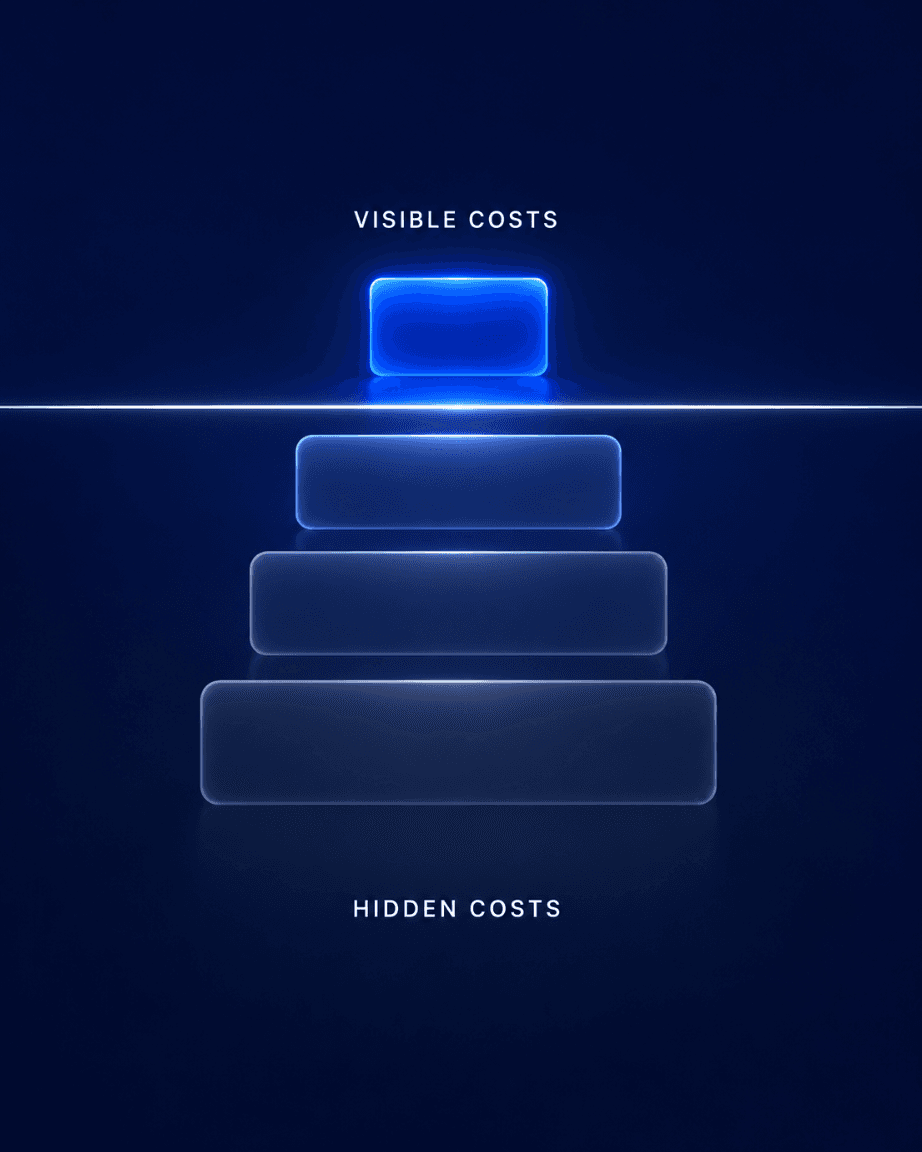
Four cost categories sit outside the quoted engagement fee in a traditional pentesting arrangement, and these are where the real total cost accumulates.
- Retesting costs: When a vulnerability is found and fixed, confirming the fix worked usually requires a separate engagement or an hourly billing arrangement. A company with several critical findings may face multiple retest invoices across a single remediation cycle, which is the single largest cost difference between this model and a penetration testing service that includes retesting within the covered scope.
- Repeat scoping overhead: Every new engagement requires a scoping call, a proposal, an internal review, and a signed agreement. This administrative cycle consumes internal staff time that never appears on any invoice but is a genuine cost to the business.
- Coverage gap exposure: A traditional engagement tests the product as it existed during the testing window. Every change shipped after that window is untested until the next engagement. The cost of this gap is not a line item, but it is real, and it is measured in the vulnerabilities that exist in production without anyone knowing.
- Delayed remediation cost: Findings delivered weeks after testing concludes reach engineering teams who have moved on to other work. Rebuilding the context needed to fix a finding costs more engineering time than fixing it while the relevant code is still fresh.
The hidden costs of the PTaaS model
An honest comparison requires acknowledging that PTaaS carries its own cost considerations, and any provider claiming otherwise is not being straight with a buyer.
- Continuous subscription commitment: PTaaS is a recurring cost. A company that genuinely needs testing only once, for a single compliance deadline with no ongoing requirement, may pay more under a subscription model than it would for a single traditional engagement.
- Internal capacity to act on continuous findings: A continuous stream of findings only creates value if the company has the engineering capacity to act on them as they arrive. A company with no bandwidth to remediate will pay for coverage it cannot use.
- Scope management overhead: PTaaS pricing tied to assets under coverage requires ongoing attention to what is in scope as a product grows, or costs can drift upward without anyone tracking why.
Your Last Pentest Is Already Out of Date
Every week you ship without continuous testing is a week a vulnerability goes unseen. See what Capture The Bug finds in your first engagement.
Book a demo
The honest way to compare these two models is against a specific company's actual scope, shipping cadence, and compliance requirements rather than against a general framework. Book a demo with Capture The Bug and get a direct cost comparison for a specific situation.
When traditional pentesting is genuinely the cheaper choice
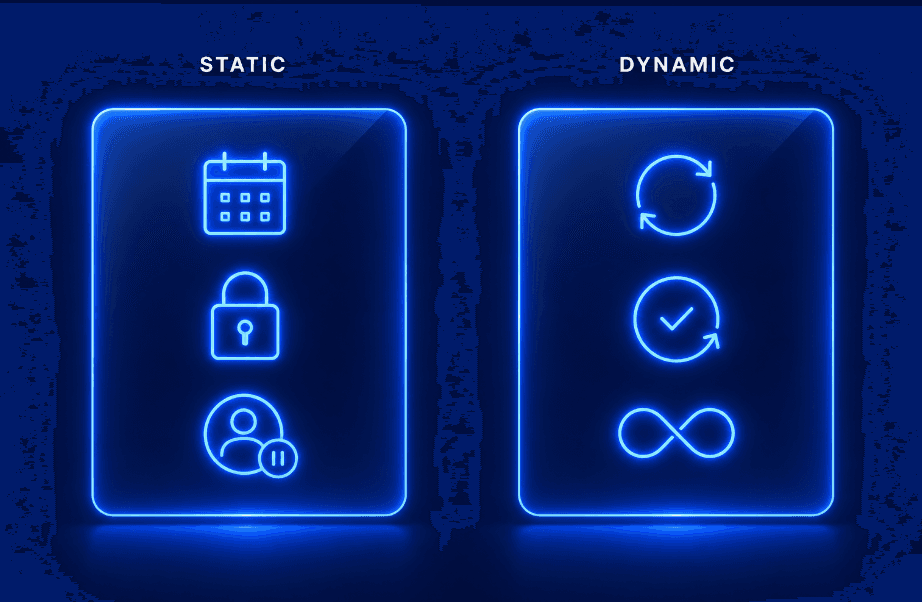
Traditional pentesting is the more cost-effective model in three specific situations, and stating this plainly matters more than defending one model universally.
- The first is a single, one-time compliance requirement with no ongoing testing obligation, where a company needs a dated report and nothing further.
- The second is a stable product that changes rarely. If a system has not been meaningfully modified in a year and is not expected to change, an annual snapshot reflects the product accurately for most of that year.
- The third is a company with no internal capacity to act on findings. Continuous testing has no cost advantage if findings sit unaddressed.
When PTaaS is genuinely the cheaper choice
PTaaS is the more cost-effective model in three equally specific situations.
- The first is a product shipping changes regularly. When new features, endpoints, and integrations go live throughout the year, continuous coverage tests each change close to when it ships rather than leaving it untested for months.
- The second is when retesting is a frequent requirement. If a company expects to fix findings and confirm those fixes several times across a year, a model that includes retesting removes a recurring cost line entirely.
- The third is when compliance evidence must show ongoing management rather than a single test. Frameworks including SOC 2, ISO 27001, and Australia's Essential 8 expect continuous vulnerability management, and generating that evidence through repeated traditional engagements typically costs more than a continuous penetration testing service covering the same period.
The comparison framework that produces an accurate answer
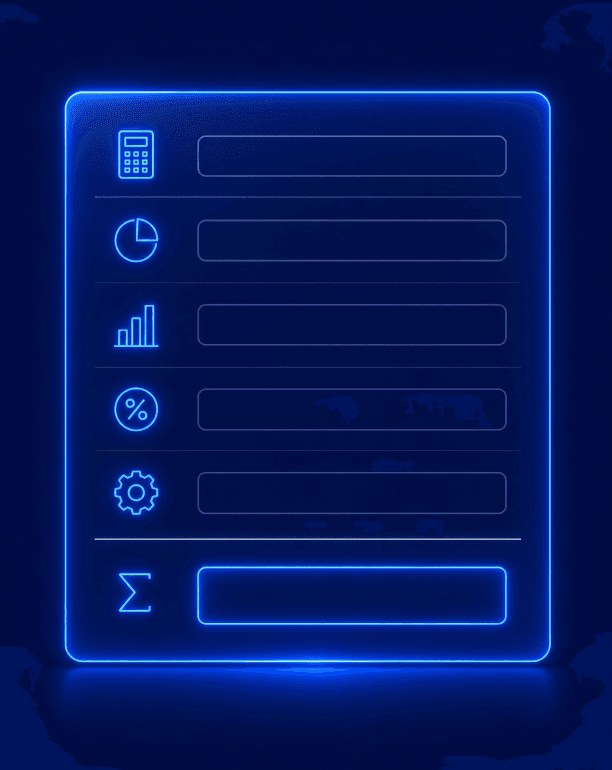
A company comparing PTaaS vs traditional pentesting on cost should calculate five things for a full twelve month period rather than comparing single quotes.
First, the number of testing engagements genuinely needed across the year based on shipping cadence and compliance obligations. Second, the expected number of retests required to confirm fixes. Third, the internal staff hours consumed by scoping, procurement, and vendor management for each separate engagement. Fourth, the number of months in the year during which the product would sit untested under each model. Fifth, the total engineering time required to remediate findings, accounting for how much context rebuilding is needed when findings arrive weeks after testing versus while work is fresh.
Comparing these five figures across both models produces an accurate answer. Comparing a single engagement quote against an annual subscription price does not.
What this means for your roadmap
Neither model is universally cheaper. Traditional pentesting costs less for a one-time need on a stable system. PTaaS costs less for a product that changes throughout the year and needs evidence of ongoing security management. The expensive mistake is not choosing the wrong model. It is comparing the two on quoted price alone, without accounting for retesting, scoping overhead, coverage gaps, and remediation timing. A CREST-certified penetration testing service built on a continuous model makes sense for companies in the second category, and the honest way to find out which category applies is to run the five-figure calculation above against a specific business rather than accepting either model as automatically correct.
FAQ
Is PTaaS cheaper than traditional penetration testing?
It depends on the company's testing frequency. PTaaS is generally more cost-effective for products that ship changes regularly, require multiple retests per year, or need compliance evidence of ongoing vulnerability management. Traditional pentesting is generally cheaper for a single one-time compliance requirement on a system that rarely changes.
What costs are excluded from a traditional pentest quote?
Retesting to confirm fixes is usually billed separately. Also excluded are the internal staff hours spent on scoping and procurement for each engagement, the exposure created during months when the product goes untested between engagements, and the additional engineering time required when findings arrive weeks after testing concludes.
Does PTaaS include retesting at no extra cost?
In most PTaaS arrangements, retesting within the covered scope is included in the recurring fee rather than billed as separate work. Buyers should confirm this directly with any provider, since it is one of the largest differences in total cost between the two models.
How should a company calculate the real cost difference?
Calculate across a full twelve month period: the number of engagements actually needed, the expected number of retests, internal staff hours spent on repeated scoping and procurement, the number of months the product would sit untested under each model, and the engineering time needed to remediate findings under each delivery timeline.
Can a company use both models together?
Yes. Some companies run continuous PTaaS coverage on their core production application and commission a separate traditional engagement for a specific one-time need, such as a newly acquired system or a specialised infrastructure assessment outside the continuous scope.