When Security Testing Scales, What Breaks First?
The Scaling Problem Most Security Leaders Discover Too Late
At the beginning, security testing feels manageable.
A company launches a product, schedules a penetration test, receives a report, fixes the issues, and moves forward. For early-stage companies or smaller systems, that model works well enough.
But something changes as organizations grow.
More features ship. More integrations appear. APIs multiply. Infrastructure expands across regions and cloud providers. Development teams push updates weekly or even daily.
Suddenly the security model that once felt structured begins to crack. The challenge is not that penetration testing stops working. The challenge is that the timing of traditional tests cannot keep pace with the speed of modern software development.
What starts as a routine security process gradually becomes a bottleneck, and eventually a blind spot. This is the moment when many organizations realize that scaling security testing requires a different approach.
The Traditional Penetration Testing Model
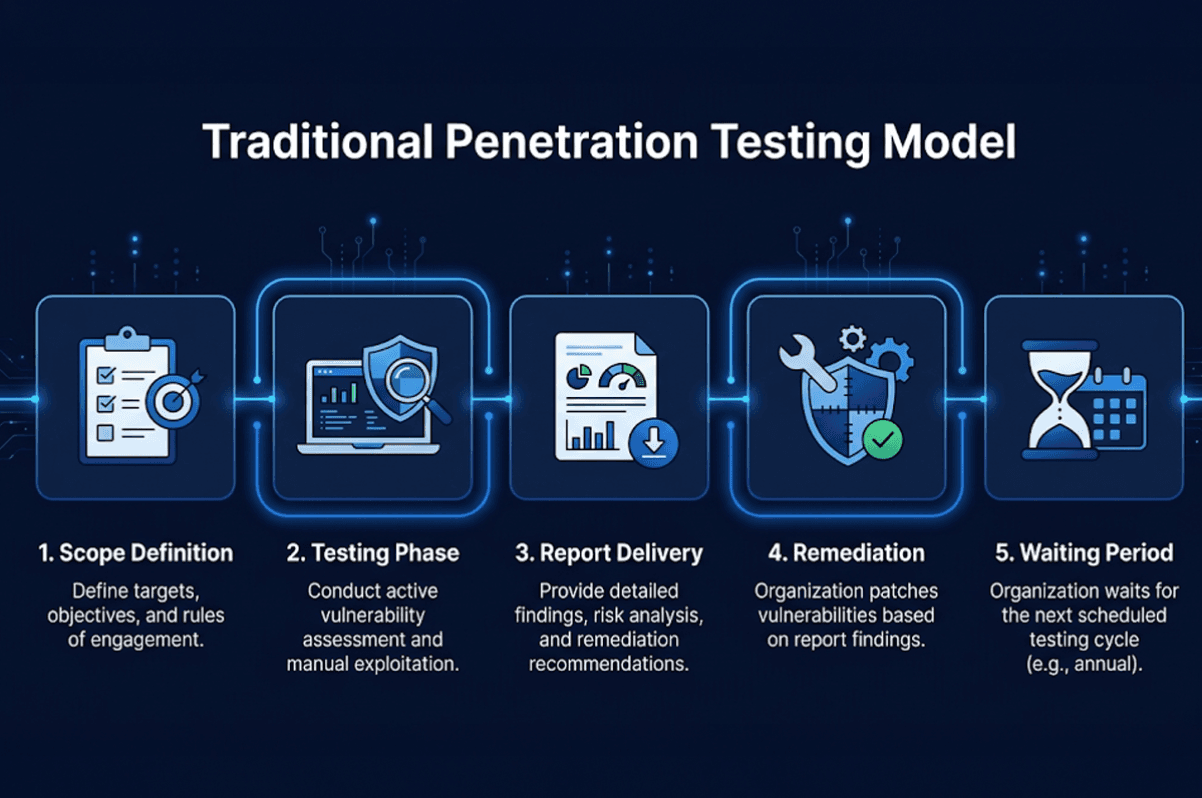
For decades, the cybersecurity industry relied on a predictable process. A company would schedule a penetration test once or twice a year. The engagement would be scoped, testers would spend a few weeks analyzing the systems, and the results would arrive in a final report.
That report usually contained a list of discovered vulnerabilities, severity ratings, and remediation guidance. The model is still widely used today, especially in compliance-driven environments.
The problem is not that this model lacks expertise. Traditional testing still provides deep technical insight and valuable validation. The problem is that it produces a snapshot in time.
"Modern software environments change constantly. A system that is secure today may expose new vulnerabilities tomorrow simply because a new feature was deployed or an integration was added."
When testing only occurs periodically, the period between those tests becomes the biggest risk window. This limitation becomes more obvious as organizations grow and development accelerates.
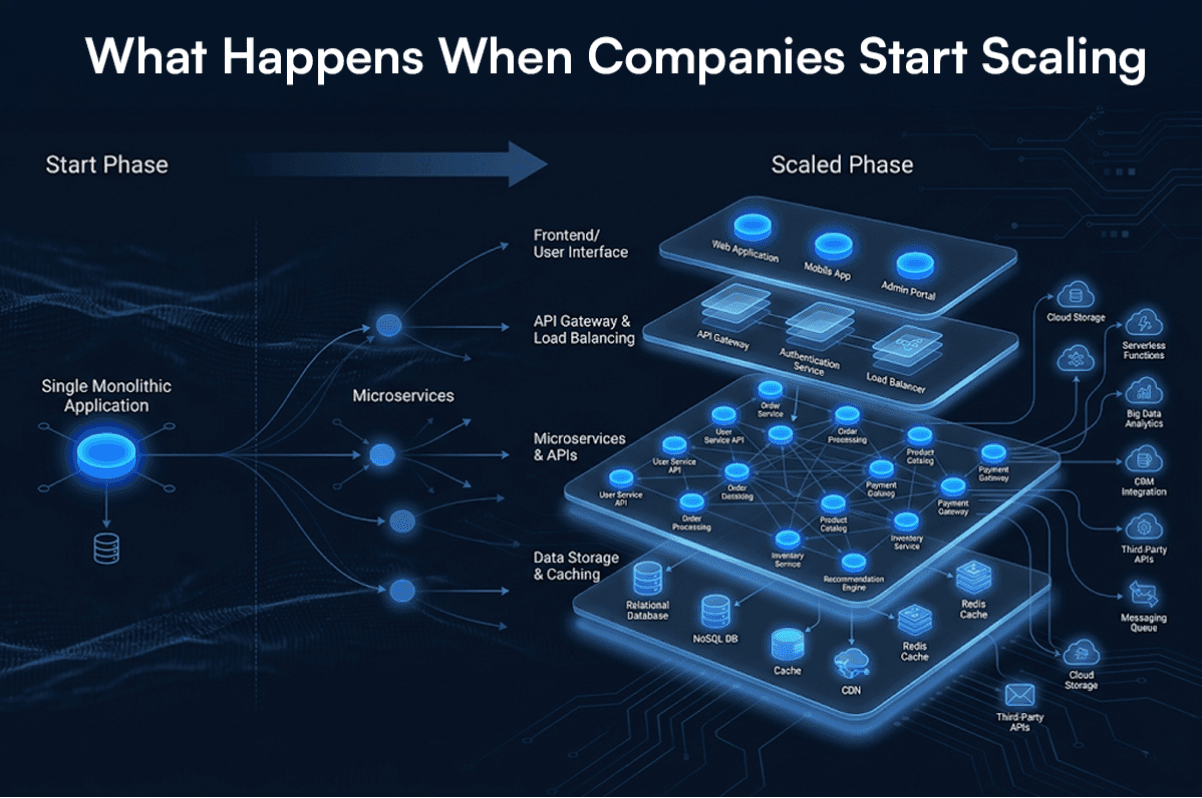
What Happens When Companies Start Scaling
Growth introduces complexity. A startup with one application may only need occasional testing. But a scaling SaaS platform quickly expands into a network of services, APIs, third-party integrations, and cloud infrastructure.
Each of those components increases the potential attack surface. At this stage, the traditional testing model starts to show three major weaknesses.
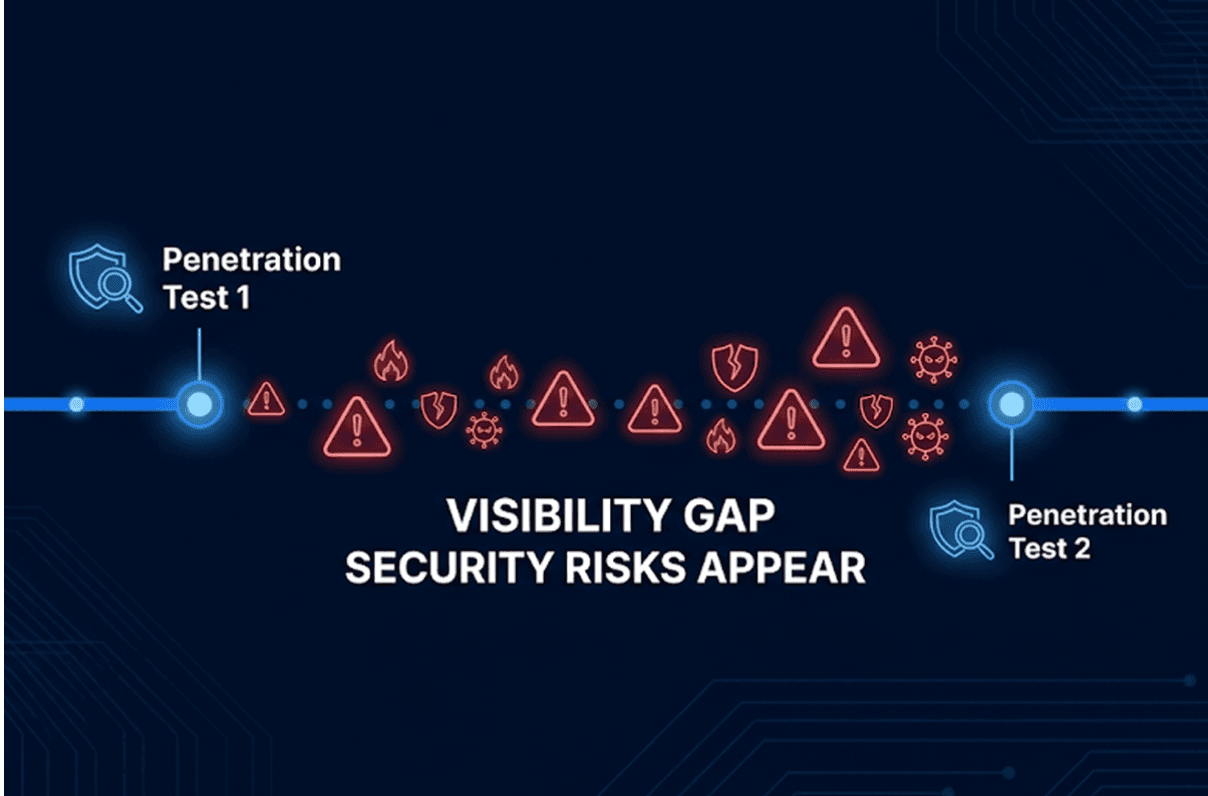
1. Visibility Gaps
The most significant issue is the time between tests. A penetration test might reveal vulnerabilities during the engagement window. But once the test is finished, new code changes can introduce new risks almost immediately.
Without continuous visibility, security teams operate with outdated information. The result is uncertainty. Leaders cannot confidently answer a simple question: What does the current security posture actually look like today?
2. Operational Friction
Traditional testing engagements often involve multiple coordination steps. Teams define scope, schedule testing windows, communicate findings through email or documents, and request retesting after remediation.
When organizations scale, this workflow becomes increasingly inefficient. Engineering teams move fast, while security testing moves on a slower cycle. The mismatch creates friction between development velocity and security validation.
3. Measurement Challenges
Another hidden issue appears when security leaders attempt to measure performance. Traditional reports show vulnerabilities that existed during the test. But they rarely provide ongoing metrics about remediation progress, recurring weaknesses, or long-term security trends.
Without consistent data, it becomes difficult to track improvement or demonstrate security maturity to leadership, auditors, or customers. This challenge becomes even more significant for organizations operating in regulated industries.
The Shift Toward Continuous Security Testing
As technology environments evolved, security testing had to evolve with them. The answer was not simply to run more penetration tests. That approach would increase cost and coordination complexity without solving the underlying visibility problem.
Instead, the industry began moving toward Pentesting as a Service, commonly known as PTaaS.
This model rethinks how security testing is delivered. Rather than treating penetration testing as a one-time engagement, PTaaS delivers it as an ongoing service supported by a collaborative platform.
Security teams can launch testing when needed, monitor vulnerabilities as they are discovered, and validate fixes without waiting for a new engagement cycle. The goal is simple: Security testing should operate at the same speed as modern software development.
How Continuous PTaaS Changes the Security Workflow
The PTaaS model introduces several operational improvements that address the weaknesses of traditional testing.
- On-demand accessibility: Organizations can request targeted testing when new features are released or systems change, instead of waiting months for a scheduled slot.
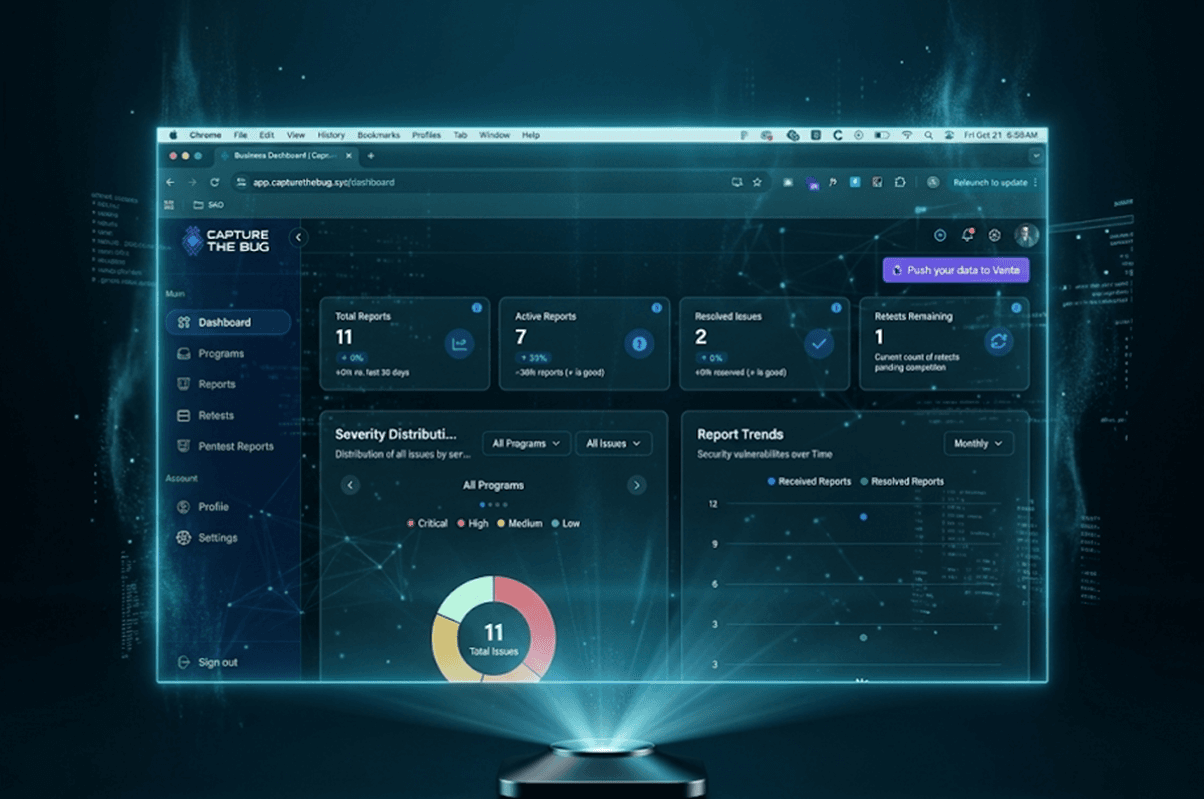
- Live dashboard reporting: Vulnerabilities are reported through a live dashboard rather than a static document, providing visibility into active findings and overall risk exposure.
- Improved collaboration: Developers and testers can communicate directly about findings, ensuring issues are understood clearly and resolved faster.
These capabilities transform penetration testing from a periodic audit into an ongoing security program. Modern security leaders increasingly prioritize faster, transparent, and collaborative testing supported by real-time visibility instead of static reports.
Why Continuous Testing Becomes Critical at Scale
Continuous testing becomes especially important when organizations reach a certain level of complexity. Large SaaS platforms may deploy updates dozens of times per week. APIs expand rapidly as new services integrate with the core product.
In these environments, vulnerabilities rarely remain static. They appear, evolve, and disappear as code changes. A testing model that only evaluates systems periodically cannot capture that dynamic behavior.
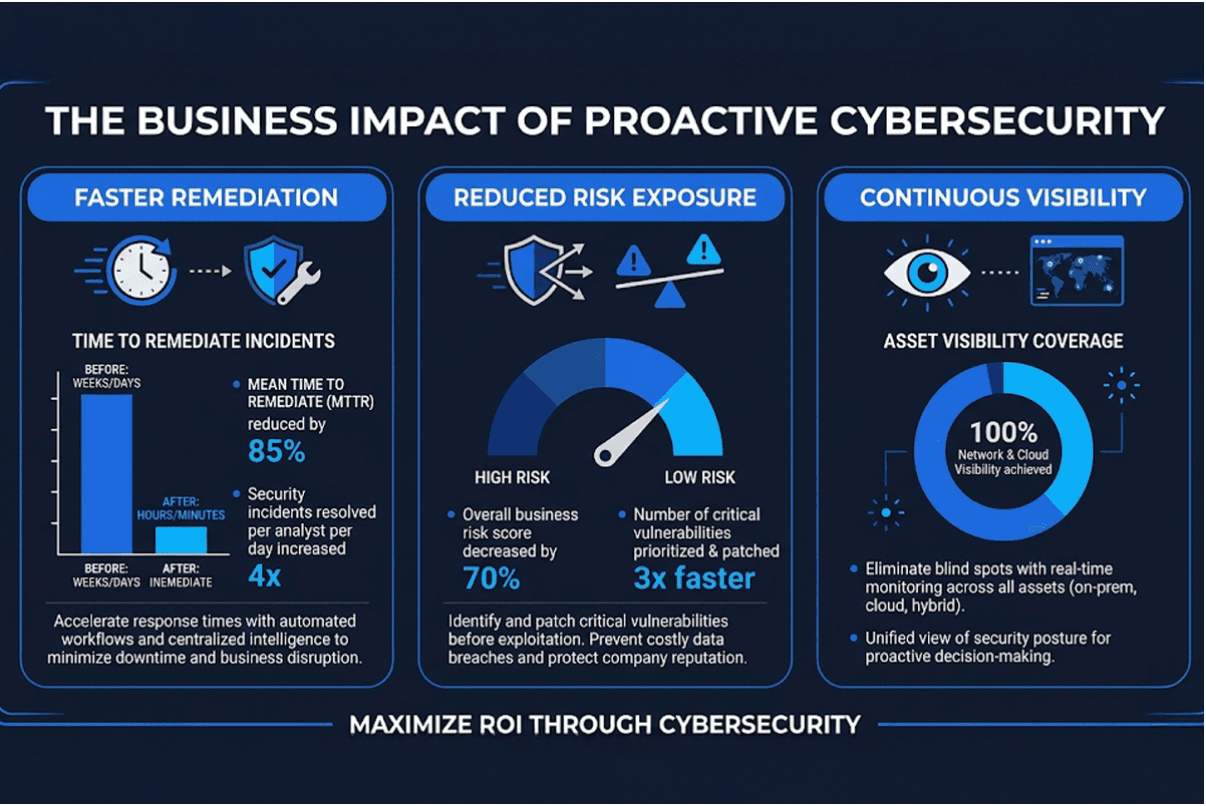
The Business Impact of Faster Security Feedback
Speed in security testing has a direct impact on business performance. When vulnerabilities are discovered early, they can be resolved before they reach production environments or customer-facing systems.
This reduces the likelihood of security incidents and minimizes operational disruption. Faster feedback loops also improve collaboration between development and security teams. Engineers receive clear guidance earlier in the development process, making remediation more efficient.
From a leadership perspective, continuous testing provides measurable metrics about vulnerability discovery, remediation timelines, and overall security posture. These insights help organizations demonstrate maturity to investors, regulators, and enterprise customers.
Where Traditional Testing Still Fits
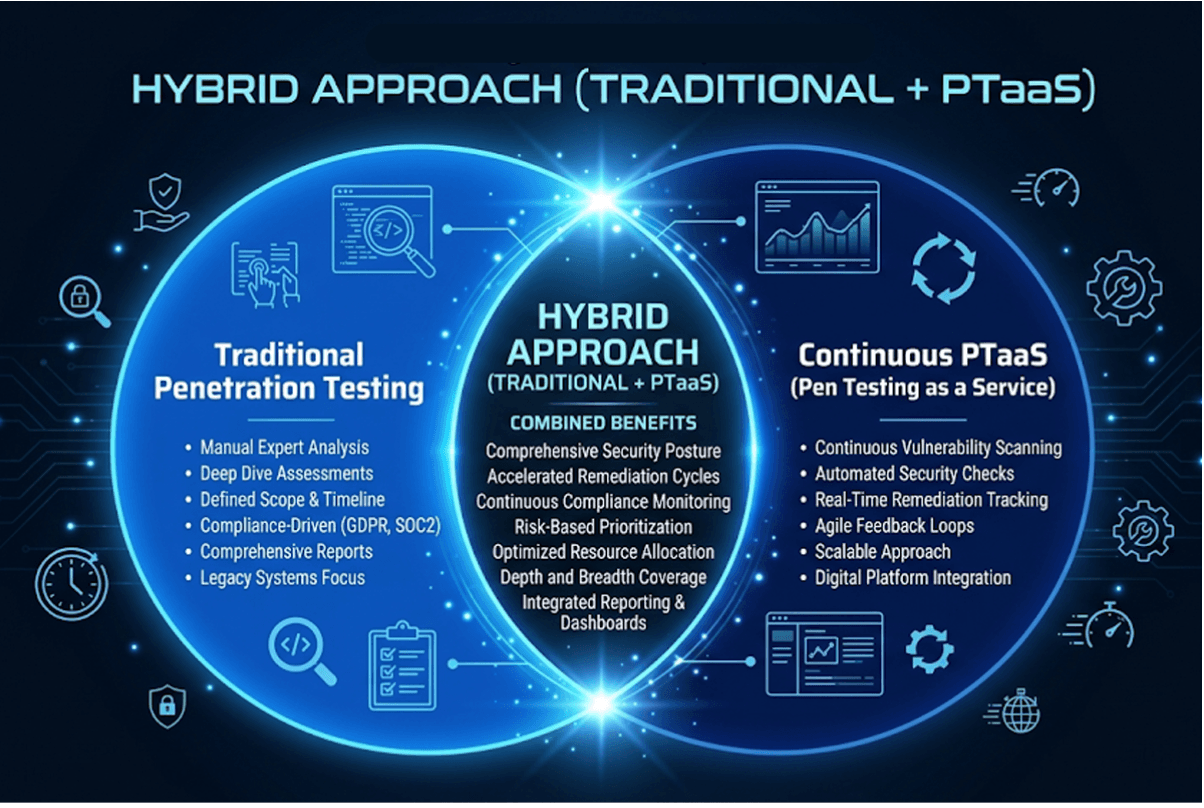
Despite these advantages, traditional penetration testing still plays an important role. Formal assessments remain valuable for compliance validation, regulatory requirements, and deep technical analysis of complex systems.
Many organizations combine both approaches.
Scheduled assessments provide structured reviews, while PTaaS ensures ongoing visibility and remediation tracking between those engagements. This hybrid approach allows companies to maintain compliance while adapting to the speed of modern software development.
How Capture The Bug Supports Scalable Security Testing
Capture The Bug was designed to address exactly this challenge. As a CREST-certified penetration testing provider serving organizations across Australia, New Zealand, and the United States, the company focuses on delivering continuous visibility and collaboration through its PTaaS platform.
Instead of waiting for static reports, security teams gain real-time insight into vulnerabilities, remediation progress, and testing coverage. Developers and testers can work together directly, accelerating resolution and reducing risk exposure.
Final Thoughts
As organizations scale, the most fragile part of the traditional security model is not the test itself. It is the gap between tests.
Modern technology environments change too quickly for point-in-time assessments to provide reliable protection on their own. Continuous PTaaS closes those gaps by delivering visibility, collaboration, and faster feedback across the entire development lifecycle.
In a world where software changes daily, security testing must evolve from occasional validation to continuous assurance.
FAQ
1. Why do traditional penetration tests struggle at scale?
Because they provide point-in-time results. As systems change quickly, vulnerabilities can appear between testing cycles, creating risk windows.
2. What is PTaaS in cybersecurity?
Pentesting as a Service is a model that delivers ongoing security testing through a collaborative platform instead of one-time engagements.
3. How does continuous testing improve security visibility?
Continuous testing provides live insights into vulnerabilities and remediation progress rather than waiting for periodic reports.
4. Is PTaaS suitable for enterprise organizations?
Yes. Many enterprises use PTaaS to maintain continuous visibility while still performing scheduled assessments for compliance and deep analysis.
5. Why do SaaS companies adopt PTaaS faster?
Because SaaS platforms update frequently, making periodic testing insufficient for monitoring new vulnerabilities that appear with every release.