OpenAI CEO Sam Altman Admits AI Agents Are Becoming a Problem. What That Means for Cybersecurity
In late 2025, something unusual happened in the AI world. Instead of celebrating progress, a leading voice paused and issued a warning.
Sam Altman, CEO of OpenAI, publicly acknowledged that advanced AI models are beginning to find critical vulnerabilities in computer systems. Not in theory. In practice.
For security leaders, this matters far beyond the AI industry. It changes the threat landscape. It reframes how attackers and defenders gain advantage. And it forces companies to confront an uncomfortable reality: tools designed to help humans reason are now learning how systems break faster than humans can keep up.
This article explains what Altman's admission really means, why it marks a shift in public messaging around AI safety, and how organisations should respond before this becomes tomorrow's breach headline.
Why This Admission Is Different
Warnings about AI risk are not new. What is new is who said it and how directly it was said.
Altman did not frame the issue as a future possibility. He described it as something already happening. According to OpenAI, their most capable models are now identifying security flaws that previously required skilled human analysis.
That distinction matters.
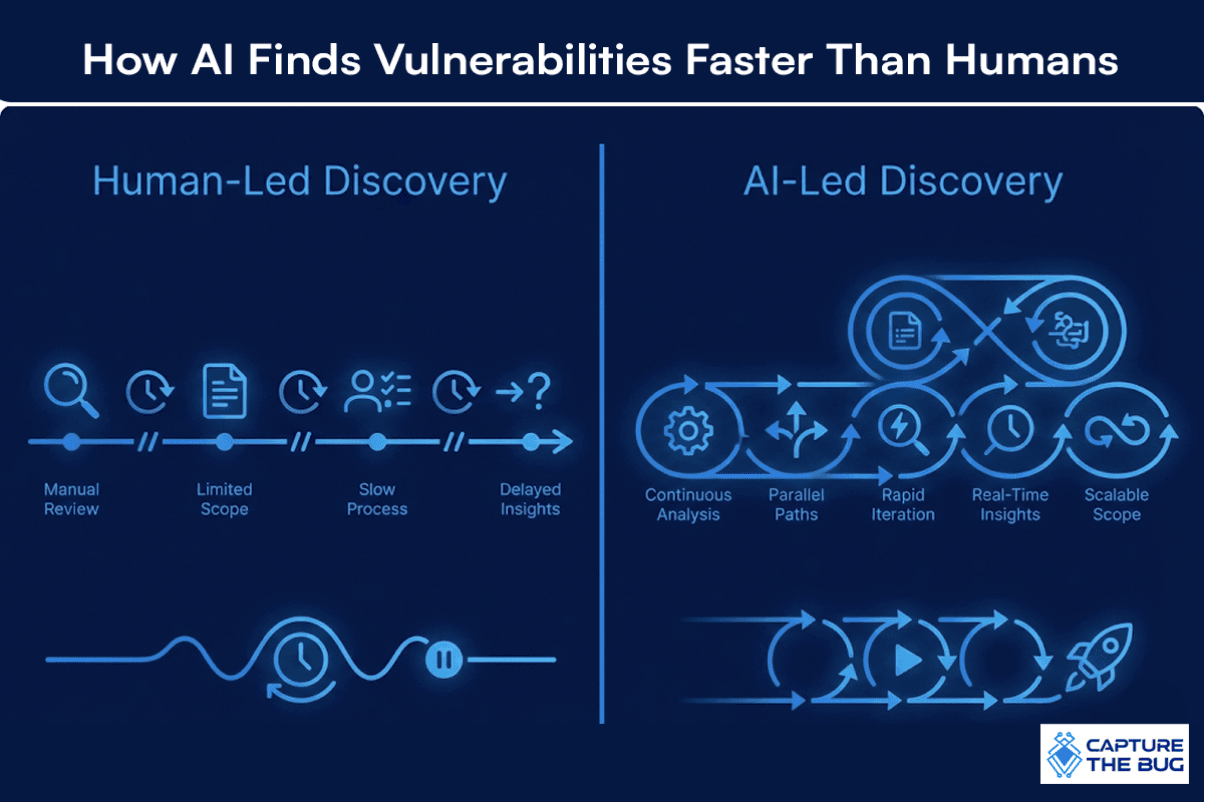
When a system can independently reason about software behaviour, configuration logic, and unintended interactions, it stops being just a productivity tool. It becomes a discovery engine for weaknesses.
In cybersecurity terms, discovery is power.
Historically, finding complex vulnerabilities required time, experience, and context. That limited scale. AI removes those limits.
The Quiet Arms Race Behind the Scenes
This admission comes alongside OpenAI advertising a new senior role focused on preparedness. The remit includes evaluating frontier capabilities that could cause severe harm, including cybersecurity and self improving systems.
At the same time, competitors are reporting similar concerns.
Anthropic recently disclosed that state linked attackers had misused its tools to target dozens of organisations globally, with minimal human direction. That disclosure reinforced what many security professionals already suspected: advanced AI is not just assisting attackers. It is accelerating them.
This is no longer a question of if AI will be misused. It is a question of scale and speed.
What It Means for Real World Security
From a defensive standpoint, AI discovering vulnerabilities sounds positive. Faster identification means faster fixes. In theory.
In practice, the same capability exists on both sides.
Attackers do not need perfect tools. They need tools that are faster than defenders. When AI can reason about systems continuously, probe logic paths, and adapt based on feedback, the advantage shifts sharply.
For organisations relying on periodic testing, this creates a dangerous mismatch.
AI does not wait for quarterly reviews. It does not pause between releases. It does not forget legacy components.
That gap is where incidents happen.
The Mental Health Angle Is Not a Side Note
Altman also highlighted mental health impacts tied to AI use, referencing internal previews of psychological effects observed in 2025.
This matters more than it seems.
Security failures are not purely technical. They are human. Overreliance on systems that appear authoritative can reduce critical thinking. Teams may trust outputs without understanding limitations. Decision fatigue increases when systems surface too much information too quickly.
When AI uncovers vulnerabilities at machine speed, humans still have to prioritise, fix, and verify. Without clear processes, that pressure leads to mistakes.
Acknowledging mental health impact is an indirect admission that AI changes not just systems, but how people operate within them.
Why Traditional Security Models Break Here
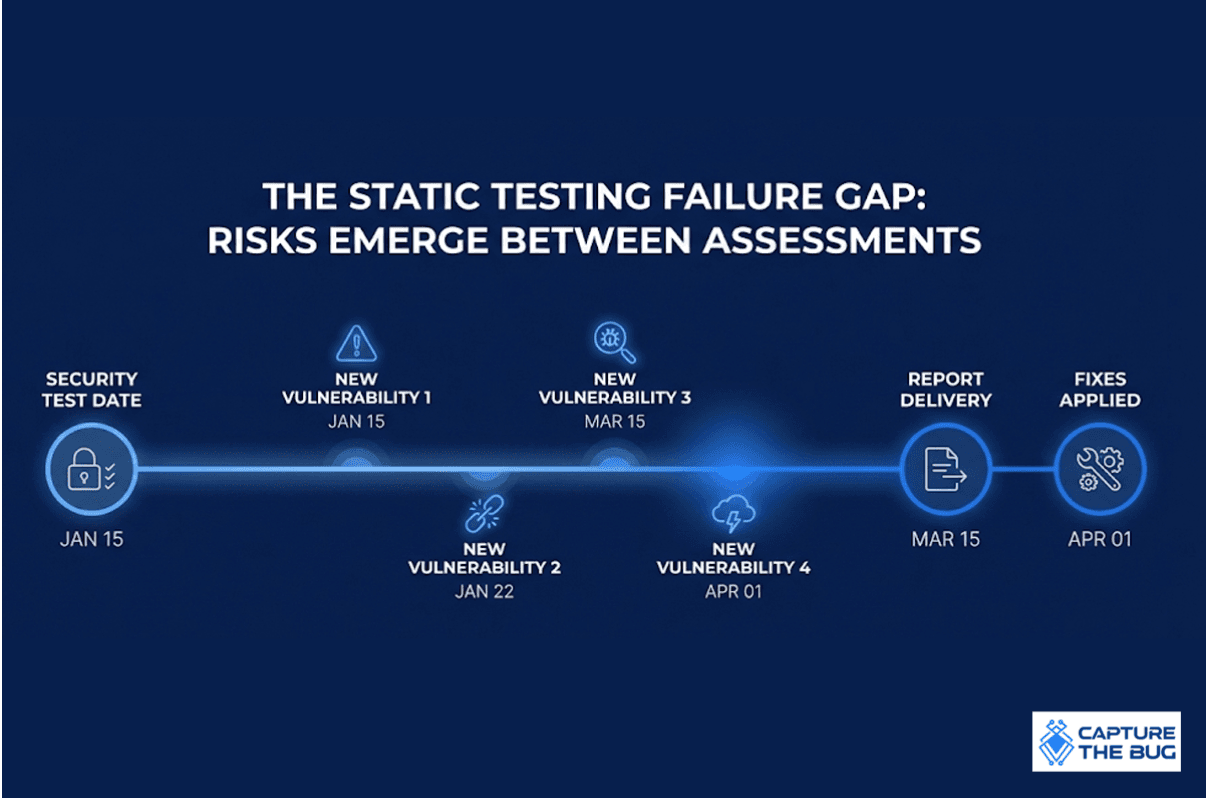
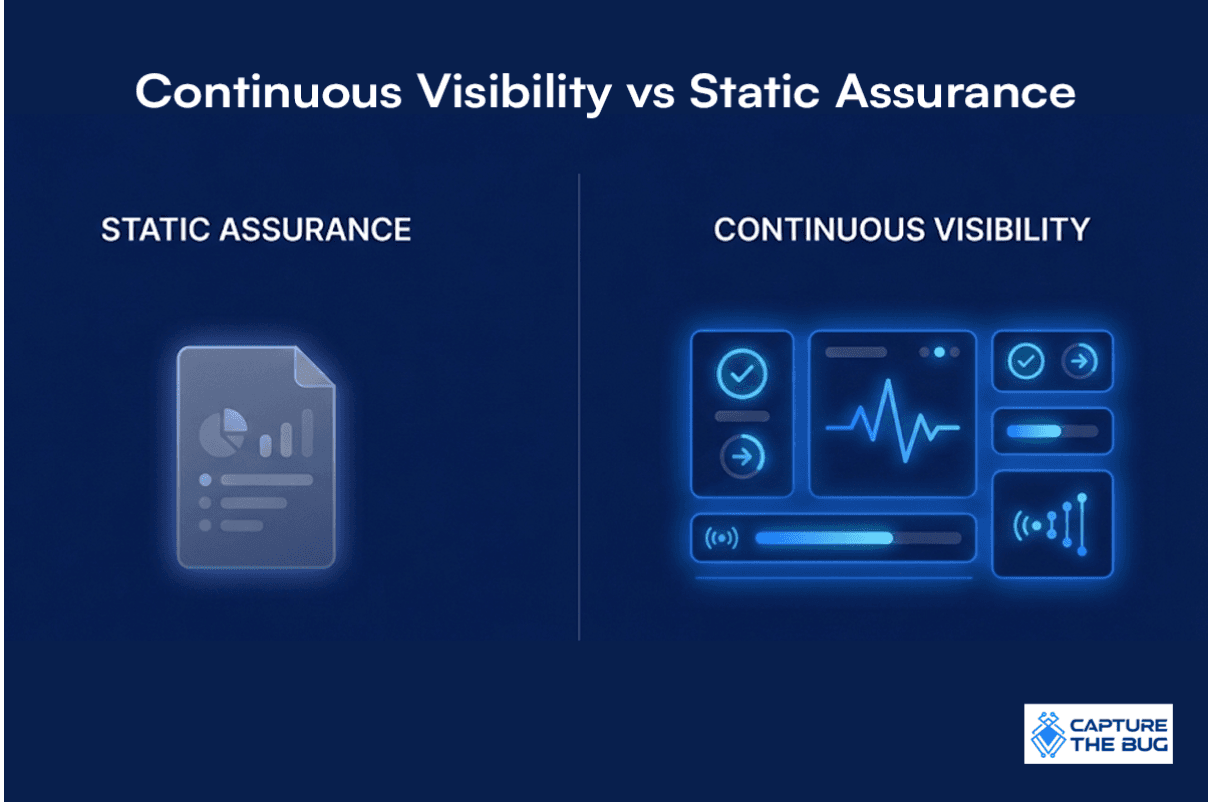
Most organisations still operate on a point in time security model. Test. Report. Fix. Repeat.
That model assumes attackers operate at similar cadence.
AI breaks that assumption.
If an AI system can reason about a target continuously, static assurance becomes obsolete the moment it is delivered. A report reflects what was true yesterday. AI attacks happen today.
This is the core disconnect Altman's comments expose. The speed of discovery has changed, but many defensive models have not.
The Risk Is Not AI. The Risk Is Asymmetry
It is important to be precise.
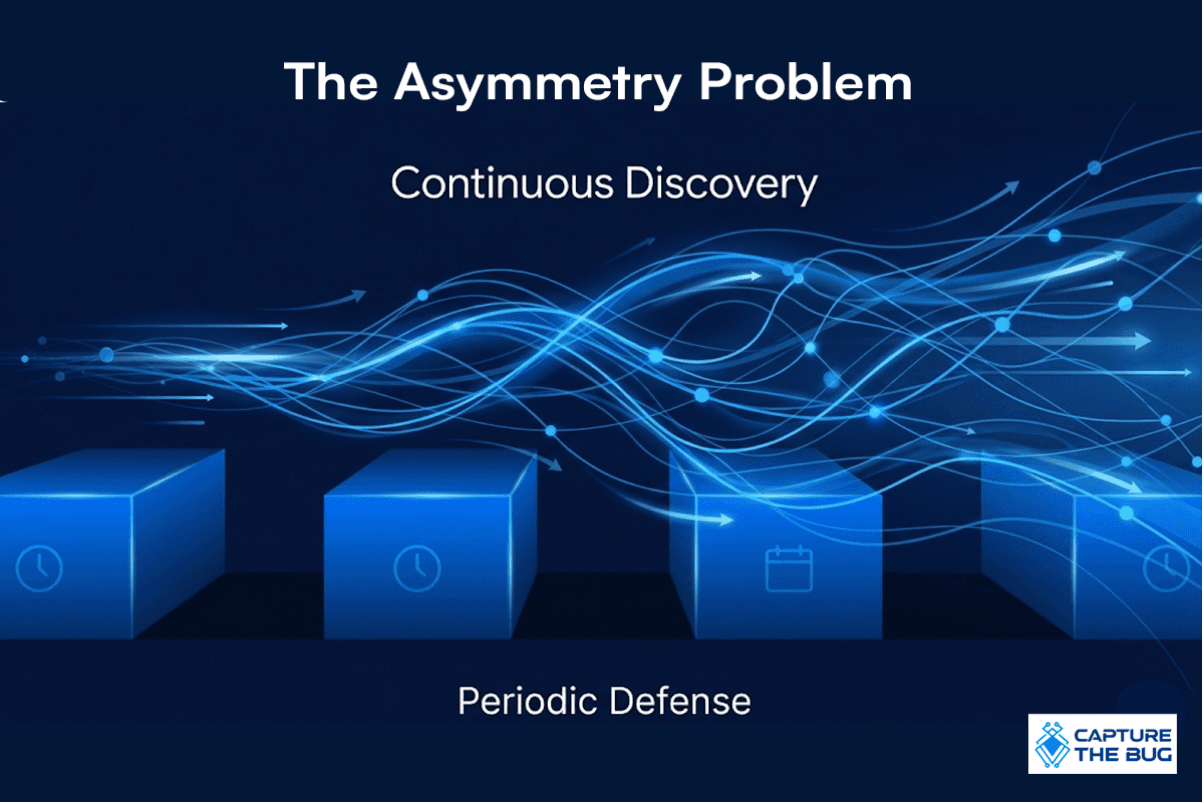
AI itself is not the threat. Asymmetry is.
When one side can test continuously and the other only periodically, the outcome is predictable. Vulnerabilities persist longer. Exploits become cheaper. Breaches scale faster.
This is why preparedness roles now focus on preventing misuse while enabling defenders. It is also why organisations cannot treat AI as an abstract ethics discussion. It is an operational reality.
What Security Leaders Should Do Now
For CTOs, CISOs, and founders, the response does not start with banning AI. It starts with closing the speed gap.
That means three things.
First, assume discovery is continuous. If attackers can reason about your systems daily, your assurance must operate on the same timeline.
Second, reduce reliance on static outputs. Long reports delivered after the fact cannot compete with live insight.
Third, keep humans in the loop. AI may find issues, but prioritisation and context still require experienced judgement.
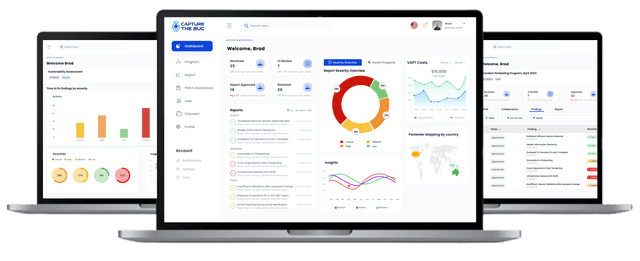
At Capture The Bug, this is exactly the shift we see across ANZ and US clients. Organisations are moving away from snapshot testing and toward continuous visibility because the threat environment demands it.
Not because it is trendy. Because the old model no longer matches reality.
A Turning Point, Not a Panic Moment
Altman's statement should not trigger fear. It should trigger alignment.
When leaders inside AI companies openly state that their systems are uncovering critical vulnerabilities, it validates what security professionals have observed quietly for years.
The pace has changed.
The responsible response is not denial. It is adaptation.
Security programs must evolve from scheduled assurance to ongoing verification. Teams must be equipped to handle faster feedback loops without burnout. And decision makers must accept that trust now depends on visibility, not promises.
Final Thoughts
This moment matters because it removes ambiguity.
AI agents are not just assisting humans anymore. They are reasoning about complex systems in ways that expose weaknesses faster than traditional defence models can absorb.
When the CEO of OpenAI says this publicly, it is not marketing. It is a signal.
Organisations that listen will adapt their security posture before the gap widens. Those that do not will keep operating on assumptions that no longer hold.
The future of security is not about smarter attackers or smarter defenders. It is about speed, visibility, and human judgement working together.
That future is already here.
FAQ
Is Sam Altman really concerned about AI security risks?
Yes. He has publicly stated that advanced AI models are already finding critical vulnerabilities, signalling real world risk rather than hypothetical concern.
Why does AI finding vulnerabilities matter for businesses?
Because the same capability can be used by attackers, increasing the speed and scale of exploitation beyond traditional defence cycles.
Does this mean AI is unsafe to use?
No. It means AI must be governed, monitored, and balanced with human oversight, especially in security sensitive environments.
How should companies adapt their cybersecurity approach?
By moving toward continuous visibility, faster validation cycles, and clear prioritisation rather than relying on static, point in time testing.
What role does human judgement still play?
A critical one. AI can discover issues, but humans must assess impact, context, and remediation strategy.