Top 7 Penetration Testing Mistakes SaaS Companies Still Make

Security failures in SaaS rarely come from a lack of effort. They come from outdated assumptions.
A founder believes testing once a year is enough. An engineering team assumes fixing later is fine. A CISO trusts a report that is already outdated. And that’s where risk quietly builds.
At Capture The Bug, working with SaaS companies across ANZ and the USA, the same patterns show up again and again. Not obvious mistakes. Subtle ones. The kind that look “secure enough” until something breaks.
Here are the seven most common penetration testing mistakes SaaS companies still make and how to avoid them.
1. Treating Pentesting as a Compliance Checkbox
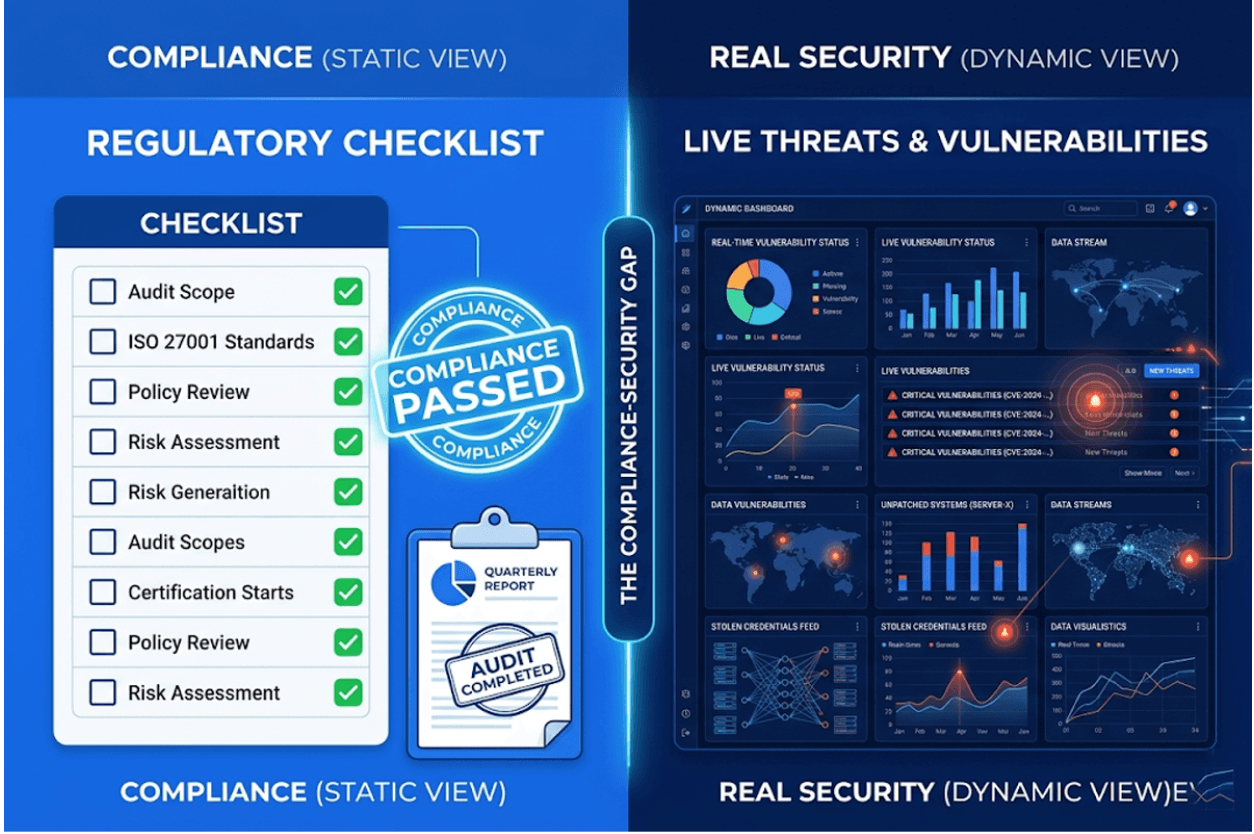
This is the most common and the most dangerous. Many SaaS companies approach penetration testing like an audit requirement. Get it done. Upload the report. Move on.
The problem is simple. Compliance proves you were secure at a moment in time. It does not prove you are secure now.
Modern SaaS products change constantly. New APIs, integrations, and features introduce new risks every week. A one-time test cannot keep up with that pace.
This is why many companies are moving toward continuous testing models. Instead of proving security once, they maintain it every day.
2. Waiting Too Long Between Tests

If your testing schedule is annual or even quarterly, you are operating with blind spots. Think about your last release cycle. How many changes went live after your last test?
Each change is a potential entry point. Traditional testing creates long gaps between discovery and detection. Those gaps are where attackers operate.
The reality is simple: Risk does not wait for your next scheduled test.
SaaS companies that stay ahead reduce this gap by testing whenever meaningful changes happen, not just when compliance demands it.
3. Relying on Static Reports Instead of Real Visibility
A PDF report might look comprehensive. But it is static the moment it is delivered. By the time your team reviews it:
- Some issues are already fixed
- Some new ones are already introduced
- Context is already lost
This creates a disconnect between what was tested and what actually exists.
Modern security needs visibility, not documents. When teams can see vulnerabilities as they are discovered and track fixes in real time, remediation becomes faster and more accurate.
4. Ignoring APIs and Integrations
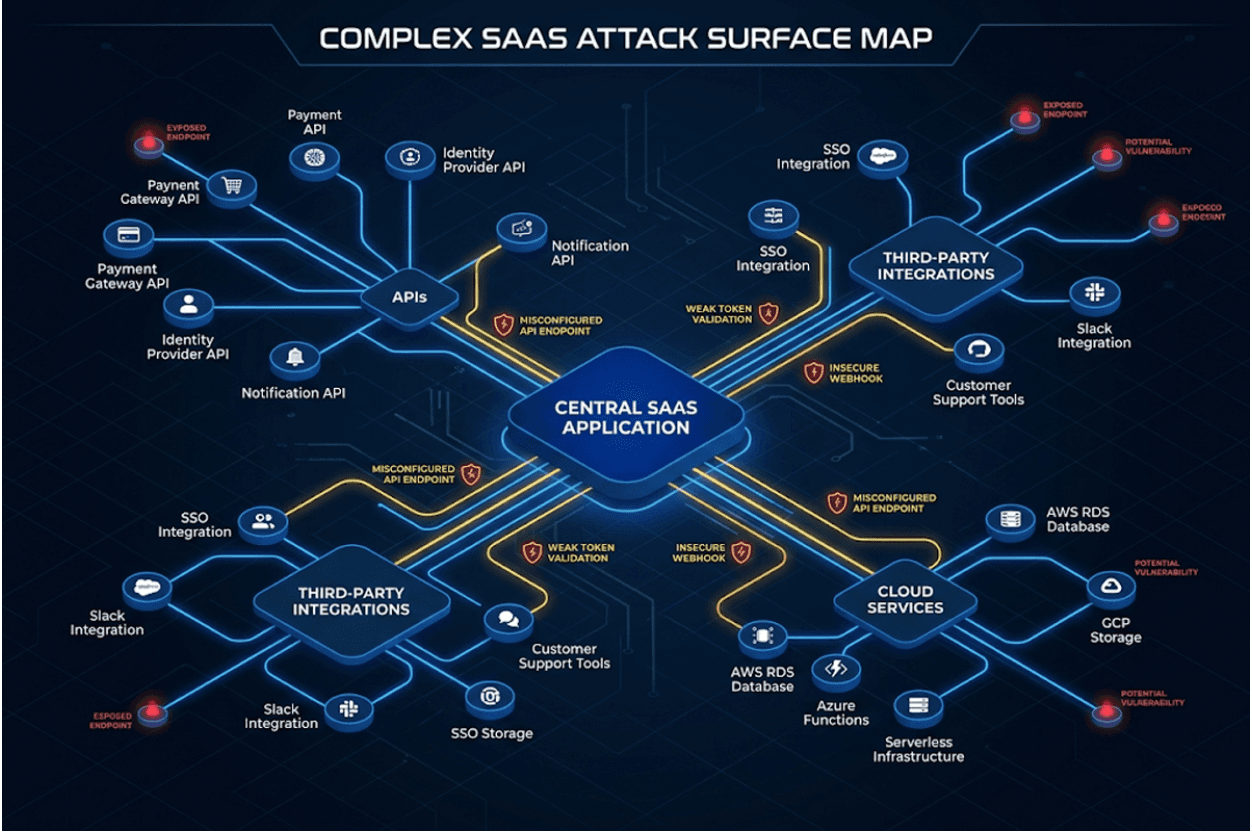
Most SaaS platforms are no longer single applications. They are ecosystems. APIs connect everything. Third-party integrations extend everything.
And that is exactly where many companies fall short. They test the main application but overlook internal APIs, partner integrations, and legacy endpoints.
Attackers do not think in product boundaries. They follow access paths.
5. Not Prioritizing What Actually Matters
Not all vulnerabilities are equal. Yet many teams treat them the same way. They fix what is easiest, ignore what is complex, and lose time on low-impact issues.
This is not a technical failure. It is a prioritization failure.
Effective penetration testing is not about listing vulnerabilities. It is about identifying which ones actually put your business at risk.
6. Poor Collaboration Between Developers and Testers
One of the most overlooked problems is communication. In many companies, penetration testing is handled externally, and results are handed off internally. That creates friction.
When developers and testers can communicate directly, issues get resolved faster. Misunderstandings disappear. Fixes improve.
Security is not a handoff. It is a shared workflow.
7. Delaying Retesting and Validation
Finding a vulnerability is only half the job. Fixing it without validating the fix is a risk in itself. Many SaaS teams fix issues and move on without proper retesting due to time or cost.
Continuous validation ensures that fixes actually work and stay effective over time.
The Bigger Pattern Behind These Mistakes
If you step back, all seven mistakes point to one core issue: Security is still being treated as a periodic activity instead of a continuous process.
That model no longer fits how SaaS companies operate. Your product evolves daily. Your infrastructure changes constantly. Your attack surface expands quietly.
Your testing approach needs to match that reality.
How Capture The Bug Approaches This Differently
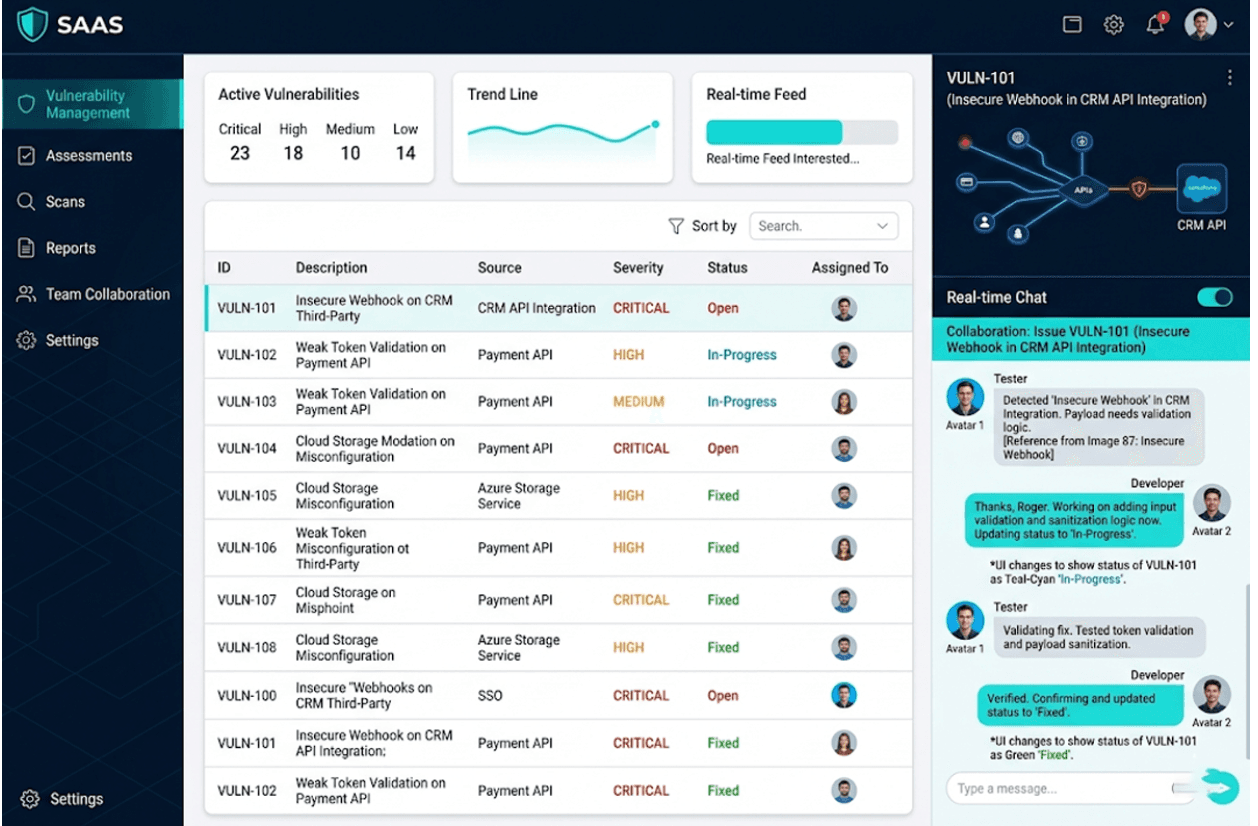
Capture The Bug works with SaaS companies that cannot afford blind spots. Instead of static testing cycles, the approach is built around continuous visibility, real-time collaboration, and validated results.
With CREST-certified expertise and a modern delivery model, teams can launch tests when needed, see vulnerabilities as they appear, and validate fixes instantly.
Explore how this works in practice: capturethebug.xyz/services/penetration-testing
Find Out How Often You Should Test Your Systems
Discover the ideal pentesting frequency based on your product, growth stage, and compliance needs — used by modern SaaS security teams.
Check Your Testing FrequencyFinal Thoughts
Most security failures are not caused by lack of tools or lack of intent. They are caused by outdated processes. SaaS companies today are building faster than ever. Security must move at the same speed.
If your penetration testing still feels slow, disconnected, or reactive, the issue is not your team. It is the model.
FAQ
1. What are the most common penetration testing mistakes in SaaS?
The most common mistakes include treating testing as compliance, relying on annual tests, ignoring APIs, using static reports, poor prioritization, lack of collaboration, and skipping retesting.
2. How often should SaaS companies perform penetration testing?
SaaS companies should test continuously or after every major update, rather than relying on annual or quarterly schedules.
3. Why are static pentest reports not enough?
Because SaaS environments change rapidly. A static report becomes outdated quickly and does not reflect current risks.
4. What should SaaS companies prioritize in pentesting?
They should prioritize exploitable, high-impact vulnerabilities that affect business risk, not just low-severity findings.
5. How does Capture The Bug help SaaS companies avoid these mistakes?
Capture The Bug provides continuous penetration testing with real-time visibility, collaboration, and instant validation.