What Is Shadow IT? Risks, Detection Methods and How to Manage It
Introduction: The Security Risk No One Sees Until It Hurts
Most security incidents do not start with sophisticated attacks. They start with something simple. An employee signs up for a tool to get work done faster. A team connects a third party app to company data. A developer leaves an old endpoint running after a project ends.
None of this feels dangerous at the time.
That is Shadow IT.
For modern companies, especially SaaS, fintech, and cloud native teams, Shadow IT has become one of the biggest sources of hidden risk. It grows silently, bypasses formal controls, and expands the attack surface without anyone noticing.
This guide explains what Shadow IT really means today, why it has evolved beyond basic device management, how organizations can detect it, and how to manage it without slowing teams down.
This is written from a practical, business-first perspective, not fear driven security talk.
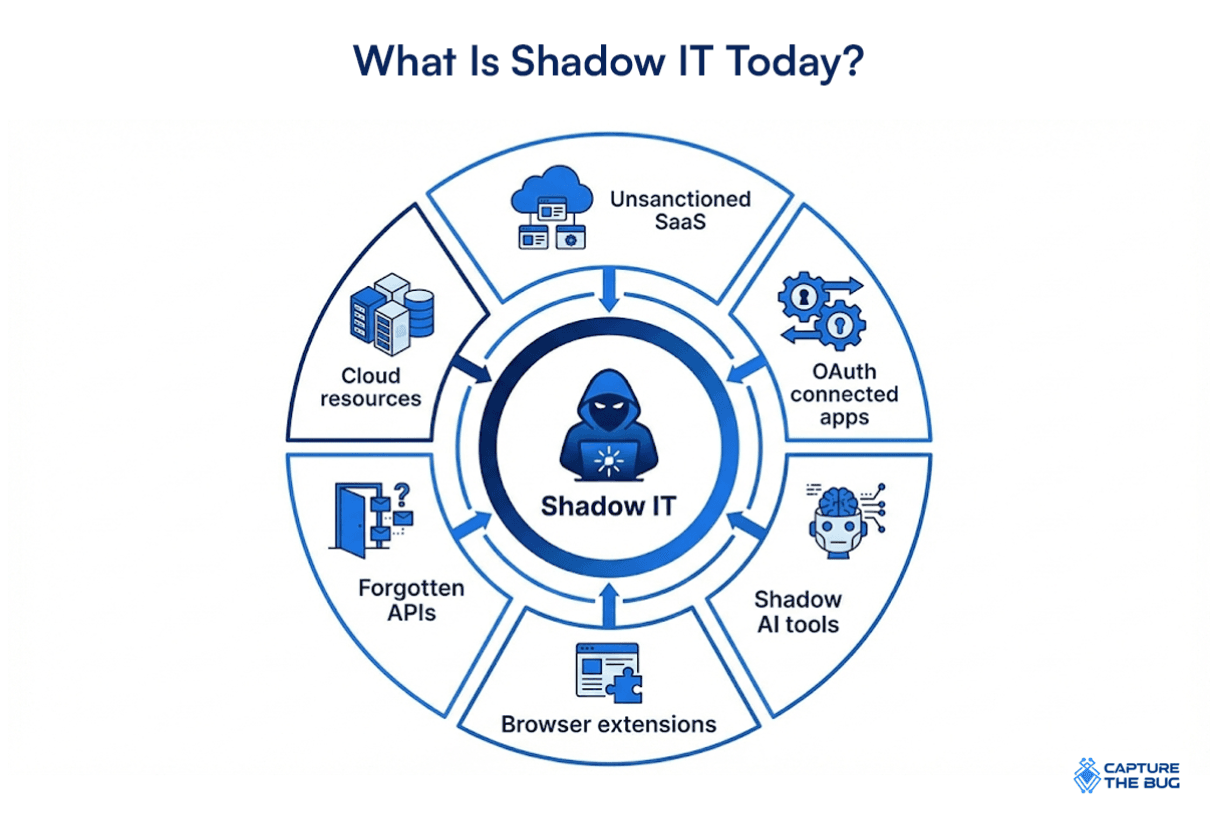
What Is Shadow IT Today?
Shadow IT refers to any software, service, system, or access path used inside an organization without formal approval, visibility, or governance from IT or security teams.
Traditionally, Shadow IT meant personal laptops or unapproved software installs. That definition is outdated.
Today, Shadow IT includes:
- Unsanctioned SaaS tools used with work data
- Third party apps connected via cloud login permissions
- Browser extensions accessing internal systems
- AI tools where employees upload code, documents, or client data
- Forgotten or undocumented APIs still exposed online
- Cloud resources created outside approved processes
The key point is intent. Shadow IT is usually not malicious. It exists because teams are trying to move faster than formal processes allow.
Most organizations believe they use a few dozen applications. In reality, they operate hundreds or thousands of tools and access paths, many of which leadership has never reviewed.
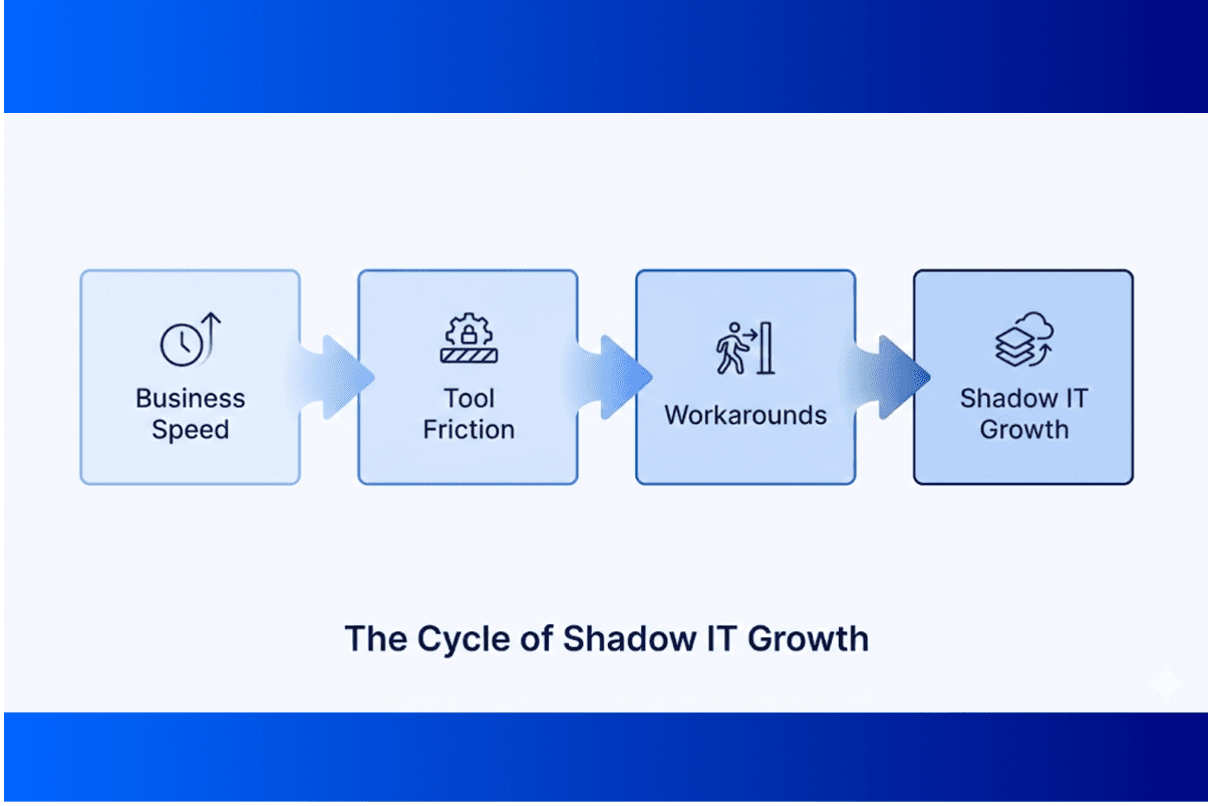
Why Shadow IT Keeps Growing
Shadow IT is a symptom, not a failure of discipline. It grows when security and productivity feel misaligned.
The most common drivers include:
Remote and distributed work
Teams working across locations adopt tools that are fast, familiar, and easy to access without waiting for approval.
Easy cloud access
Modern SaaS platforms allow anyone to sign up and connect company data in minutes using corporate email credentials.
Permission based cloud access
Third party tools can gain long term access to files, mailboxes, or calendars through delegated permissions that bypass traditional monitoring.
Widespread AI adoption
Employees increasingly use public AI tools to speed up work, often sharing sensitive information without clear guidance.
Rapid development cycles
Teams deploy services, integrations, and APIs quickly. When projects end, assets are often forgotten rather than retired.
Shadow IT grows wherever speed is rewarded and friction is punished.
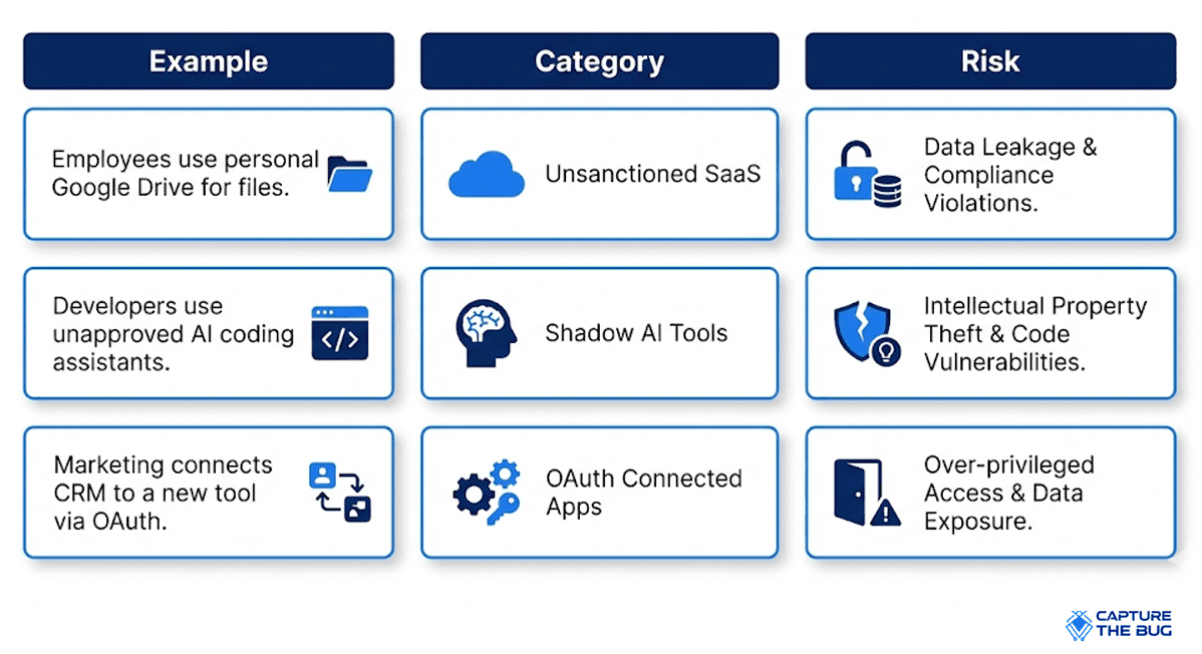
Real World Examples of Shadow IT
Shadow IT shows up in everyday workflows, not just technical systems.
Common examples include:
- Employees storing contracts in personal cloud drives
- Teams using unapproved video or messaging platforms
- Third party productivity apps connected to corporate email
- Browser extensions reading data from internal dashboards
- AI tools used to analyze proprietary code or documents
- Old APIs still reachable on the internet after migrations
- Contractor owned SaaS accounts operating outside central identity
Each example creates a gap in visibility, control, or accountability.
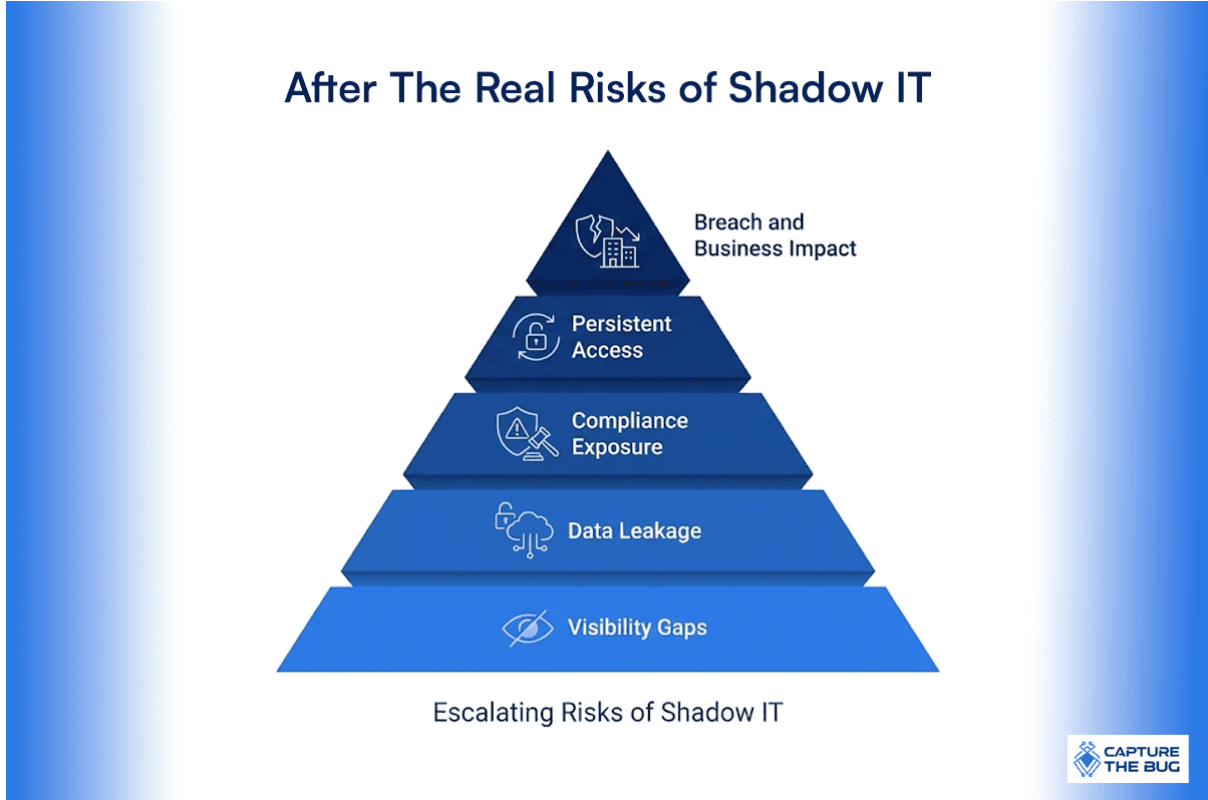
The Real Risks of Shadow IT
Shadow IT is dangerous not because it exists, but because it hides risk from decision makers.
Here are the most serious consequences.
1. Expanded attack surface
Unknown systems cannot be protected. Untracked apps, services, and APIs give attackers more places to probe.
Many breaches begin with forgotten assets that were never monitored or tested.
2. Data leakage and compliance exposure
When sensitive data moves into unapproved tools, it bypasses retention rules, audit trails, and regulatory safeguards.
From a regulator's perspective, not knowing where your data lives is not an excuse.
3. Persistent unauthorized access
Delegated access permissions allow third party tools to retain long term access even after employees leave or roles change.
This creates silent backdoors into corporate data.
4. AI driven data loss
Once proprietary information is uploaded into external AI tools, control is effectively lost.
One prompt can expose years of intellectual property or confidential client data.
5. Forgotten systems becoming entry points
Old APIs, cloud resources, and test environments are actively targeted because they are rarely secured or monitored.
Attackers look for what organizations forget.
How to Detect Shadow IT Effectively
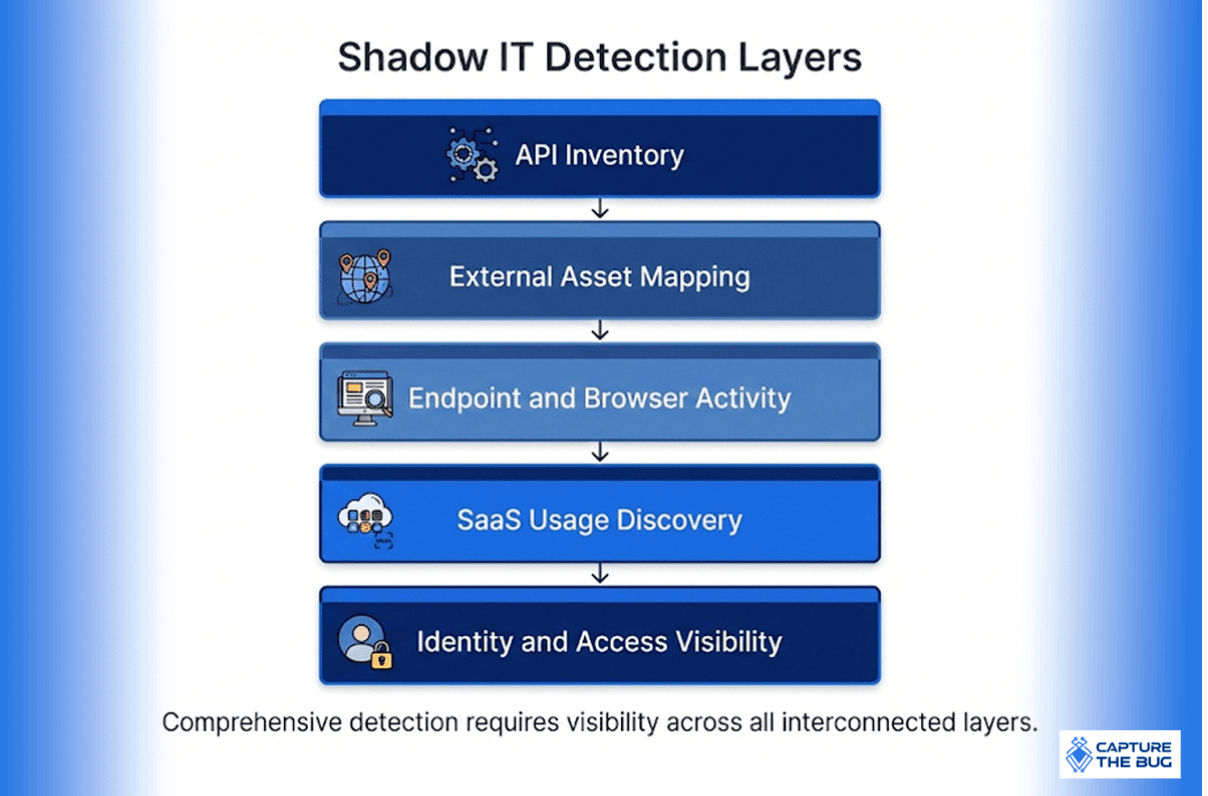
There is no single tool that solves Shadow IT. Detection requires layered visibility.
SaaS usage discovery
Analyzing access logs and identity activity helps uncover applications actually being used, not just approved ones.
Identity and permission reviews
Monitoring new access grants and permission changes reveals cloud to cloud connections that bypass networks.
Endpoint and browser visibility
Extensions and local applications often expose sensitive session data and should be reviewed regularly.
External asset discovery
Mapping internet facing systems tied to the organization helps uncover forgotten services and endpoints.
API inventory and monitoring
Comparing documented APIs with live traffic reveals shadow or orphaned endpoints that need attention.
Detection is not a one time project. It is an ongoing process.

Managing Shadow IT Without Slowing Teams
Blocking everything does not work. It pushes usage underground.
Effective Shadow IT management balances speed with accountability.
Build a fast approval path
Provide a clear service catalog and lightweight intake process so teams do not need to bypass IT to get work done.
Use risk based decisions
Not all tools carry the same risk. Low impact tools can move faster. High risk tools need additional controls and reviews.
Focus on permissions, not just apps
Limit access scopes, enforce least privilege, and regularly review third party permissions.
Coach users instead of punishing them
Clear guidance, real examples, and contextual warnings reduce risky behavior without damaging trust.
Assign ownership to everything
Every system, app, and API needs a responsible owner and a defined lifecycle.
Shadow IT is easier to manage when people understand expectations and consequences.
What Metrics Actually Matter
Leadership does not need technical detail. They need clarity.
The most useful metrics include:
- Growth or reduction of unapproved tools over time
- Average time to approve new tools
- Number of risky access permissions removed
- Time from discovery to remediation
- Percentage of external assets inventoried and secured
These metrics turn Shadow IT from a vague fear into a measurable risk.
How Capture The Bug Approaches Shadow IT Risk
Capture The Bug views Shadow IT as part of the modern attack surface, not a user behavior problem.
Their approach focuses on visibility first, then validation, then remediation.
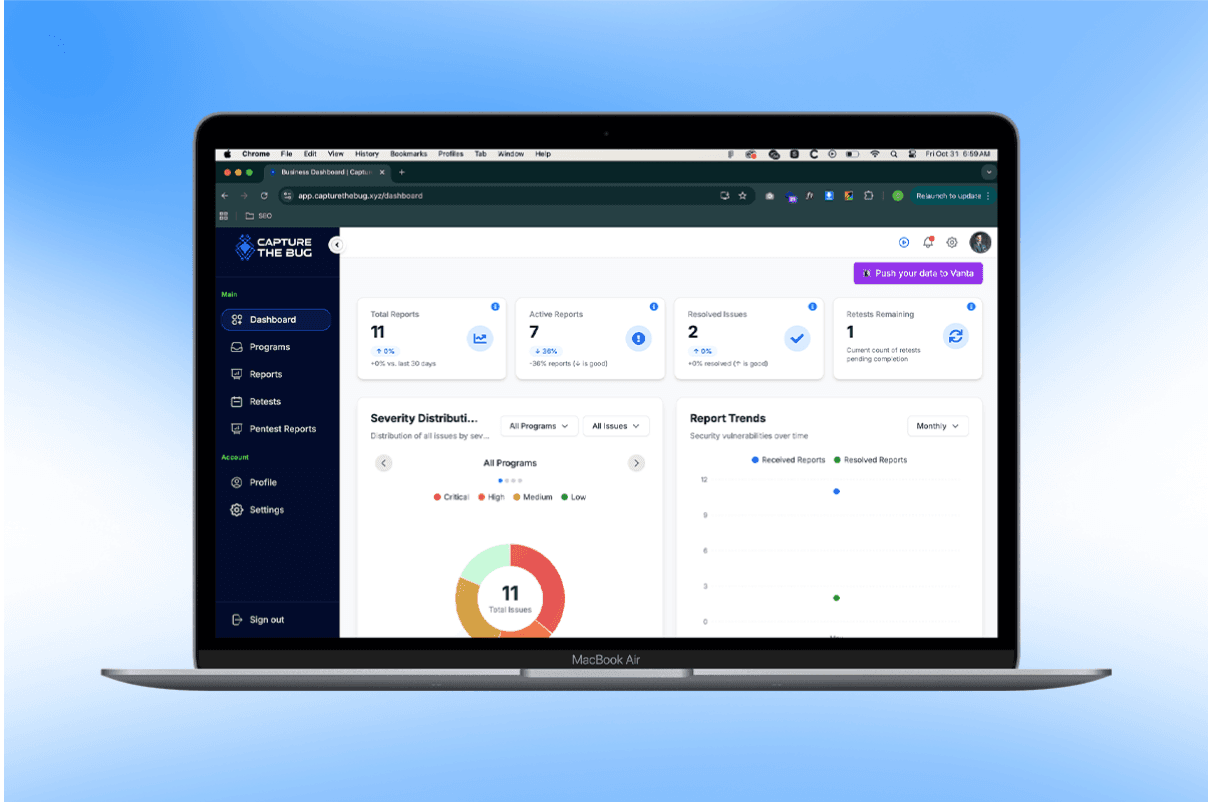
By continuously mapping external systems, identifying unknown assets, and validating real world exposure through penetration testing, organizations gain clarity on what truly matters.
Shadow systems are not just logged. They are tested, fixed, and tracked with accountability.
This closes the gap between discovery and action.

Final Thoughts
Shadow IT is not going away. It is a byproduct of modern work.
The goal is not to eliminate it completely, but to make it visible, manageable, and accountable.
Organizations that succeed treat Shadow IT as a business risk, not a discipline problem. They align security with speed, focus on permissions and ownership, and measure progress with meaningful metrics.
When you know what you have, you can protect it.
When you do not, attackers will find it first.
FAQ
What is Shadow IT in cybersecurity?
Shadow IT refers to any technology, application, or system used without formal approval or visibility, creating hidden security and compliance risks.
Why is Shadow IT dangerous for businesses?
Because it bypasses security controls, hides data movement, expands the attack surface, and increases the chance of breaches and regulatory penalties.
Is Shadow IT always bad?
No. It often highlights unmet business needs. The risk comes from lack of visibility and control, not the tools themselves.
How can companies reduce Shadow IT risk?
By improving visibility, reviewing access permissions, offering fast approval paths, and continuously monitoring external assets.
Does Shadow IT affect compliance?
Yes. Regulators expect organizations to know where data is stored and how it is accessed. Shadow IT breaks that chain of accountability.