The $1M Risk: Why SaaS Founders Can’t Rely on Traditional Security Anymore
Introduction: The Risk No One Sees Coming
Every SaaS founder believes they’ve “handled security.” You’ve run a penetration test. You’ve checked compliance boxes. You’ve got a report sitting in a folder that says everything looks fine.
And yet, companies still lose millions.
Not because they ignored security. But because they relied on the wrong model. The uncomfortable truth is this: traditional security was built for a slower world. Your product isn’t slow anymore.
So your protection shouldn’t be either.
The Illusion of Safety: Why Traditional Security Feels Enough
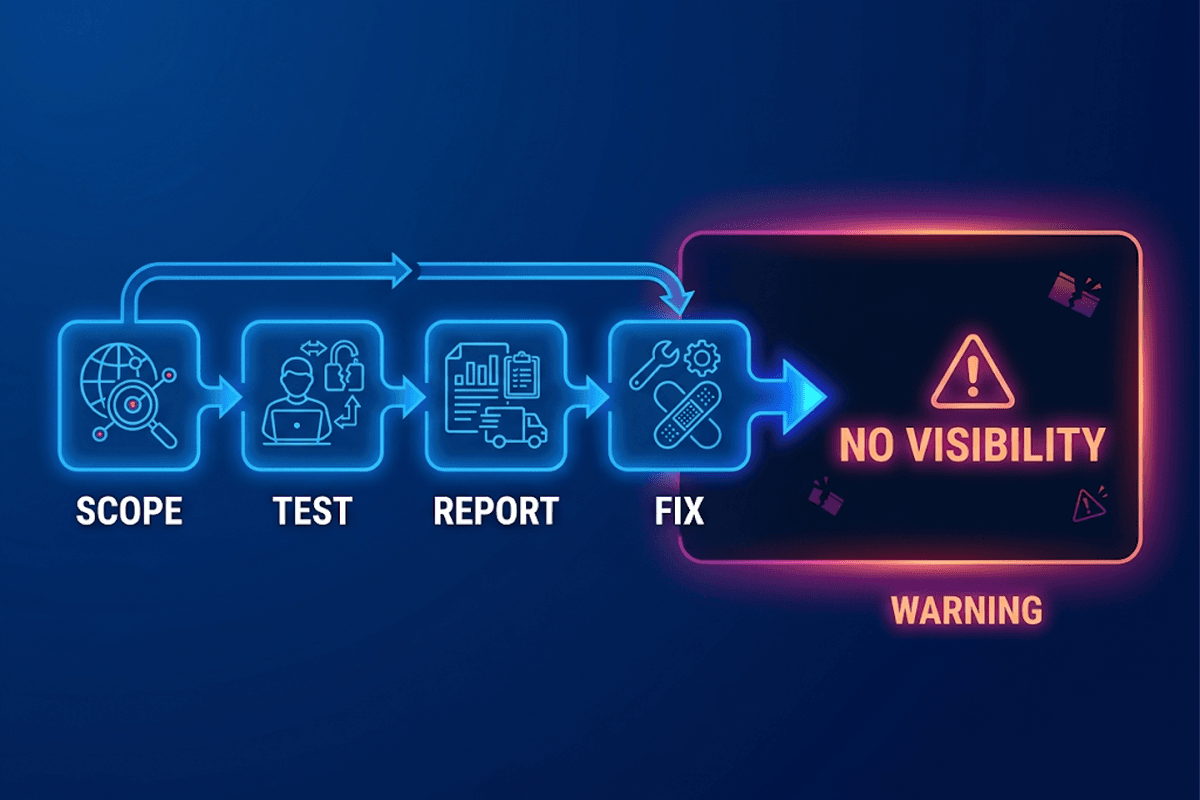
Traditional penetration testing created a sense of certainty. You scope, you test, you receive a report, and you fix what is listed. On paper, it looks structured and reliable.
But here’s the gap most founders don’t realize: That report is already outdated the moment it’s delivered.
As highlighted in modern PTaaS models, traditional testing works like a yearly health check. It tells you how things looked at one point in time, not how they look today. And in SaaS, “today” changes constantly.
The $1M Gap: Where Real Risk Lives
Let’s break this down in real terms. A typical SaaS company ships updates weekly, adds new APIs regularly, and expands infrastructure as it scales.
Now consider how traditional security works: Test once or twice a year, wait weeks for results, and fix issues over time.
That creates a massive gap between testing and reality. That gap is where breaches happen. Not during testing. Not during audits. But in the quiet space between them.
That’s your $1M risk:
- One missed validation.
- One exposed endpoint.
- One integration that wasn’t tested.
A Real Founder Scenario
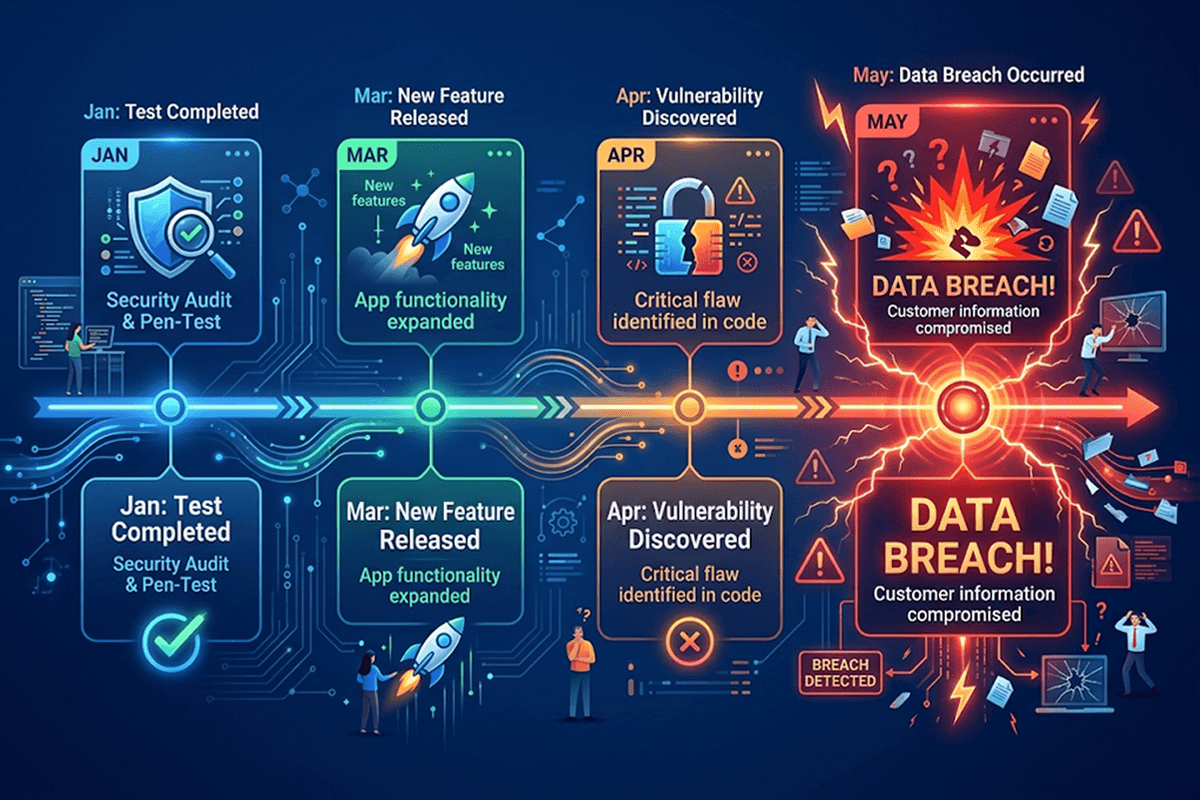
A fast-growing SaaS startup completes its annual penetration test in January. Everything looks good. In March, they launch a new feature integrating a third-party API. In April, a minor configuration issue exposes sensitive customer data.
No one notices. Because the next test is months away.
By the time the issue is discovered, the damage is done: Lost trust, lost customers, and potential legal exposure. This isn’t rare. It’s predictable because the system wasn’t built for continuous change.
Why SaaS Broke the Old Security Model
Traditional security assumes stability. SaaS is the opposite. Your product is always evolving, always deploying, and always expanding its attack surface.
Security that works in fixed intervals cannot keep up with moving systems. This is the core mismatch. Not a lack of effort or budget, but a mismatch between how you build and how you secure.

Compliance Is Not Protection
Many SaaS founders rely on compliance (SOC 2, ISO 27001) as proof of security. These frameworks matter, but they don’t guarantee real-time protection. They validate a process at a point in time.
This is where many companies get caught off guard: They pass audits, then they get breached. Because compliance is periodic, but risk is continuous.
The Shift: From Testing Events to Continuous Assurance
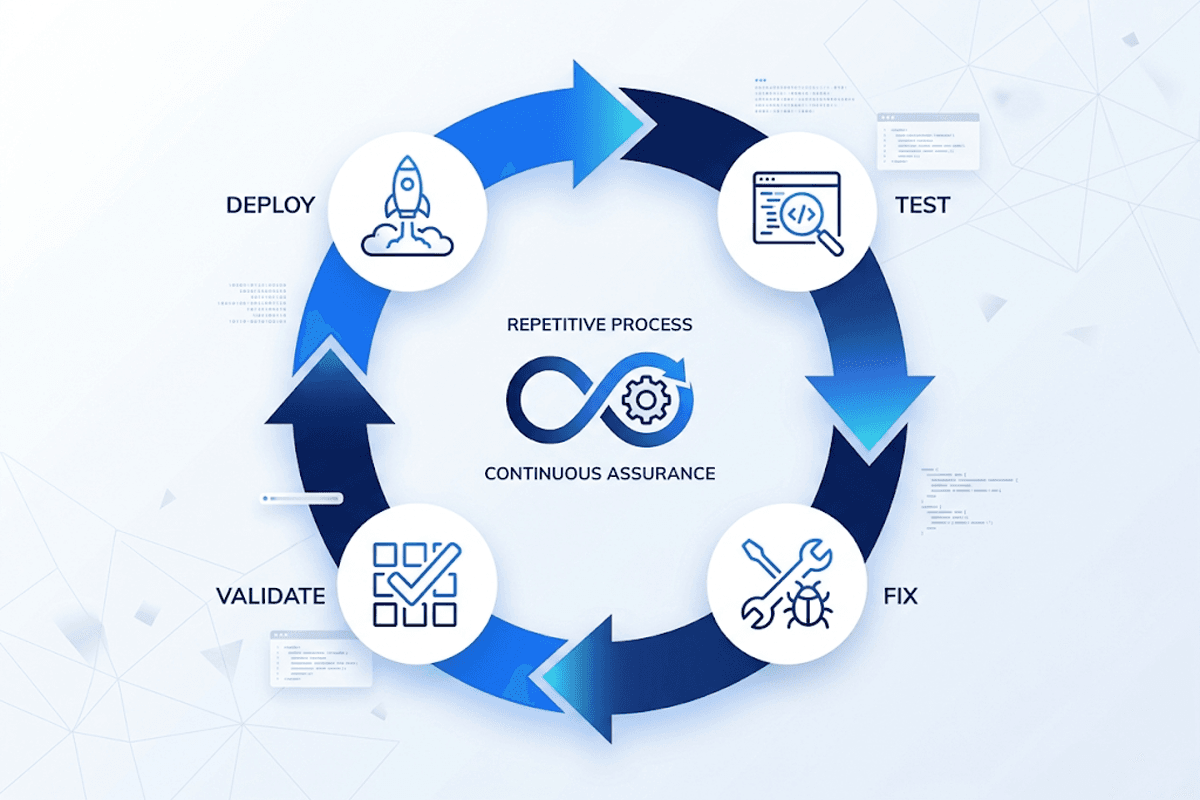
Modern SaaS security is not about running tests. It’s about maintaining visibility. Instead of treating penetration testing as a one-time event, leading companies are adopting a continuous model where new features are tested as they go live.
Understand the Difference That Impacts Your Risk
Compare traditional penetration testing vs continuous testing and see which model actually protects your business in real time.
The Business Impact: Beyond Risk Reduction
Moving away from traditional security improve how your company operates. You get faster development cycles, better collaboration, and stronger positioning in enterprise sales. Security becomes a visible strength.
Where Capture The Bug Fits In
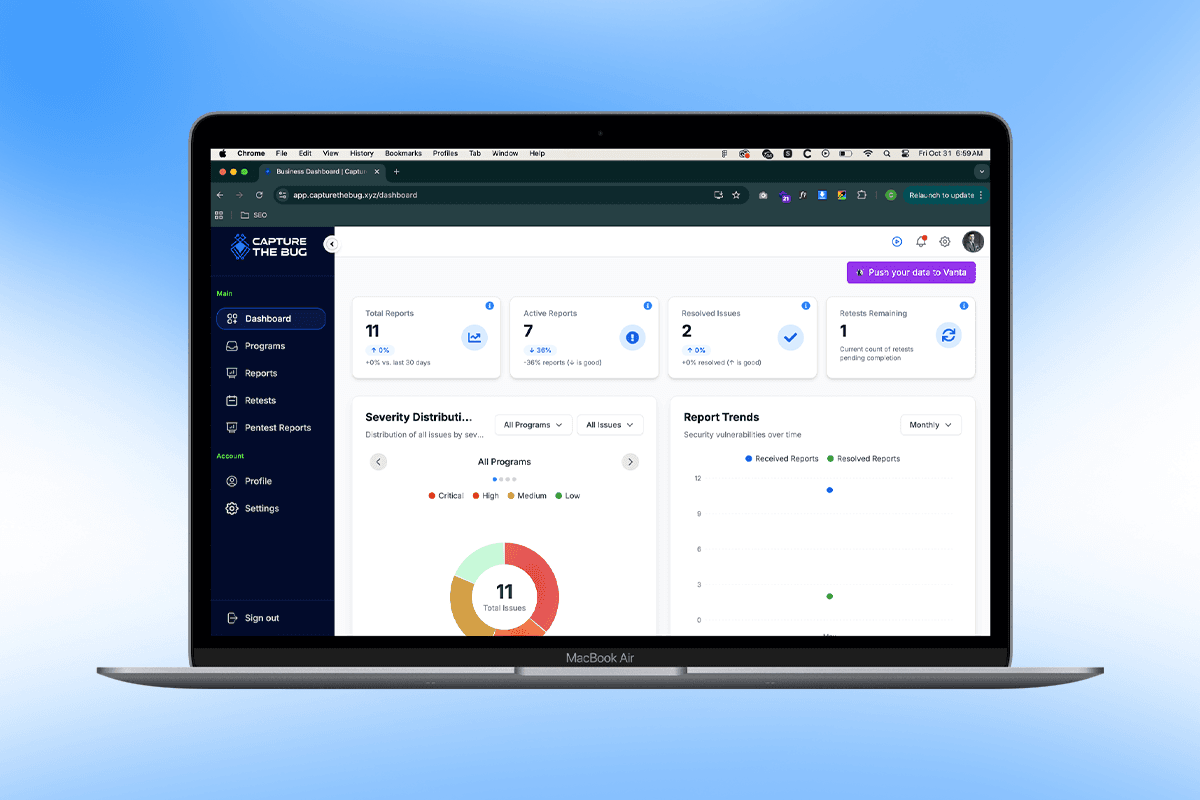
Capture The Bug provides a continuous approach where testing happens when you need it, findings are validated by real experts, and results are visible as they happen.
- ✓ Testing happens on-demand
- ✓ Findings validated by real experts
- ✓ Results visible in real-time
- ✓ Compliance reporting always ready
The Founder Mindset Shift
"The biggest change isn't technical. It's mental. From 'We tested it already' to 'We are continuously validating it.' That shift is what separates reactive companies from resilient ones."
Final Thoughts: The Cost of Standing Still
The biggest risk in SaaS today isn’t moving too fast. It’s securing too slowly. Traditional security isn’t broken; it’s just outdated for how modern companies operate.
Are you relying on a snapshot of your past security? Or do you actually know your current risk?
FAQ
1. Why is traditional penetration testing not enough for SaaS companies?
Because it provides a point-in-time assessment, while SaaS environments change continuously, creating gaps in visibility.
2. What is the biggest risk in relying on traditional security?
The delay between testing cycles, where new vulnerabilities can appear and remain undetected.
3. How does continuous security reduce risk?
It identifies vulnerabilities in real time, allowing teams to fix issues before they can be exploited.
4. Is compliance enough to protect SaaS platforms?
No. Compliance validates processes but does not ensure ongoing security against evolving threats.
5. How does Capture The Bug help SaaS founders?
By providing continuous penetration testing with real-time visibility, faster validation, and compliance-ready reporting.