AI Risk Testing for US Fintech: What's Broken and How to Fix It
Introduction: Fintech Is Moving Faster Than Its Security
In the U.S., fintech companies are building faster than ever. New payment flows, lending models, fraud detection systems, and customer experiences are being powered by AI.
But here is the uncomfortable truth: AI is not just improving your product. It is expanding your attack surface. Every model, every API, every decision engine introduces new risk. And most fintech teams are still relying on outdated, point-in-time testing methods to manage it.
That gap is where breaches happen. At Capture The Bug, this pattern shows up repeatedly. Fast-growing fintech teams invest heavily in innovation but underestimate how quickly AI-driven systems can fail under pressure.
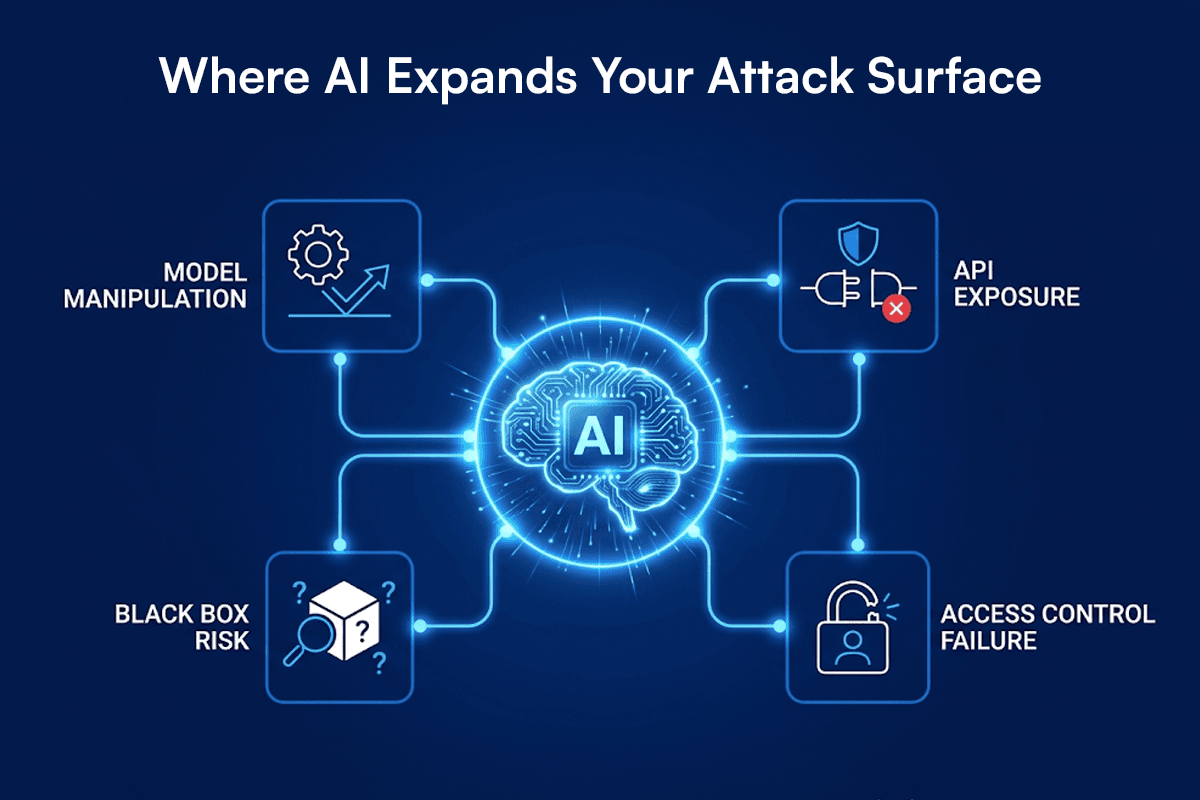
The New Risk Landscape in AI-Powered Fintech
AI changes how fintech systems behave. It introduces dynamic logic, evolving outputs, and complex dependencies. That means traditional testing approaches miss critical gaps.
1. Model Manipulation and Data Poisoning
AI models learn from data. If that data is manipulated, the model's behavior changes. Attackers can inject malicious training data to influence fraud detection systems or bypass risk scoring engines.
2. API Exposure in AI Systems
Fintech runs on APIs. AI systems amplify that dependency. Every AI-powered feature connects to payment gateways, third-party data providers, and internal scoring engines. One weak API can expose financial histories and user identities.
Why Traditional Security Testing Fails Fintech AI
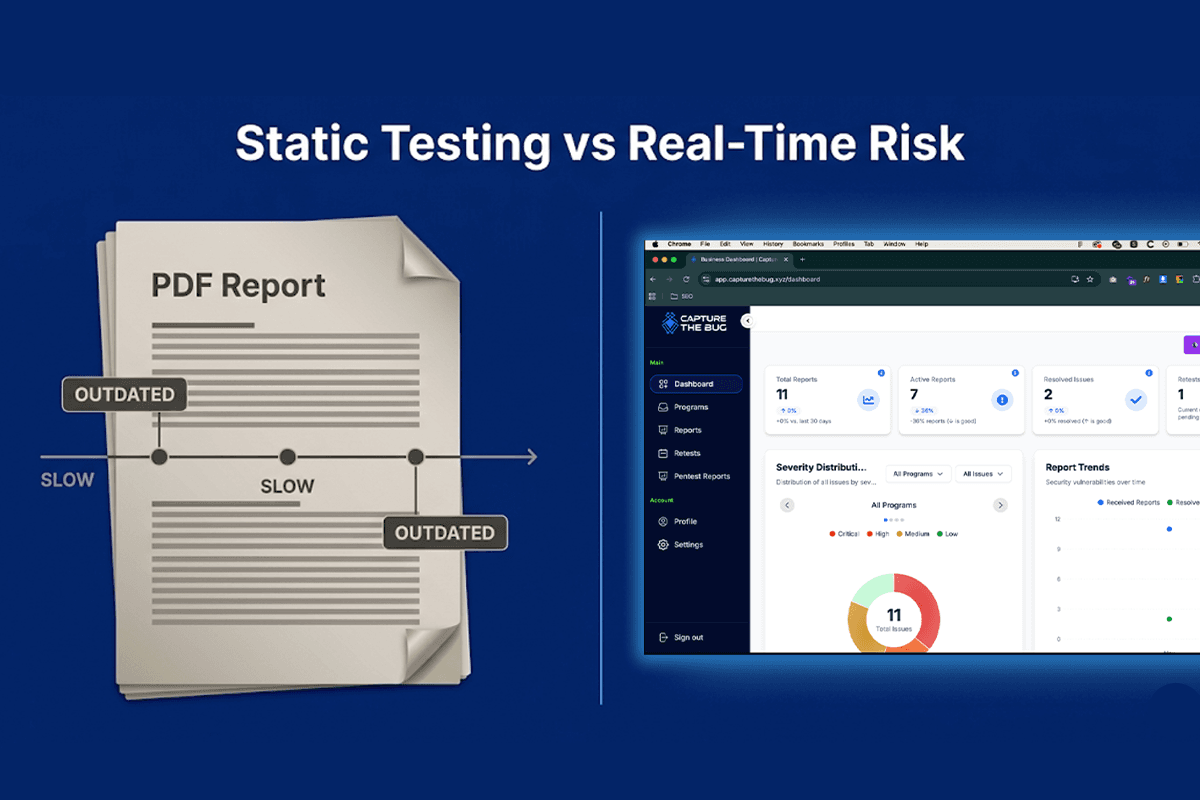
Most fintech companies still rely on scheduled penetration testing. It looks structured, but it creates dangerous gaps. Traditional testing happens once or twice a year and delivers static reports.
In AI-driven fintech, systems change weekly. By the time a report arrives, the model has updated and APIs have changed, making the report partially irrelevant.
The Shift: Continuous AI Security Testing
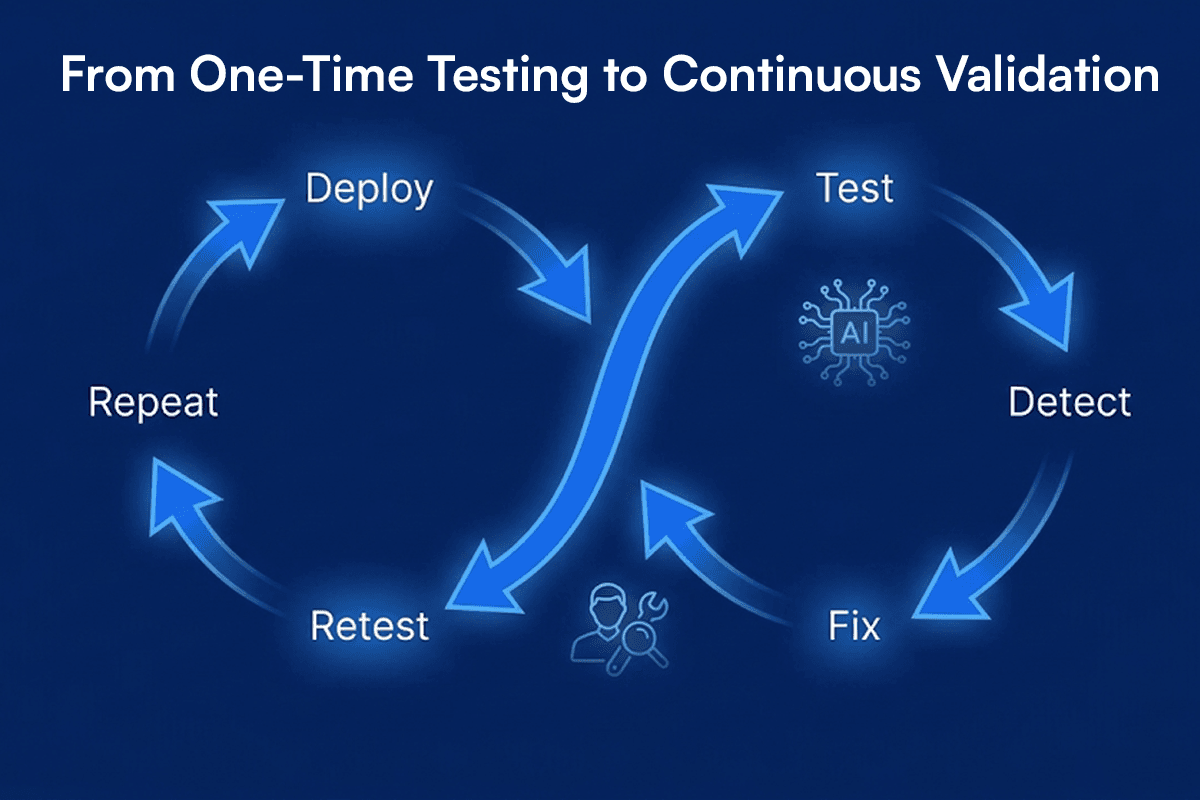
Instead of treating testing as a compliance task, leading firms are moving toward continuous validation. This means testing new AI features as soon as they are deployed and validating APIs every time integrations change.
How Capture The Bug Secures AI-Driven Fintech
Capture The Bug applies a PTaaS model designed for modern fintech environments. Not theoretical—built for speed and clarity.
- On-Demand Testing: Start testing immediately when launching new fraud models or lending engines.
- Human-Validated Findings: Our experts remove the noise of AI false positives to focus on real, exploitable risks.
- Real-Time Visibility: See live vulnerabilities and fix progress instead of waiting for a PDF report.
Real-World Scenario: Where AI Testing Fails Without Continuity
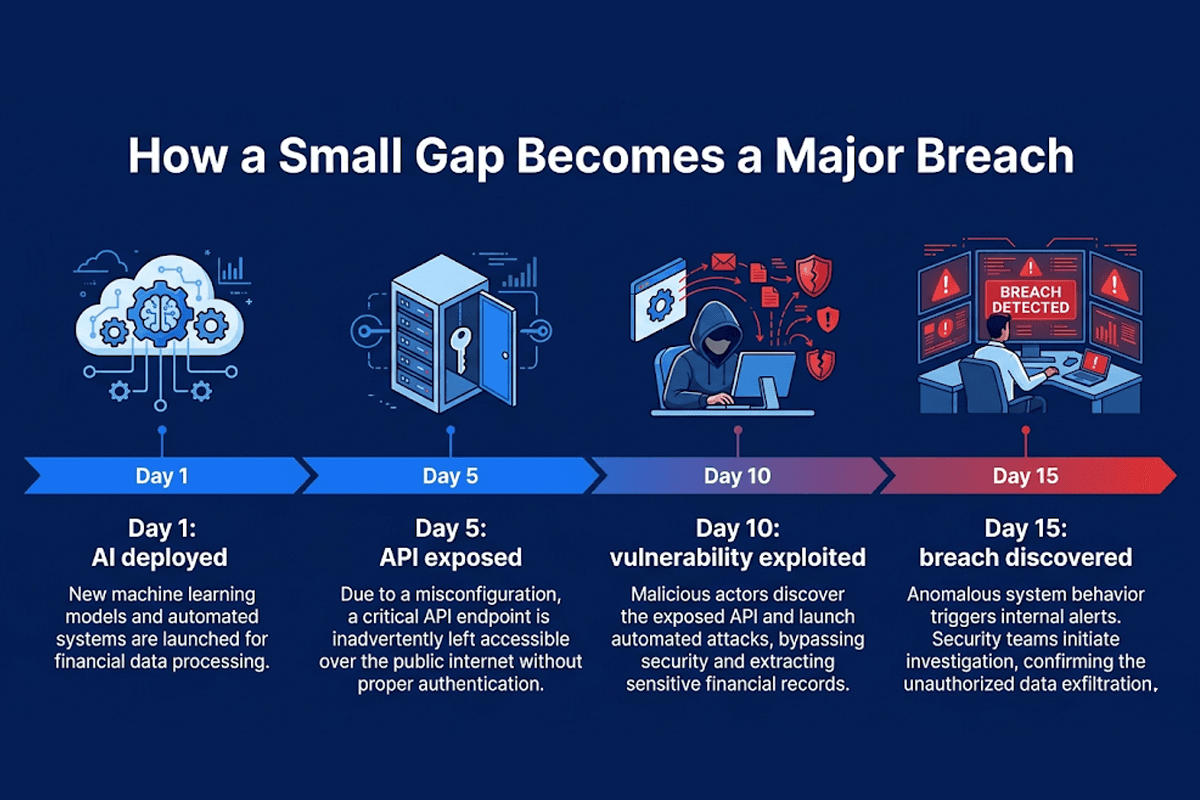
A U.S. fintech startup deployed an AI fraud detection system. Initial testing showed no issues. However, within weeks, a new API integration exposed transaction data. The problem wasn't a lack of testing, but a lack of continuous testing.
Compliance Pressure in the U.S. Fintech Market
SOC 2, PCI DSS, and state-level laws now require evidence of ongoing testing. Static reports are no longer enough. Capture The Bug helps teams generate compliance-ready reports instantly and maintain audit readiness year-round.
The Business Impact: Why This Matters Beyond Security
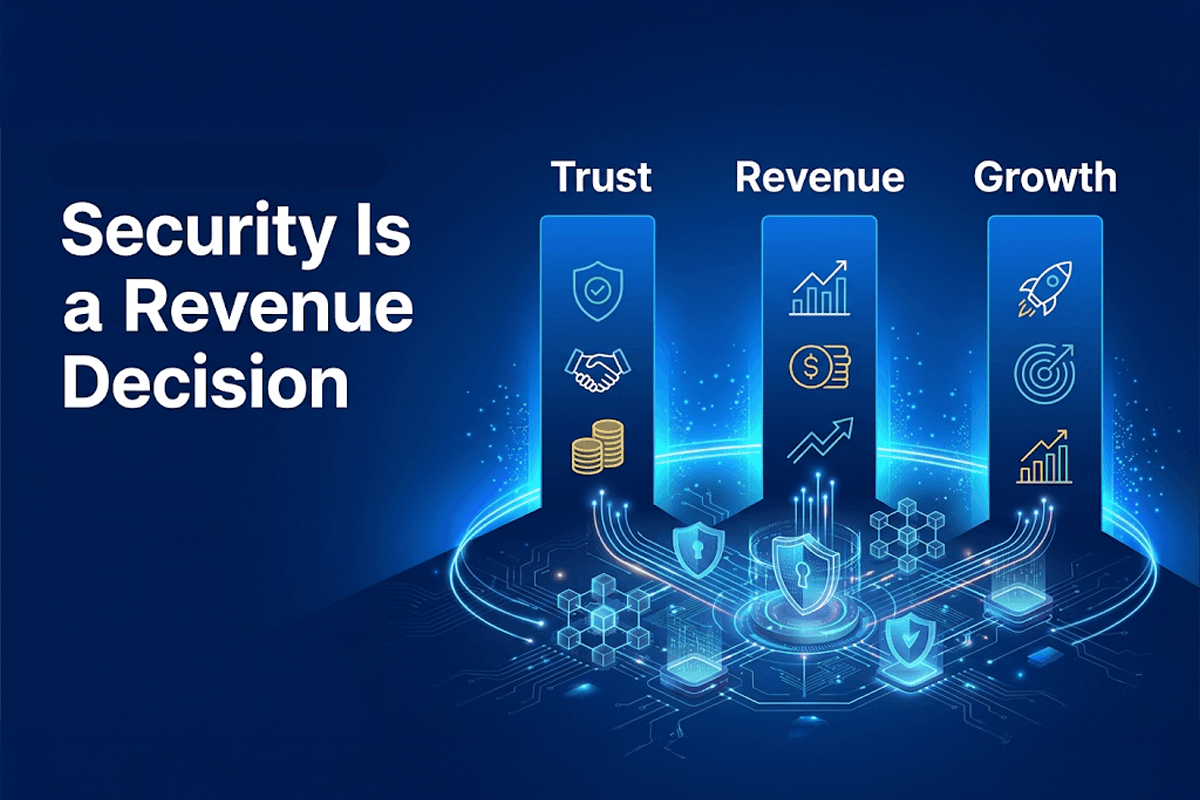
Security failures in fintech directly impact customer trust, revenue, and investor confidence. Companies that treat security as a continuous business function fix vulnerabilities faster and move with confidence.
Final Thoughts: AI Innovation Needs AI-Level Security Speed
The companies leading the U.S. fintech market are not the ones with the most features. They are the ones that can build fast and prove security at any time. Capture The Bug enables exactly that by removing delay.

FAQ
1. What is AI security testing in fintech?
AI security testing evaluates risks in machine learning models, APIs, and automated decision systems to prevent data breaches and manipulation.
2. Why is traditional testing not enough for fintech AI?
Because AI systems change frequently, and point-in-time testing cannot keep up with rapid updates and integrations.
3. How does continuous testing improve fintech security?
It provides real-time visibility, faster vulnerability detection, and immediate validation of fixes, reducing risk exposure.
4. What risks are unique to AI in fintech?
Model manipulation, API vulnerabilities, automated decision flaws, and lack of explainability are key risks.
5. How does Capture The Bug help fintech companies?
It delivers continuous, real-time pentesting with expert validation, helping teams detect and fix vulnerabilities faster while staying compliant.