
Top 7 Online Penetration Testing Tools in 2026
Introduction: Tools Don’t Secure You, Outcomes Do
Most founders and CTOs ask the wrong question. They ask, “Which penetration testing tool should we use?” The better question is, “Which tool actually helps us stay secure after the test?”

Because here is the reality in 2026: Finding vulnerabilities is easy. Fixing them fast, validating them, and staying secure continuously is where most companies fail. The market is full of tools. Some are powerful. Some are noisy. Some look impressive in demos but create more work for your team later.
This guide cuts through that noise. These are the top 7 online penetration testing tools that actually matter today, based on real-world usability, speed, and business impact.
1. Capture The Bug
Capture The Bug is not just another testing platform. It represents how penetration testing has evolved. Instead of treating testing as a one-time event, it delivers continuous visibility through a live dashboard. Vulnerabilities appear as they are discovered, developers fix them, and testers validate them in real time.
This removes the biggest problem in traditional testing: delay. What makes it different is simple: you are not waiting for a report; you are working on security as it happens.
This approach is built around how modern teams actually operate. If your team is shipping updates regularly, a static report is already outdated by the time you read it. Capture The Bug solves that by making testing ongoing, not occasional. For companies that care about compliance, speed, and clarity, this is currently one of the strongest options.
If you want to see how continuous testing works in practice, you can explore their penetration testing service here: capturethebug.xyz/services/penetration-testing
2. Burp Suite
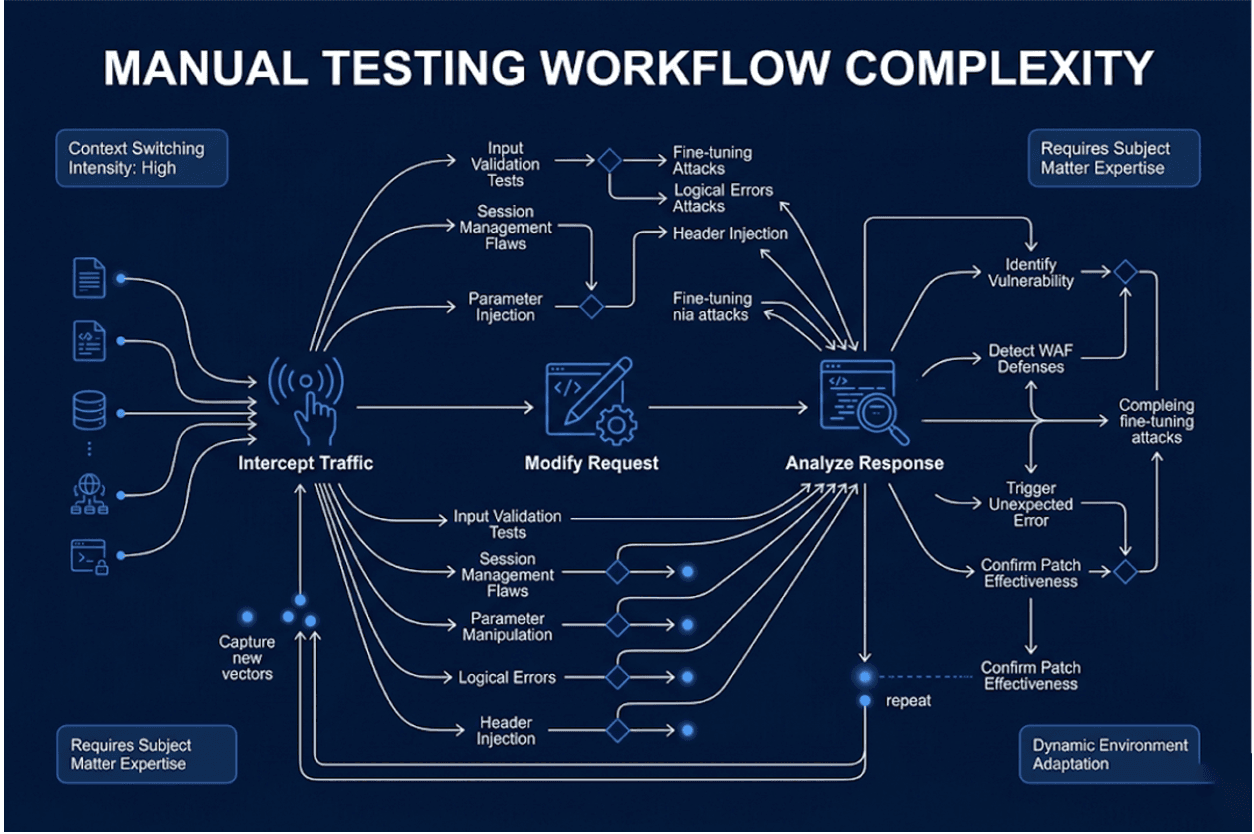
Burp Suite remains one of the most widely used tools for web application testing. It is known for its depth. Security professionals rely on it for manual testing, especially when they need control and precision. It allows testers to intercept traffic, manipulate requests, and uncover complex vulnerabilities that automated tools often miss.
But here is the trade-off: it is powerful, but it requires expertise. It is not built for collaboration across teams. For individual testers or internal security teams, it is excellent. For fast-moving companies that need shared visibility, it can feel limited.
3. Nessus
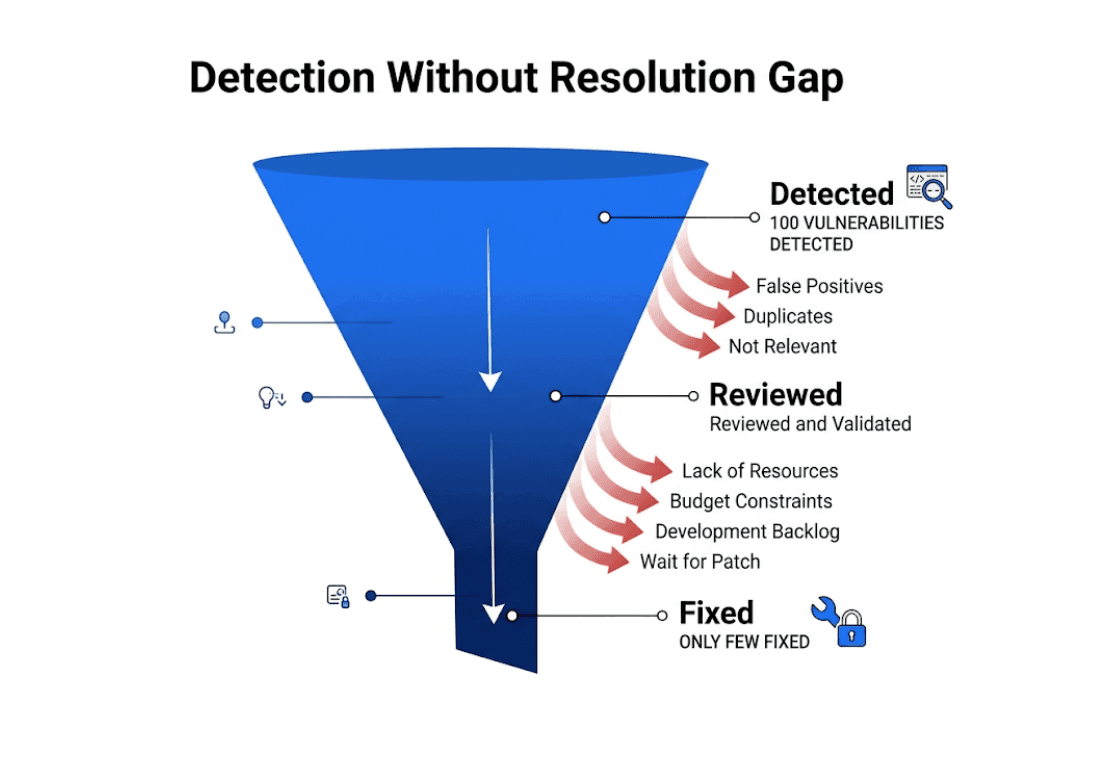
Nessus has been around for years and continues to be a popular vulnerability assessment tool. It is fast, reliable, and provides broad coverage across systems and networks. Companies use it to quickly identify known vulnerabilities and misconfigurations.
However, Nessus focuses more on detection than resolution. It tells you what is wrong. It does not help you fix it collaboratively. That gap is where many teams struggle, especially when vulnerabilities pile up faster than they can be resolved.
4. Metasploit
Metasploit is one of the most recognized frameworks in the security world. It is designed for exploitation. That means it helps testers go beyond identifying issues and actually demonstrate how those issues can be used in real attacks. This is extremely valuable for understanding real risk.
But again, it is a specialist tool. It is not designed for business workflows. It is not built for ongoing visibility. It shines in expert hands but does not solve the broader problem of continuous security.
5. Acunetix
Acunetix is focused on web application security and is known for its ease of use. It helps teams scan websites and applications quickly, making it attractive for smaller teams that want quick insights without deep technical setup.
The advantage is simplicity. The limitation is depth and validation. It can find issues, but it does not always provide the context or confirmation that teams need before prioritizing fixes. This often leads to noise, which slows teams down.
6. Intruder
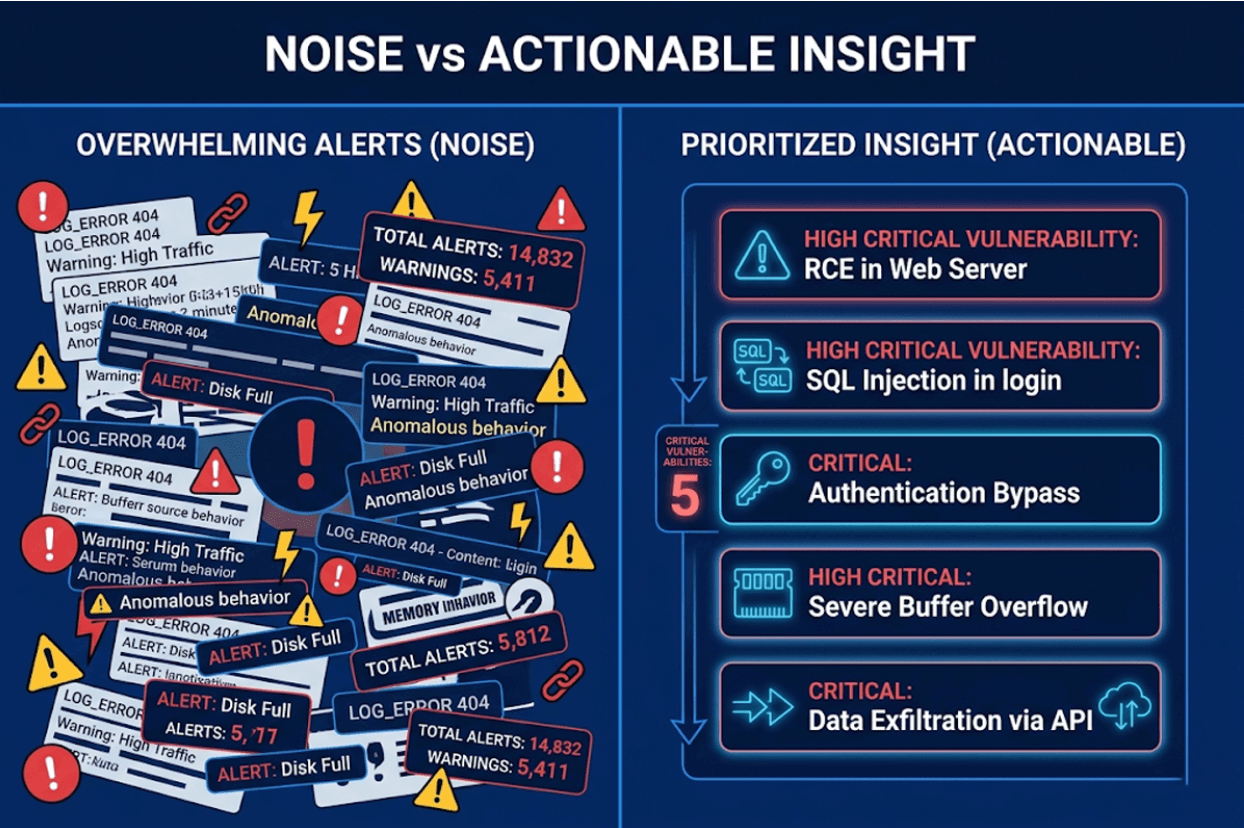
Intruder positions itself as a modern, cloud-based vulnerability scanning platform. It is designed to be easy to set up and integrates well into workflows, making it appealing for startups and growing companies. It continuously checks for weaknesses and alerts teams when something changes.
That is useful. But like many tools in this category, it focuses heavily on detection. Without strong validation and collaboration, teams can end up chasing alerts instead of solving real problems.
7. Cobalt
Cobalt brings a structured approach to penetration testing with a platform that connects businesses to testers. It offers a more modern experience compared to traditional vendors, with dashboards and organized reporting. It improves visibility compared to older models.
However, it still operates closer to a scheduled testing approach rather than fully continuous testing. That means there is still a gap between when vulnerabilities are introduced and when they are discovered.
What Actually Matters in 2026
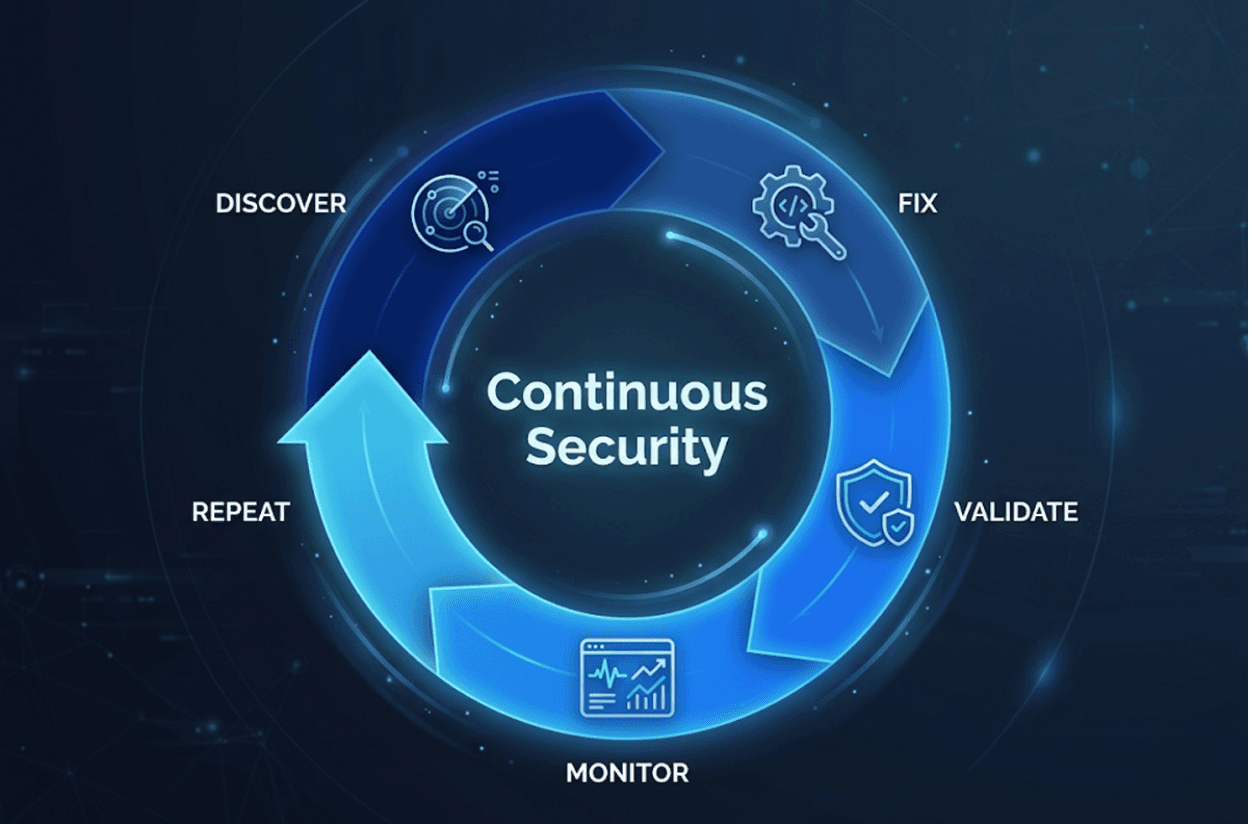
If you are choosing a penetration testing tool today, focus on outcomes, not features. Ask these questions:
- Can your team see vulnerabilities as they appear?
- Can developers collaborate directly with testers?
- Can fixes be validated instantly?
- Can you generate compliance reports without manual work?
If the answer is no, the tool is only solving part of the problem. Modern security requires continuous visibility, not periodic testing. That is why the industry is shifting toward platforms that combine testing, validation, and collaboration into one system.
Final Thoughts
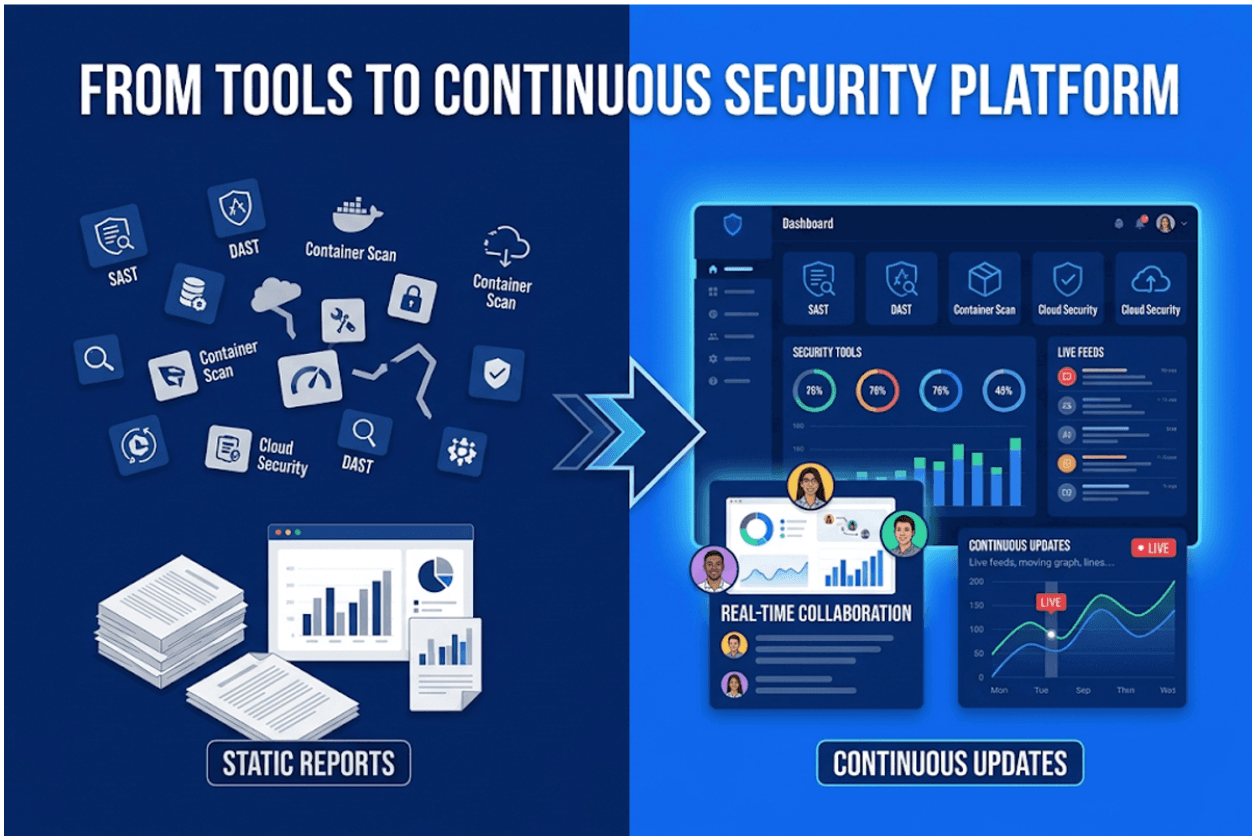
The best penetration testing tool is not the one with the most features. It is the one that helps your team move faster and stay secure every day. In 2026, the shift is clear: from tools to platforms, from reports to real-time visibility, and from testing to continuous assurance.
If you are still relying on static outputs, you are operating on an outdated model. Security today is not about testing once. It is about knowing your risk at all times.
FAQ
1. What are penetration testing tools?
Penetration testing tools are platforms or software used to identify security vulnerabilities in applications, networks, and systems before attackers exploit them.
2. Which is the best penetration testing tool in 2026?
The best tool depends on your needs, but platforms like Capture The Bug stand out because they provide continuous testing, real-time visibility, and faster remediation.
3. Are automated pentesting tools enough?
No. Automated tools help with discovery, but human validation is essential to confirm real risks and avoid false positives.
4. How often should penetration testing be done?
Modern companies are moving toward continuous testing instead of annual or quarterly tests, ensuring vulnerabilities are detected and fixed in real time.
5. What is the difference between traditional pentesting and modern platforms?
Traditional pentesting delivers a static report, while modern platforms provide ongoing testing, live dashboards, and continuous collaboration between teams.