


The way most companies have historically bought security testing was borrowed from a world that no longer exists. A product would reach a milestone, a pentest would get scheduled, a report would land six weeks later, and everyone would file it away until the following year. That rhythm worked when products changed slowly. It does not work now.
The concept of continuous autonomous pentesting was built as a direct response to that mismatch. In 2026, it has moved from an emerging idea to a practical, accessible model for SaaS companies across every stage, and understanding what it actually means in practice is one of the more useful things a founder or CTO can spend thirty minutes on right now.
What continuous autonomous pentesting actually means

Breaking the phrase into its two parts is the cleanest way to understand it. Continuous means testing that does not stop between engagements, that keeps running and reporting as the product changes rather than waiting for a scheduled window to open. Autonomous means testing that does not require a manual trigger or a fresh scoping call every time a new endpoint appears or a new feature ships.
Together, those two properties mean the testing layer of a product keeps pace with the development layer, which in 2026 is the central shift. A team that ships weekly no longer has to wait until the next annual engagement to find out whether last week's feature introduced a gap. The gap gets surfaced while the context is still fresh, while the person who built the feature is still the one working on it.
This is not a replacement for human-led testing. The most effective implementations in 2026 combine the reach and consistency of a continuous testing layer with human testers who validate findings, confirm exploitability, and catch the logic flaws that require context a platform alone cannot fully replicate. The human layer is what separates a list of potential issues from a confirmed, prioritized, actionable finding.
What it actually catches that a traditional pentest misses
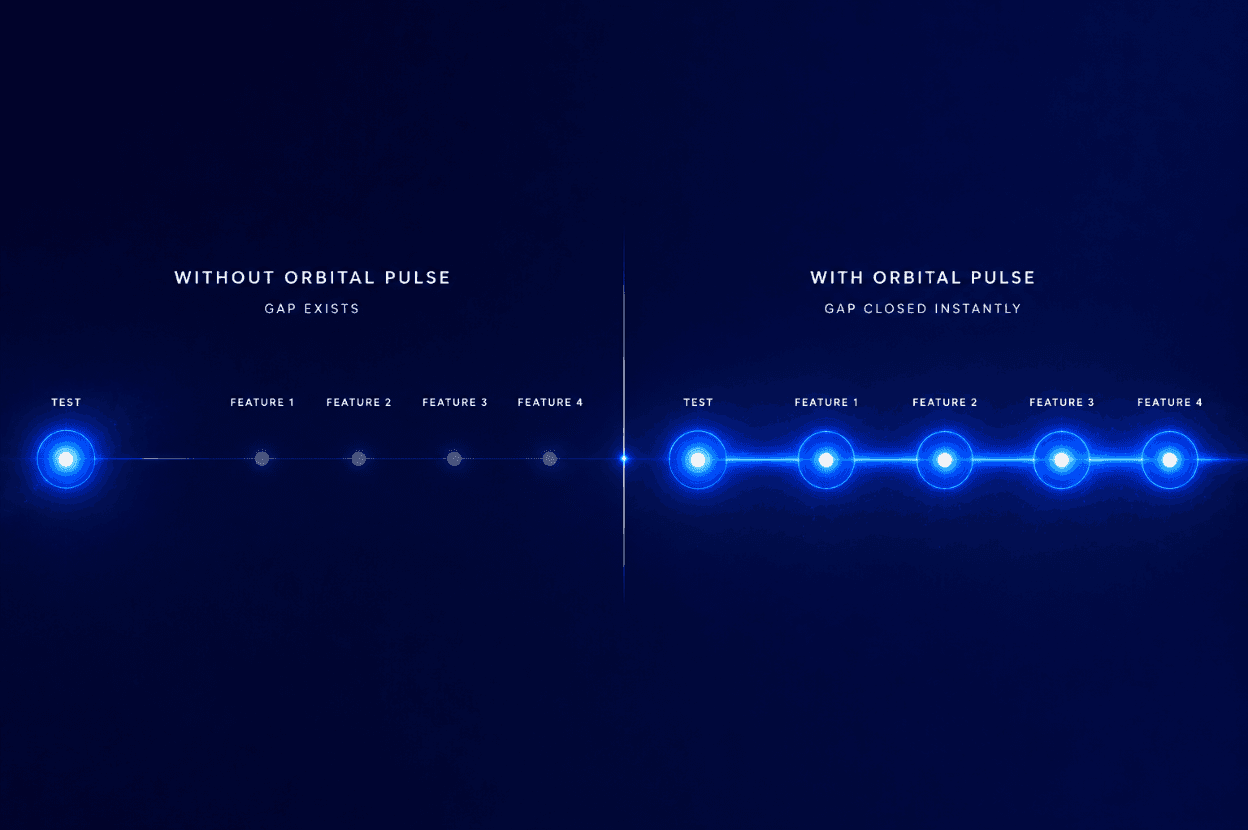
The clearest way to explain the practical advantage of continuous autonomous pentesting is to think about when vulnerabilities actually enter a codebase. They do not wait for the month before an annual test. They arrive when a new feature ships, when a dependency gets updated, when an integration partner changes an API, or when a role or permission gets quietly adjusted in a part of the system nobody is watching closely.
A traditional pentest captures the product on one specific day. Every change after that date is, from a testing perspective, unverified until the next engagement. In a product that ships continuously, that means most of the year is spent operating on outdated evidence. Continuous autonomous pentesting closes that window by keeping the testing surface aligned with the actual product rather than with a snapshot of it.
This applies with particular force to APIs, which tend to change the fastest and carry the most sensitive data in most modern SaaS products. A new endpoint is live within hours of being shipped. A continuous testing layer catches it within the same window. An annual test might not encounter it for another ten months.
Your Last Pentest Is Already Out of Date
Every week you ship without continuous testing is a week a vulnerability goes unseen. See what Capture The Bug finds in your first engagement.
Book a demo
If the current testing setup is built around an annual window and a product that ships every week, the gap between those two timelines is worth examining directly. Book a demo with Capture The Bug and see how continuous autonomous pentesting applies to a specific product, scope, and team.
How it fits into compliance in 2026
The compliance landscape in 2026 has also moved in a direction that continuous autonomous pentesting fits more naturally than the annual model does. Frameworks including SOC 2, ISO 27001, and Australia's Essential 8 all expect ongoing vulnerability management rather than a single point-in-time check. Auditors who once accepted a dated report as adequate evidence are increasingly asking what happened to the product after the report was written.
A continuous testing program generates a running record by design. Every finding is dated, every retest is logged, and the gap between identifying an issue and verifying the fix is measured in days rather than the months a traditional engagement would require. That record satisfies an auditor asking for evidence of active management far more convincingly than a twelve-month-old document.
This is also where penetration testing cost sits differently than it once did. A single annual engagement, priced as one large block of work, front-loads all the value into a narrow window and then depreciates steadily for the rest of the year. A continuous penetration testing service spreads that value across the full year instead, which for most growing SaaS companies is a better distribution of the same overall budget.
What to look for in a continuous autonomous pentesting provider in 2026
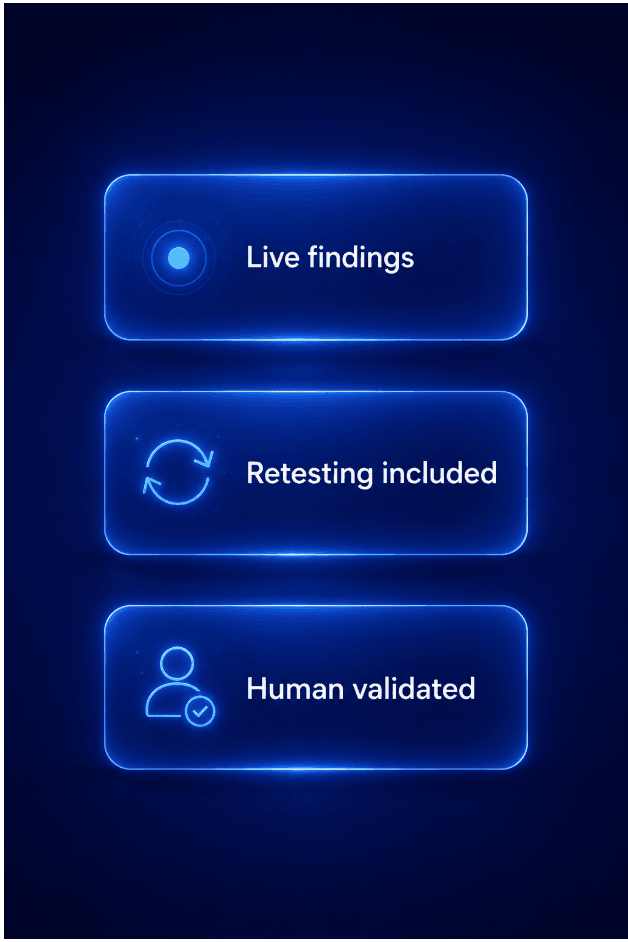
Not every provider using this language in 2026 is offering the same thing. A few specific questions help sort a genuine continuous program from an annual report repackaged with a new name.
The first is whether findings arrive continuously or only at a reporting milestone. A true continuous program surfaces confirmed issues as they are found, not in batches at the end of a fixed period. The second is whether retesting is built into the engagement or billed separately, since an issue that gets fixed but never retested is not actually closed. The third is whether CREST-certified human testers are involved in validating findings, or whether the findings are platform-generated output without human confirmation.
Capture The Bug's penetration testing service is built around all three of those properties, CREST-certified testers working through a continuous platform, with retesting included and findings delivered as they are confirmed rather than held until a final document.
What this means for your roadmap
Continuous autonomous pentesting in 2026 is not the future of security testing. It is the present, and the gap between companies using it and companies still running annual snapshots is measurable in months of unverified exposure. For a SaaS company shipping weekly, that gap is worth closing regardless of stage, since the risk introduced by a single unreviewed release does not wait for the calendar to align with a scheduled test. A scoped, continuous penetration testing service closes that gap by keeping the testing layer aligned with the product as it actually exists today rather than as it looked during one window in the past.
Plan Your Annual Pentesting Strategy the Right Way
Learn how modern SaaS companies structure pentesting across the year to reduce risk, stay compliant, and avoid last-minute panic before audits.
FAQ
What is continuous autonomous pentesting?
It is a model of security testing that runs on an ongoing basis without requiring a manual trigger or a new scoping process each time the product changes. The testing layer keeps pace with the development layer, surfacing new findings as they arise rather than waiting for a fixed annual window.
How is it different from a traditional pentest?
A traditional pentest checks a product on one specific date and produces a report of what was found on that day. Continuous autonomous pentesting keeps testing as the product evolves, so new features, endpoints, and integrations are tested close to when they ship rather than months later.
Is it suitable for early-stage startups or only larger companies?
It is well suited to any company that ships regularly, which includes most early-stage SaaS products. Penetration testing for startups built around a continuous model tends to match the pace of development far better than an annual engagement, and it often costs less over a full year once retesting and compliance evidence are factored in.
Does it replace the need for CREST-certified human testers?
No. The most reliable implementations combine a continuous platform layer with human-led validation to confirm findings are genuinely exploitable and to catch logic flaws that require human context. A platform alone produces leads. A CREST-certified tester turns them into confirmed, prioritized findings.
How does it affect penetration testing cost in Australia and New Zealand?
It typically distributes the same overall investment more evenly across the year instead of concentrating it into one expensive window. For most companies, this means more consistent coverage at a similar or lower total cost compared to a single large annual engagement.