Questions to Ask Your Pentester to Understand Your Findings
Understand the "why" behind every vulnerability and turn your pentest results into real risk reduction.
Introduction: The Report Is Only the Beginning
Every good penetration test ends with a list of vulnerabilities. But the best tests don't stop there - they start a conversation.
For security and engineering leaders, the value of a pentest lies not in the number of issues found, but in how well those findings are understood, prioritized, and acted on.
That's where most organizations get stuck. A report arrives, technical terms blur together, and teams scramble to fix everything fast. Yet without context - which issues actually matter to your business - remediation becomes guesswork.
At Capture The Bug, our goal is to help clients move beyond the checklist. The right questions turn findings into insight and insight into action.
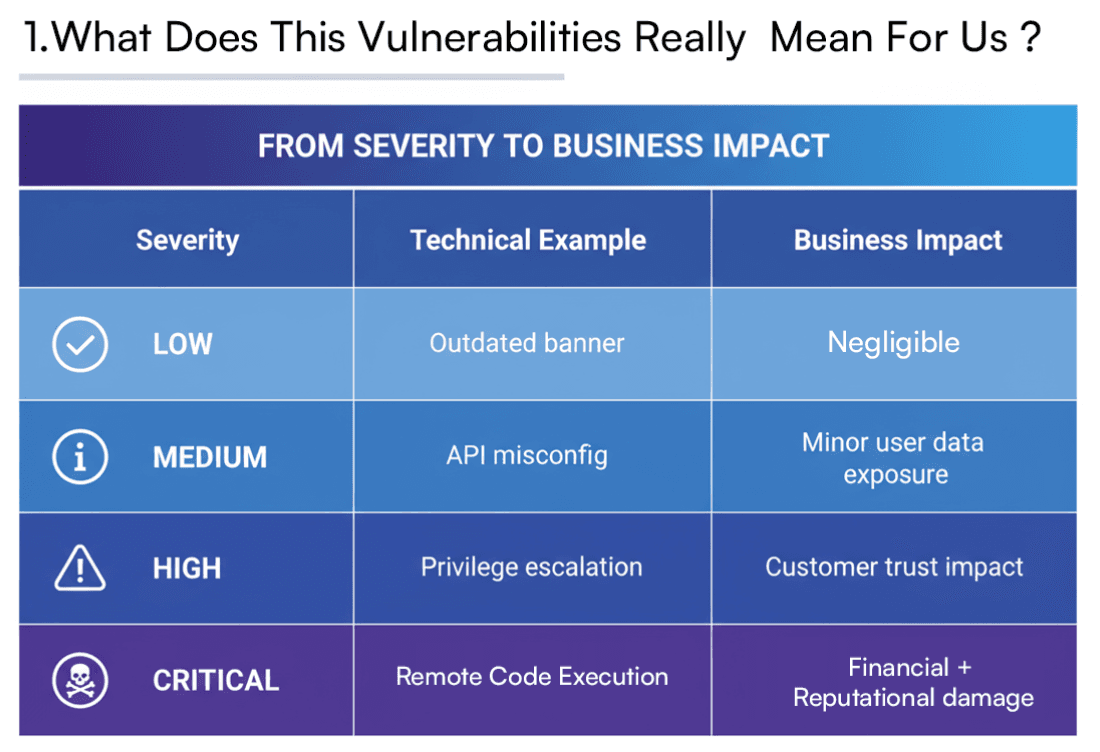
1. What Does This Vulnerability Really Mean for Us?
A CVSS score or severity tag tells part of the story, but not the impact in your unique environment.
Ask your pentester:
- How would this vulnerability play out in our infrastructure?
- Does it expose customer data or just a low-risk endpoint?
- Could it be chained with another weakness for a larger breach?
Understanding the context converts abstract numbers into real business implications.
For example, a "medium" flaw in a public login API may be more dangerous than a "high" internal one if it leads to unauthorized access to production systems.
2. Which Findings Matter Most Right Now?
Not every issue deserves equal urgency.
The smartest organizations fix by impact and exploitability, not by alphabetical order.
Ask:
- If attackers targeted us tomorrow, which issue would they hit first?
- Which findings could affect revenue, uptime, or compliance?
- What can safely wait until the next sprint?
A good pentest partner will help you define a risk-based remediation plan - balancing critical fixes with realistic timelines and helping your engineers focus where it counts.
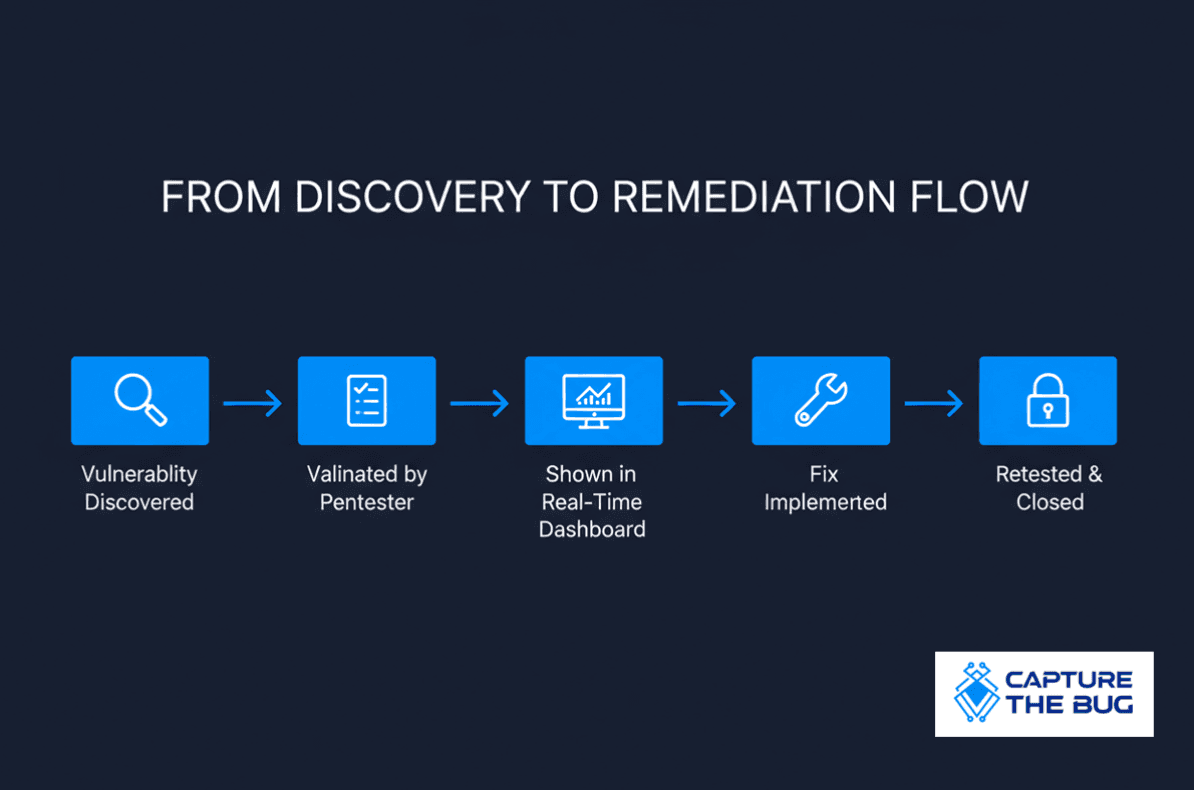
3. How Was This Vulnerability Discovered?
Behind every finding is a story: what was tested, what was exploited, and what evidence supports it.
This transparency separates credible reports from noisy ones.
Ask your pentester:
- What exact method or scenario revealed the issue?
- Was it discovered through manual testing or assisted techniques?
- What proof demonstrates real exploitability?
A credible pentester should show evidence - screenshots, payloads, or traces - that make sense to both technical and non-technical readers.
That clarity builds confidence and accelerates fixes.
4. Could This Indicate a Deeper Problem?
One vulnerability rarely exists in isolation.
Often, it's a symptom of a broader weakness such as missing input validation, poor access control, or outdated libraries.
Ask:
- Do these findings point to a recurring pattern?
- Are there gaps in process, training, or configuration that caused them?
- How can we prevent this category of issue from reappearing?
The goal isn't just patching code - it's improving systems.
A strong pentest engagement connects findings back to root causes so teams can fix once and strengthen everywhere.
5. Can You Map These Findings to Business Risk?
Executives care about business exposure, not just technical flaws.
Ask your pentester to translate:
- Which findings could lead to financial loss or reputational harm?
- Are any issues tied to regulatory requirements such as ISO 27001, SOC 2, PCI-DSS, or GDPR?
- How would you communicate these risks to our board or investors?
When vulnerabilities are explained through a business lens, stakeholders can make faster, more informed decisions - turning security from a cost center into a growth enabler.
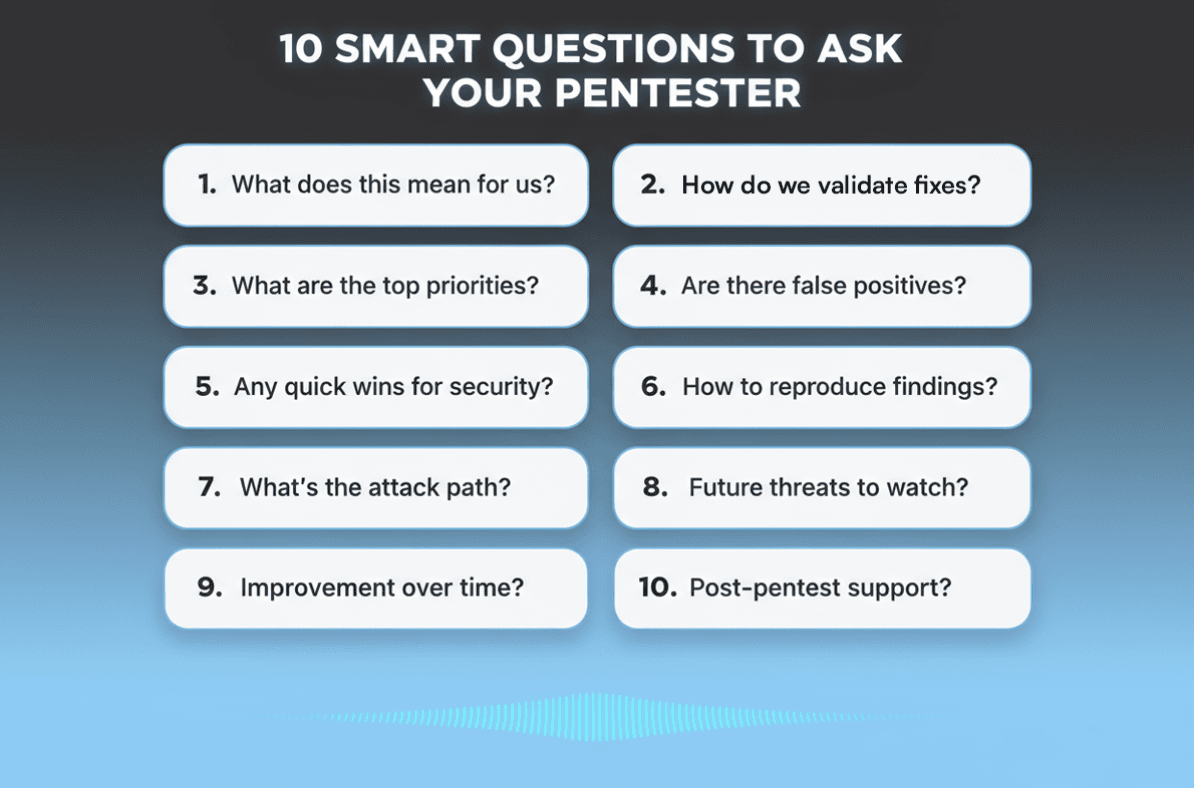
6. How Should We Communicate Findings Internally?
A pentest report can overwhelm developers and alarm leadership if shared without context.
Ask:
- How can we present findings clearly to technical and nontechnical audiences?
- Which metrics should we track to measure progress?
- Can you join a readout session with our engineers or leadership team?
At Capture The Bug, we encourage collaborative debriefs where testers, developers, and decision makers review results together.
This alignment ensures findings are understood, owned, and acted upon.
7. What's the Recommended Fix and How Do We Validate It?
Knowing what's wrong is half the battle. The other half is confirming it's fixed.
Ask:
- What's the best remediation path for this issue in our tech stack?
- Can you validate our patch once deployed?
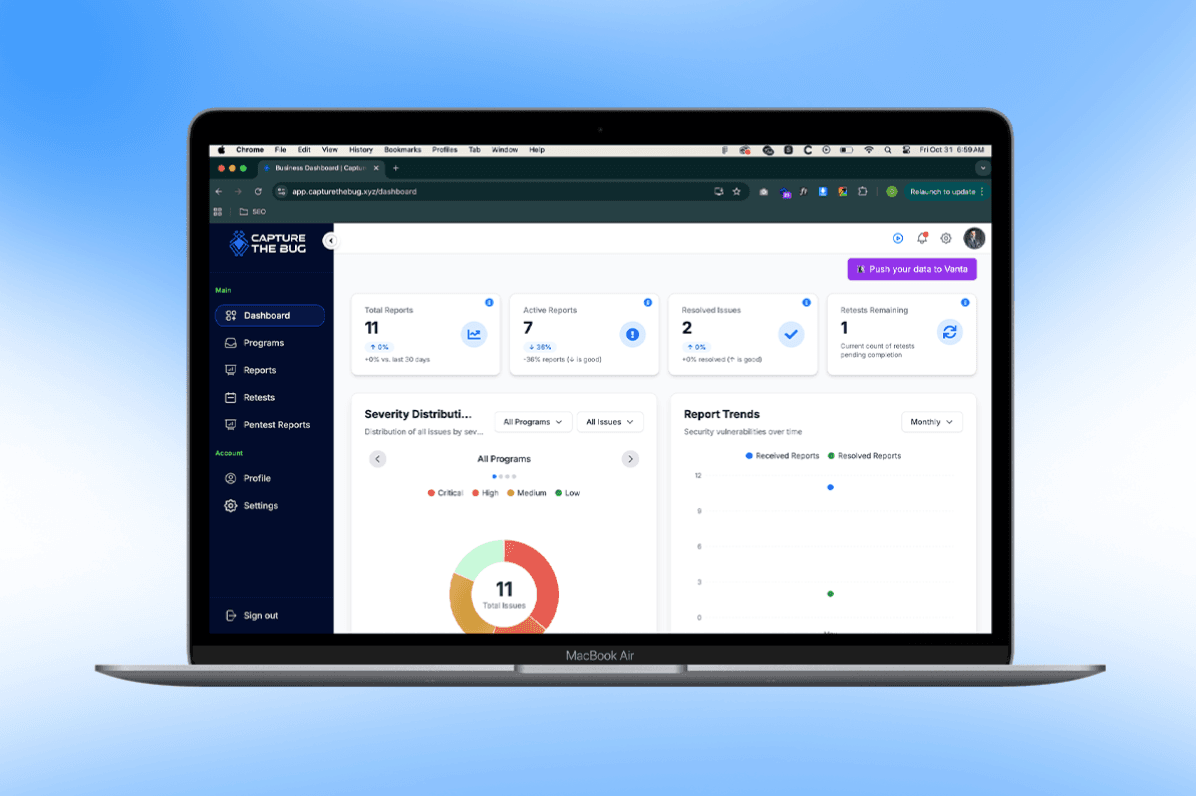
- How will that verification appear in our dashboard or compliance report?
Real-time validation is one of the most powerful advantages of Penetration Testing as a Service (PTaaS).
Instead of waiting for a new engagement, fixes can be retested instantly, giving your team confidence that every issue truly stays closed.
8. Are Any of These Vulnerabilities Exploited in the Wild?
Threat landscapes evolve daily.
Ask your pentester if any reported issues correspond to active exploits or known breaches across the industry.
Understanding whether a vulnerability is actively targeted helps prioritize patching and align defenses with real-world threats.
9. What Does "Good" Look Like After This Test?
A pentest should measure progress, not just problems.
Ask:
- Based on our results, how does our security posture compare to peers?
- Which improvements would make our next test significantly cleaner?
- How often should we test to maintain resilience?
Continuous testing turns these answers into measurable improvement, reducing vulnerabilities over time and proving security maturity to clients, partners, and auditors.
10. How Can We Make Future Pentests More Effective?
Finally, treat each engagement as a feedback loop.
Ask:
- What did you learn about our environment that could streamline next time?
- Were there any access, scoping, or communication gaps to improve?
- Should we expand testing to APIs, cloud, or third-party integrations?
Security isn't static - neither should your testing be.
By refining scope and collaboration each cycle, your pentests evolve alongside your systems.
Turning Reports into Roadmaps
Asking the right questions turns a pentest from a compliance task into a strategic advantage.
It helps leadership understand where to act, developers know what to fix, and the organization as a whole see how it's improving.
At Capture The Bug, we believe the most valuable part of any pentest isn't the PDF - it's the dialogue that follows.
Every conversation brings clarity, accountability, and measurable progress toward a more secure future.
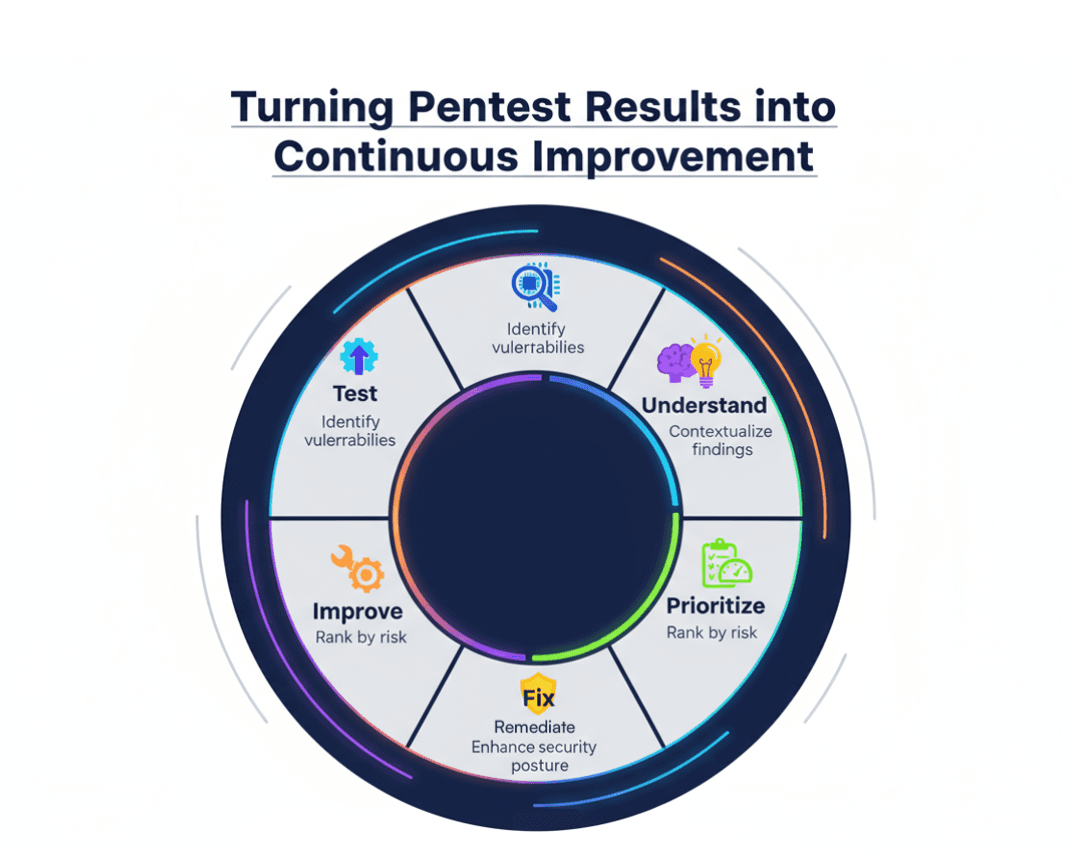
Ready to Get More from Your Pentests?
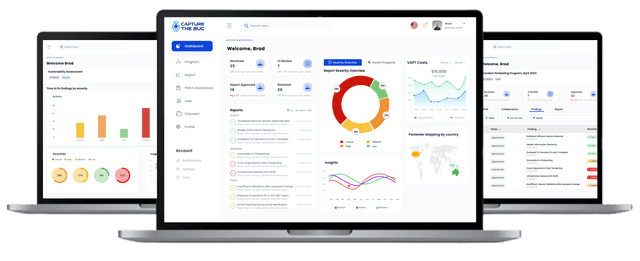
Experience how Capture The Bug's CREST-certified PTaaS platform turns findings into action with real-time dashboards, collaborative debriefs, and on-demand retesting.
FAQ
1. Why should I question my pentester about findings?
Because understanding context, impact, and priority ensures fixes address real business risk - not just checklist items.
2. How do I translate technical vulnerabilities into business language?
Ask your pentester to explain each issue's potential effect on revenue, reputation, or compliance obligations.
3. What's the benefit of PTaaS over traditional reports?
PTaaS provides real-time visibility, direct collaboration, and on-demand retesting - making it easier to act on findings immediately.
4. How often should companies run pentests?
Modern SaaS and enterprise teams test continuously, aligning with every major release or quarterly security cycle.
5. What makes Capture The Bug's approach different?
As a CREST-certified PTaaS provider, Capture The Bug combines expert testers with live dashboards, helping organizations interpret findings, validate fixes, and stay audit-ready every day.