Why Penetration Testing Is Important
Introduction: Security Is No Longer a Technical Side Issue
For most growing companies, security used to be something you handled after launch, during audits, or when a customer asked tough questions. That era is over.
Today, businesses operate online by default. Customer data, payments, intellectual property, and daily operations all depend on digital systems working safely. When those systems fail, the impact is immediate and public.
Penetration testing exists for one simple reason: to find real weaknesses before someone else does.
At Capture The Bug, penetration testing is viewed not as a compliance checkbox, but as a business safeguard. It helps leadership teams understand where they are exposed, what could realistically go wrong, and how to fix issues before they turn into incidents.
This article explains why penetration testing matters, how it protects organizations in practical terms, and how to approach it the right way.
What Penetration Testing Actually Means
Penetration testing is the process of deliberately testing systems, applications, and networks the way a real attacker would.
The goal is not to generate long technical lists. The goal is to answer one critical question:
“If someone tried to break in today, could they succeed, and how?”
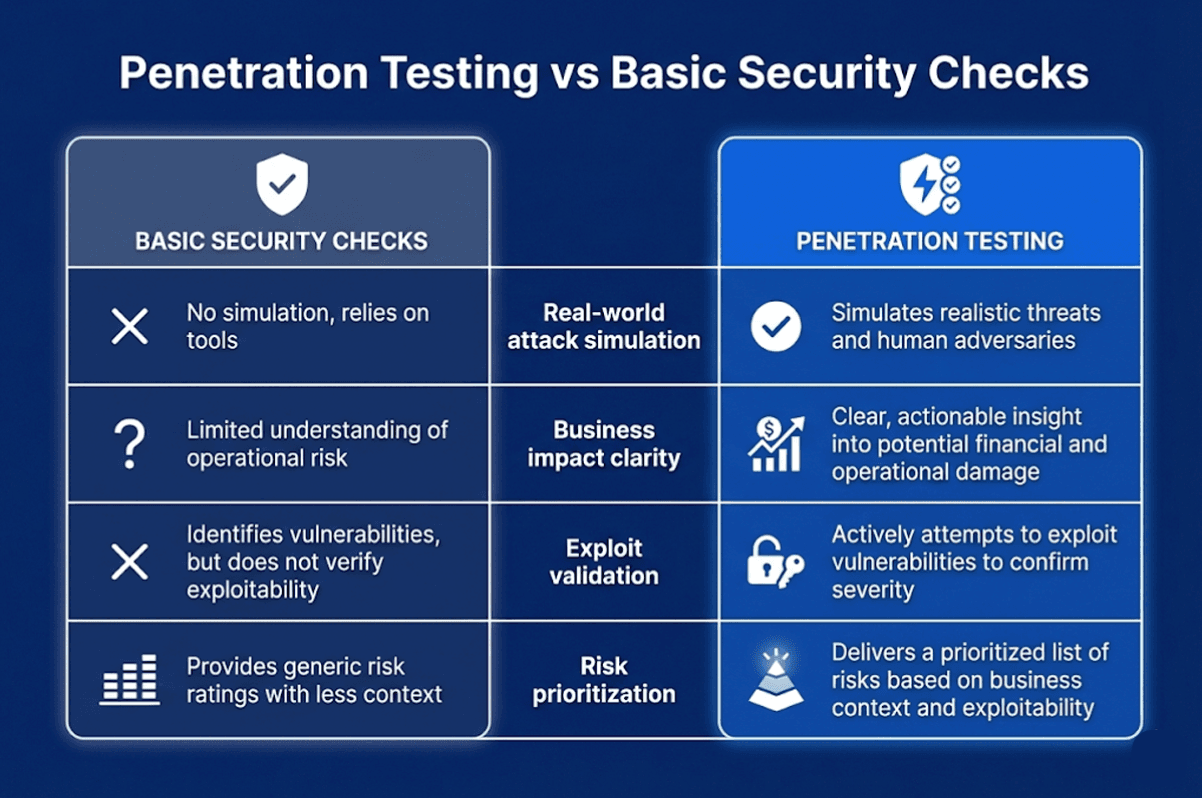
Unlike surface-level checks, penetration testing focuses on exploitability. It looks at how individual weaknesses can be combined, escalated, and abused in real-world conditions.
Most importantly, it shows what matters now, not what might matter someday.
Why Penetration Testing Is Necessary in Modern Businesses
Threats Move Faster Than Internal Assumptions
Most breaches do not happen because teams do nothing. They happen because teams assume something is safe when it is not.
Systems change weekly. New features, integrations, partners, and configurations quietly introduce risk. Penetration testing keeps pace with those changes by validating security in practice, not theory.
Visibility Beats Assumptions
Internal teams often know how systems are supposed to work. Attackers only care about how they actually work.
Penetration testing closes that gap by providing an external view. It reveals blind spots that internal teams may never question.
Prevention Is Cheaper Than Recovery
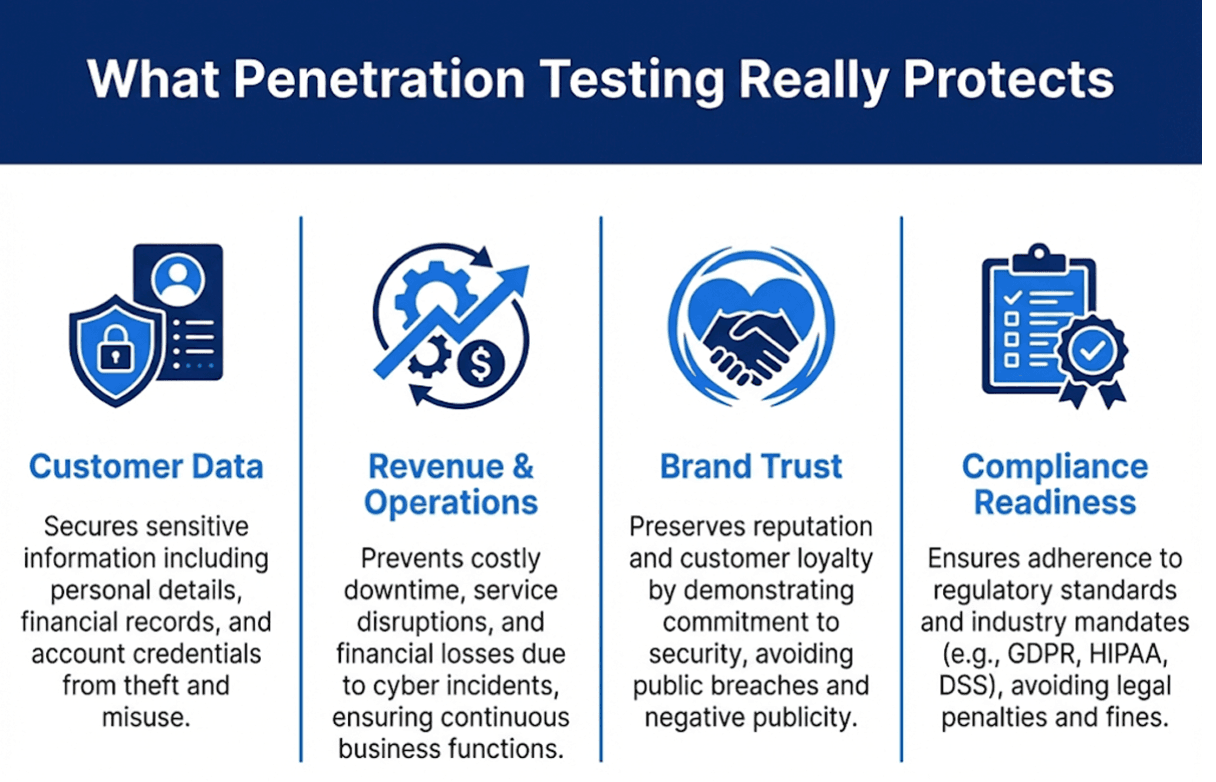
The cost of fixing a weakness during testing is predictable. The cost of fixing it after a breach includes downtime, lost customers, legal exposure, and long-term brand damage.
Penetration testing shifts security from reactive damage control to proactive risk reduction.
Three Business Reasons Penetration Testing Matters
1. Protecting Core Infrastructure
Every organization relies on infrastructure that must remain trustworthy. This includes customer-facing applications, internal systems, and third-party connections.
Penetration testing identifies weak access controls, misconfigurations, and logic flaws that could allow unauthorized access or disruption.
When infrastructure is compromised, recovery is slow and public. Testing reduces that risk before it becomes operational downtime.
2. Preserving Customer Trust and Brand Reputation
Trust is fragile. One security incident can undo years of brand-building.
Customers expect their data to be handled responsibly. Partners expect operational maturity. Regulators expect due care.
Penetration testing demonstrates that security is taken seriously, not assumed. It provides evidence that risks are actively identified and addressed, not ignored.
3. Improving Security Awareness Internally
Security is not just a technology problem. It is a decision-making problem.
Penetration testing highlights patterns: repeated mistakes, risky practices, and overlooked assumptions. These insights help leadership teams make better long-term decisions about processes, training, and priorities.
Over time, testing raises the overall security maturity of the organization.
The Real Cost of a Data Breach
A breach is never just a technical issue.
There are direct costs such as investigation, response, customer notification, and remediation. There are also indirect costs that last much longer: lost deals, higher insurance premiums, regulatory scrutiny, and reputational harm.
Industry studies consistently show that breach costs continue to rise year over year. More importantly, recovery often takes months or years, not weeks.
Penetration testing reduces the likelihood of these scenarios by addressing weaknesses before they are exploited.
How Often Should Penetration Testing Be Done?
There is no single answer that fits every organization.
Frequency depends on risk, data sensitivity, and rate of change. A company handling payments or personal data faces higher exposure than a static informational site.
The key principle is consistency. Testing should align with meaningful changes, not calendar dates. If systems evolve, security validation should evolve with them.
Capture The Bug works with organizations to define testing cycles based on real-world risk, not arbitrary schedules.
Penetration Testing and Regulatory Expectations
Many regulations require organizations to demonstrate reasonable security practices. Penetration testing plays a critical role in meeting these expectations.
It provides documented evidence of risk assessment, testing, and remediation. More importantly, it shows intent and accountability, which regulators and auditors increasingly value.
Testing also helps organizations avoid last-minute scrambles before audits by maintaining a clearer, ongoing understanding of security posture.
Penetration Testing vs Vulnerability Assessment
These two terms are often confused, but they serve different purposes.
A vulnerability assessment identifies potential weaknesses. It answers the question, “What could be wrong?”
Penetration testing answers a deeper question: “What can actually be exploited, and how far could an attacker go?”
Both have value, but penetration testing provides context, prioritization, and realism. It focuses attention where it truly matters.
Common Areas Where Penetration Testing Is Applied
Penetration testing is not limited to one type of system. It commonly covers:
- Web applications and APIs
- Mobile applications
- Cloud-based environments
- Internal and external networks
Each area presents unique risks, and testing strategies are adapted accordingly.
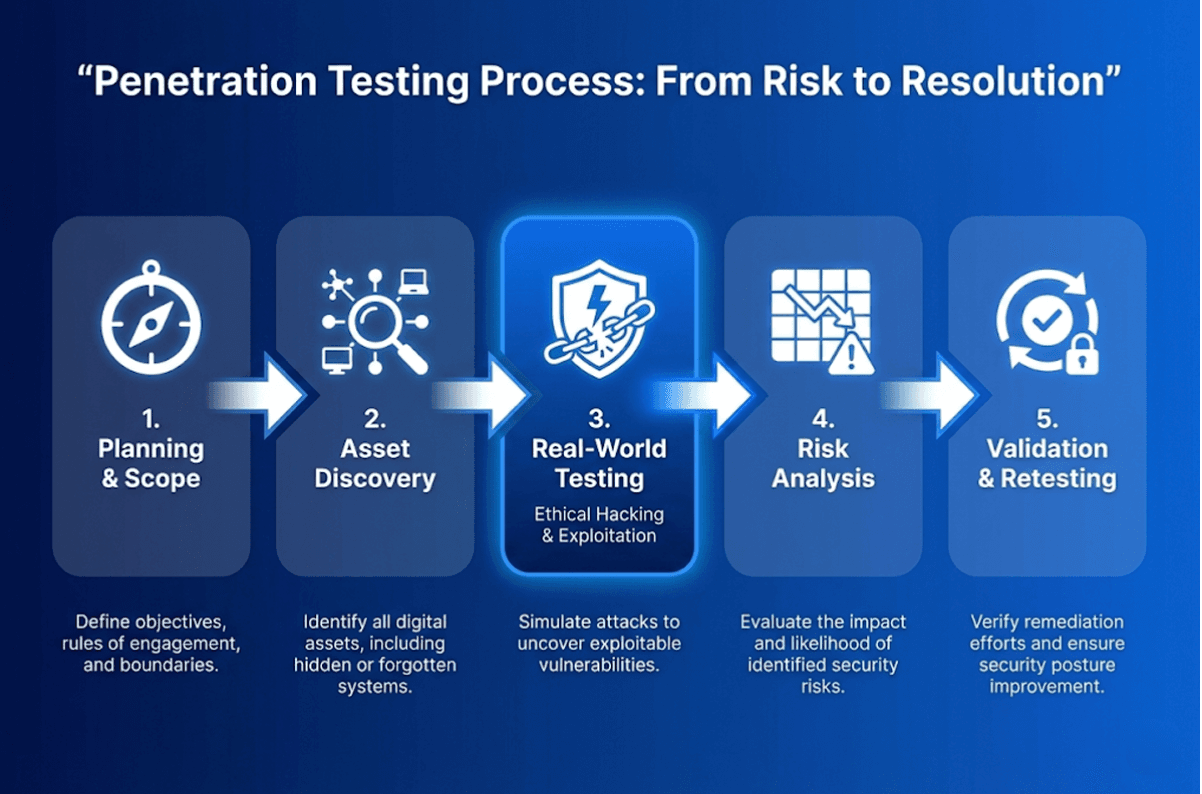
A Practical View of the Penetration Testing Process
While approaches vary, effective penetration testing generally follows a clear structure:
Planning and Scoping
Defining what matters most, what is in scope, and what success looks like.
Discovery
Understanding the exposed surface and how systems are structured.
Attack Simulation
Attempting realistic exploitation paths to assess actual risk.
Analysis and Reporting
Explaining what was found, why it matters, and how to fix it.
Validation
Confirming that fixes address the real issue, not just the symptom.
This structure keeps testing focused on outcomes, not noise.
Why Companies Choose Capture The Bug
Capture The Bug is a CREST-certified penetration testing provider serving clients across ANZ, the USA, and globally.
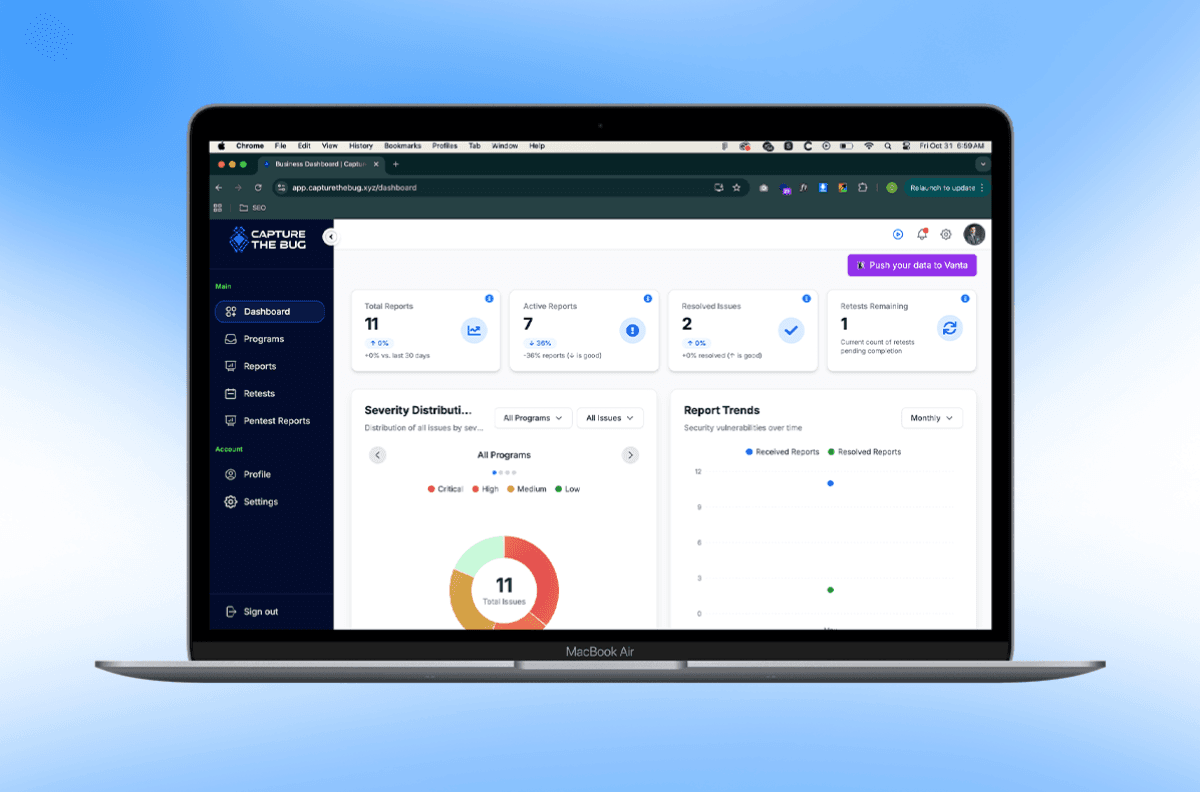
The company focuses on clarity, collaboration, and real-world relevance. Findings are explained in business terms, risks are prioritized based on impact, and remediation guidance is practical.
The objective is not to overwhelm teams, but to help them make informed security decisions with confidence.

Conclusion: Security Is a Business Responsibility
Penetration testing is important because it connects security to reality.
It shows where systems fail under pressure. It exposes assumptions before attackers do. It protects revenue, trust, and long-term growth.
Organizations that treat penetration testing as a routine part of doing business are not just more secure. They are more resilient, more credible, and better prepared for the future.
FAQ
What is penetration testing?
Penetration testing is a controlled process of simulating real-world attacks to identify and validate security weaknesses before they are exploited.
Why is penetration testing important for businesses?
It helps prevent breaches, protect customer trust, meet regulatory expectations, and reduce long-term financial and reputational risk.
Is penetration testing only for large enterprises?
No. Any organization handling data, payments, or online services benefits from understanding real security risk.
How is penetration testing different from basic security checks?
Penetration testing focuses on exploitability and impact, not just the presence of potential issues.
How does Capture The Bug approach penetration testing?
Capture The Bug delivers CREST-certified testing with a focus on clarity, collaboration, and actionable outcomes.