The 6 Essential Healthcare Cybersecurity Mandates Shaping 2026
Healthcare has become one of the most targeted industries in the world. Not because it is careless, but because it holds something uniquely valuable: trust. Protected health information, clinical research data, billing records, and connected medical devices form a rich attack surface.
In 2026, healthcare cybersecurity is no longer just an IT responsibility. It is a board-level conversation tied directly to patient safety, regulatory exposure, and enterprise reputation.
At Capture The Bug, working with healthcare SaaS platforms and regulated enterprises across ANZ and the United States, one pattern is clear. Organizations that treat compliance as a checklist struggle. Those who treat it as a security operating model build resilience.
Here are the six essential healthcare cybersecurity mandates and frameworks every healthcare organization should align with in 2026.
1. HIPAA: The Foundation of US Healthcare Data Protection
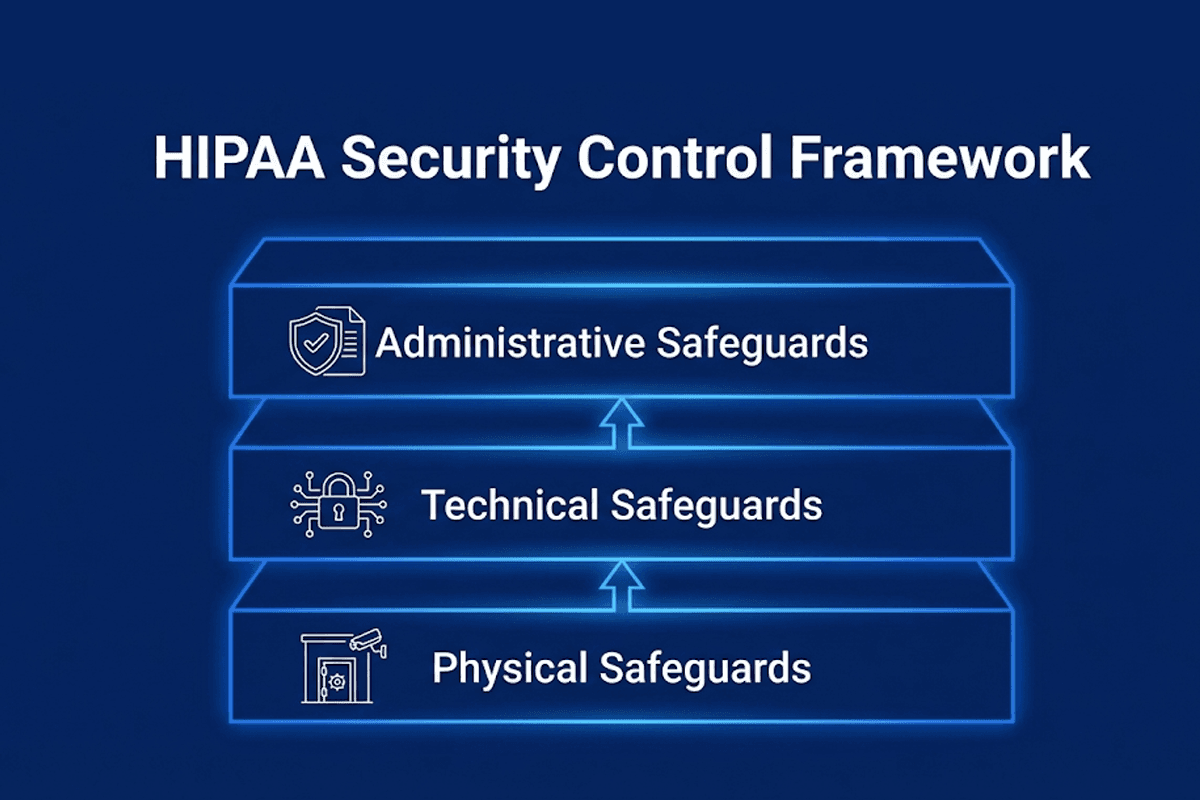
The Health Insurance Portability and Accountability Act remains the baseline legal requirement for any organization handling US protected health information.
HIPAA applies to covered entities such as healthcare providers and health plans, as well as business associates that process patient data on their behalf. That includes cloud platforms, SaaS vendors, billing companies, and security providers.
In 2026, enforcement focus continues to center on:
- Risk analysis and documented risk management programs
- Access controls and identity governance
- Encryption of electronic protected health information
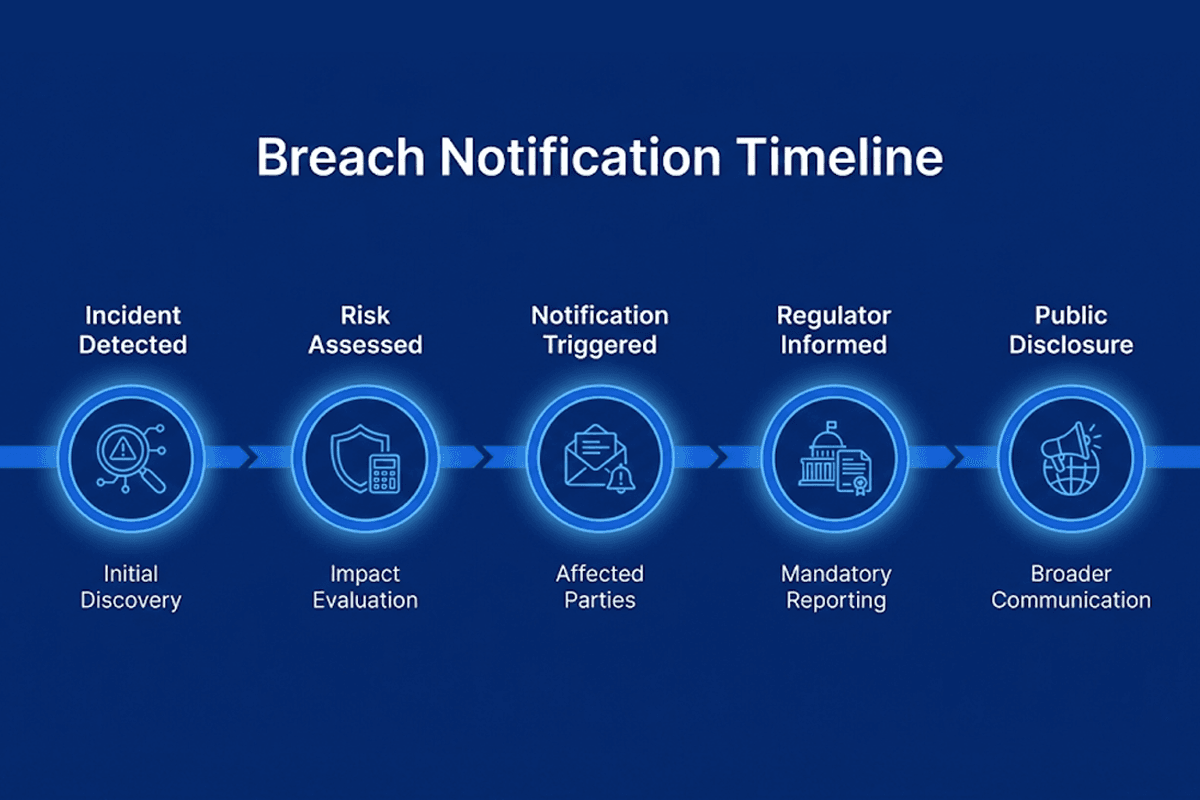
- Timely breach notification
The biggest mistake organizations make is assuming HIPAA compliance equals strong security. It does not. HIPAA defines what must be protected, but not always how to operationalize it in dynamic cloud environments. Healthcare SaaS providers should go beyond policy documentation and demonstrate continuous validation of their controls.
2. HITECH: Accountability and Breach Transparency
The Health Information Technology for Economic and Clinical Health Act strengthened HIPAA by increasing penalties and expanding accountability to business associates.
HITECH introduced direct liability for vendors handling protected health information. In other words, third-party technology providers can no longer hide behind contractual language.
In 2026, HITECH enforcement continues to emphasize clear business associate agreements, documented breach notification processes, and transparent communication. For healthtech startups scaling globally, this means security maturity must evolve alongside product growth.
3. NIST Cybersecurity Framework: The Operational Blueprint
While voluntary, NIST CSF is widely adopted across US healthcare and increasingly referenced in regulatory guidance. Its five core functions are simple but powerful: Identify, Protect, Detect, Respond, and Recover.
In healthcare environments where systems include electronic health records, connected medical devices, and cloud-based patient portals, this structured model brings clarity. Healthcare CISOs in 2026 are increasingly mapping their controls to NIST to demonstrate maturity.
4. HITRUST CSF: Certifiable Assurance for Healthcare
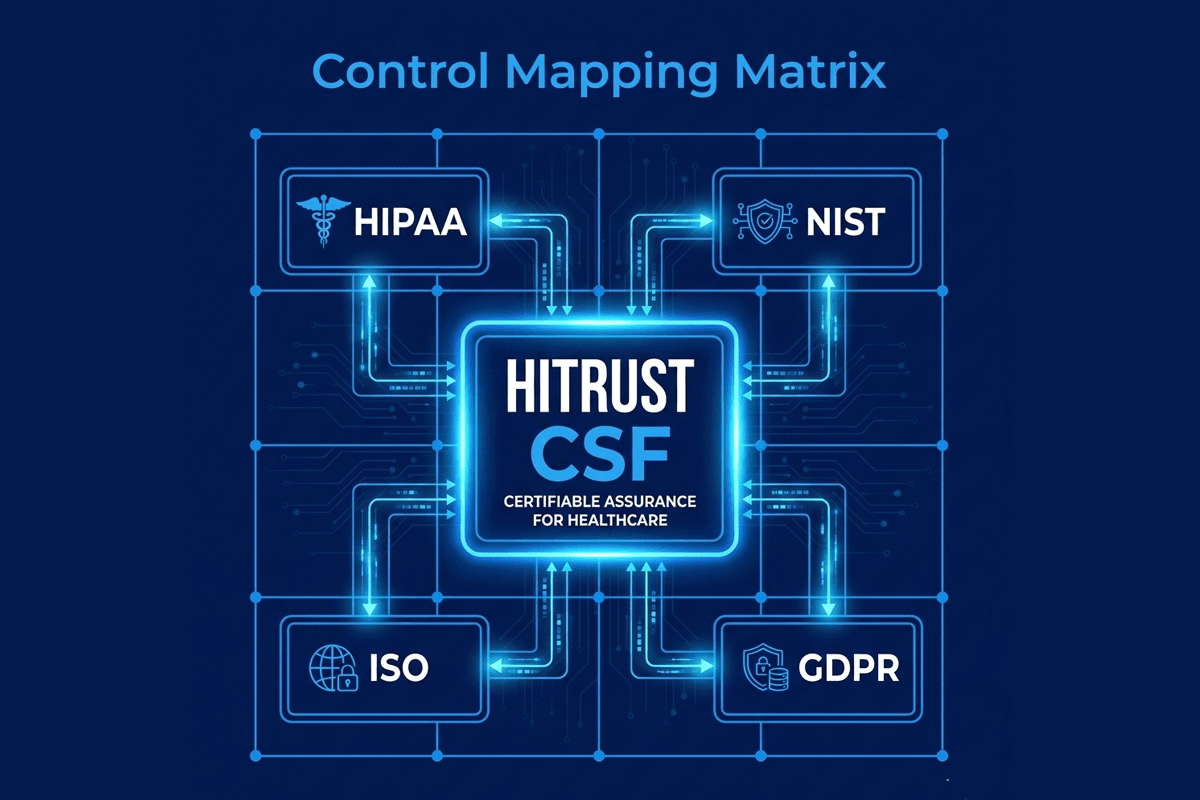
The HITRUST CSF was designed specifically for healthcare and integrates requirements from HIPAA, NIST, ISO standards, and other regulations into a single certifiable framework.
In practice, many enterprise healthcare buyers now require HITRUST certification from vendors before procurement approval. However, certification alone is not enough. The organizations that succeed treat HITRUST not as a one-time audit but as a continuous control validation program.
5. ISO 27001: Global Governance for Healthcare Technology
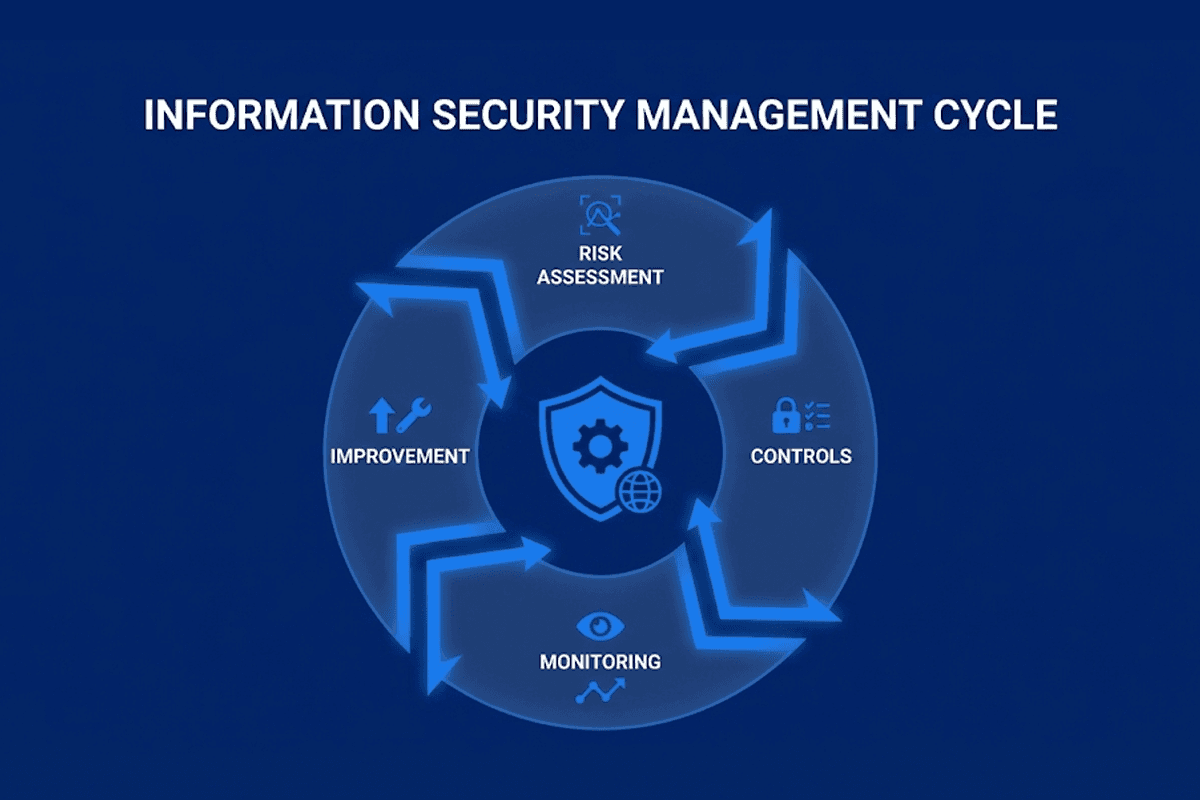
For healthcare organizations operating across ANZ, the United States, and Europe, ISO 27001 brings global alignment. Its strength lies in risk-based control selection, formalized governance, and continuous improvement cycles.
In 2026, cross-border healthcare SaaS providers often pursue ISO 27001 to demonstrate global credibility, especially when serving multinational hospitals or telehealth platforms.
6. GDPR: Patient Data as Personal Data
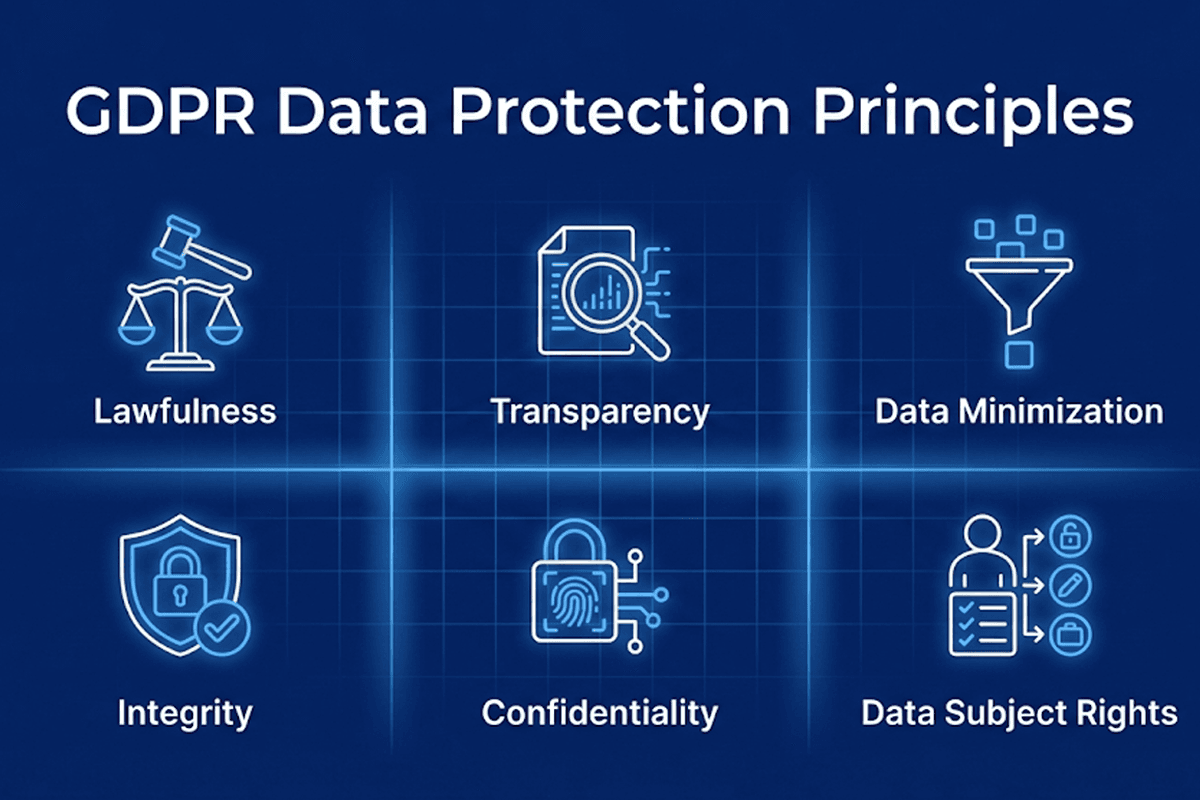
For healthcare organizations serving European patients, GDPR introduces strict privacy and breach notification obligations. Health data is classified as 'special category' personal data, demanding explicit consent, data minimization, and 72-hour breach notification windows.
In 2026, regulators are paying close attention to how organizations manage cross-border data transfers and cloud storage configurations. A misconfigured bucket is no longer just a technical error; it can become a regulatory crisis.
Choosing the Right Combination
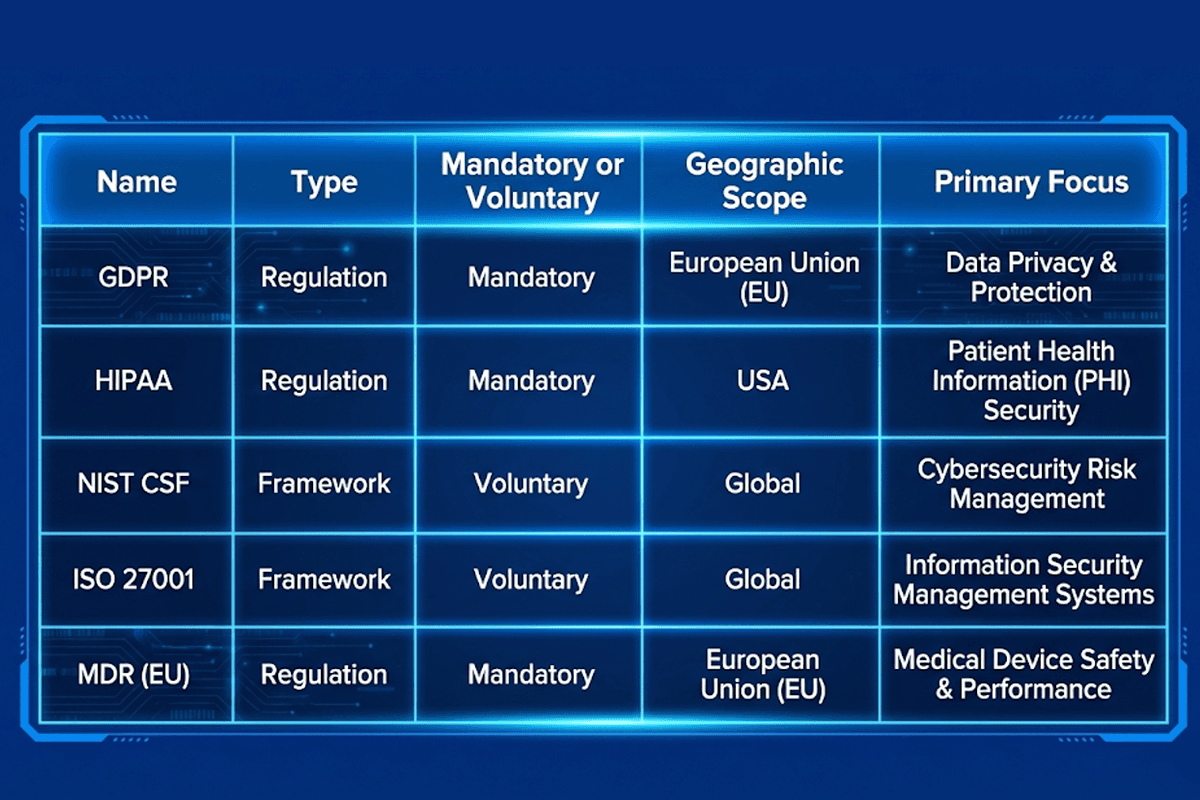
No healthcare organization can pursue every framework at once. The right combination depends on geographic footprint, type of patient data, customer expectations, and risk profile.
The key is strategic layering. Regulations define obligations. Frameworks define structure. Continuous validation proves effectiveness.
Essential Compliance Practices for 2026
Across all six mandates, the practices that consistently separate resilient healthcare organizations from vulnerable ones include:
- Continuous workforce training focused on real breach scenarios
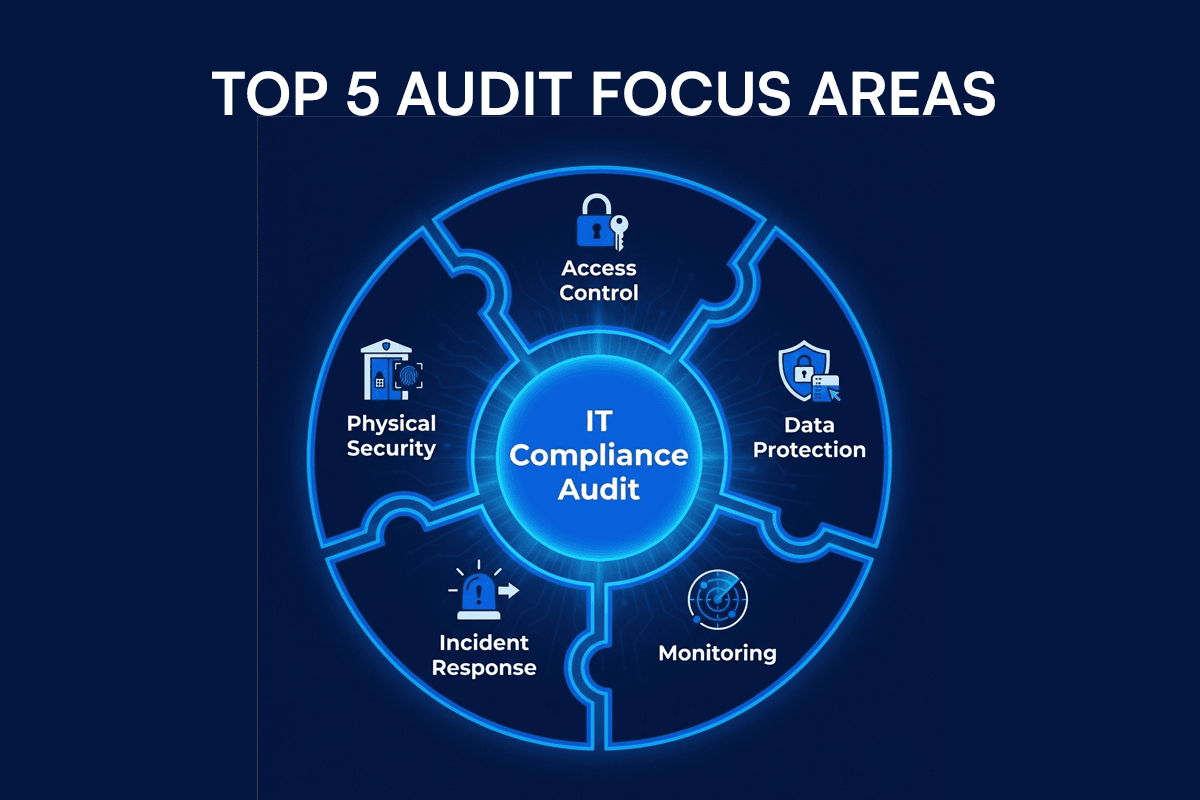
- Documented risk assessments tied to technical evidence
- Ongoing vulnerability testing of web apps, APIs, and cloud assets
- Clear incident response runbooks with executive visibility
- Third-party risk monitoring
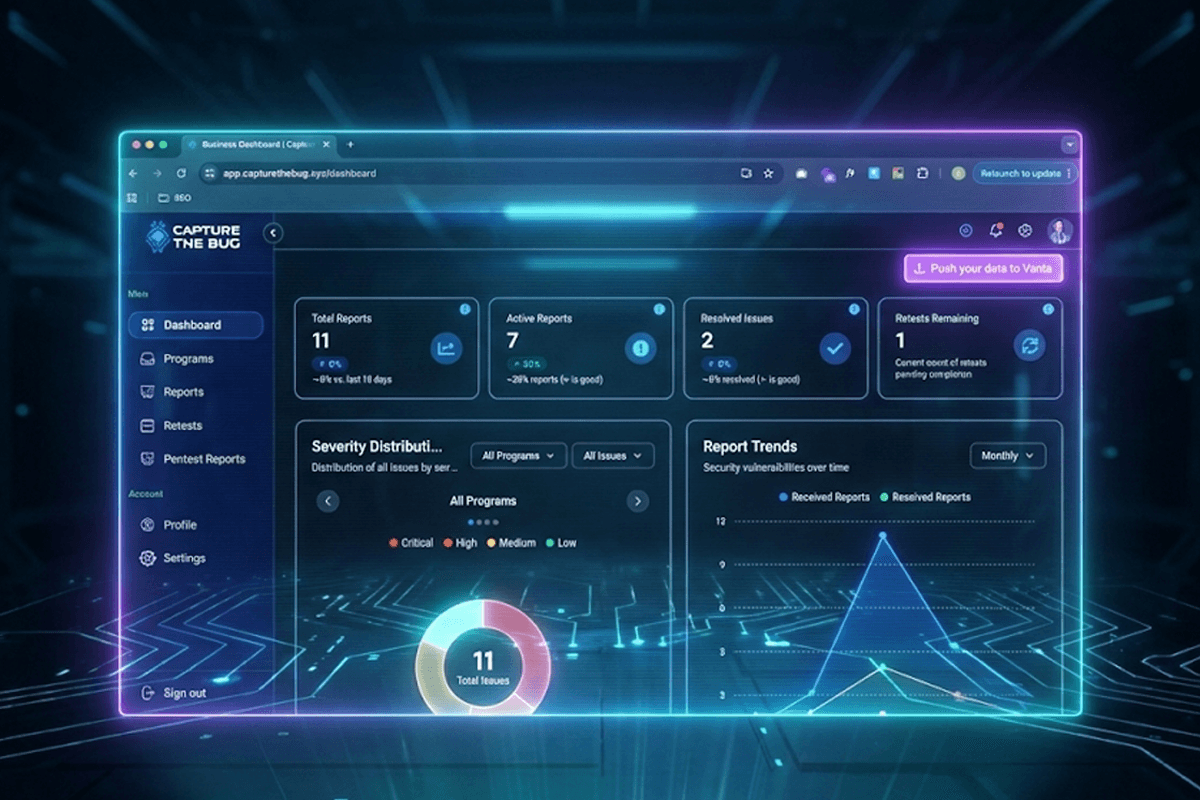
At Capture The Bug, we see healthcare clients move from reactive compliance to proactive assurance when they adopt continuous security testing instead of relying solely on annual reports.
Conclusion
Healthcare cybersecurity in 2026 is not about chasing certifications. It is about building patient trust at scale. HIPAA and HITECH define legal boundaries. NIST and ISO provide operational structure. HITRUST offers certifiable assurance. GDPR enforces global privacy discipline.
The organizations that thrive will not treat compliance as paperwork. They will treat it as a living system, continuously tested, continuously improved, and aligned with the reality that patient data is more than information. It is responsibility.
FAQ
What are the most important healthcare cybersecurity regulations in 2026?
The most critical include HIPAA, HITECH, NIST Cybersecurity Framework, HITRUST CSF, ISO 27001, and GDPR for organizations handling EU patient data.
Is HIPAA compliance enough for healthcare security?
No. HIPAA defines legal requirements, but organizations typically need structured frameworks like NIST or ISO 27001 to operationalize security effectively.
Do healthcare SaaS companies need HITRUST certification?
Not always mandatory, but many enterprise healthcare buyers require HITRUST certification as proof of mature security controls.
How does GDPR affect healthcare providers outside Europe?
If they process data of EU residents, GDPR obligations apply, including strict breach notification and data minimization requirements.
How can healthcare organizations prove ongoing compliance?
Through documented risk assessments, continuous security testing, incident response readiness, and clear audit evidence mapped to regulatory requirements.