What Is PCI Data Security Standard
Introduction
Payment data is one of the few digital assets that can shut a business down overnight if it is mishandled. One breach. One card brand investigation. One terminated merchant account. That is why the PCI Data Security Standard exists, and why it still carries real consequences more than two decades after its introduction.
For many founders, CTOs, and security leaders, PCI DSS feels intimidating. The language sounds legal. The requirements look long. The penalties feel vague but threatening. As a result, teams either overthink it or ignore it until a partner, bank, or auditor forces the issue.
Neither approach works.
This guide explains PCI DSS in plain terms, without fear tactics or buzzwords, and shows how companies should think about it today.
What Is the PCI Data Security Standard
PCI DSS stands for Payment Card Industry Data Security Standard. It is a set of security requirements designed to protect cardholder data during payment processing.
At its core, PCI DSS has two goals:
- Protect cardholder data from theft, misuse, or exposure
- Reduce fraud by setting a shared security baseline across the payment ecosystem
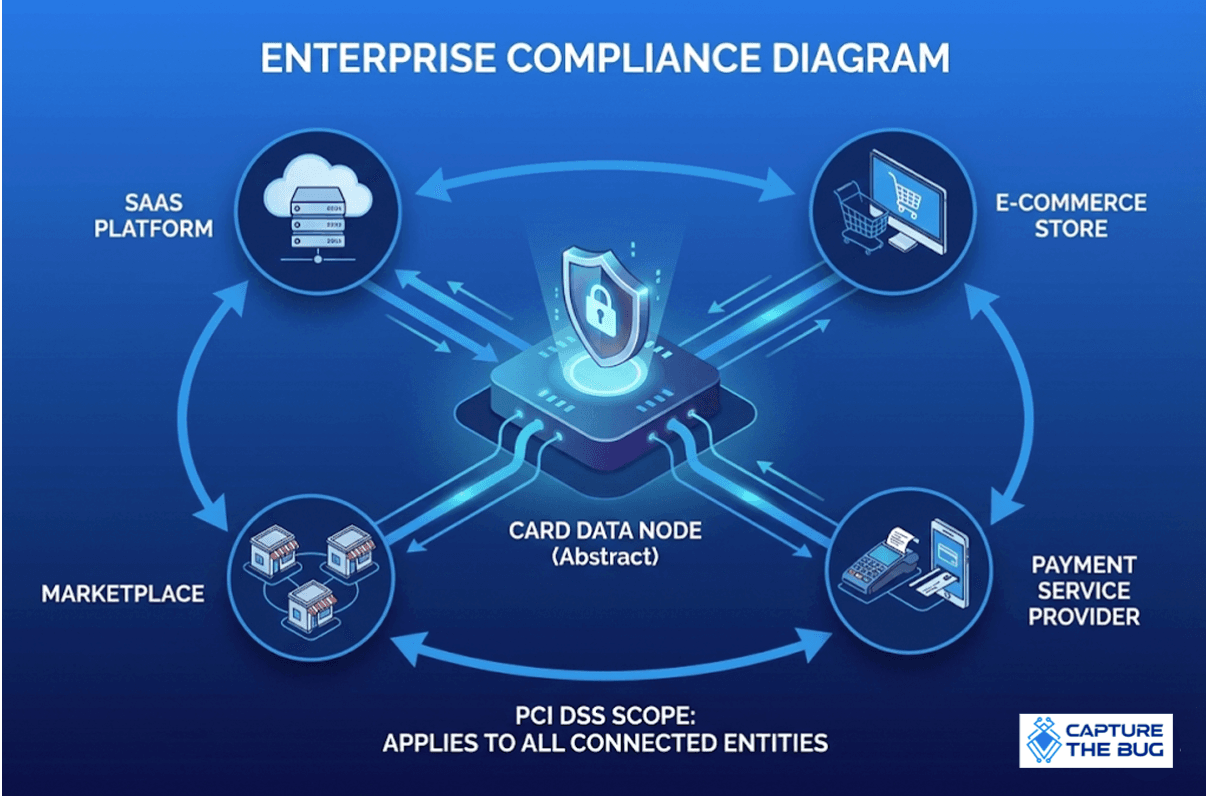
The standard applies to any organization that stores, processes, or transmits cardholder data. This includes online businesses, SaaS platforms with billing features, marketplaces, subscription companies, and service providers that touch payment data on behalf of others.
PCI DSS is governed by the Payment Card Industry Security Standards Council, which was formed by major card brands including Visa, Mastercard, American Express, Discover, and JCB. The council defines the standard, but it does not enforce it. Enforcement comes from banks and card networks.
That distinction matters. PCI DSS is not a government regulation, but it behaves like one because card networks control whether you can accept payments.
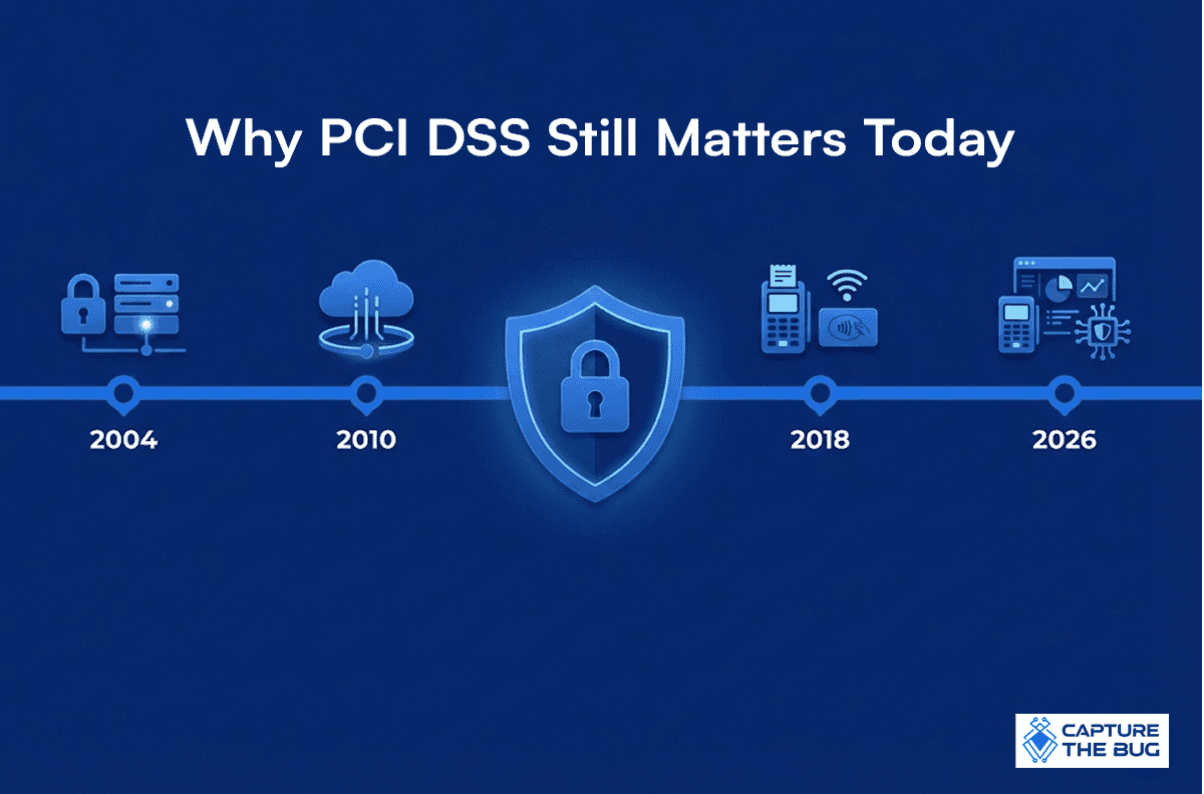
Why PCI DSS Still Matters Today
Some standards fade with time. PCI DSS has not.
Even as payment technologies evolve, the fundamentals remain the same. Card data is still valuable. Attackers still target weak controls. And financial institutions still expect a minimum level of discipline.
PCI DSS matters because it:
- Forces basic security hygiene around access, data protection, and monitoring
- Creates a common language between merchants, banks, and partners
- Acts as a risk filter for payment providers and enterprise customers
- Provides legal and financial protection after an incident
Companies that treat PCI as paperwork often miss its real value. The standard does not try to solve every security problem. It focuses on repeatable basics that prevent the most common and costly failures.
When teams ignore PCI, they usually ignore those basics too.
Who PCI DSS Applies To
PCI DSS applies to all organizations that handle cardholder data, regardless of size, geography, or industry.
This includes:
- E-commerce stores
- SaaS companies with built-in billing
- Marketplaces and platforms handling payments for others
- Service providers supporting payment systems
The misconception is that small companies are exempt. They are not. The difference lies in how compliance is validated, not whether it is required.
The Four PCI DSS Compliance Levels
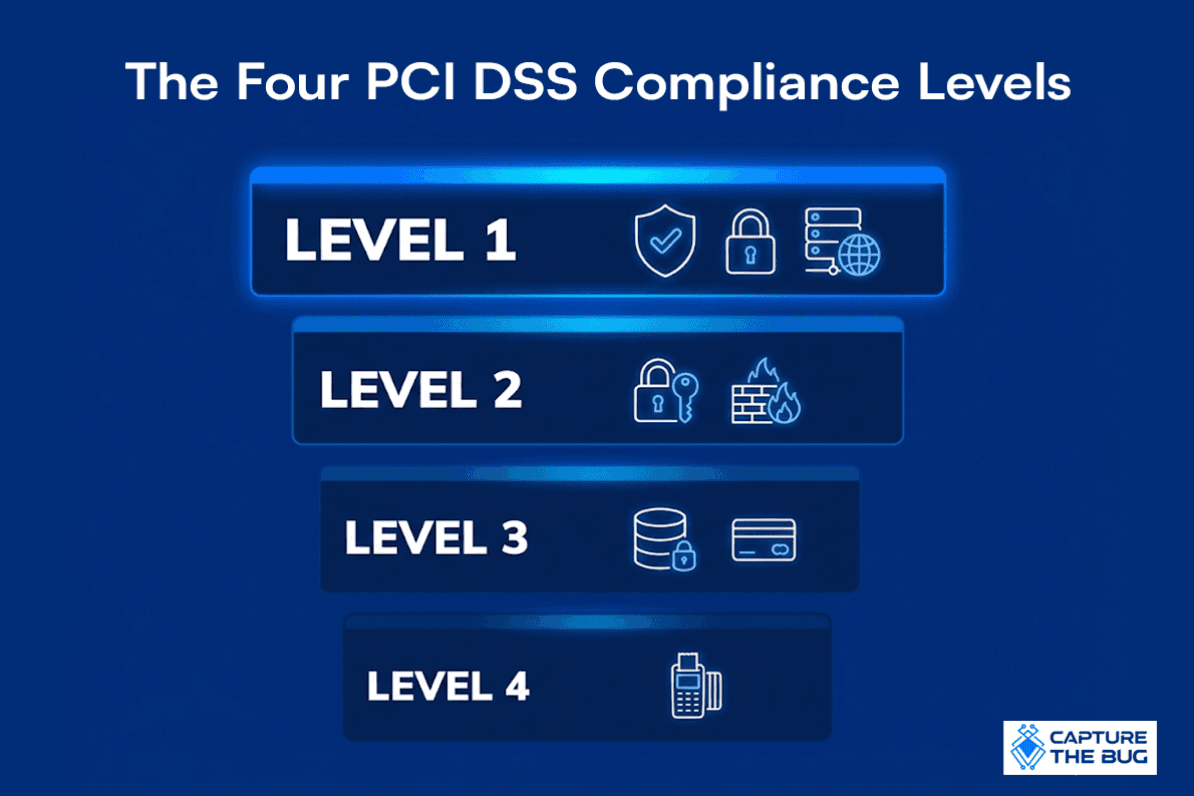
PCI DSS defines four merchant levels based on annual transaction volume. Each level determines how compliance is demonstrated.
Level 1
Applies to organizations processing more than 6 million card transactions per year.
Requires an annual on-site assessment by a qualified auditor and regular external security testing.
Level 2
Applies to organizations processing 1 to 6 million transactions annually.
Requires an annual self-assessment and periodic external testing, depending on bank requirements.
Level 3
Applies to organizations processing 20,000 to 1 million e-commerce transactions annually.
Requires a yearly self-assessment and, in many cases, periodic testing.
Level 4
Applies to organizations with fewer than 20,000 e-commerce transactions or up to 1 million total transactions annually.
Requires a self-assessment and may require periodic testing.
The acquiring bank or payment provider ultimately decides what evidence is acceptable. That is why assumptions around level often create problems later.
The 12 Core PCI DSS Requirements Explained
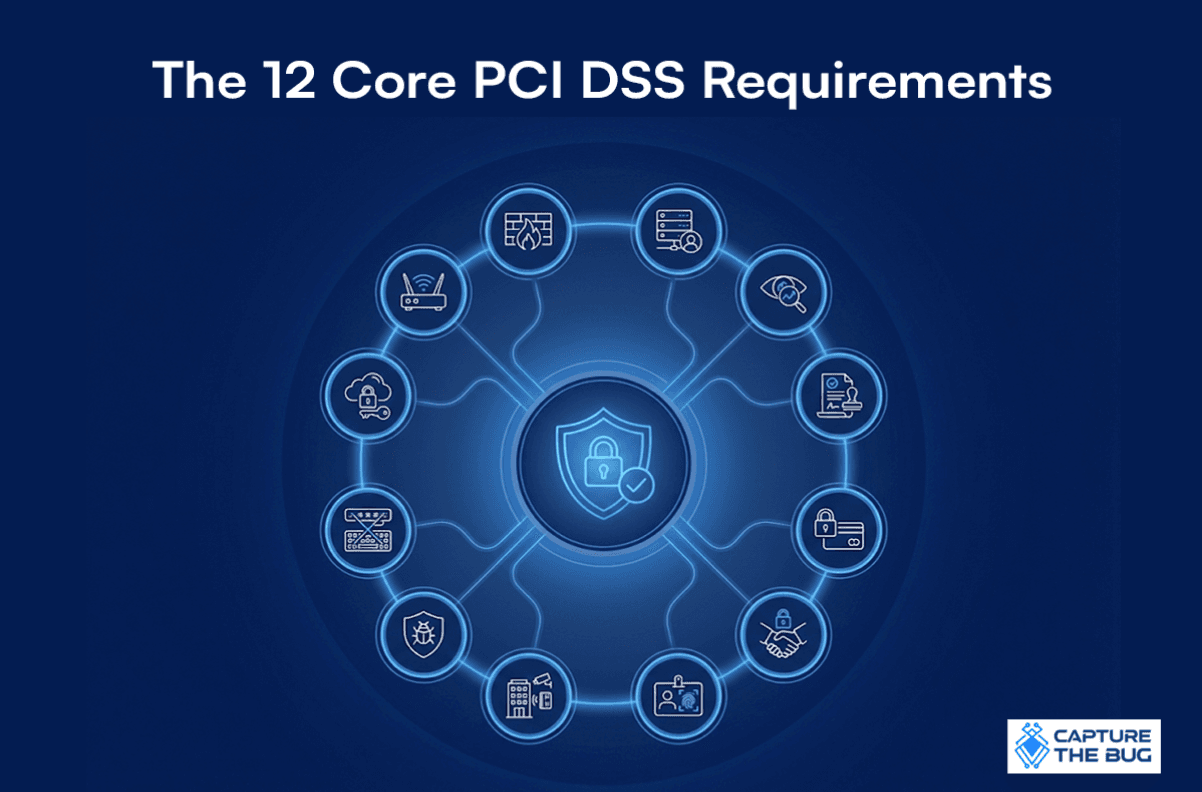
PCI DSS is structured around 12 requirements grouped into six broader objectives. The wording can feel heavy, but the intent is straightforward.
- Install and maintain network security controls to protect cardholder data
- Apply secure system configurations and remove default credentials
- Protect stored cardholder data using strong protection methods
- Secure cardholder data when it moves across open networks
- Protect systems against malicious software
- Maintain secure systems through timely updates and fixes
- Restrict access to card data based on business need
- Identify and authenticate users accessing systems
- Restrict physical access to systems handling card data
- Track and monitor access to systems and data
- Test security controls regularly
- Maintain an information security policy and training program
These requirements are not advanced. They are foundational. Most breaches tied to payment data occur because one or more of these basics were skipped or inconsistently applied.
What Happens If You Ignore PCI DSS
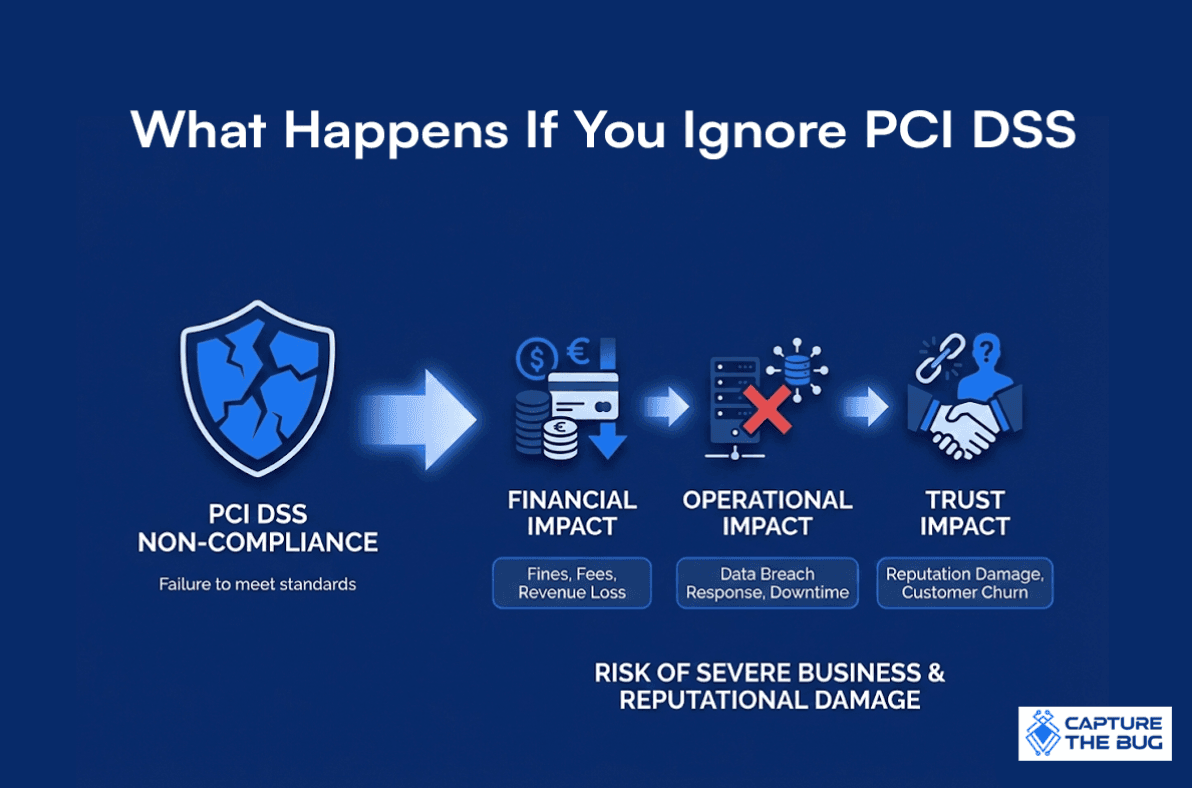
PCI violations do not begin with warnings. They begin with consequences.
Financial penalties can range from $5,000 to $100,000 per month, imposed by banks or card networks. Beyond fines, non-compliance can lead to:
- Higher transaction fees
- Mandatory forensic investigations
- Suspension of payment processing privileges
- Contract termination by partners
- Long-term brand damage after a breach
For most digital businesses, losing the ability to accept card payments is an existential risk.
Common Challenges With PCI DSS
PCI Feels Outdated Compared to Modern Systems
Many teams feel the standard was written for simpler environments. That frustration is real. The mistake is treating PCI requirements as literal checklists instead of understanding their intent.
The goal is not to mirror old architectures. The goal is to demonstrate equivalent control and risk reduction.
Compliance Is Treated as a One-Time Event
PCI compliance fails when it is rushed before an audit. Controls decay. Evidence becomes outdated. Teams scramble.
The organizations that succeed treat PCI as a continuous discipline, not an annual task.
Third-Party Risk Is Overlooked
Vendors, payment plugins, and service providers often expand PCI scope silently. If a third party mishandles card data, responsibility still traces back.
Strong vendor due diligence is part of PCI, even if it is rarely emphasized early.
How Capture The Bug Supports PCI Compliance
Capture The Bug operates as a third-party security testing provider supporting organizations working toward PCI DSS compliance.
The focus is practical validation. Not theory. Not checklists. Real verification of whether exposed systems meet PCI expectations.
Capture The Bug helps organizations by:
- Identifying weaknesses in internet-facing systems tied to card data
- Validating findings to remove noise and false alarms
- Supporting remediation through clear, actionable reporting
- Providing compliance-aligned documentation that banks and partners accept
The approach is designed for growing companies across ANZ, the USA, and global markets that need clarity without complexity.

Final Thoughts
The PCI Data Security Standard is not going away. It remains one of the few security frameworks with direct financial consequences attached.
The frustration most teams feel is not caused by the standard itself. It is caused by late engagement, unclear scope, and reactive execution.
When approached early and handled consistently, PCI DSS becomes manageable. It creates discipline. It reduces risk. And it prevents far more pain than it causes.
For companies that handle payment data, PCI is not optional. But it does not have to be overwhelming either.
FAQ
What is PCI DSS in simple terms
PCI DSS is a set of security rules designed to protect credit and debit card data during payment processing.
Who needs to comply with PCI DSS
Any organization that stores, processes, or transmits cardholder data must comply, regardless of size.
Is PCI DSS a legal requirement
It is not a government law, but it is enforced by banks and card networks. Non-compliance can stop payment processing.
How often is PCI DSS compliance required
Compliance is assessed annually, but security controls must be maintained continuously.
What happens after a PCI breach
Organizations may face fines, forced audits, higher fees, and loss of payment privileges.