Cloud Penetration Testing Pricing in 2026: What Businesses Actually Pay Across USA, Australia, and New Zealand
Introduction: The Real Question Behind “Cost”
Most founders and security leaders don't ask, “How much does cloud penetration testing cost?” They ask, “What am I actually paying for and is it worth it?” Because pricing alone doesn't tell the full story.
In 2026, cloud environments change weekly. APIs evolve, integrations expand, and new risks appear faster than traditional testing cycles can keep up. So the real cost is not just the invoice you receive. It is also the gaps between tests, the delays in fixing issues, and the risk exposure during that time.
That is why understanding pricing today requires looking at both models and outcomes.
What Influences Cloud Penetration Testing Cost
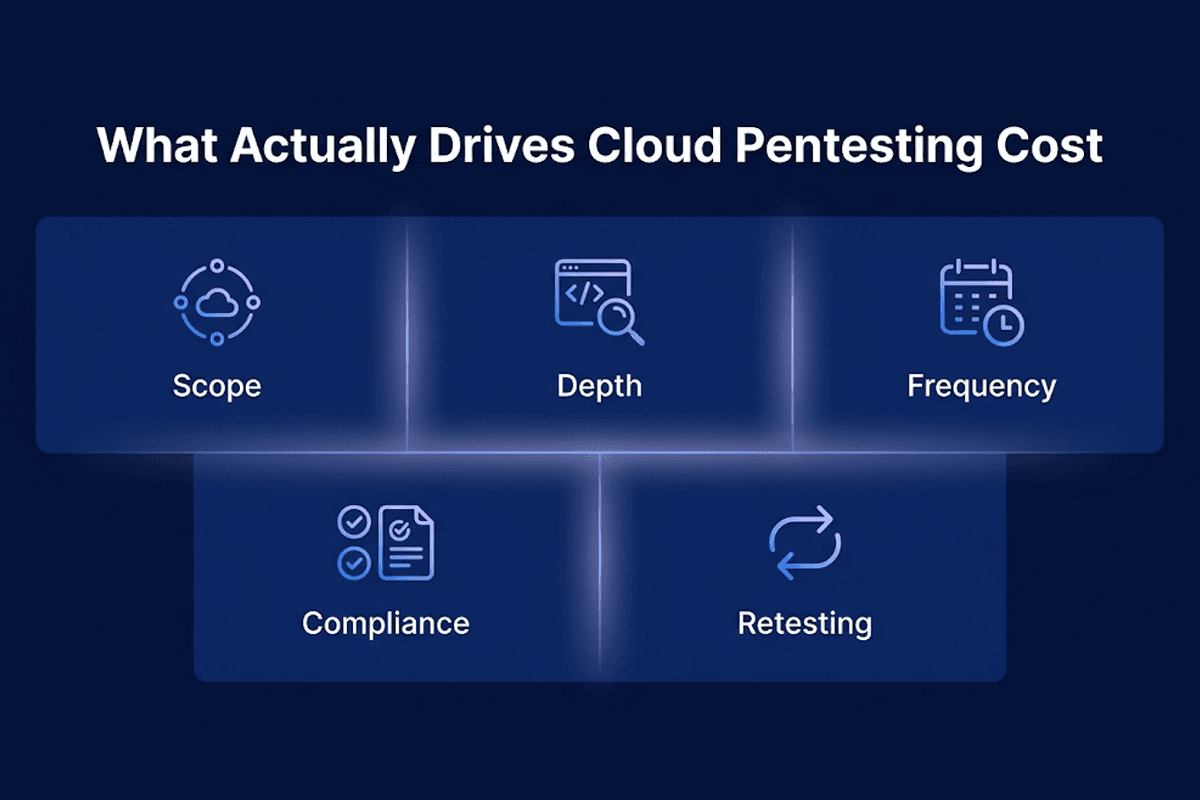
Cloud penetration testing is not priced like a fixed product. It depends on scope, complexity, and how often you test. Here are the core factors that actually drive pricing:
1. Scope of Assets
Testing a simple web app is very different from testing a full cloud environment with APIs, storage, identity layers, and integrations. Typical scope includes Web applications, APIs, Cloud infrastructure configurations, and Authentication controls.
2. Depth of Testing
Some vendors focus on surface-level checks. Others go deeper into business logic, misconfigurations, and real-world attack paths. Deeper testing costs more upfront but reduces risk significantly.
3. Frequency of Testing
This is where pricing models split: One-time testing vs. ongoing testing throughout the year. Traditional models charge per engagement, while modern models spread cost across continuous coverage.
Cloud Penetration Testing Cost in the USA (2026)
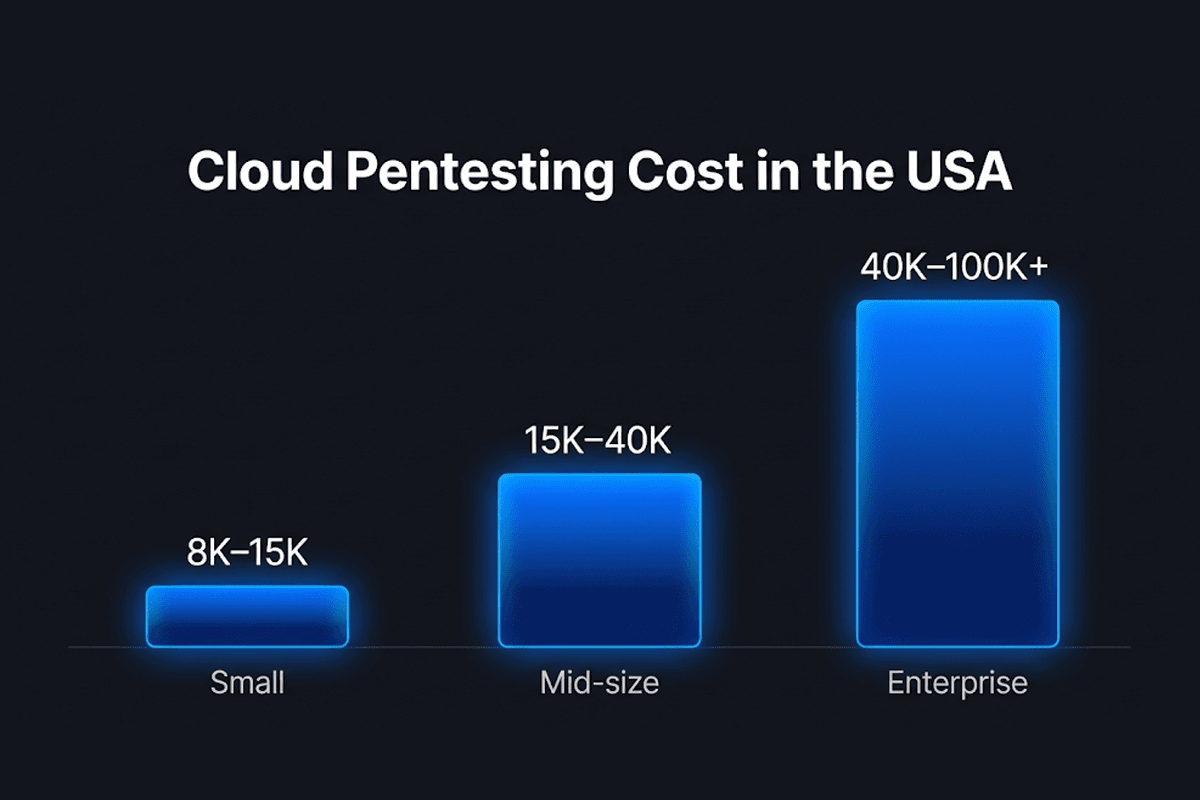
The United States market is the most mature and also the most expensive.
- Small scope testing: $8,000 to $15,000 per test
- Mid-size SaaS platforms: $15,000 to $40,000 per test
- Enterprise environments: $40,000 to $100,000+ per engagement
Cloud Penetration Testing Cost in Australia (2026)
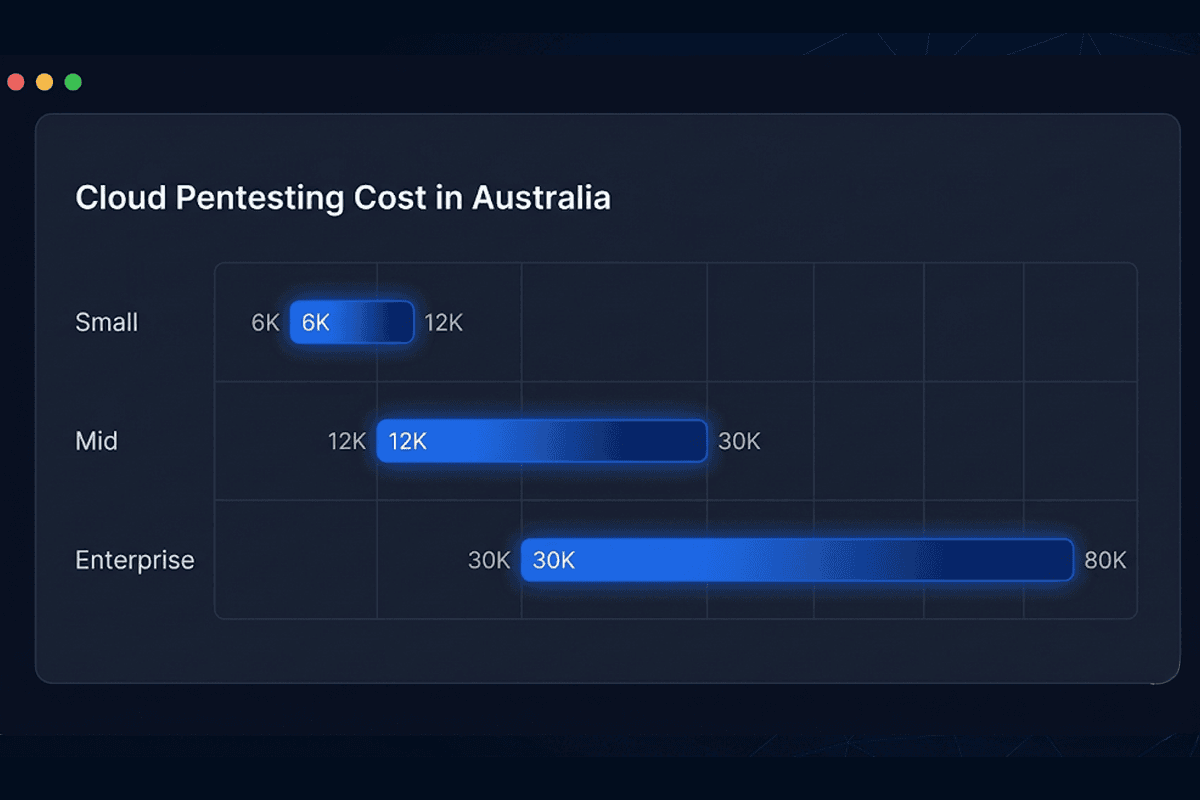
Australia sits slightly below U.S. pricing but still leans premium due to skilled talent demand.
- Small businesses: $6,000 to $12,000 per test
- Growing SaaS companies: $12,000 to $30,000
- Enterprise: $30,000 to $80,000
Cloud Penetration Testing Cost in New Zealand (2026)
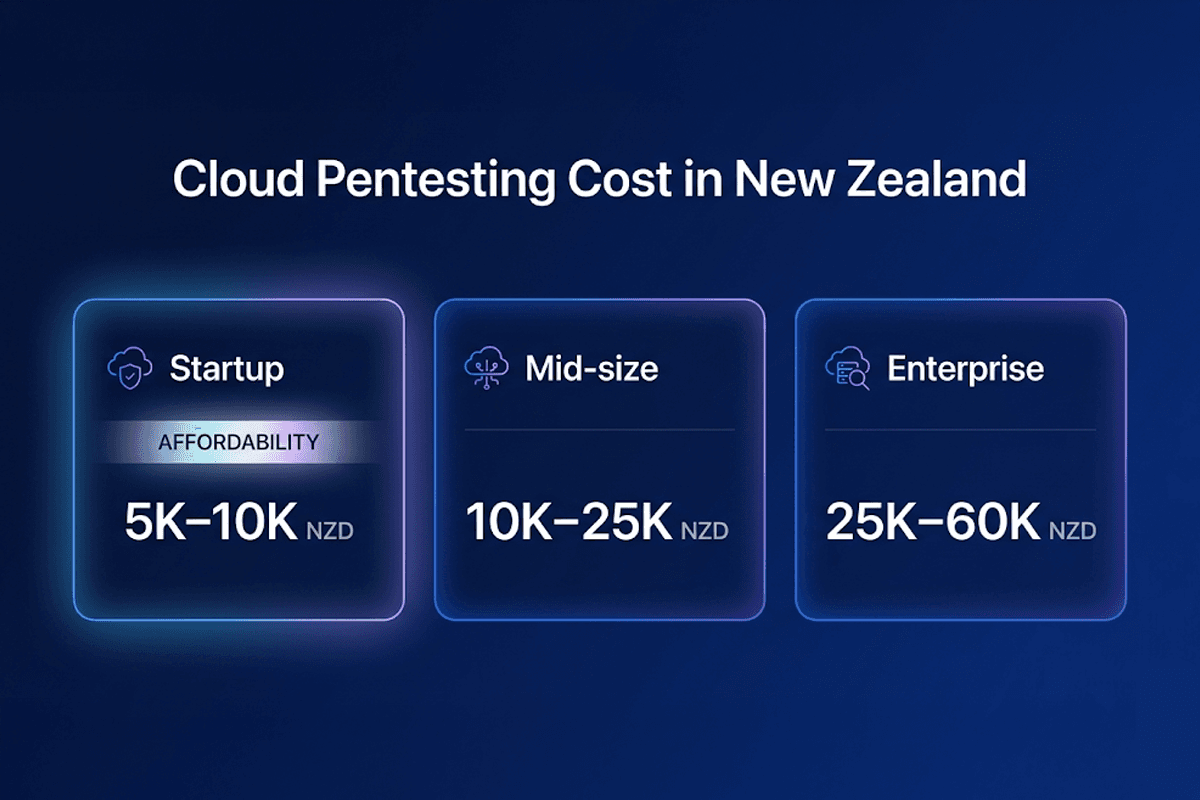
New Zealand offers more flexible pricing, especially for startups and mid-sized companies.
- Startups and small SaaS: $5,000 to $10,000
- Mid-size platforms: $10,000 to $25,000
- Enterprise: $25,000 to $60,000
The Hidden Cost Most Teams Miss
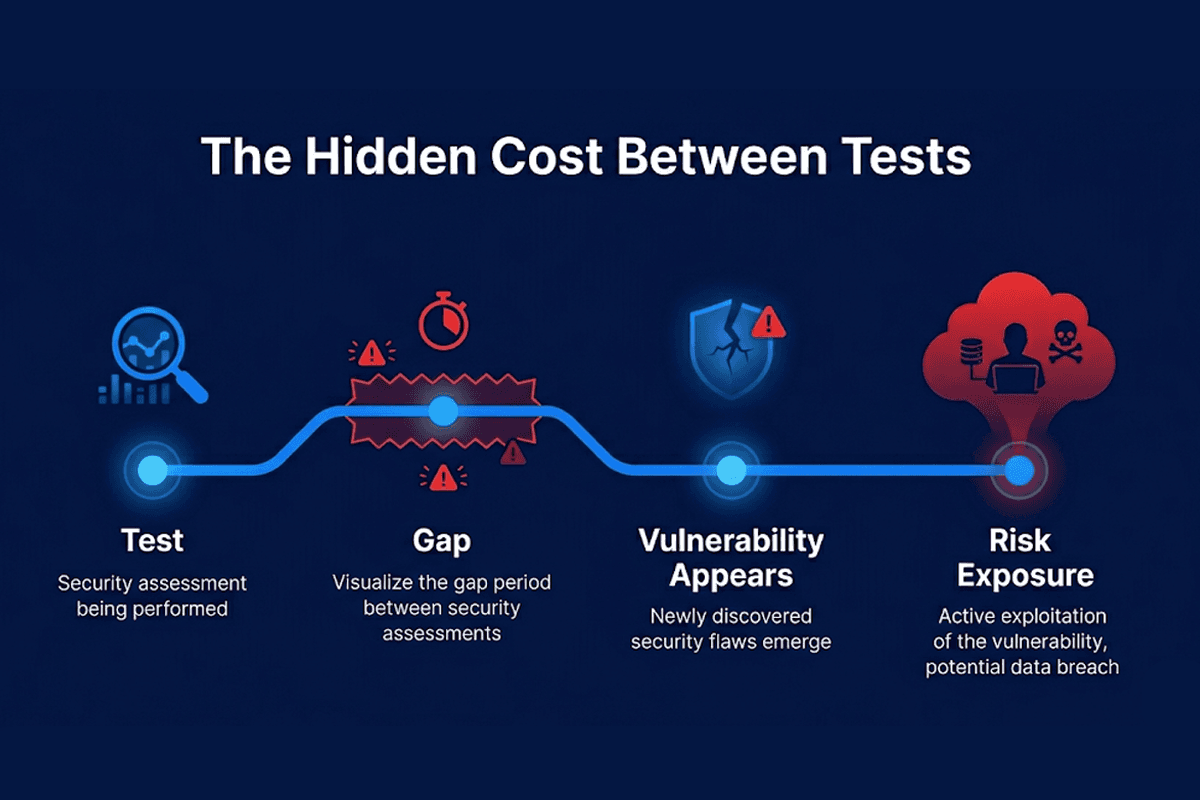
The biggest cost is not the test itself. It is the gap between tests. Traditional penetration testing works like a snapshot. You test once, receive a report, and then operate for months without visibility. This creates a window where new vulnerabilities appear but remain undetected.
Traditional Pricing vs Modern Pricing Models
Traditional Model
- Pay per test
- Wait weeks for results
- Pay again for retesting
- Limited visibility between tests
Modern PTaaS Model
- Subscription-based pricing
- Test continuously throughout the year
- Retesting included
- Real-time visibility
What Companies Actually Spend Annually
Let's simplify what real-world annual costs look like:
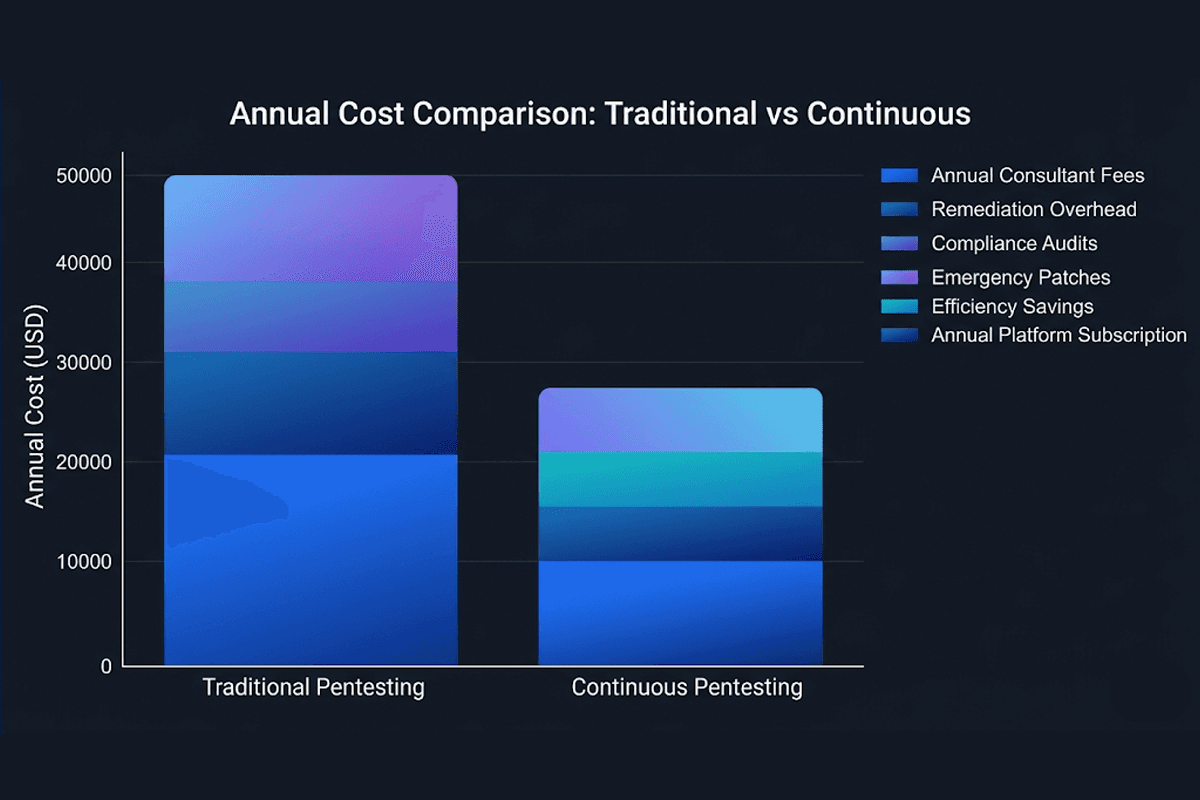
- Traditional Approach: 2 to 3 tests per year. Annual total: $30,000 to $90,000+ (excluding hidden retesting costs).
- Continuous Testing Approach: Typical annual spend: $20,000 to $60,000 depending on scope. Includes validation and reporting with significantly more coverage.
Why Cost Is Shifting in 2026
Three major changes are driving pricing shifts: Faster release cycles, demand for real-time visibility, and the need for predictable budgeting. Subscription models help finance teams plan better than unpredictable per-test costs.
How Capture The Bug Approaches Cost
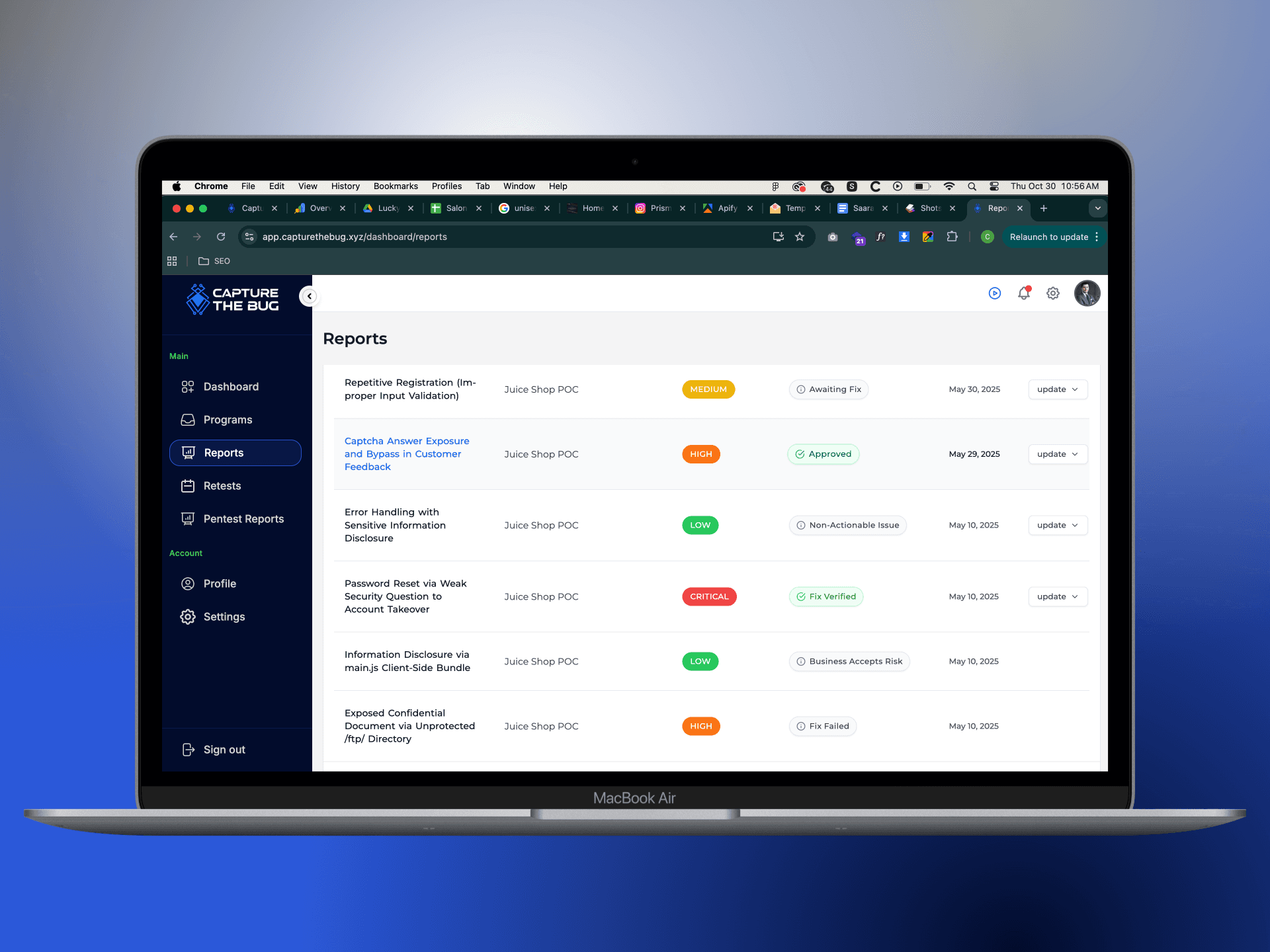
Capture The Bug focuses on making cloud penetration testing predictable, continuous, and practical. Instead of charging per engagement, the model provides:
- On-demand testing when new features are released
- Real-time visibility into vulnerabilities
- Continuous validation of fixes
- Compliance-ready reporting
How to Choose the Right Option for Your Business
If you are evaluating cost, focus on how often your system changes, how quickly you fix vulnerabilities, and if you need continuous compliance readiness. If your environment changes frequently, one-time testing becomes inefficient and expensive.
Final Thoughts
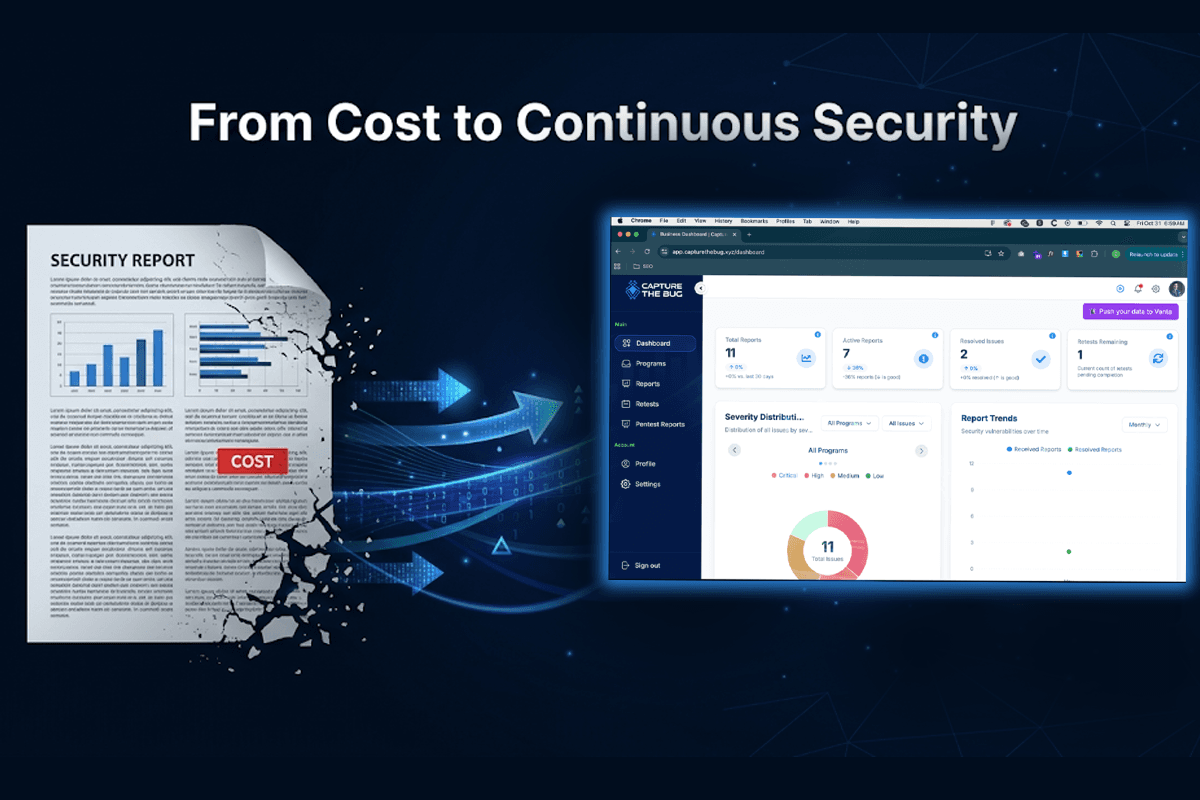
Cloud penetration testing cost in 2026 is no longer just about price per engagement. It is about speed of detection, time to fix, and total annual cost. The shift is clear: businesses are moving from one-time testing to continuous security models because they reduce both cost and risk.
FAQ
1. How much does cloud penetration testing cost in 2026?
Costs range from $5,000 to $100,000 per test depending on scope, region, and complexity, with higher costs in the USA and lower in New Zealand.
2. Why is penetration testing more expensive in the USA?
Due to higher labor costs, complex enterprise environments, and strict compliance requirements.
3. Is continuous penetration testing cheaper than traditional testing?
Yes, over time. It reduces repeated testing costs, includes retesting, and lowers risk exposure.
4. How often should cloud environments be tested?
Ideally continuously or after every major update, rather than once or twice a year.
5. What affects penetration testing pricing the most?
Scope, frequency, depth of testing, compliance needs, and retesting requirements.