What Strong Security Testing Programs Look Like Inside Modern Tech Teams
Many companies believe their penetration testing program is strong simply because it exists. They schedule an assessment once a year, receive a detailed report, fix several issues, and assume their systems are secure.
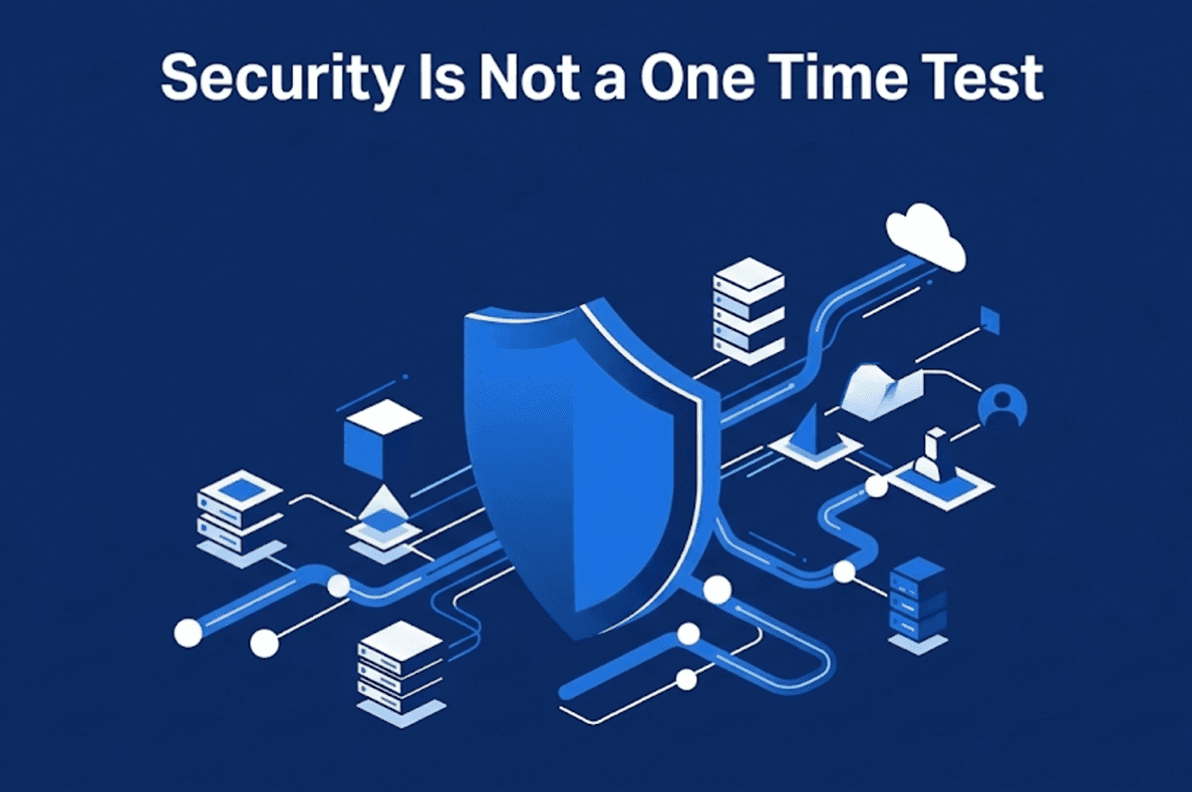
On paper, this approach appears responsible. In reality, it rarely reflects the pace of modern technology teams. Applications change weekly. New APIs are introduced. Integrations expand the attack surface. Infrastructure evolves constantly.
A single assessment cannot represent the security posture of a system that changes every few days. This is why modern engineering organizations have started redefining what a strong pentesting program actually looks like. Instead of periodic testing and delayed insights, they prioritize visibility, collaboration, and continuous improvement.
Companies working with Capture The Bug increasingly adopt this model because it aligns security testing with how modern software teams actually build and release products.
Benchmark 1: Testing Happens Throughout the Year
One of the clearest indicators of a mature pentesting program is frequency. Traditional testing cycles often occur once or twice annually. While this satisfies compliance requirements, it leaves large periods where vulnerabilities may remain undetected.
High performing teams approach testing differently. Whenever major product updates occur, testing follows shortly afterward. New integrations, authentication changes, and infrastructure updates are all considered triggers for security assessments.
This approach ensures vulnerabilities are discovered closer to the moment they appear. The difference is significant. Instead of discovering issues months after deployment, teams detect them while they are still easy to fix.
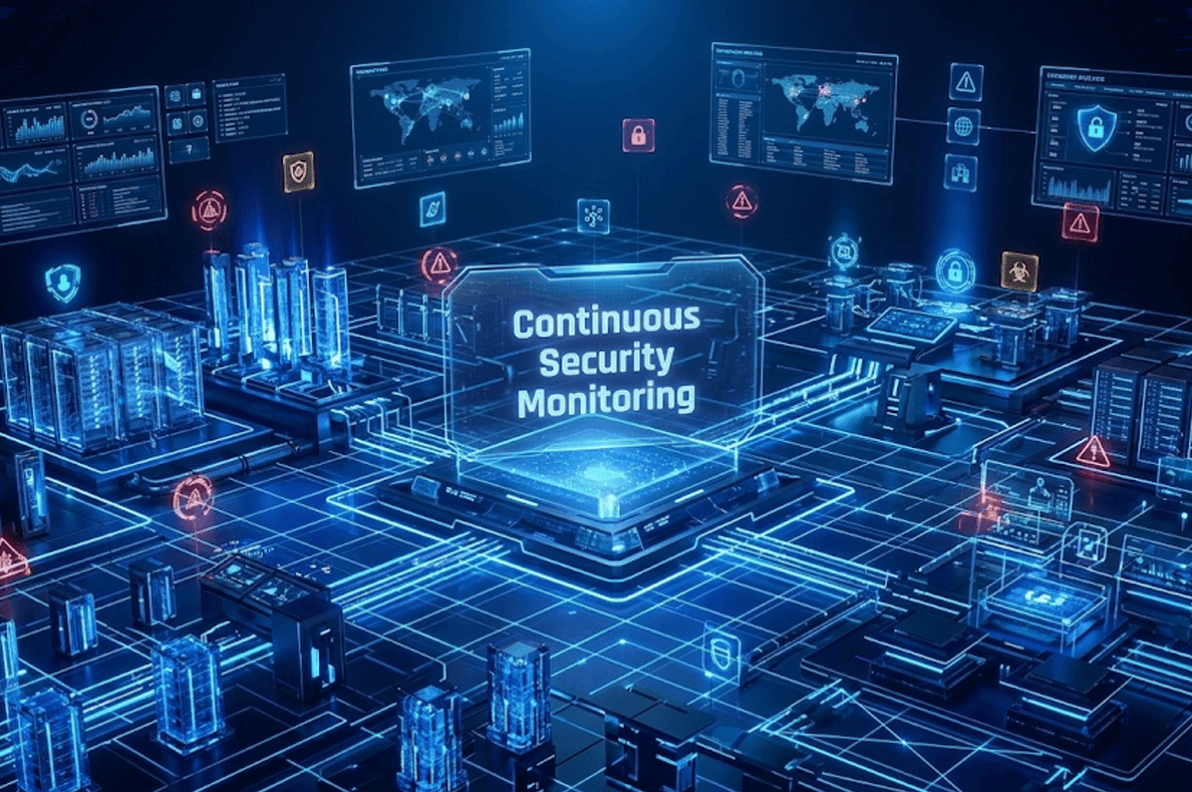
Benchmark 2: Security Visibility Is Always Available
Another defining feature of a strong pentesting program is visibility. Traditional pentesting produces a static report delivered at the end of an engagement. While the document may be detailed, it only reflects the environment at the time testing occurred.
Modern security teams need something more dynamic. Security leaders should be able to answer critical questions instantly:
- Which vulnerabilities remain unresolved
- Which systems have recently been tested
- How quickly engineering teams resolve security issues
When visibility is continuous, security stops being reactive. It becomes measurable and manageable. Capture The Bug enables organizations to maintain this level of visibility by allowing teams to track vulnerabilities, remediation progress, and testing activity in real time through a centralized platform.
Learn more at https://capturethebug.com
Benchmark 3: Developers and Security Experts Work Together
One of the biggest inefficiencies in traditional pentesting programs is the communication gap between testers and developers. Typically, testers deliver a report. Engineers then attempt to interpret the findings on their own. If clarification is needed, email threads begin.
This process slows remediation significantly.
Modern security programs prioritize collaboration instead. Developers can discuss vulnerabilities directly with testers, understand the exact attack path, and verify fixes quickly. This collaboration shortens remediation cycles and reduces misunderstandings.
More importantly, it helps developers learn how vulnerabilities occur in the first place, improving secure development practices across the organization.
Benchmark 4: Vulnerability Fix Time Is Measured
Another hallmark of strong security programs is measurement. Many organizations track the number of vulnerabilities discovered each year. While this information is useful, it does not reflect the effectiveness of the security program.
The more important metric is remediation speed. Leading teams monitor indicators such as:
- Average time to acknowledge a vulnerability
- Average time to deploy a fix
- Average time to verify remediation
These metrics provide insight into how efficiently the organization responds to security risks. Over time, these measurements help teams identify patterns. If a certain type of vulnerability appears frequently, developers can address the root cause instead of repeatedly fixing similar issues.
Benchmark 5: Compliance Becomes Easier, Not Harder
For many organizations, penetration testing is driven by compliance requirements. Frameworks such as ISO 27001, SOC 2, and PCI DSS require regular security testing. However, mature organizations avoid designing their entire security strategy around audits.
Instead, they focus on maintaining strong security practices throughout the year. When testing occurs regularly and remediation activity is tracked clearly, compliance becomes a natural outcome of good security management.
Audit preparation becomes significantly easier because the evidence already exists. Security leaders can demonstrate testing activity, vulnerability remediation, and risk management without scrambling to assemble documentation.
Benchmark 6: Security Leaders Understand Real Business Risk
Strong pentesting programs do more than identify technical vulnerabilities. They translate security findings into business risk. Executives rarely need deep technical details about exploitation techniques or system architecture.
What they need to understand is impact.
- Which vulnerabilities could expose customer data
- Which issues could affect system availability
- Which risks could damage the company's reputation
By presenting vulnerabilities in terms of real business impact, security leaders can help executives make informed decisions about priorities and investments. This alignment between security and business strategy is one of the defining characteristics of mature security programs.
Benchmark 7: Testing Scales With Company Growth
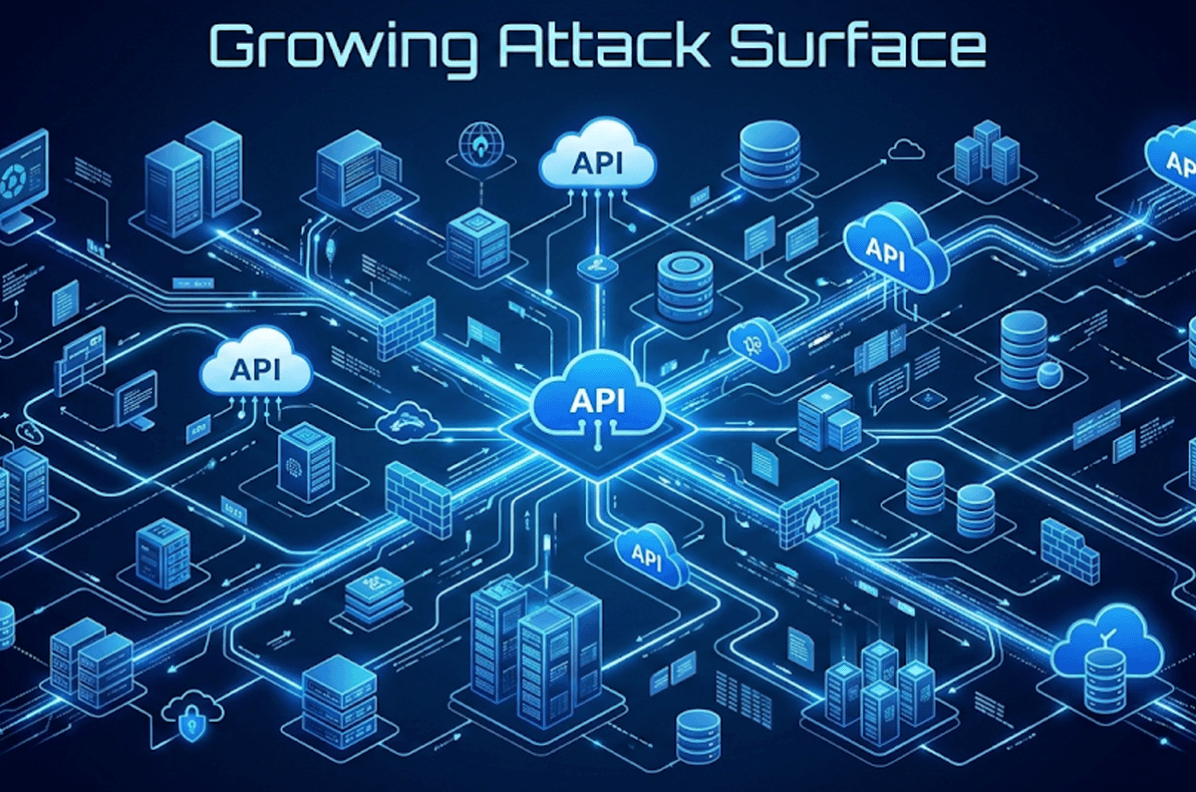
As companies grow, their attack surface expands. New products, integrations, services, and infrastructure components introduce additional security challenges.
A strong pentesting program evolves alongside the organization. Instead of focusing on a single application, mature programs expand coverage across:
- Web applications
- APIs and integrations
- Authentication systems
- Cloud environments
This ensures that security testing remains aligned with the company's evolving technology stack. Companies that fail to scale their security testing often discover vulnerabilities in overlooked systems such as internal tools or secondary services.
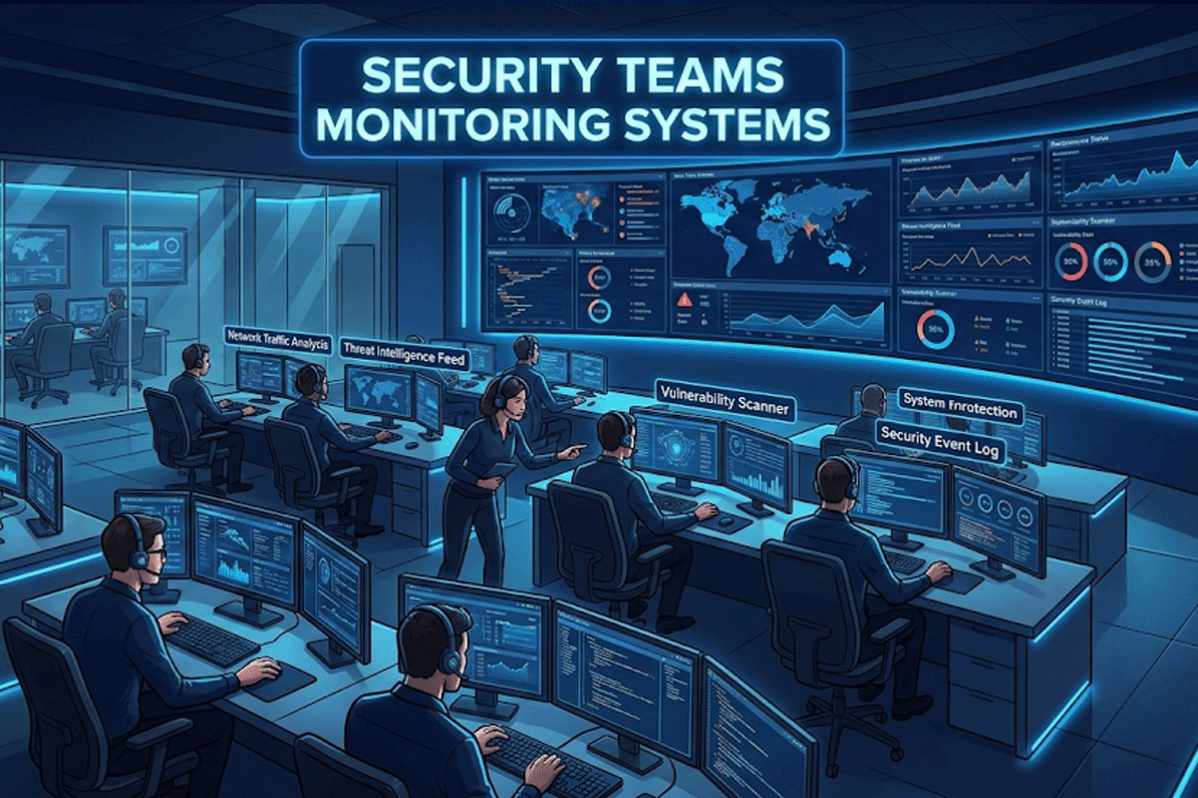
Why Modern Teams Are Moving Toward Continuous Pentesting
The reality of modern software development is simple. Technology environments change too quickly for periodic testing to provide reliable protection. Security programs must adapt to the same pace as product development.
Capture The Bug was built with this reality in mind. The platform enables organizations to test continuously, collaborate directly with experienced testers, and maintain real time visibility into vulnerabilities across their systems.
This approach helps companies detect vulnerabilities earlier, resolve them faster, and maintain stronger security across the entire development lifecycle.
Visit https://capturethebug.com to learn how modern teams implement continuous pentesting.

Final Thoughts
A strong pentesting program is not defined by how often reports are delivered. It is defined by how effectively organizations discover vulnerabilities, fix them, and prevent them from recurring.
High performing security teams prioritize continuous visibility, close collaboration between developers and testers, and measurable improvement in remediation speed. When these elements come together, security testing becomes more than a compliance requirement. It becomes a strategic advantage that protects the business while enabling teams to build and innovate with confidence.
FAQ
What is a pentesting program?
A pentesting program is an ongoing security strategy that identifies vulnerabilities in applications, infrastructure, and systems through controlled security testing.
How often should companies perform penetration testing?
Modern organizations conduct security testing throughout the year, especially after major product releases, infrastructure updates, or new integrations.
Why are traditional pentest reports considered insufficient?
Static reports only represent the environment at the time testing occurred. Systems evolve quickly, so continuous visibility is needed to maintain accurate security insights.
What metrics define a strong pentesting program?
Key indicators include vulnerability remediation time, testing frequency, visibility into security posture, and collaboration between developers and testers.
Why is continuous pentesting becoming popular?
Continuous pentesting allows organizations to detect vulnerabilities earlier, reduce remediation time, and maintain a stronger security posture as systems evolve.