Why CISOs Are Moving Beyond Annual Pentests to Always-On Security Testing
Security leaders are shifting from once-a-year pentests to continuous testing models that provide real-time visibility, faster fixes, and stronger control over evolving risk.
The Shift Every CISO Is Quietly Making
For years, annual penetration testing was considered "good enough." It checked compliance boxes. It produced a report. It reassured stakeholders.
But modern security leaders know something has changed. Applications update weekly. Infrastructure evolves daily. Attack surfaces expand constantly. And threats don’t wait for scheduled testing windows.
So the question CISOs are asking today is not "Are we tested?" It is "Are we secure right now?"
That shift in thinking is why forward-looking organizations are moving away from annual pentests and adopting continuous testing models through platforms like Capture The Bug.
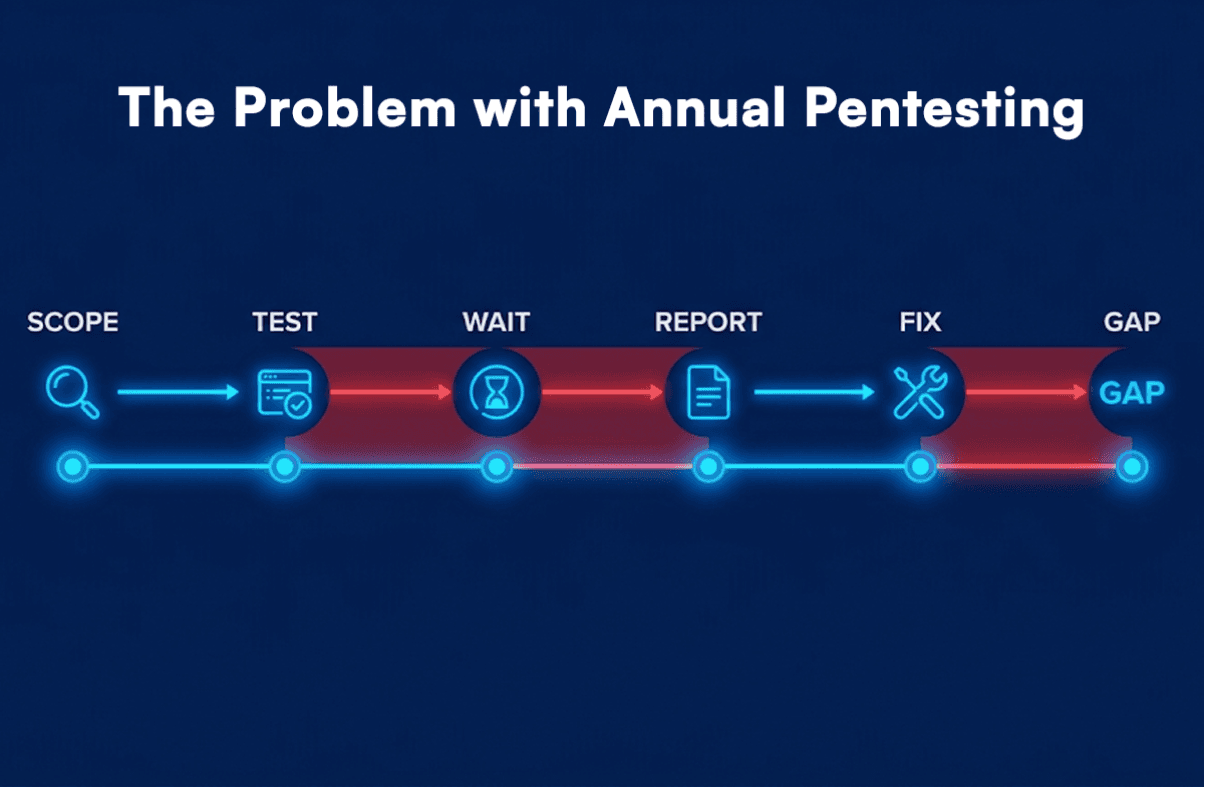
The Problem with Annual Pentesting
Annual pentesting was designed for a slower era of technology. A typical cycle still looks like this:
- You scope the test weeks in advance
- Testing runs for a fixed window
- A report arrives after several weeks
- Your team begins remediation
- And then… silence until the next cycle
On paper, it works. In reality, it creates blind spots. Between two annual tests, your system may change hundreds of times. New features, integrations, and configurations introduce risks that go completely untested.
As highlighted in modern PTaaS frameworks, this creates a dangerous gap where vulnerabilities exist but remain invisible for months. That gap is where most real-world incidents begin.

Security Is No Longer a Snapshot
The biggest limitation of traditional testing is simple: It shows you what was true at one moment in time.
But security today is dynamic. A vulnerability introduced on Monday cannot wait until next year’s test to be discovered. A misconfiguration deployed today cannot remain hidden for months.
This is why CISOs are moving toward continuous testing. Because security is no longer a report. It is a live state.
What Continuous PTaaS Actually Changes
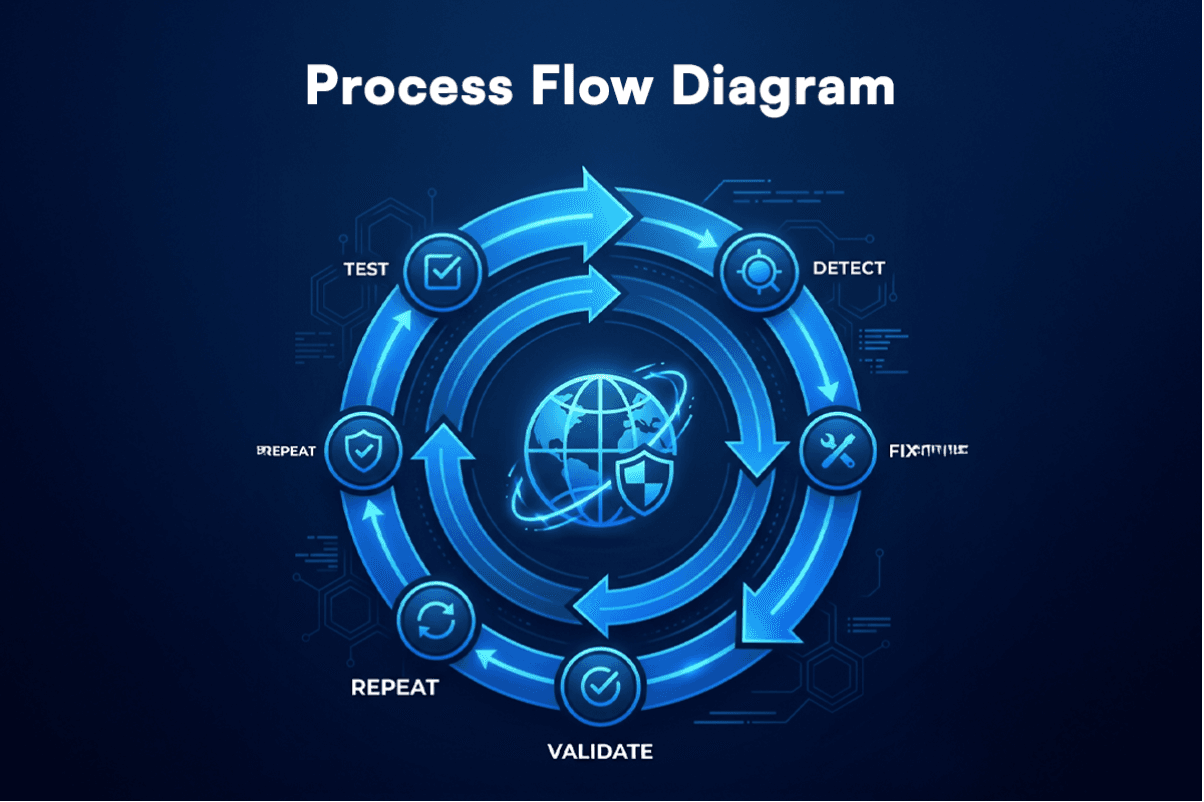
Continuous testing does not replace penetration testing. It changes how and when it happens. Instead of treating testing as an event, it becomes an ongoing process.
With Capture The Bug’s PTaaS model, organizations move from delayed visibility to real-time awareness. Here is what that looks like in practice:
- Testing can be triggered whenever systems change
- Vulnerabilities appear as they are discovered
- Teams can act immediately instead of waiting
- Fixes are validated without delay
- Security posture is visible at any given moment
This aligns with how modern businesses operate. Fast, iterative, and always evolving.
Understand the Difference That Impacts Your Risk
Compare traditional penetration testing vs continuous testing and see which model actually protects your business in real time.
Why CISOs Are Driving This Transition
This is not a trend driven by tools. It is a shift driven by accountability. Today’s CISO is expected to answer questions like:
- "What is our current risk exposure?"
- "What has been fixed this week?"
- "Are we ready for an audit right now?"
Annual pentests cannot answer these questions. Continuous testing can. That is the core reason behind this transition.
The Real Risk: Time Between Discovery and Fix
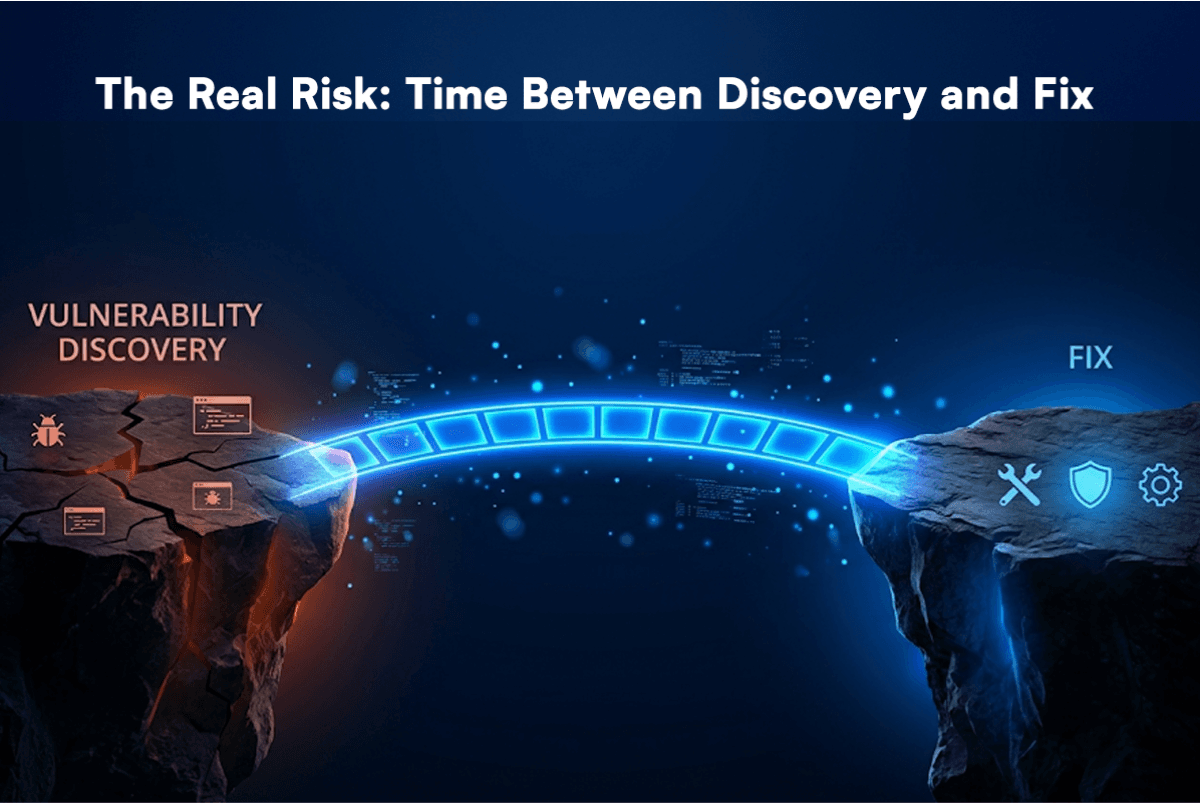
One of the most overlooked problems in traditional pentesting is delay. Not just in testing, but in response. By the time a vulnerability is discovered, documented, shared, and understood, weeks may have passed.
During that time, exposure continues. Continuous PTaaS removes that delay.
It shortens the gap between Discovery, Understanding, Fixing, and Validation from weeks to hours.
And in cybersecurity, speed is often the difference between prevention and incident.
From Compliance Activity to Security System
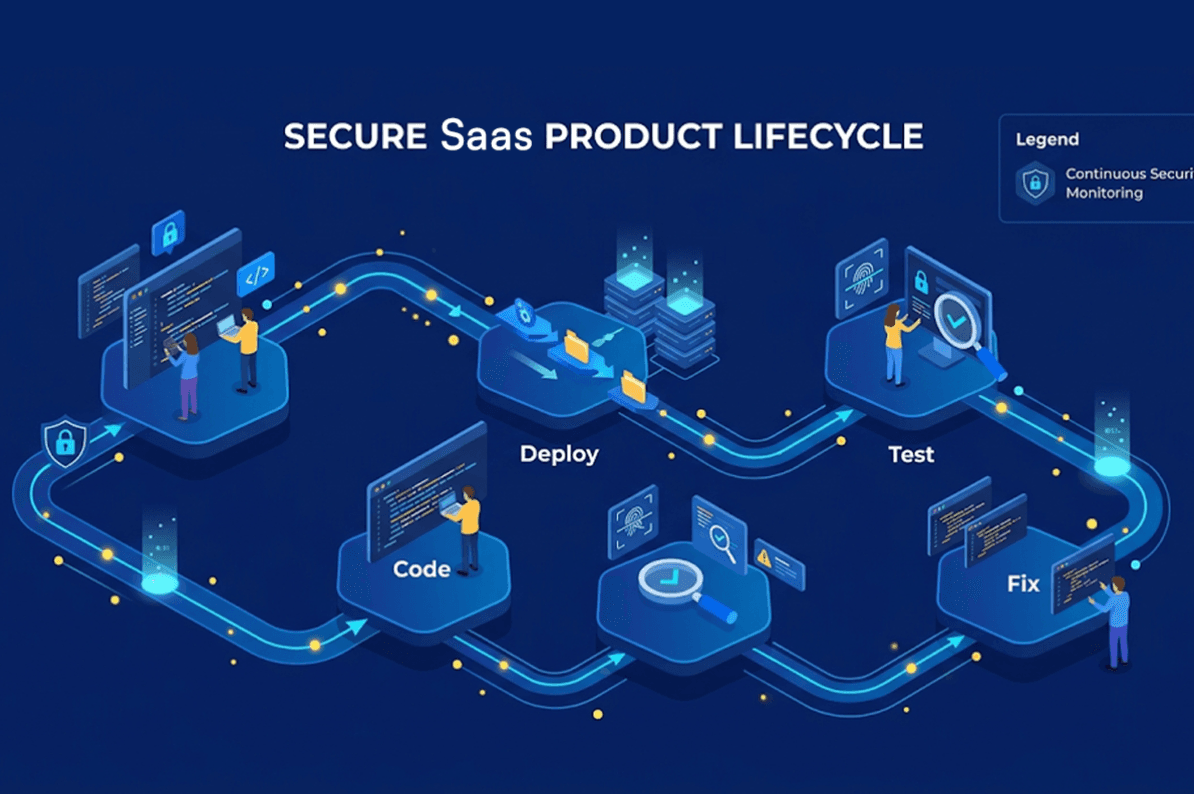
Annual pentesting is often treated as a compliance requirement. Continuous testing turns it into an operational system. This changes how organizations approach security entirely.
Instead of preparing for audits once or twice a year, teams stay ready at all times. Instead of reacting to reports, they act on live insights. Instead of guessing progress, they track it continuously. This is especially critical for organizations dealing with frameworks like SOC 2, ISO 27001, or PCI-DSS, where evidence and consistency matter.
Why SaaS and Fast-Growing Companies Lead the Shift
The companies adopting continuous PTaaS fastest are those that move the fastest—SaaS platforms, fintech companies, and cloud-native businesses.
These organizations release frequently. That means their risk profile changes constantly. For them, annual testing is not just outdated. It is risky. Continuous testing allows them to:
- Validate new features before exposure
- Test integrations as they are added
- Monitor sensitive data flows continuously
- Maintain trust with enterprise customers
It fits their speed. And security must match that speed.
The Operational Advantage: Clarity and Control
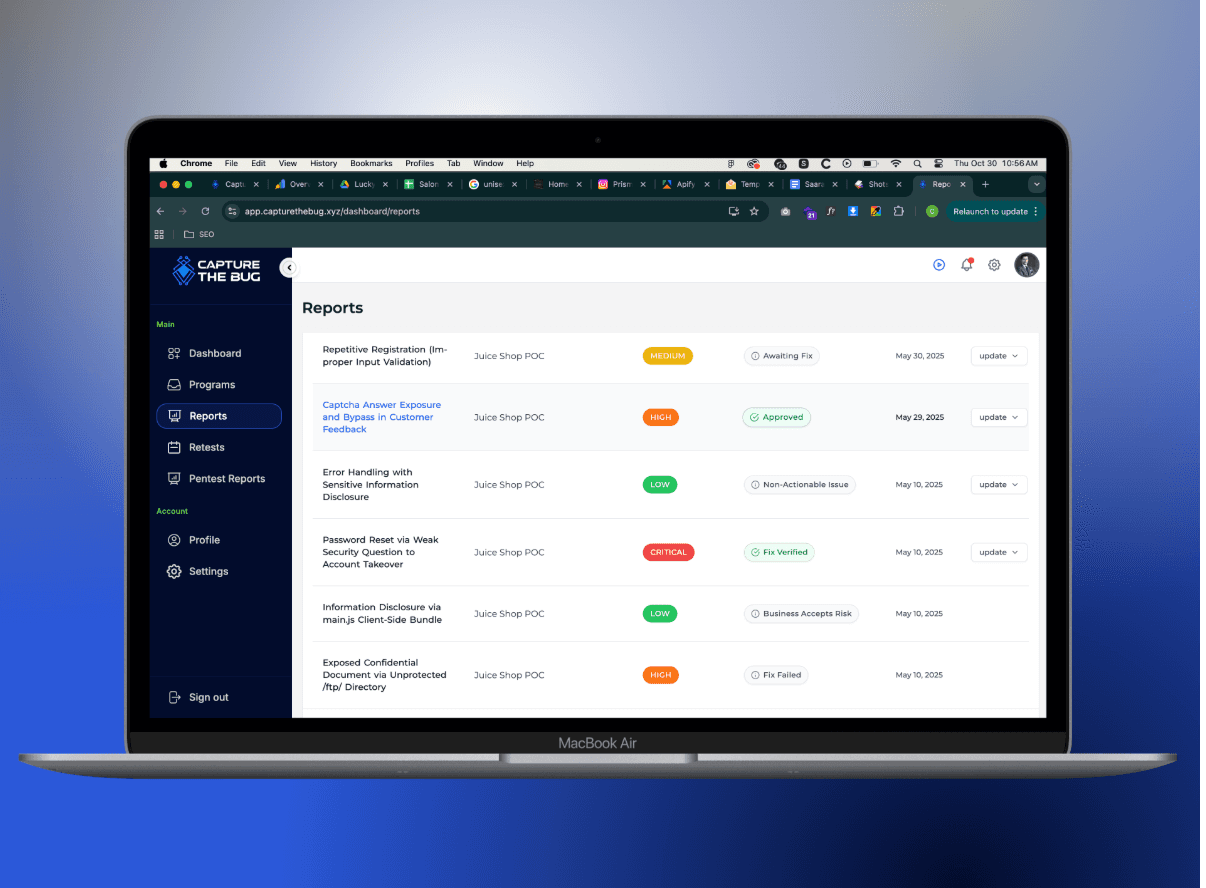
One of the biggest benefits CISOs report after switching to continuous PTaaS is clarity. Instead of fragmented reports and scattered communication, everything lives in one place. They can see:
- All vulnerabilities in real time
- What is being fixed
- What is already resolved
- What still needs attention
This visibility is not just useful for security teams. It matters for leadership, investors, and customers. Because security is no longer a black box. It is measurable.
The Financial Reality: Better ROI Over Time
Annual pentests often look cheaper on paper. But over time, they introduce hidden costs:
- Repeated scoping and coordination
- Extra charges for retesting
- Engineering time spent interpreting reports
- Risk exposure due to delayed fixes
Continuous PTaaS spreads cost across the year while increasing coverage. More importantly, it reduces the cost of inaction. Because fixing early is always cheaper than fixing late.
The Human Factor Still Matters
Continuous testing does not remove human expertise. It strengthens it. The difference is not automation replacing people. It is people working with better timing, better context, and better visibility.
At Capture The Bug, certified testers validate every finding, ensuring that teams focus only on real, exploitable risks. This eliminates noise and builds trust in the process.
When Should an Organization Make the Shift?
Most CISOs realize they need continuous testing when they experience one of these:
- They are running multiple pentests each year
- They struggle to track vulnerabilities between tests
- They face pressure from compliance or audits
- They lack real-time visibility into security posture
At that point, annual testing stops being sufficient. And continuous PTaaS becomes necessary.
Capture The Bug’s Approach to Continuous Security
Capture The Bug was built around a simple belief: Security should be continuous, practical, and transparent. Its PTaaS platform combines:
- CREST-certified expertise
- Real-time vulnerability visibility
- Direct collaboration between testers and teams
- Compliance-ready reporting at any time
This allows organizations to move from reactive security to continuous assurance. Not once a year. Every day.
Final Thoughts
The role of the CISO has evolved. It is no longer about proving that testing happened. It is about proving that security is working right now.
Annual pentests cannot provide that confidence anymore. Continuous PTaaS can. Because in a world where systems change daily, security cannot be occasional. It has to be continuous.
FAQ
1. Why are CISOs moving away from annual pentests?
Because annual tests create long visibility gaps. Continuous testing provides real-time insights and faster remediation.
2. What is continuous PTaaS?
It is an ongoing penetration testing model that allows organizations to identify and fix vulnerabilities continuously instead of at fixed intervals.
3. Does continuous testing replace traditional pentesting?
No. It evolves it into a continuous, real-time process with better visibility and faster validation.
4. How does PTaaS improve security posture?
By reducing the time between vulnerability discovery and remediation, and providing constant visibility into risk.
5. Is PTaaS suitable for compliance-driven companies?
Yes. It helps maintain audit readiness at all times with continuously updated evidence and reporting.