Where Security Leaders Go Wrong When Choosing a Pentesting Partner
In boardrooms across ANZ and the US, security leaders are under pressure. Investors want proof. Customers want assurance. Auditors want evidence.
So they do what feels responsible. They commission a pentest.
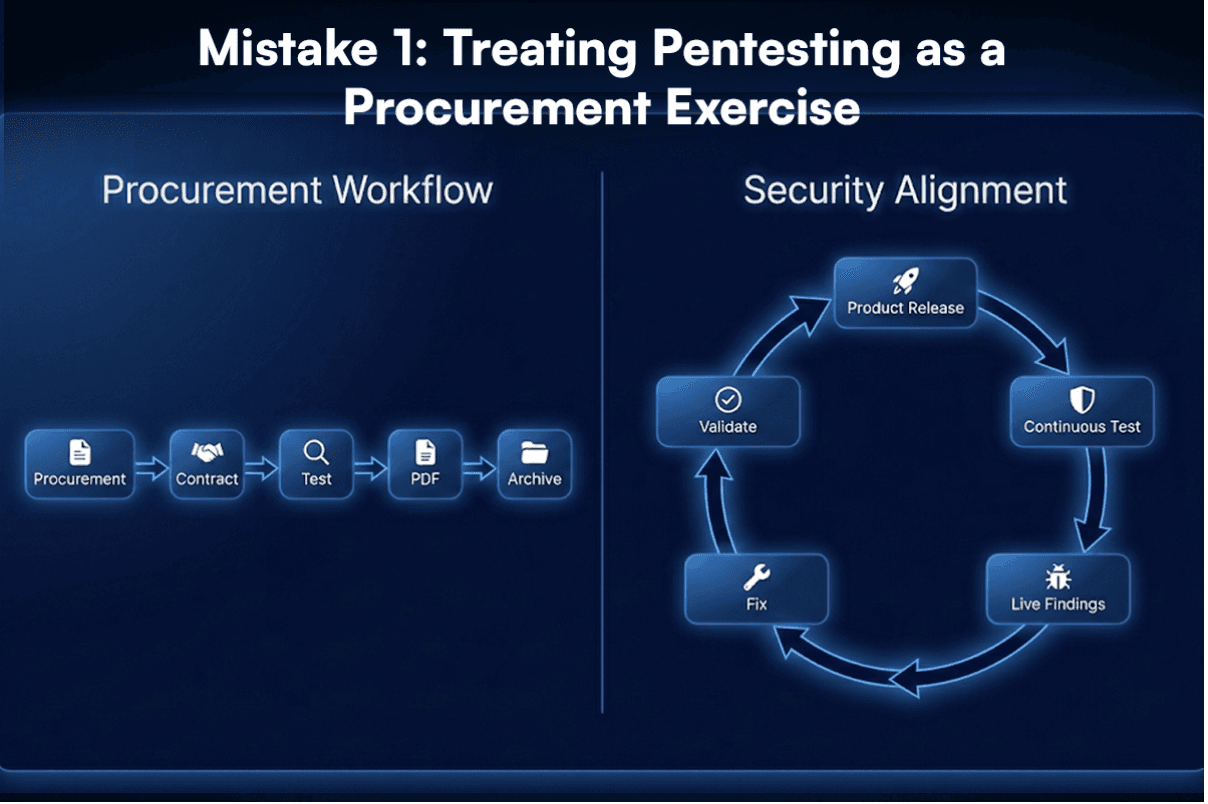
- Scope defined.
- Contract signed.
- Test completed.
- PDF delivered.
Box checked.
But months later, the same organization is scrambling to respond to a new exposure, a misconfigured API, or a compliance gap that slipped through.
The problem was never the decision to test.
It was the assumptions behind how they bought the test.
At Capture The Bug, we have worked with startups, fintechs, SaaS platforms, and regulated enterprises. And the pattern is clear. The same purchasing mistakes show up again and again.
Here is what security leaders often get wrong when selecting pentesting services, and what to do instead.
Mistake 1: Treating Pentesting as a Procurement Exercise
Many buying decisions start with a spreadsheet. Vendors are compared by price, turnaround time, and deliverables.
It becomes a transactional decision.
But security testing is not a commodity. It is a partnership.
When pentesting is reduced to line items, leaders miss the most important question:
How will this testing model fit into how our business actually builds and ships software?
If your team deploys weekly, but your pentest happens annually, there is a mismatch. If your engineers fix issues in sprints, but your vendor delivers a static report weeks later, there is friction.
Security leaders should evaluate alignment, not just pricing.
- Does the provider support continuous testing?
- Can developers collaborate directly with testers?
- Is remediation tracked in real time?
A pentest that does not fit your workflow will always feel slow, even if the vendor is technically excellent.
Mistake 2: Overvaluing the PDF Report
For years, the end goal of a pentest was a polished PDF. It satisfied auditors. It impressed customers. It looked official.
But here is the uncomfortable truth.
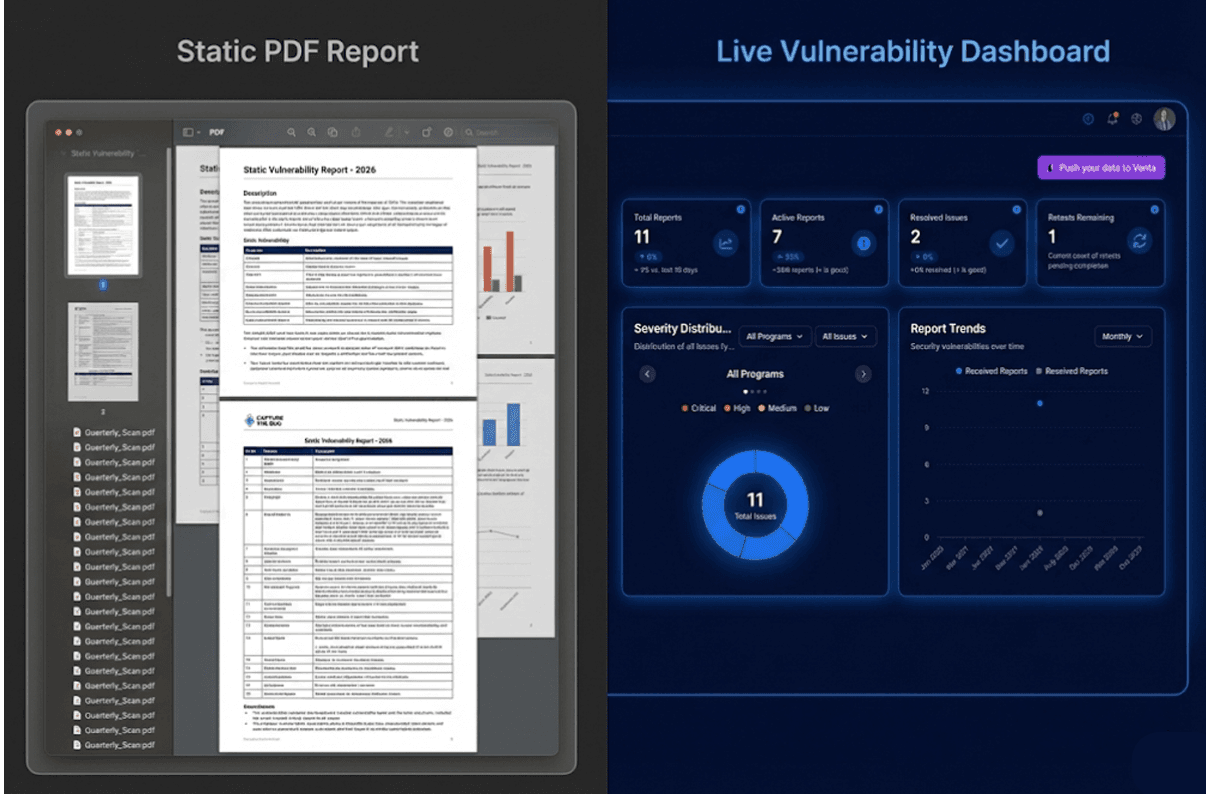
A PDF is a snapshot.
Your infrastructure is not.
By the time a report lands in your inbox, your codebase has changed. New integrations are live. New endpoints exist. Old vulnerabilities may already be fixed.
Security leaders who prioritize the report over the process are optimizing for documentation, not defense.
Modern pentesting should provide:
- Real-time visibility into vulnerabilities
- Live remediation tracking
- Instant retesting after fixes
- Audit-ready exports when needed
The report should be a byproduct, not the main event.
At Capture The Bug, we see organizations transform when they move from static reporting to live dashboards. Security stops being something reviewed quarterly. It becomes something managed daily.
Mistake 3: Confusing Volume with Value
Some vendors promise large numbers.
- Hundreds of findings.
- Thousands of checks.
- Comprehensive coverage.
On paper, it sounds impressive.
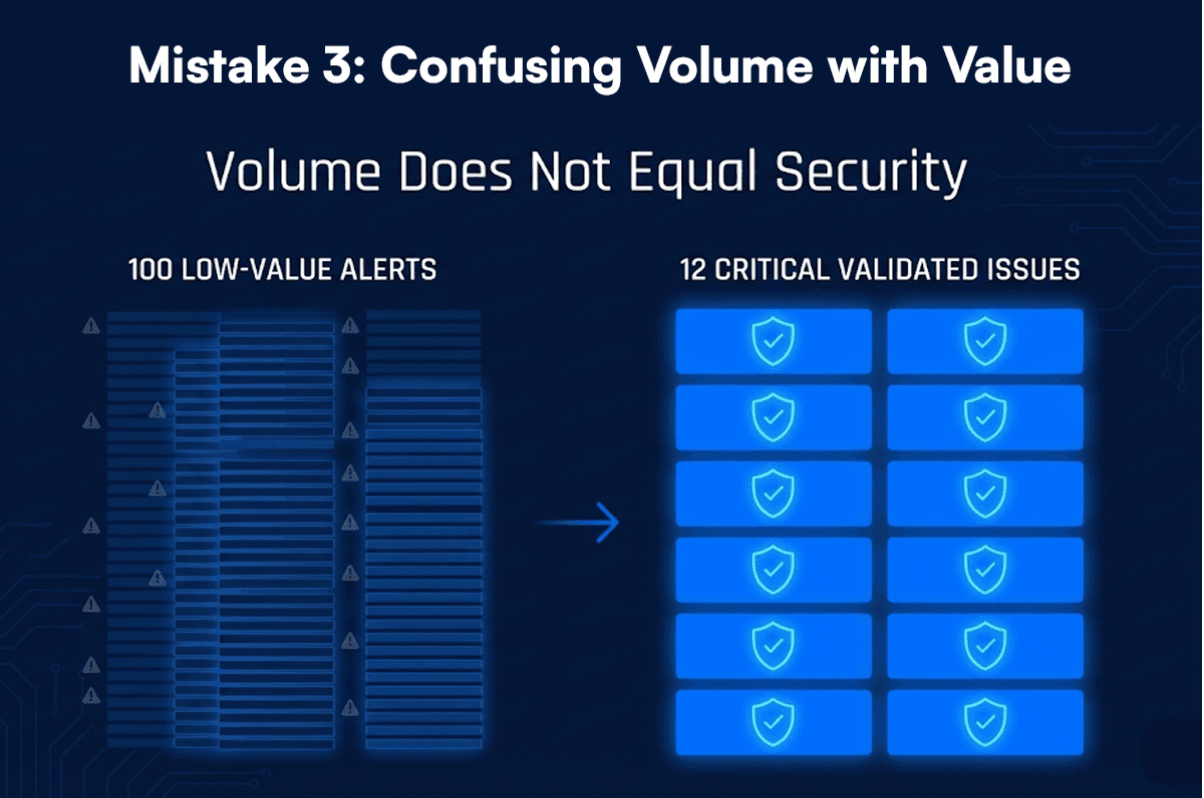
But more findings do not automatically mean more security.
If your team is overwhelmed with low-priority issues, remediation slows down. Engineers lose focus. Critical risks hide in noise.
Effective pentesting is not about volume. It is about validated, contextualized risk.
Security leaders should ask:
- Are findings verified by certified testers?
- Are false positives filtered out?
- Are vulnerabilities prioritized based on real exploitability?
A smaller list of high-impact, actionable issues is far more valuable than a long list of generic warnings.
Quality always beats quantity in risk management.
Mistake 4: Buying for Compliance, Not for Risk
Compliance frameworks like ISO 27001, SOC 2, and PCI-DSS require testing.
So many organizations buy pentesting to satisfy an audit.
There is nothing wrong with that. Compliance matters.
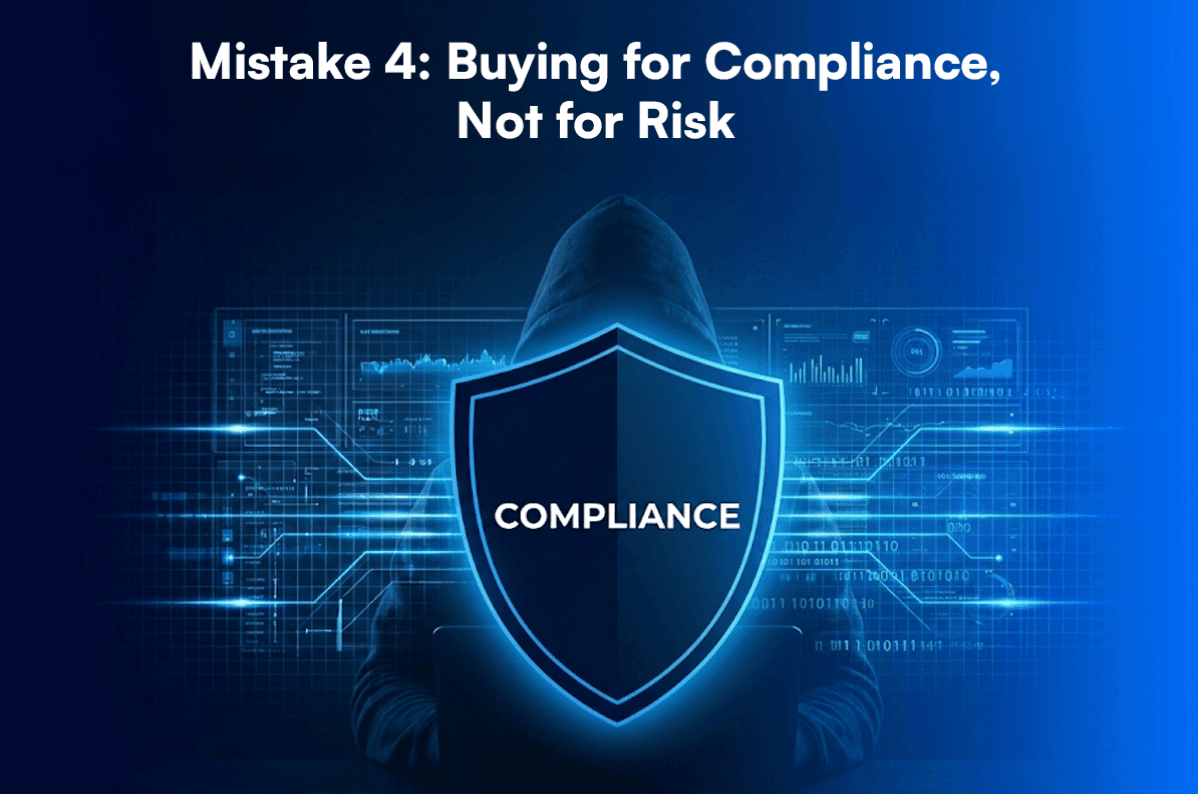
But if your strategy begins and ends with “pass the audit,” you are thinking too narrowly.
Attackers do not care about your compliance certificate.
They care about your exposed APIs, your misconfigured cloud storage, your forgotten admin panels.
Security leaders who buy only for compliance often discover gaps between audit success and real-world resilience.
The smarter approach is to treat compliance as a baseline, not a finish line.
When pentesting is continuous, collaborative, and embedded in development, compliance becomes easier. Evidence is always ready. Reports are always current.
Security posture improves as a side effect of doing the right things daily.
Mistake 5: Ignoring Developer Experience
Security decisions often happen at the executive level.
But remediation happens at the developer level.
If your pentesting partner creates friction for engineers, progress stalls.
Common pain points include:
- Findings delivered without reproduction steps
- Limited access to testers for clarification
- Delayed retesting after fixes
- Disconnected workflows from Jira or ticketing systems
When developers cannot engage easily, vulnerabilities linger.
Security leaders should evaluate how the testing provider interacts with engineering teams.
- Is there real-time communication?
- Are findings explained clearly?
- Can retests happen quickly without renegotiating scope?
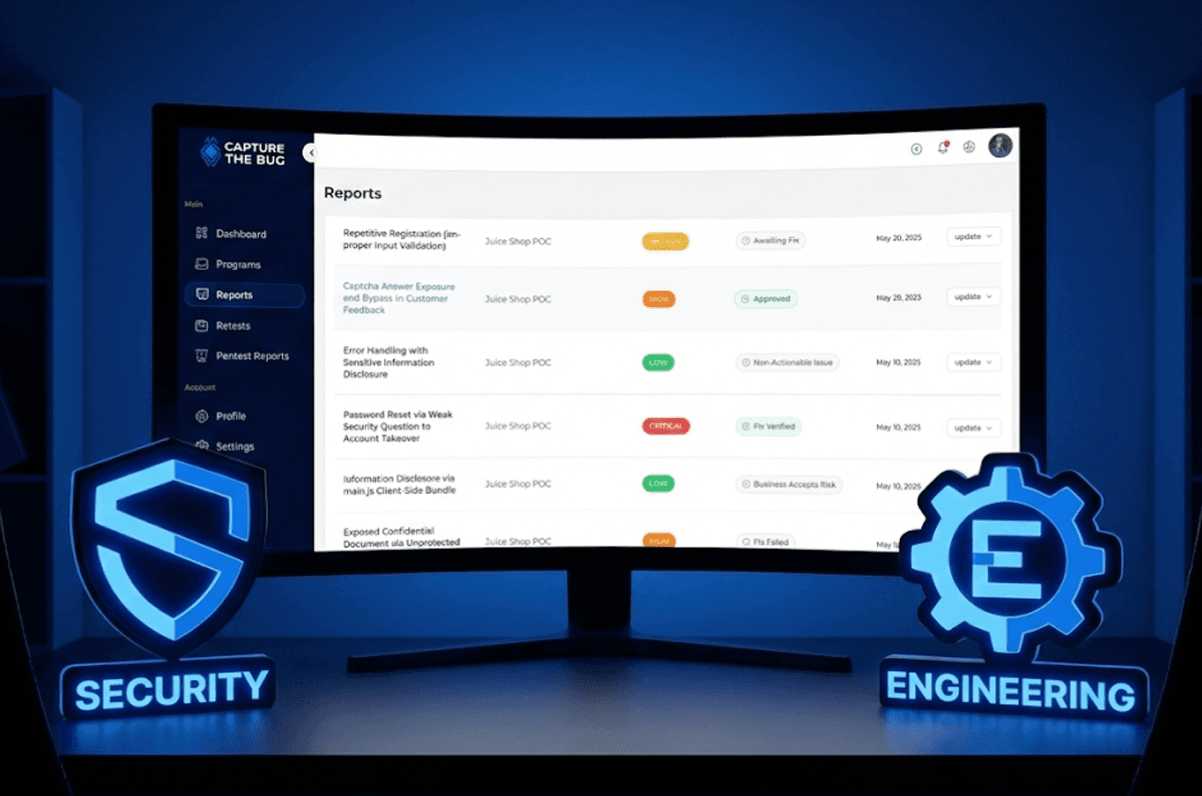
At Capture The Bug, collaboration is not an add-on. It is core to the platform. Developers and testers work inside the same environment. That alignment shortens remediation cycles dramatically.
Security that slows engineers will eventually be bypassed.
Security that supports them becomes part of culture.
Mistake 6: Underestimating Speed as a Security Metric
Time is the hidden variable in risk.
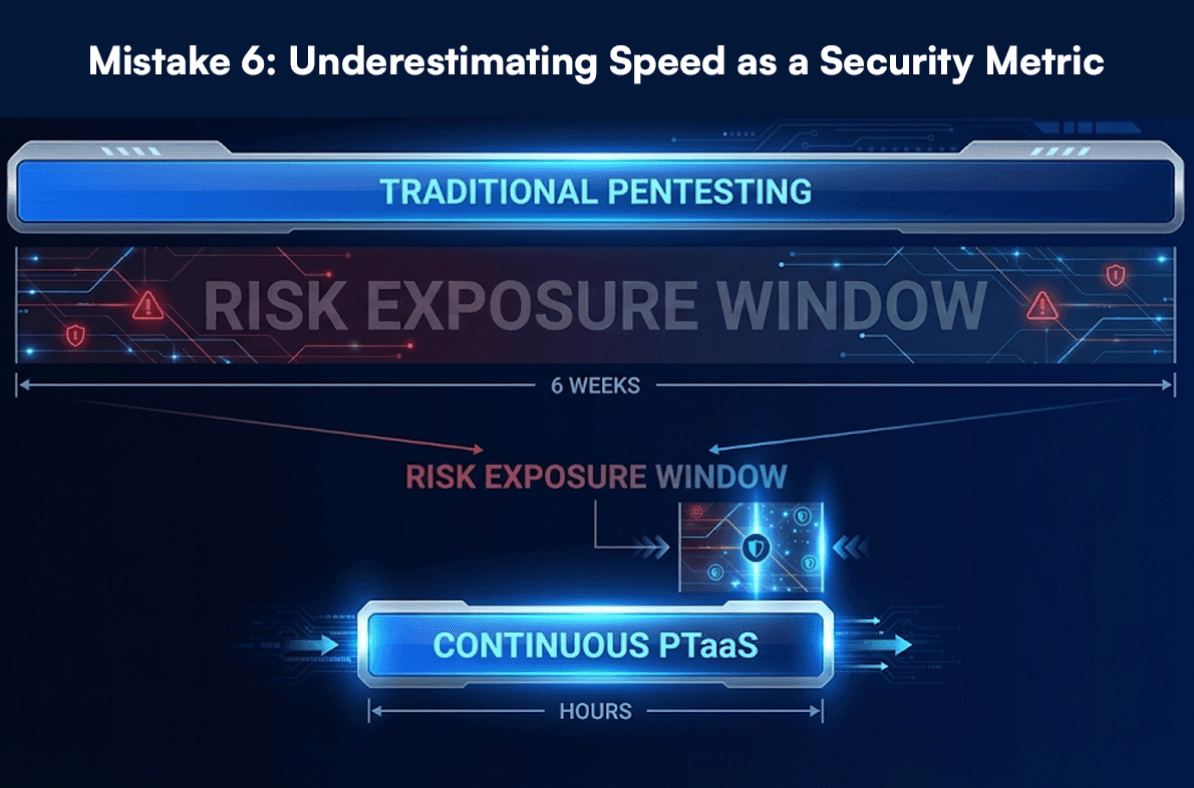
The longer a vulnerability exists in production, the greater the exposure.
Traditional pentesting models often look like this:
- Scope discussion
- Scheduling delay
- Two-week testing window
- Report compilation
- Remediation phase
- Paid retest
End-to-end, it can take four to six weeks.
In a modern SaaS environment, that is several release cycles.
Security leaders should measure:
- Time to first finding
- Time to remediation
- Time to validation
Continuous pentesting platforms reduce those timelines from weeks to hours.
Speed is not about convenience. It is about shrinking the window between discovery and closure.
And that window is where real risk lives.
Mistake 7: Choosing Brand Recognition Over Fit
Well-known vendors feel safe. Big names reduce perceived risk in procurement discussions.
But brand recognition does not guarantee the right model for your organization.
A large enterprise vendor may excel in global programs but feel rigid for a scaling startup. A bug bounty-focused platform may deliver broad discovery but lack structured compliance alignment.
Security leaders must ask a harder question:
Is this provider built for companies like ours?
For fast-moving SaaS teams, fintech startups, and growth-stage enterprises in ANZ and the US, agility matters. Real-time collaboration matters. Predictable pricing matters.
That is why many modern organizations are shifting toward PTaaS models that combine certified expertise with SaaS delivery.
The right partner is not the loudest.
It is the one aligned with your operational reality.
The Smarter Way to Buy Pentesting
Buying pentesting services should not feel like buying insurance. It should feel like strengthening a system.
A smarter evaluation framework includes:
- Alignment with your development speed
- Real-time visibility and collaboration
- Validated, prioritized findings
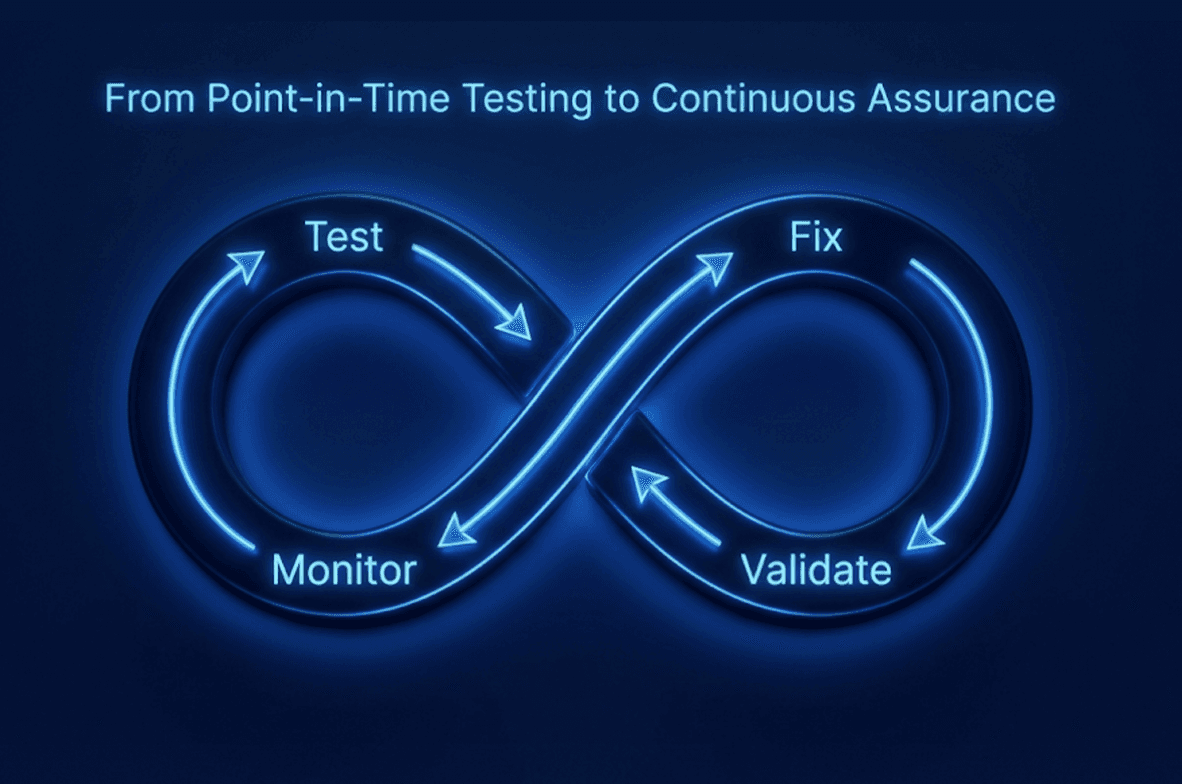
- Continuous testing options
- Clear compliance outputs
- Measurable ROI
When those elements come together, pentesting becomes more than an audit requirement. It becomes a strategic advantage.
At Capture The Bug, this is exactly what we aim to deliver. CREST-certified expertise combined with a continuous, transparent platform built for modern teams.
Not just a test.
A living security program.
Final Thoughts
Security leaders do not fail because they ignore risk.
They fail when they optimize for the wrong outcomes.
If you are buying pentesting to check a box, you will get a checked box.
If you are buying pentesting to reduce risk, you must look deeper.
The difference lies in how you define success.
Is it a finished report?
Or is it a continuously improving security posture that moves at the speed of your business?
The organizations that answer that correctly will not just pass audits.
They will build trust, close deals faster, and scale with confidence.
And that is the real return on security investment.
FAQ
1. What should security leaders look for when buying pentesting services?
They should prioritize real-time visibility, certified expertise, developer collaboration, and alignment with their release cycles rather than focusing only on price or PDF reports.
2. Why are traditional pentesting reports no longer enough?
Because they represent a point-in-time snapshot. Modern environments change daily, requiring continuous validation and live remediation tracking.
3. How does PTaaS improve ROI compared to traditional pentesting?
PTaaS reduces turnaround time, enables faster remediation, lowers retesting costs, and provides ongoing visibility instead of annual gaps.
4. Is compliance-driven pentesting sufficient for security?
No. Compliance is a baseline. Continuous testing and proactive risk management are required to stay ahead of real-world threats.
5. How does Capture The Bug approach modern pentesting differently?
Capture The Bug combines CREST-certified testers with a real-time PTaaS platform that enables continuous testing, live collaboration, and instant compliance-ready reporting.