Beyond Web Apps: The Importance of API and Mobile Application Penetration Testing
The Blind Spot in Modern Security Testing
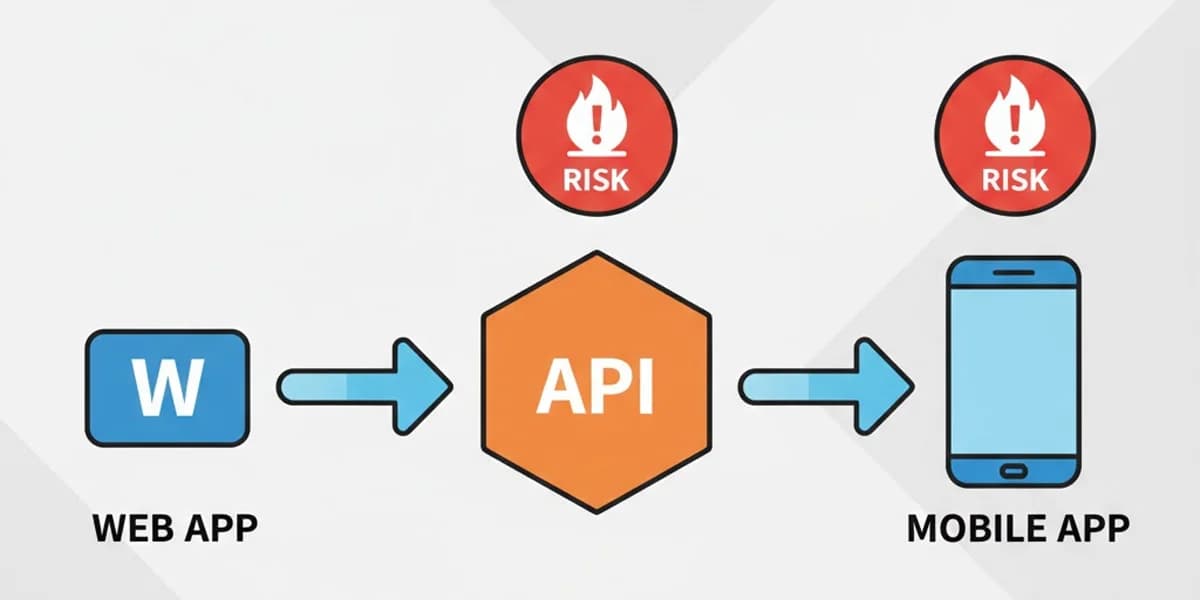
Most organisations still test their web apps - login forms, dashboards, admin panels - but stop there. The problem? In 2025, APIs and mobile apps carry more risk than web front ends ever did.
Modern ANZ businesses depend on interconnected systems: mobile-first experiences, microservices, third-party integrations, and cloud APIs powering everything from authentication to payments.
Yet when it comes to security testing, these critical layers often remain untested - or worse, assumed safe because the web app "passed." That assumption is wrong. And expensive.
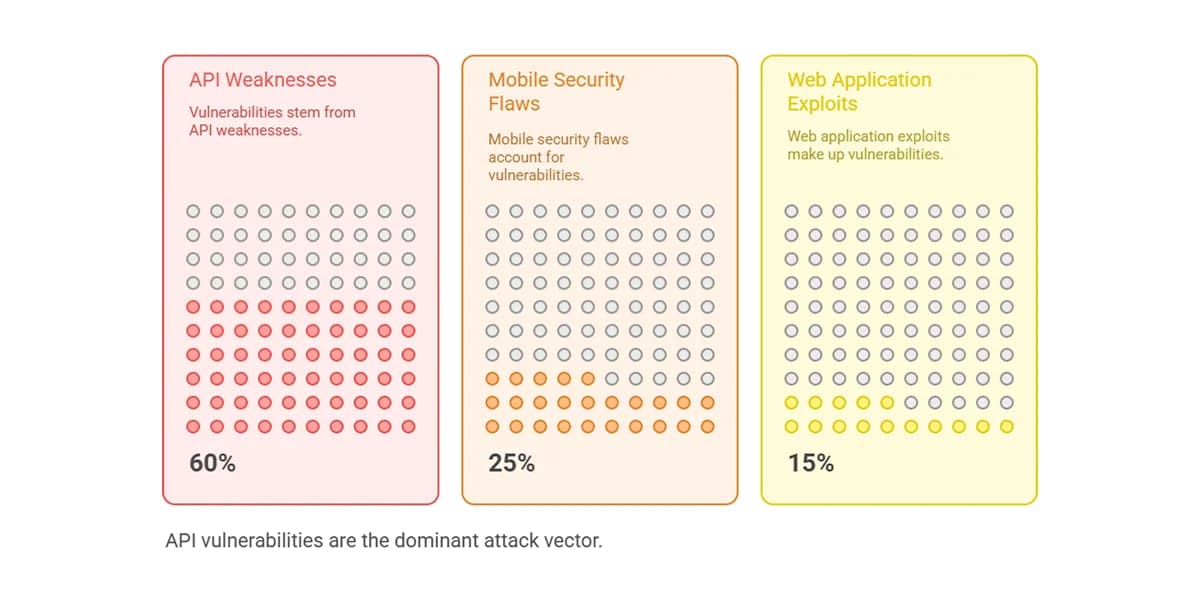
Why Attackers Have Moved Beyond Web Apps
Cybercriminals follow the data - and today, that data flows through APIs. According to Gartner, over 90 percent of web-enabled applications now expose APIs, and API-related breaches have increased 400 percent year over year.
APIs are irresistible targets because they often include:
- Authentication complexity: Misconfigured tokens or weak OAuth logic
- Over-permissive endpoints: Excess data exposure through verbose responses
- Unvalidated input: Payload injection that bypasses front-end controls
- Mobile dependency: One weak endpoint can compromise thousands of devices
In short: APIs are the new perimeter - and most ANZ enterprises don't realise how exposed they are until an incident.
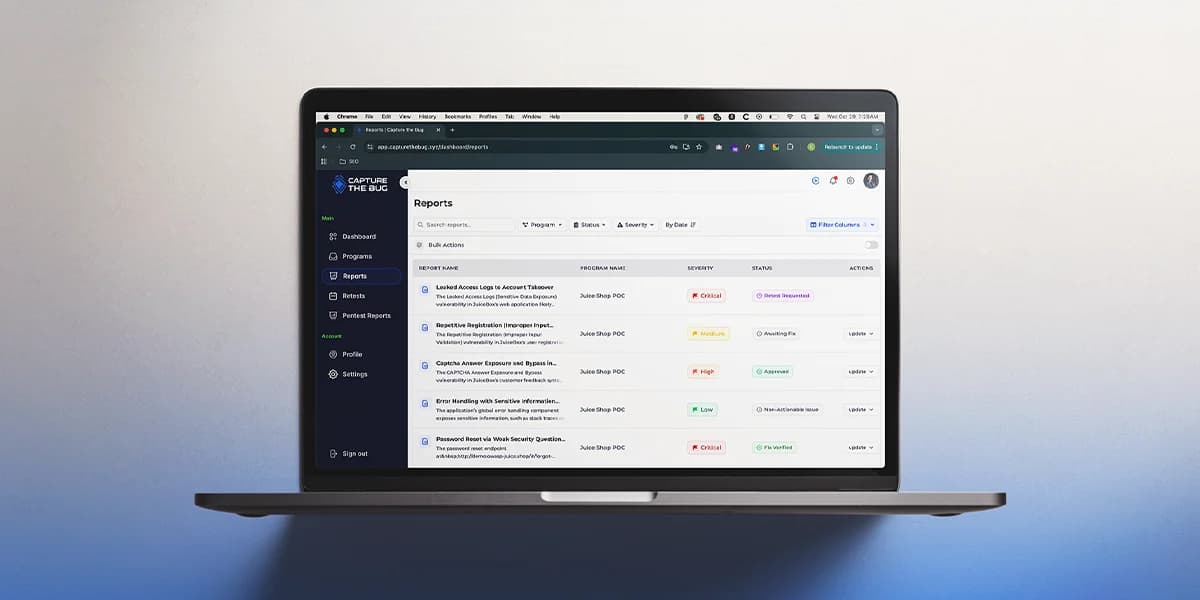
One platform to manage, track, and secure all your penetration tests.
Simplify your vulnerability management with Capture The Bug’s PTaaS platform where businesses and security experts collaborate seamlessly.
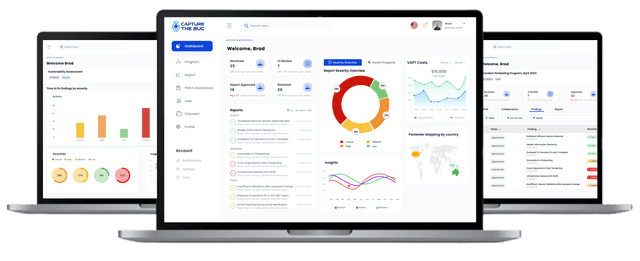
The Rise of API Pentesting
API penetration testing focuses on finding vulnerabilities within the interfaces connecting your systems - REST, GraphQL, SOAP, or custom microservices.
A proper API pentest doesn't just scan endpoints. It tests how your API behaves under real-world conditions:
- Authentication handling
- Input validation
- Rate-limit logic
- Chained-endpoint exploitation
Capture The Bug's PTaaS platform continuously tests APIs through CREST-certified human validation. You don't just get a report - you get live visibility into which endpoints are exposed, exploitable, and fixable right now.

Why Mobile Applications Need Their Own Pentests
Mobile applications introduce another layer of complexity. While your web app might sit behind layered firewalls, mobile apps live on untrusted devices - everywhere.
Attackers reverse-engineer your app, intercept API traffic, and harvest credentials or keys embedded in the code.
Common mobile vulnerabilities include:
- Insecure data storage (tokens, credentials saved locally)
- Weak encryption and hard-coded API keys
- Insecure communication channels
- Bypassed authentication flows via reverse engineering
Continuous mobile application penetration testing ensures both the app and its connected APIs remain secure - before users, auditors, or attackers find the weakness.

Experience Capture The Bug Platform
Streamline your security testing with our PTaaS platform. Collaborate with expert testers, track vulnerabilities, and secure your applications effortlessly.
PTaaS: Continuous Assurance Across Web, API and Mobile
Traditional pentests happen once or twice a year. By the time you fix one issue, five new updates have shipped. That's where Pentesting as a Service (PTaaS) changes the game.
Platforms like Capture The Bug's CREST-certified PTaaS provide:
- Continuous Pentesting - test every API, app and mobile release continuously
- Real-Time Vulnerability Reporting - see findings live
- Human Validation - no false positives
- CI/CD Integration - plug directly into releases
- Compliance-Ready Exports - ISO 27001, SOC 2, PCI-DSS on demand
It's not a static engagement; it's an always-on system for continuous assurance.

Real-World Example: The API You Forgot to Secure
A fintech client in New Zealand built a secure customer portal protected by MFA and encryption. But their mobile API - used by the same customers - had an undocumented "/admin" endpoint that bypassed authentication entirely.
Within minutes, Capture The Bug's PTaaS testers found, validated, and patched it. No breach. No brand damage. Just a critical save thanks to continuous pentesting visibility.
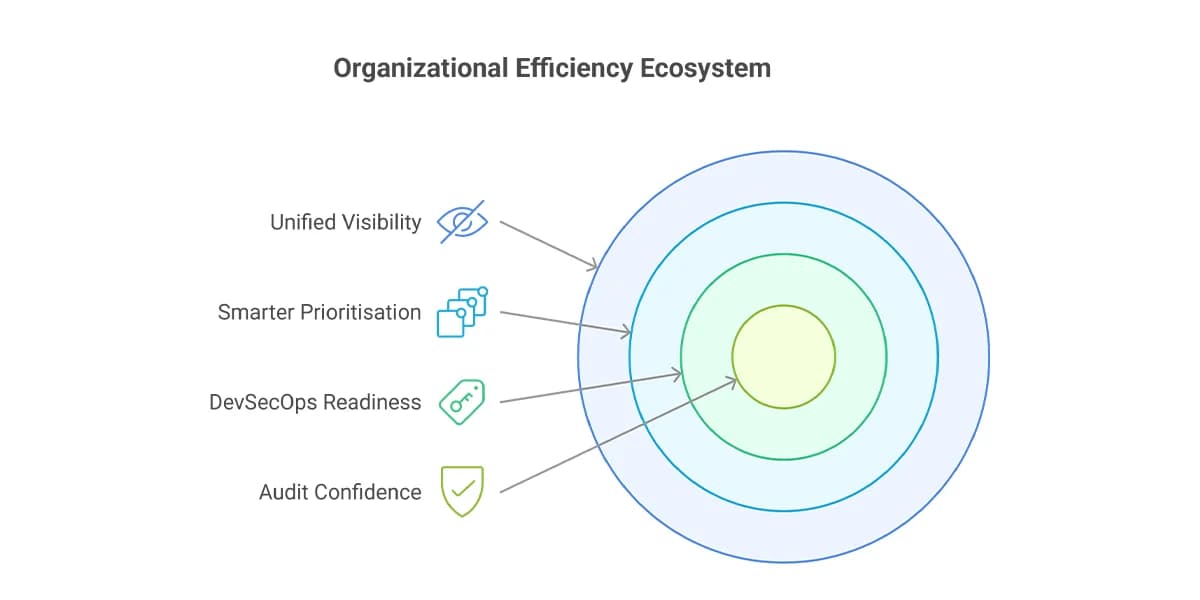
How CISOs and DevOps Teams Benefit
1. Unified Visibility
All web, API and mobile vulnerabilities appear in one dashboard.
2. Smarter Prioritisation
PTaaS quantifies risk by exploitability and business impact, not noise.
3. DevSecOps Workflow Ready
CI/CD integrations automate testing for every build.
4. Audit Confidence
Generate CREST-certified, ANZ-ready compliance reports instantly.
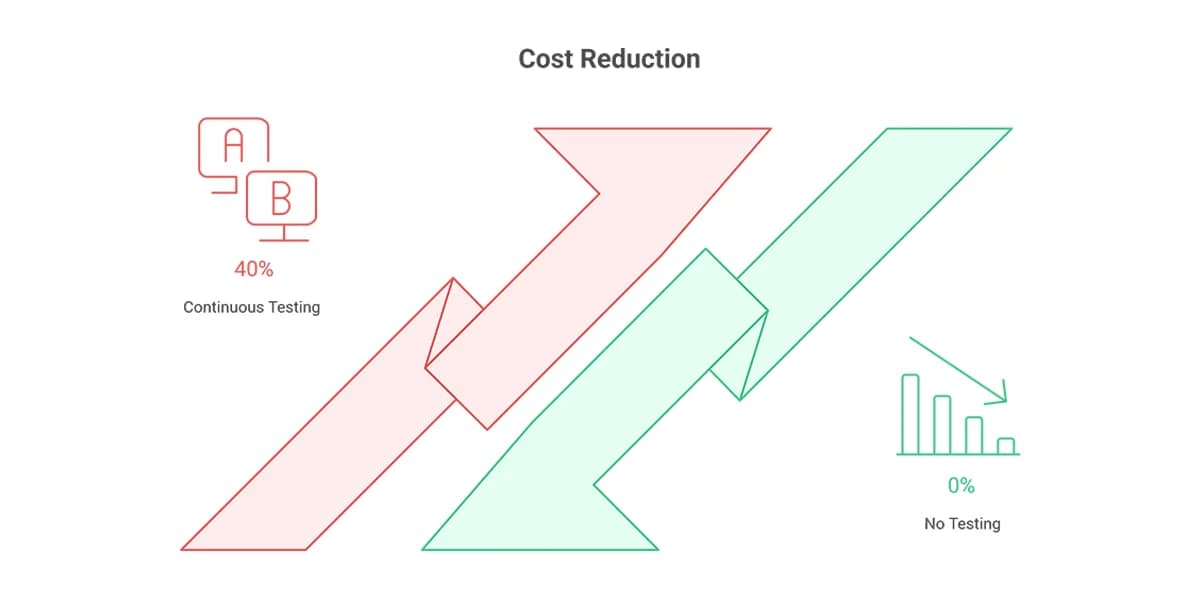
The Hidden ROI of Testing Beyond Web Apps
Expanding scope to APIs and mobile apps delivers measurable ROI:
- Prevent multi-million-dollar breaches
- Shorten incident response by 60 percent
- Cut redundant audits through live evidence
- Boost developer productivity with actionable fixes
CISOs across ANZ using PTaaS report stronger security and faster releases - a competitive advantage in regulated markets.
How Capture The Bug Leads in API and Mobile Pentesting
Capture The Bug's PTaaS platform blends CREST-certified expertise with real-time intelligence to secure every surface your users touch - browsers, APIs and devices.
What Sets It Apart:
- Specialised modules for REST, GraphQL and mobile frameworks
- AI-assisted recon for hidden endpoint mapping
- Verified human exploitation and remediation guidance
- Continuous testing without PDF delays or retainer fatigue
It's the next evolution of cybersecurity testing for SaaS in ANZ - built for teams that deploy daily, not quarterly.
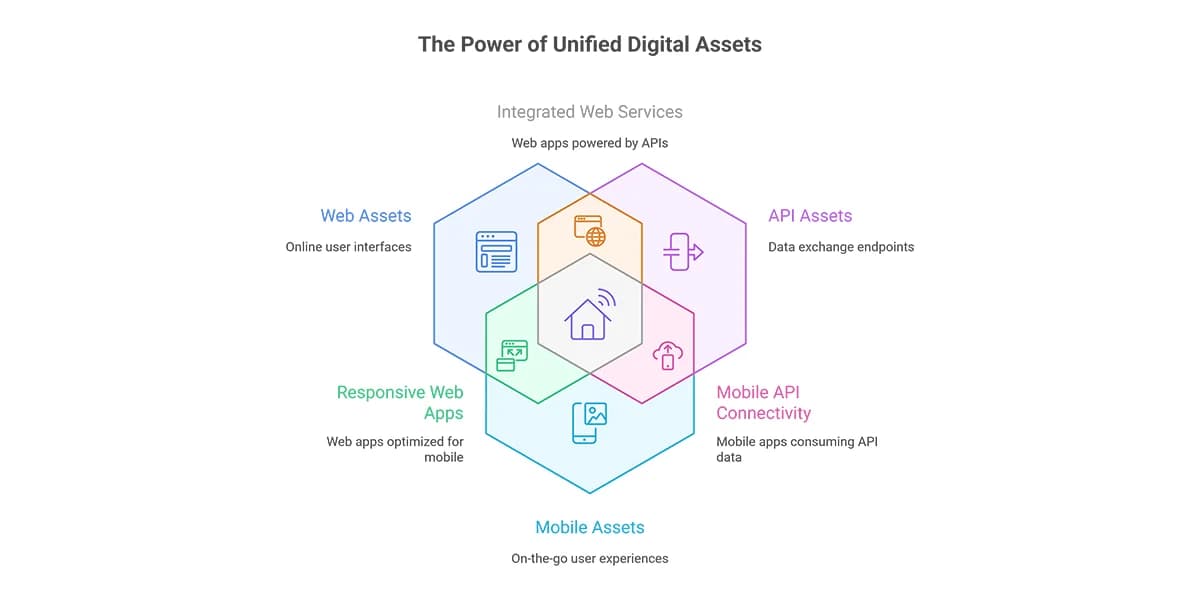
The Future: Unified, Continuous and Context-Aware
As ANZ organisations shift toward microservices and hybrid architectures, testing silos will disappear. CISOs will expect one system validating web, API and mobile layers in real time.
That's the promise of continuous pentesting through PTaaS - not just finding vulnerabilities, but maintaining trust through constant validation.
Final Thoughts
Attackers don't care where your data lives - only where your defences are weakest. If your pentesting stops at the browser, your real business logic remains unguarded.
By expanding testing beyond web apps to APIs and mobile platforms and by adopting a CREST-certified PTaaS platform like Capture The Bug, you gain the visibility modern ANZ enterprises need - continuously. Because in 2026, security isn't a project. It's a living process.
Frequently Asked Questions
1. Why are APIs more vulnerable than web applications?
APIs often expose authentication complexity, over-permissive endpoints, and unvalidated inputs that bypass front-end security controls. They process sensitive data without the visual safeguards of traditional web interfaces.
2. What makes mobile app pentesting different from web testing?
Mobile apps run on untrusted devices and can be reverse-engineered. Testing must cover insecure local storage, hard-coded keys, weak encryption, and API traffic interception - threats that don't exist in traditional web testing.
3. How does PTaaS differ from traditional pentesting?
PTaaS provides continuous, real-time testing integrated with your development pipeline, rather than annual or quarterly reports. It combines automation with human validation for ongoing assurance across all platforms.
4. What ROI can ANZ businesses expect from comprehensive pentesting?
Organisations report preventing multi-million-dollar breaches, reducing incident response time by 60 percent, eliminating redundant audits, and accelerating secure development cycles.
5. How does Capture The Bug support API and mobile testing?
Through CREST-certified PTaaS that delivers continuous testing of REST, GraphQL, and mobile frameworks with AI-assisted recon, human validation, and real-time dashboards - all integrated with your CI/CD pipeline.
About Capture The Bug
Capture The Bug is New Zealand's home-grown PTaaS platform, combining CREST-certified expertise with continuous vulnerability management. Built for modern engineering teams, it delivers live dashboards, instant retests, and measurable assurance - replacing static reports with real-time visibility across web, API, and mobile surfaces.
Learn more: capturethebug.xyz