Why SOC 2 Is Now a Growth Milestone for Australian Startups
Across Australia, startups are scaling faster than ever. SaaS founders in Sydney, fintech teams in Melbourne, and healthtech innovators in Brisbane are building global products from day one.
But growth today comes with scrutiny.
Enterprise customers, regulators, and investors are no longer satisfied with “we take security seriously.” They want evidence. They want structure. They want validation.
That is why SOC 2 has quietly shifted from optional to expected.
At Capture The Bug, we see this pattern repeatedly. A startup gains traction, begins speaking with larger clients, and then security due diligence begins. That is when the real test starts.
Let’s break down what SOC 2 actually means, why Australian startups should prioritize it early, and how to approach it strategically.
SOC 2 Explained in Plain Language
SOC 2 is a security compliance framework developed by the American Institute of Certified Public Accountants.
Its purpose is simple: help organizations prove they protect customer data effectively.
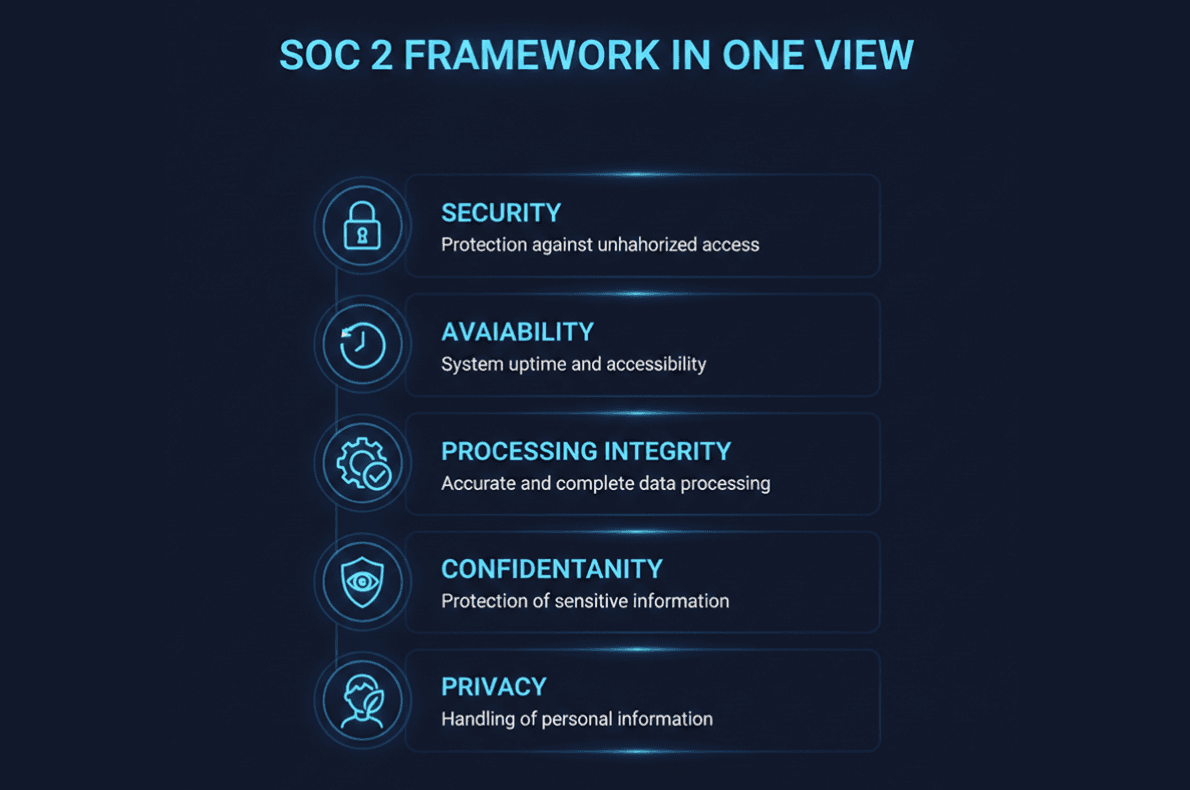
It is built around five Trust Services Criteria:
- Security: Protecting systems against unauthorized access.
- Availability: Ensuring systems are operational and reliable.
- Processing Integrity: Making sure systems process data accurately and consistently.
- Confidentiality: Safeguarding sensitive business information.
- Privacy: Handling personal data responsibly and transparently.
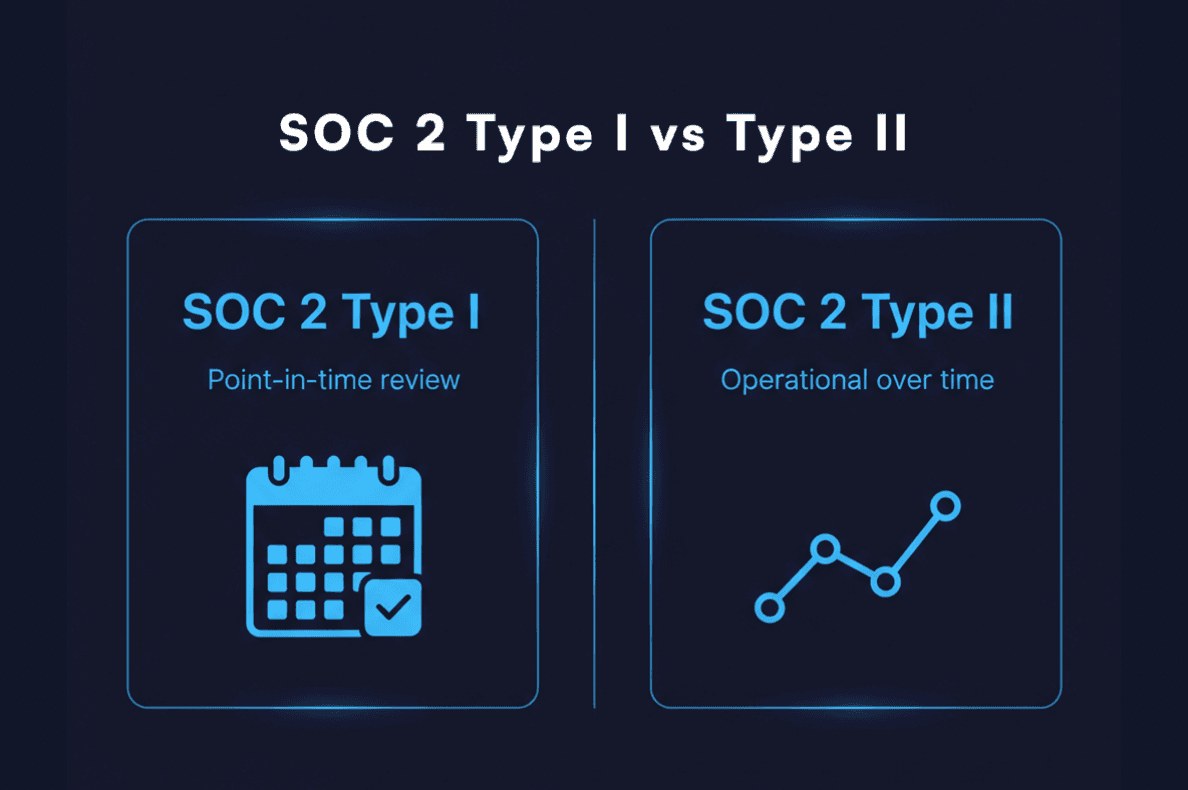
There are two primary report types:
- Type I confirms that your controls are designed properly at a specific point in time.
- Type II confirms that those controls operate effectively over a defined period, typically three to twelve months.
For startups, Type I often serves as the entry point. Type II becomes the long-term trust signal.
SOC 2 is not about perfection. It is about discipline and evidence. Can you show that your security processes are documented, implemented, and tested?
If yes, enterprise buyers move forward with confidence.
Why Australian Startups Should Not Delay SOC 2
There is a common misconception that SOC 2 is only relevant for large enterprises. That is no longer true.
Today, even early-stage SaaS companies are asked for proof of compliance.
Here is what happens in real life.
A Series A startup is negotiating with a US enterprise customer. Legal and procurement teams get involved. A security questionnaire arrives. One line stands out:
“Please provide your SOC 2 report.”
If the answer is no, the deal slows down. Sometimes it collapses entirely.
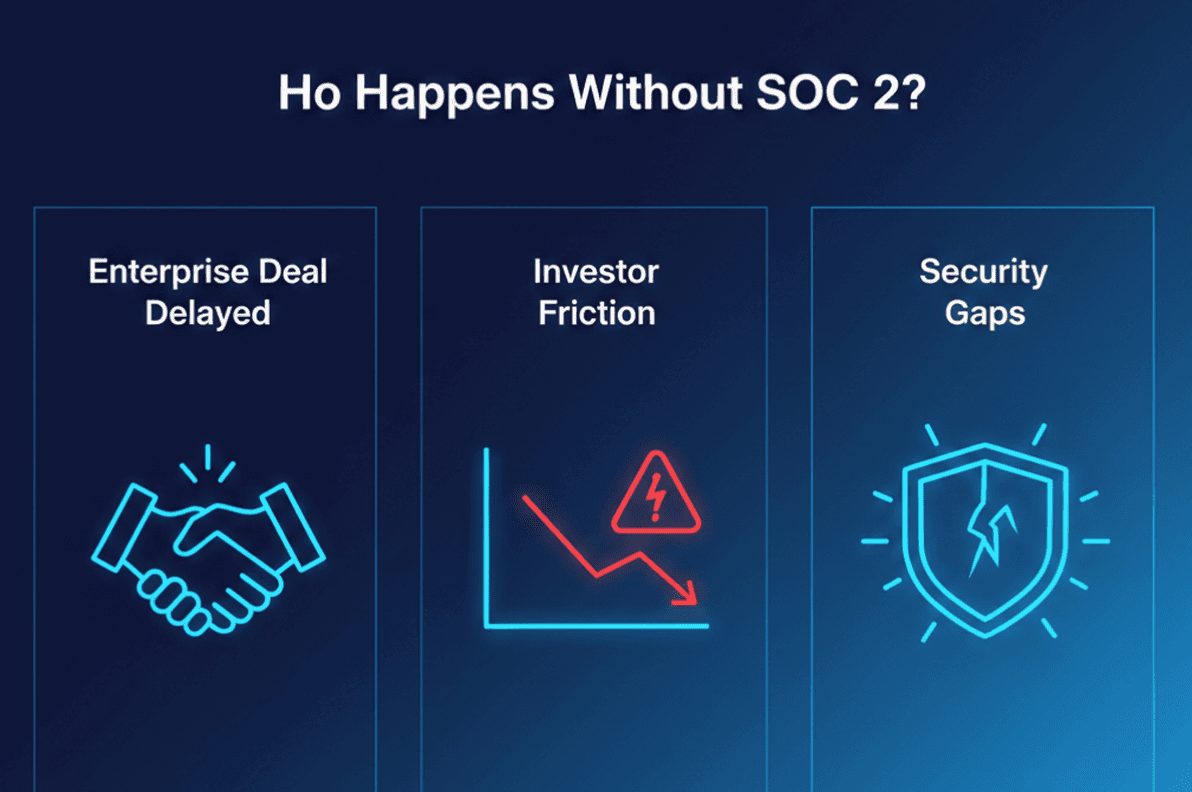
Startups that postpone SOC 2 face three clear risks.
1. Enterprise Sales Cycles Stall
Large customers rarely compromise on security standards. Without SOC 2, procurement teams escalate risk concerns. Your sales team spends months answering questionnaires manually.
With SOC 2 in place, you shorten that process dramatically.
2. Investors Expect Governance
Modern investors look beyond product growth. They evaluate operational maturity, governance, and risk management.
SOC 2 signals that your company has structured internal controls and documented processes. It demonstrates discipline at scale.
For startups preparing for global expansion, that matters.
3. Security Gaps Multiply Quietly
When teams scale quickly, informal processes break down.
Access permissions are not reviewed. Logging is inconsistent. Incident response plans exist only in Slack threads.
SOC 2 forces you to formalize and document what should already exist. That structure prevents small weaknesses from becoming major incidents.
Why SOC 2 Matters Specifically in Australia
Some founders assume that compliance requirements are primarily US-driven.
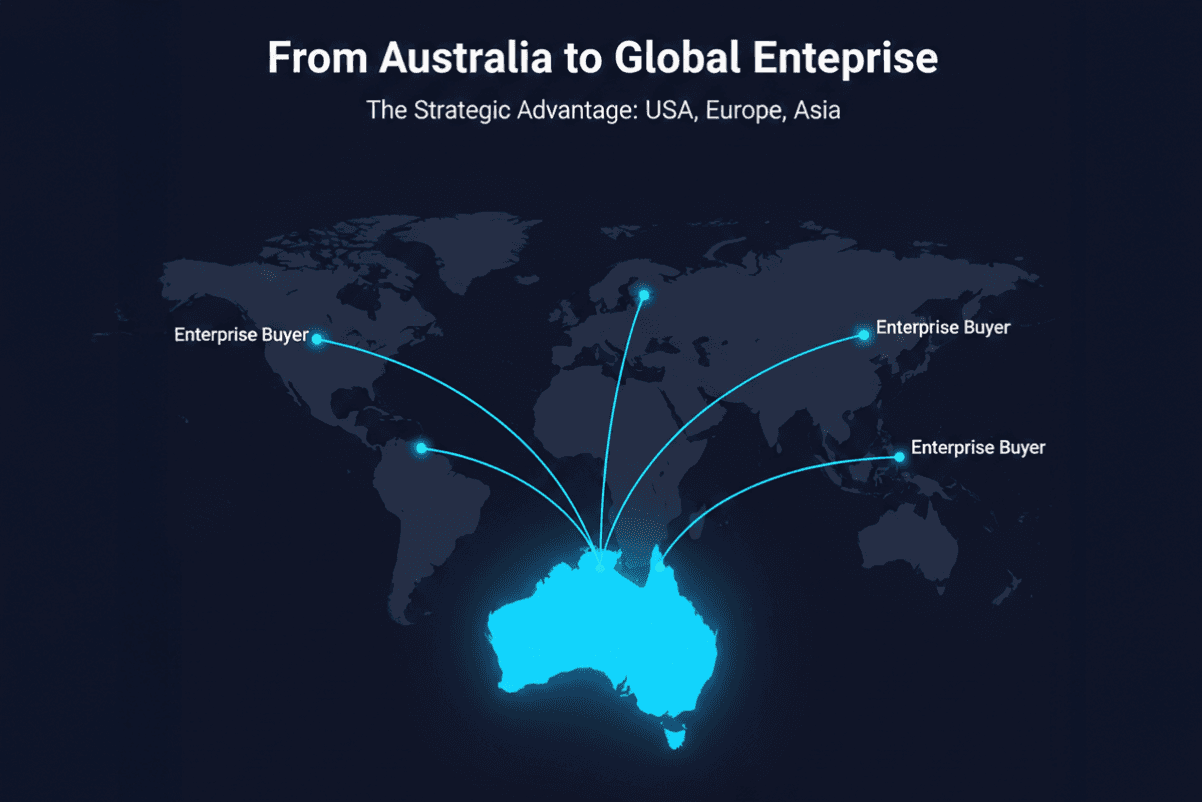
However, Australian startups are increasingly global from day one.
Global Buyers Expect Global Standards
Whether you are selling to the United States, Europe, or Asia-Pacific markets, SOC 2 is widely recognized. It acts as a common security language between vendors and enterprise customers.
Even if you comply with Australian regulations, international buyers often request SOC 2 because it is standardized and familiar.
Enterprise Clients in ANZ Are Raising Standards
Australian enterprises are strengthening their vendor security requirements. Security questionnaires are becoming more rigorous. Documentation expectations are higher.
SOC 2 simplifies those conversations.
Scaling Rapidly Increases Operational Risk
Australia’s startup ecosystem encourages rapid growth. More customers mean more data. More integrations mean more exposure.
SOC 2 provides a structured framework to manage that complexity responsibly.
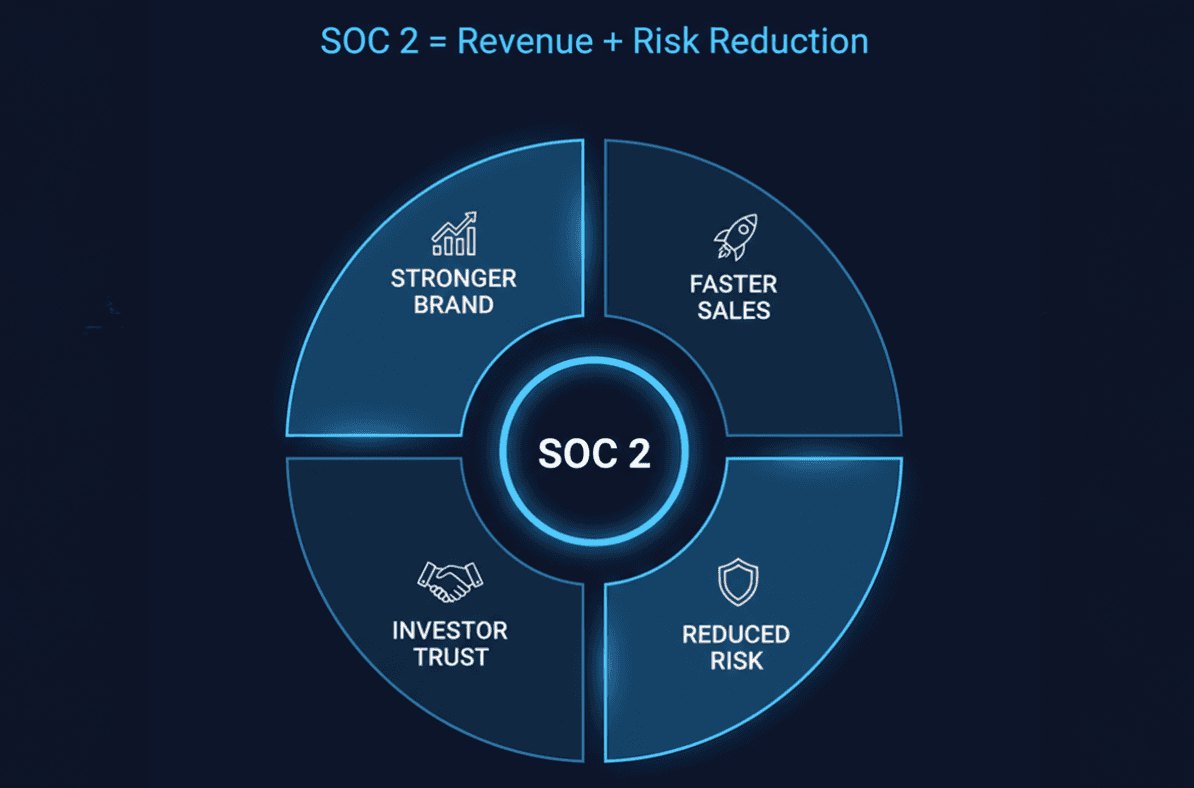
The Business Case: Real ROI from SOC 2
Compliance should never be viewed as a pure expense. When approached strategically, SOC 2 delivers measurable returns.
- Faster Enterprise Deals: Instead of repeatedly filling out custom questionnaires, you provide a standardized report. That reduces friction and accelerates procurement.
- Reduced Internal Chaos: Clear policies around access control, change management, and incident response reduce ambiguity. Teams know what to do and when to do it.
- Stronger Brand Credibility: Trust influences buying decisions. When two vendors offer similar functionality, the one with documented security maturity often wins.
- Improved Risk Awareness: SOC 2 requires ongoing monitoring and review. That encourages proactive identification of weaknesses before attackers do.
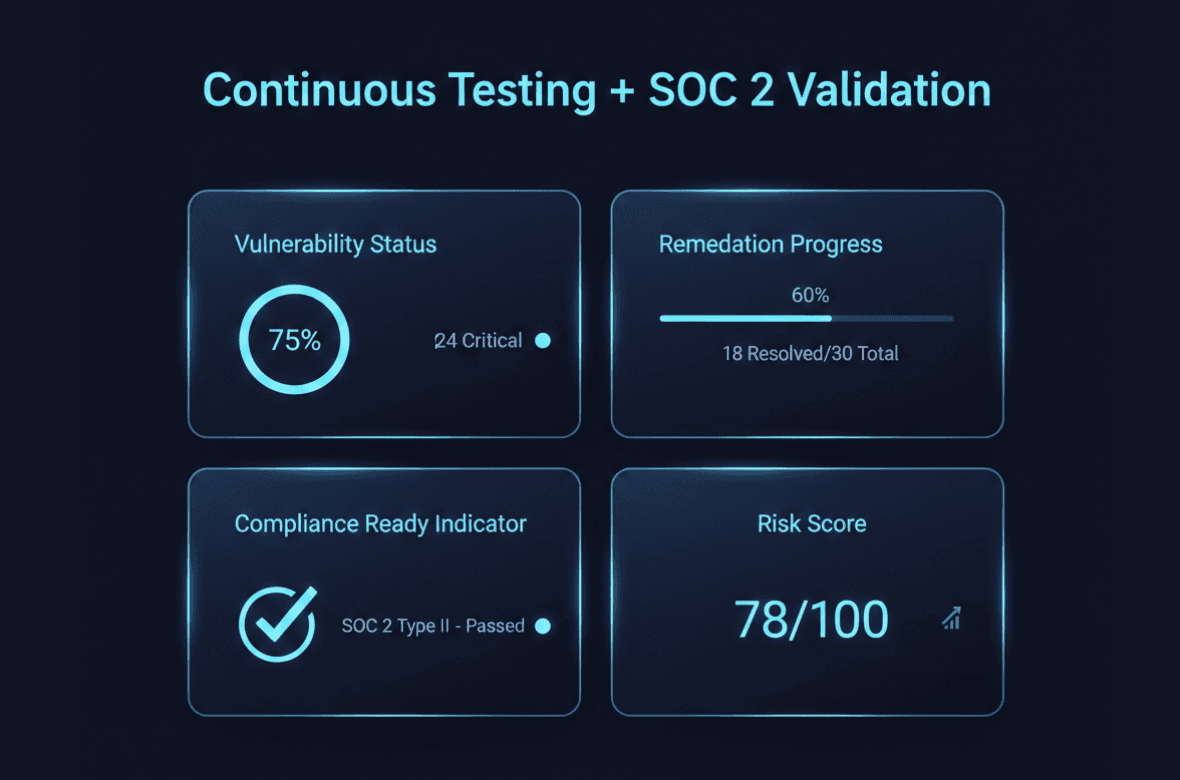
At Capture The Bug, we often see startups pair SOC 2 preparation with continuous penetration testing. Compliance frameworks define what should exist. Testing validates whether it actually works.
Without testing, compliance becomes theoretical. With structured security validation, it becomes real assurance.
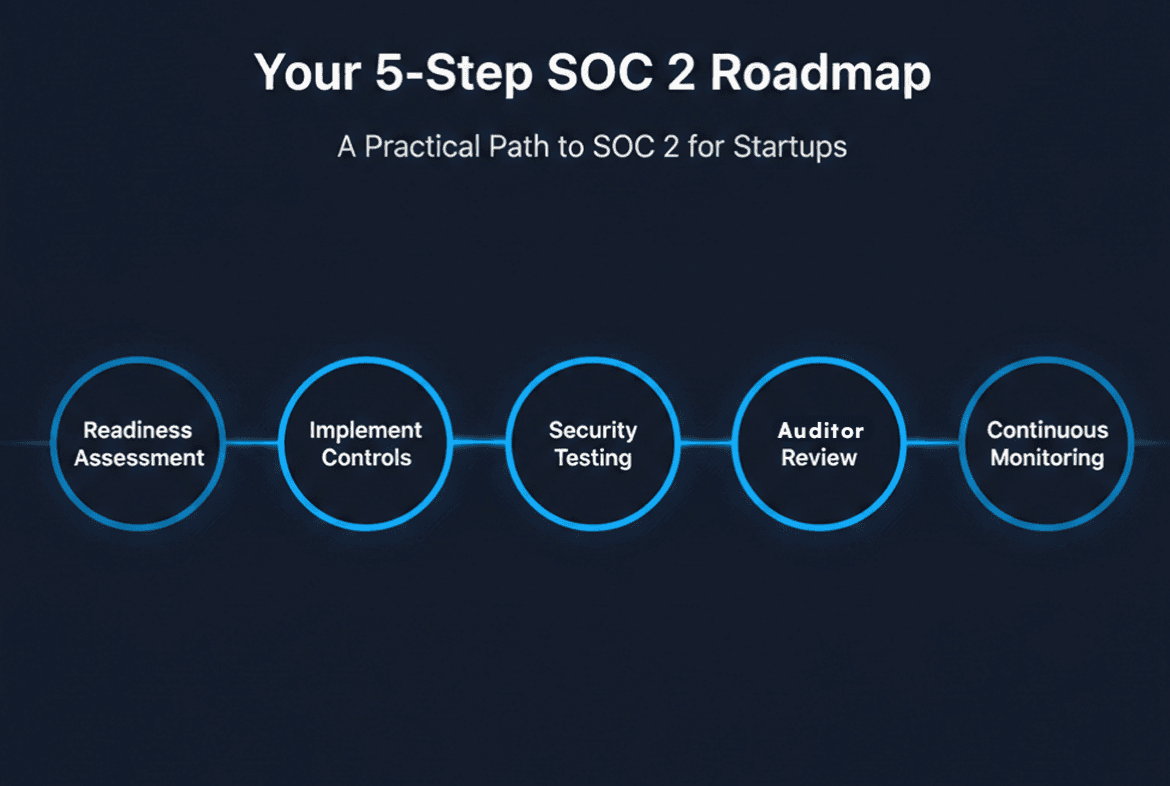
A Practical Path to SOC 2 for Startups
SOC 2 can seem overwhelming. It becomes manageable when broken into steps.
Step 1: Conduct a Readiness Assessment
Identify current gaps against the Trust Services Criteria. Focus on areas relevant to your business model. A SaaS handling customer data will prioritize encryption, access management, and monitoring.
Step 2: Formalize and Implement Controls
Document policies clearly and practically. Focus on:
- Access management
- Change management
- Incident response
- Vendor risk management
- Data handling procedures
This is about clarity, not bureaucracy.
Step 3: Validate Controls Through Security Testing
Controls must be tested, not just documented.
Capture The Bug supports startups by conducting structured penetration testing aligned with SOC 2 expectations. Ongoing testing ensures that vulnerabilities are identified and resolved during the audit period, not after.
Step 4: Select an Experienced Auditor
Choose an auditor who understands the realities of startup environments. The process should be collaborative and structured, not adversarial.
Step 5: Treat SOC 2 as Continuous
SOC 2 is not a one-time achievement. It requires ongoing monitoring, documentation, and testing. Companies that treat it as an evolving discipline gain lasting benefits.
Build Trust Before It Is Requested
The strongest startups do not pursue SOC 2 reactively. They implement it before a large deal forces the issue.
That proactive mindset changes negotiations.
Instead of explaining why you do not have compliance, you present structured evidence. Instead of scrambling during due diligence, you provide clarity immediately.
SOC 2 is not about satisfying auditors. It is about protecting customer trust and enabling sustainable growth.
For Australian startups competing on a global stage, it has become a foundational milestone.
The question is not whether you will need SOC 2.
The question is whether you will be prepared before it becomes urgent.
FAQ
1. What is SOC 2 compliance?
SOC 2 is a security compliance framework that verifies an organization’s controls around data protection, availability, confidentiality, processing integrity, and privacy.
2. Do Australian startups need SOC 2?
Yes. If they serve enterprise clients or plan international expansion, SOC 2 strengthens credibility and reduces sales friction.
3. What is the difference between SOC 2 Type I and Type II?
Type I evaluates control design at a specific time. Type II evaluates how effectively those controls operate over several months.
4. How long does SOC 2 take for a startup?
Preparation may take several months depending on existing controls. Type II requires an observation period before the final report is issued.
5. How does penetration testing support SOC 2?
Penetration testing validates that security controls function properly in real-world scenarios, strengthening audit readiness and reducing operational risk.