Introduction: Why Payment Gateway Testing Matters in 2025
Every company that moves money online depends on a simple truth. A customer must feel safe when paying, and the business must trust its own payment flow. That trust is easy to lose and not always easy to rebuild. In 2025, the complexity of modern payment systems has increased and attackers have become smarter about finding gaps in integrations, redirects, and transaction logic.
Capture The Bug works with companies across SaaS, fintech, and e-commerce. The team has seen one consistent pattern. Payment failures rarely come from one big technical flaw. They come from a mix of small oversights that combine into a larger exposure. This guide is written for founders, CTOs, and security leaders who want clarity about how payment systems can be tested well and protected with confidence.
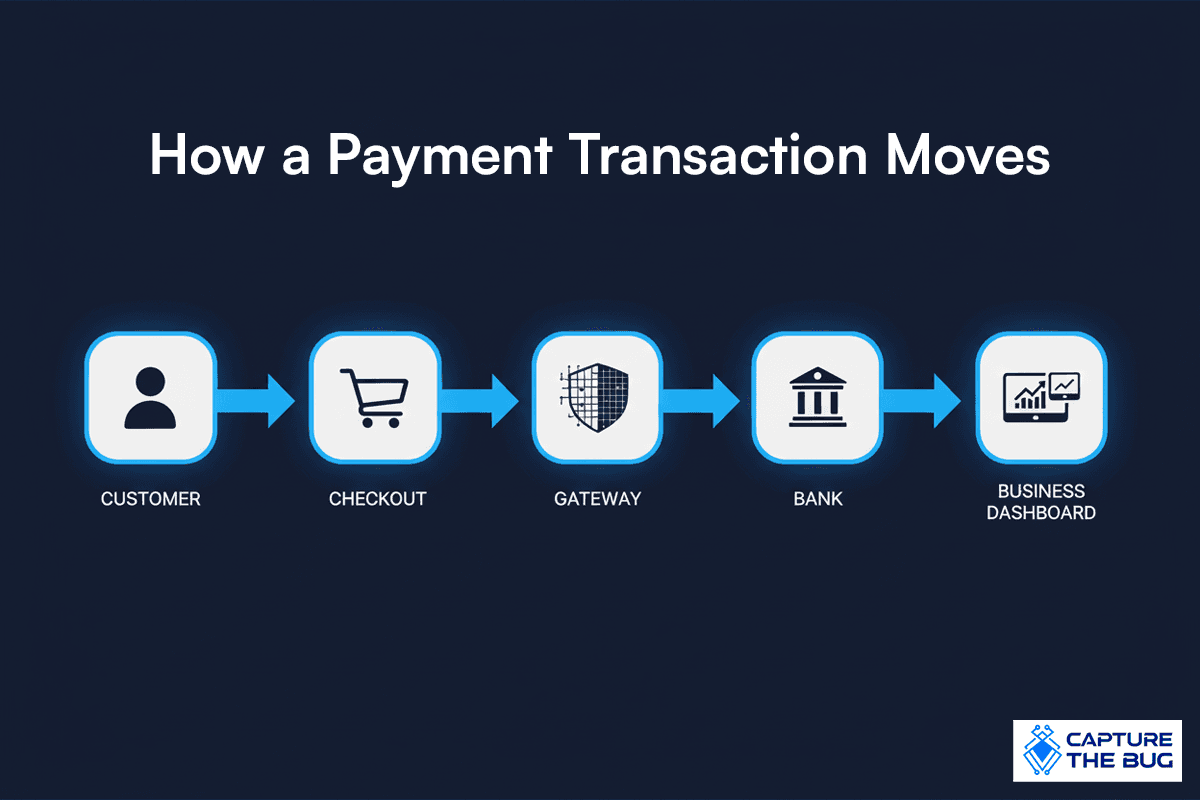
What Payment Gateway Testing Really Means
Payment gateway testing is not the same as general application testing. It is a detailed evaluation of how a transaction moves from the customer to the processor and back to the business. It examines every state in that journey so no hidden opportunity exists for tampering, underpayment, fraud, or data leakage.
A complete approach validates the following:
- How the checkout flow behaves under normal and unexpected conditions
- How sensitive data is handled in transit and at rest
- How third party services, plugins, or scripts influence transactions
- How tokens, session identifiers, and request signatures behave
- How payment states move from created to captured and refunded
- How APIs treat repeat submissions, changed amounts, and expired sessions
- How error paths behave when things go wrong
A gateway is not secure until every link in that chain is tested with real-world scenarios in mind.
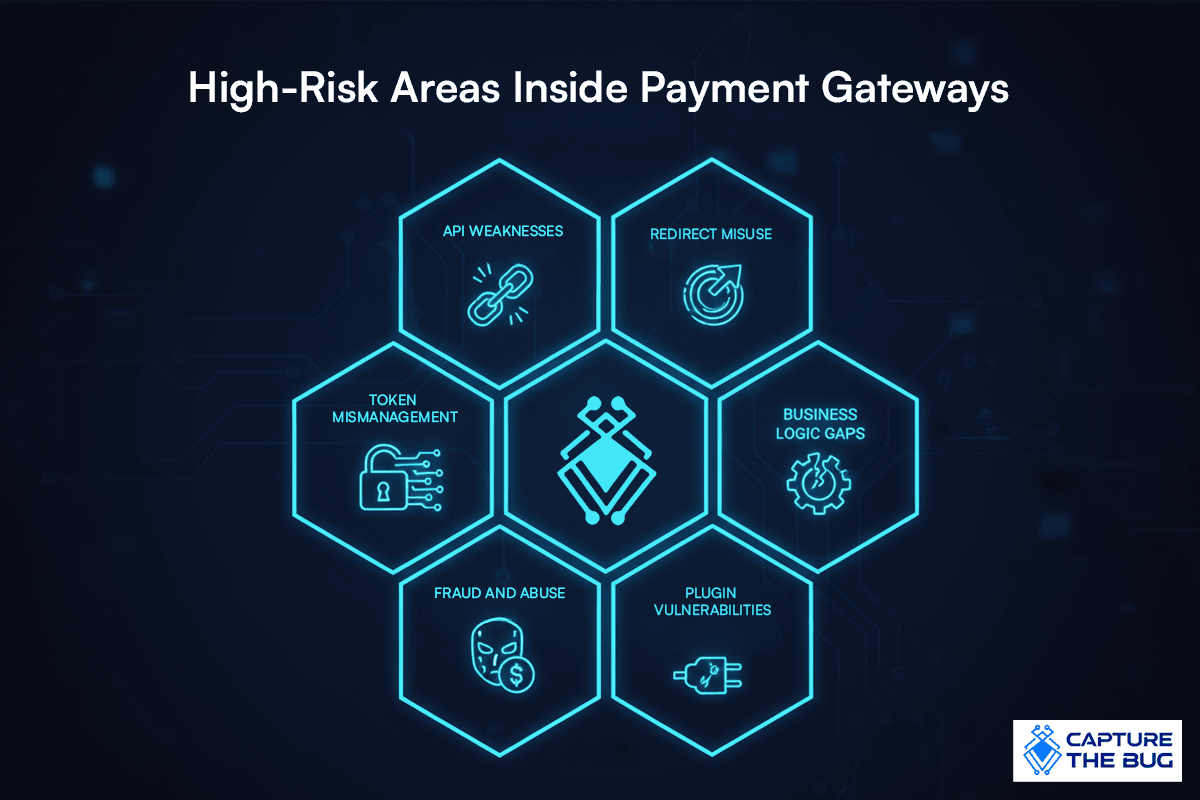
The Hidden Risks Inside Payment Gateways
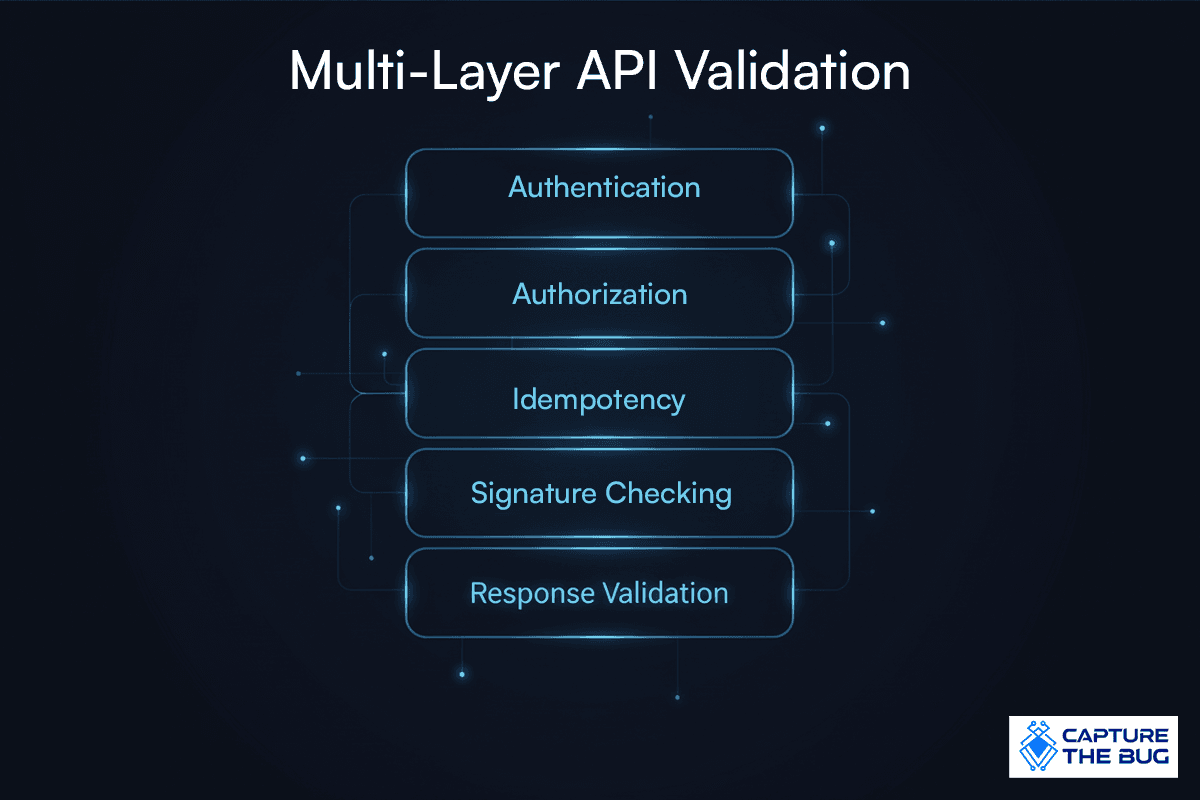
API Weaknesses
Modern gateways rely heavily on APIs. A payment request can be intercepted, replayed, or modified if token scope, idempotency, or signature checks are not handled carefully. Attackers often target these details instead of the main application.
Redirect Manipulation
Hosted payment pages reduce PCI burden but create opportunities for redirect misuse. Weak validation can send customers to fake payment pages or allow manipulated callback URLs that falsely confirm a payment.
Weak Token Behavior
Tokens are meant to protect card data, but poorly designed tokens can be reused, guessed, or applied to the wrong customer. Incorrect lifecycle management is one of the most common weaknesses.
Business Logic Gaps
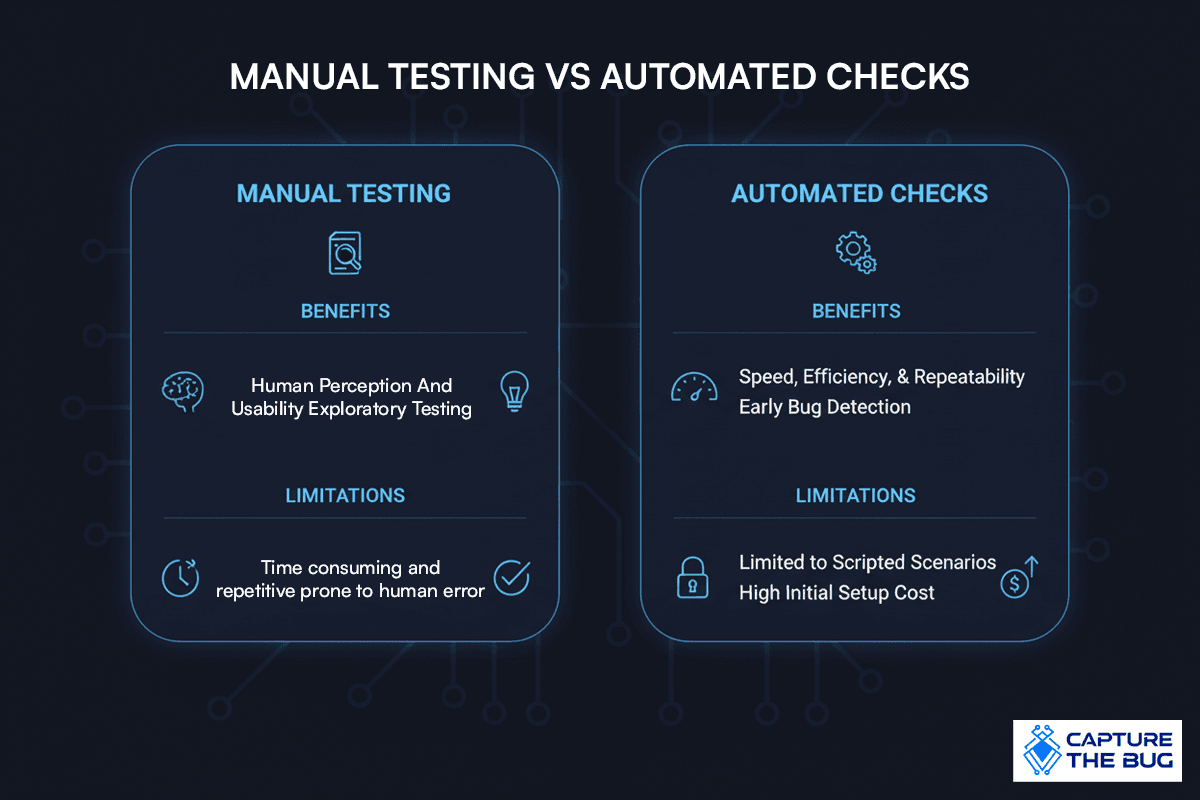
Business logic is where attackers become creative. They look for inconsistencies rather than code exploits. Examples include altering payment amounts, forcing multiple confirmations, tricking refund flows, or replaying specific requests. These issues can only be detected through human analysis and not through automated checks.
Plugin and Integration Risks
Many companies rely on third party plugins to connect their store or platform to a payment processor. Outdated or unmaintained plugins introduce risks that have nothing to do with the gateway itself.
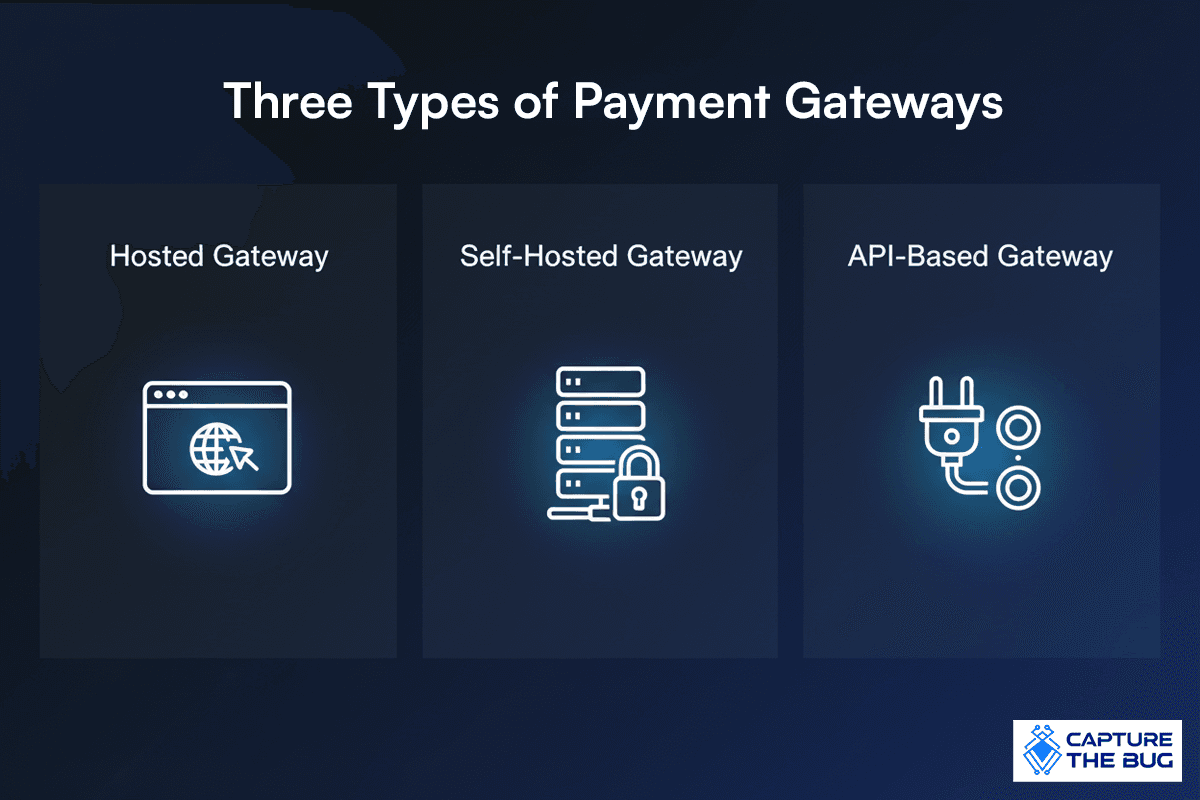
The Three Payment Gateway Models and Their Risks
Hosted Payment Gateways
These redirect customers to a secure external page. While the provider handles the payment form, you are responsible for the surrounding logic. That includes redirect validation, callback handling, state verification, currency checks, and acceptance of only expected parameters. Most failures in hosted gateways come from incorrect integration rather than from the provider.
Self-Hosted Payment Gateways
Enterprises sometimes handle payment details themselves. This gives full control but also creates full responsibility. Testing focuses on encryption practices, storage decisions, access control, key management, and secure data handling. It is the most flexible but also the highest risk model.
API-Integrated Gateways
Most growing SaaS and fintech companies prefer API-based gateways. These rely heavily on authentication, authorization, signature validation, anti-replay controls, and strict request handling. When problems occur, they usually arise from one subtle oversight within the API flow rather than a full breakdown.
How Payment Gateway Testing Differs from Normal Application Testing
Application testing checks whether a system can be compromised. Payment gateway testing checks whether money can be altered, redirected, reduced, duplicated, or refunded incorrectly.
Consider a simple example.
Application tests ask:
Can an attacker bypass login?
Payment gateway tests ask:
- Can an attacker reduce a payment amount before it reaches the processor?
- Can a user request a refund twice?
- Can a transaction be marked as successful with a forged callback?
The financial perspective changes the entire testing strategy.
What Comprehensive Payment Gateway Testing Looks Like
Capture The Bug follows a structured, real-world approach. It is designed for leaders who want clear insights, not complexity.
1. Mapping the Transaction Flow
Testing begins with a complete map of how payments work inside your system. This includes front end screens, browser behavior, API calls, secret management, callback endpoints, and communication with third party services. The goal is to understand what the system expects so testers can validate what happens when expectations break.
2. Threat Modeling the Flow
Every payment system has predictable risk points.
These include:
- Modified amounts
- Replay attempts
- Duplicate submissions
- Forced timeouts
- Forged callback requests
- Unexpected currency or region switches
Threat modeling identifies these risks before testing starts so the strategy aligns with real-world attack paths.
3. Manual Testing for Logic Risks
Automation will not find logic flaws. Manual testing allows experts to behave like determined attackers and test scenarios such as:
- Lowering a payment amount before confirmation
- Triggering double refunds
- Manipulating query parameters
- Bypassing currency enforcement
- Replaying webhook requests to force duplicate actions
- Accessing other customer receipts or invoices
Most high impact financial vulnerabilities live in this category.
4. API Testing and Behavior Validation
API-based gateways require careful testing of authentication, access scope, rate limits, idempotency, predictable identifiers, and response exposure. A gateway can be secure while an integration remains vulnerable due to loose handling of API behavior.
5. Data Protection Tests
Every payment system must protect sensitive data. Testing verifies encryption in transit, correct masking of logs, safe storage, strong session controls, and secure token handling. Many companies unintentionally expose parts of cardholder data through logs, error traces, or debugging features.
6. Fraud Control Testing
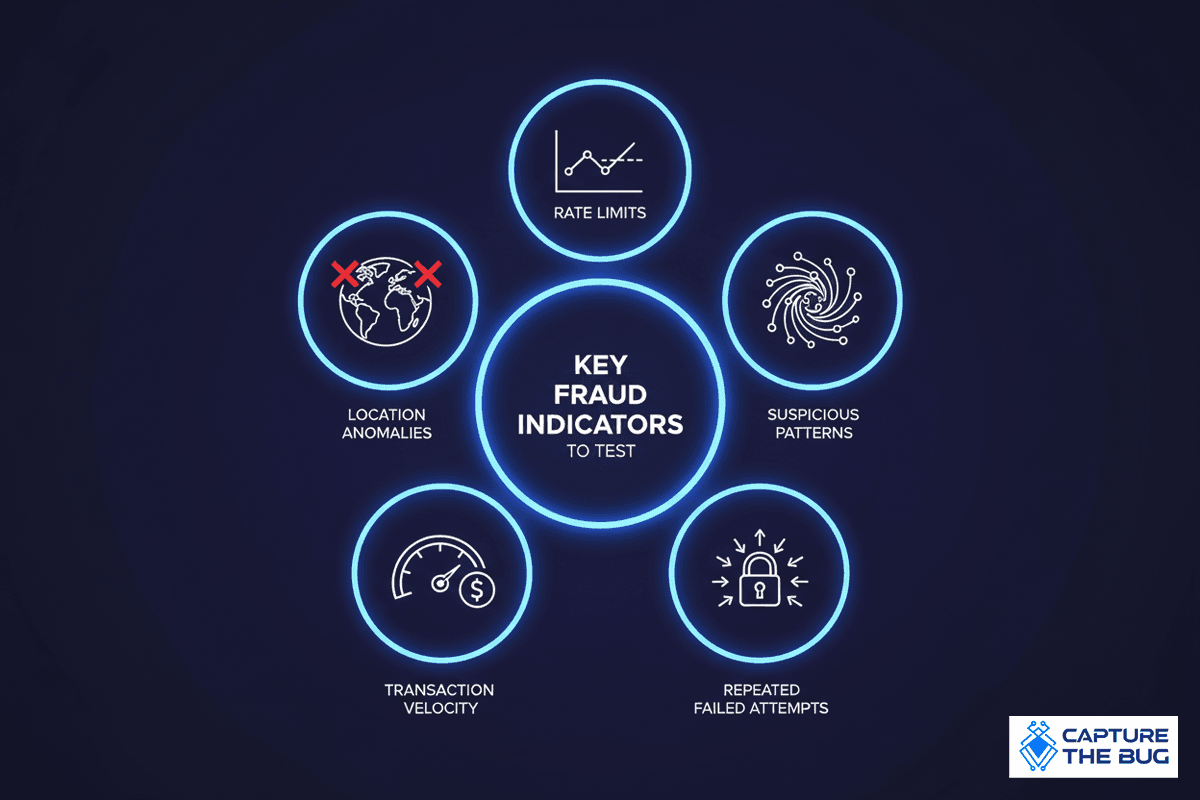
A secure gateway must also detect unusual behavior. Effective testing checks velocity controls, rate limits, suspicious patterns, location anomalies, and brute force attempts. Systems without strong fraud signals are more likely to experience silent losses.
7. Reporting and Verification
The final output of a gateway assessment is not just a list of issues. It should be an explanation of what happened, why it matters, how an attacker would exploit it, and what must be done now. Capture The Bug delivers clear steps, evidence, and business impact summaries so leadership can make informed decisions and engineering teams can fix problems quickly.
Payment Gateway Testing Checklist
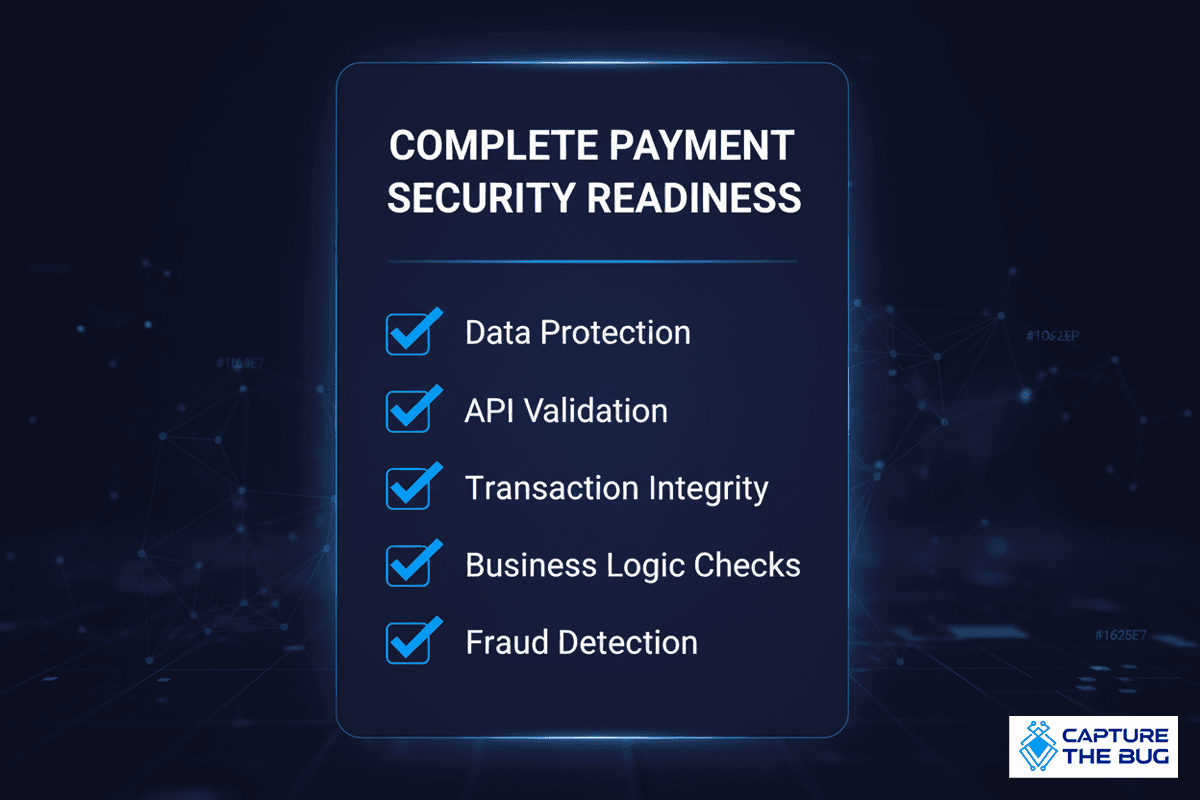
Data Security
- Verify strong TLS enforcement
- Check token scope and lifecycle
- Ensure masking of sensitive data
- Validate storage decisions
API Security
- Enforce idempotency
- Restrict internal keys
- Validate callback signatures
- Avoid exposing sensitive fields
Transaction Integrity
- Test for duplicate attempts
- Validate refund logic
- Confirm correct currency enforcement
- Test for amount manipulation
Fraud Controls
- Validate rate limits
- Test behavior thresholds
- Check location based filtering
- Confirm alerting on suspicious activity
Final Thoughts
A payment gateway is the financial backbone of an online business. Customers trust it without thinking twice, and companies rely on it without expecting hidden weaknesses. When payment systems fail, the consequences reach far beyond technical inconvenience. Revenue is affected, trust drops, and the brand absorbs long-term impact.
Comprehensive gateway testing is not about compliance. It is about building a payment environment that is predictable, trustworthy, and resilient. The companies that take this seriously protect both their customers and their growth.
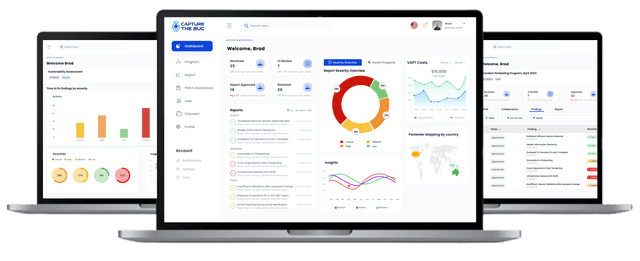
One platform to manage, track, and secure all your penetration tests.
Simplify your vulnerability management with Capture The Bug’s PTaaS platform where businesses and security experts collaborate seamlessly.
FAQ
What is payment gateway testing?
It is a structured analysis of how a payment flows through a system, including validation of transaction integrity, API behavior, data handling, and business logic.
Why is this testing important?
A single flaw in the flow can create opportunities for fraud, financial loss, and exposure of sensitive information.
How often should companies test payment gateways?
Before major updates, after integration changes, and regularly throughout the year to maintain trust and compliance.
Does payment gateway testing support PCI compliance?
Yes. It validates controls related to encryption, data protection, and secure handling of payment information.
What types of issues can testing uncover?
Issues include amount manipulation, duplicate transactions, replay attacks, incorrect token behavior, weak redirects, and flawed refund logic.
Experience Capture The Bug Platform
Streamline your security testing with our PTaaS platform. Collaborate with expert testers, track vulnerabilities, and secure your applications effortlessly.