What Penetration Testing Really Means for Modern Businesses
Introduction: Why Every Business Is Talking About Pentesting
A few years ago, penetration testing was something companies did once a year to tick a compliance box. Today, it has become a core part of how serious businesses protect revenue, reputation, and customer trust.
The shift is simple. Software moves faster. Attackers move faster. And risk appears every time something new is deployed.
Capture The Bug has seen this change firsthand across SaaS companies, fintech platforms, and enterprise systems. Security is no longer about checking if something was safe last quarter. It is about knowing what is exposed right now.
That is where penetration testing comes in.
What Is Penetration Testing in Simple Terms
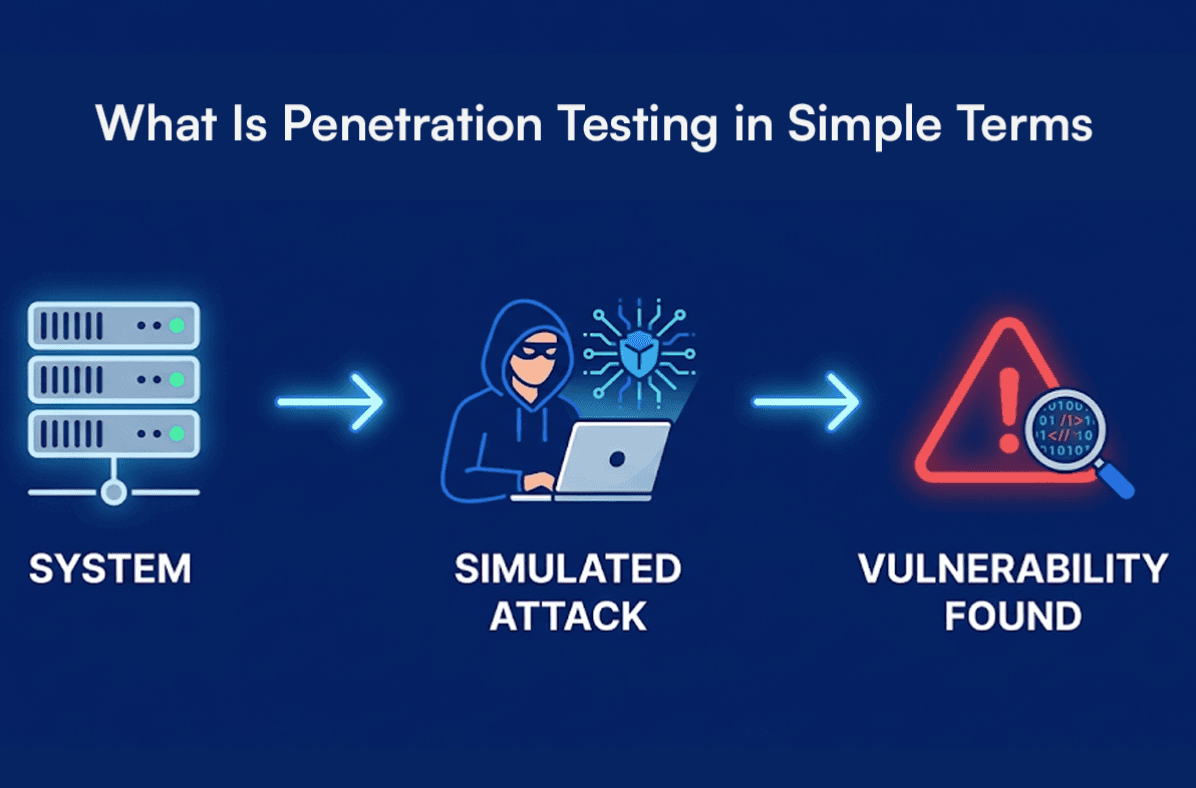
Penetration testing is a controlled security exercise where experts try to break into a system the same way a real attacker would.
The goal is not to cause damage. The goal is to find weaknesses before someone else does.
Think of it like this. Instead of waiting for a real breach, a company invites professionals to simulate one safely. They test applications, APIs, networks, and systems to see where things can go wrong.
At the end, the business gets clarity. Not just a list of issues, but an understanding of what actually matters and what needs to be fixed first.
Why Businesses Can No Longer Ignore It
Most companies assume they are secure until something proves otherwise. That assumption is where risk starts.
Modern systems are complex. A single application can include APIs, third party integrations, cloud infrastructure, and user authentication layers. Each one introduces potential exposure.
The reality is simple:
- New vulnerabilities appear every time code changes
- Misconfigurations happen more often than expected
- Attackers look for easy entry points, not perfect systems
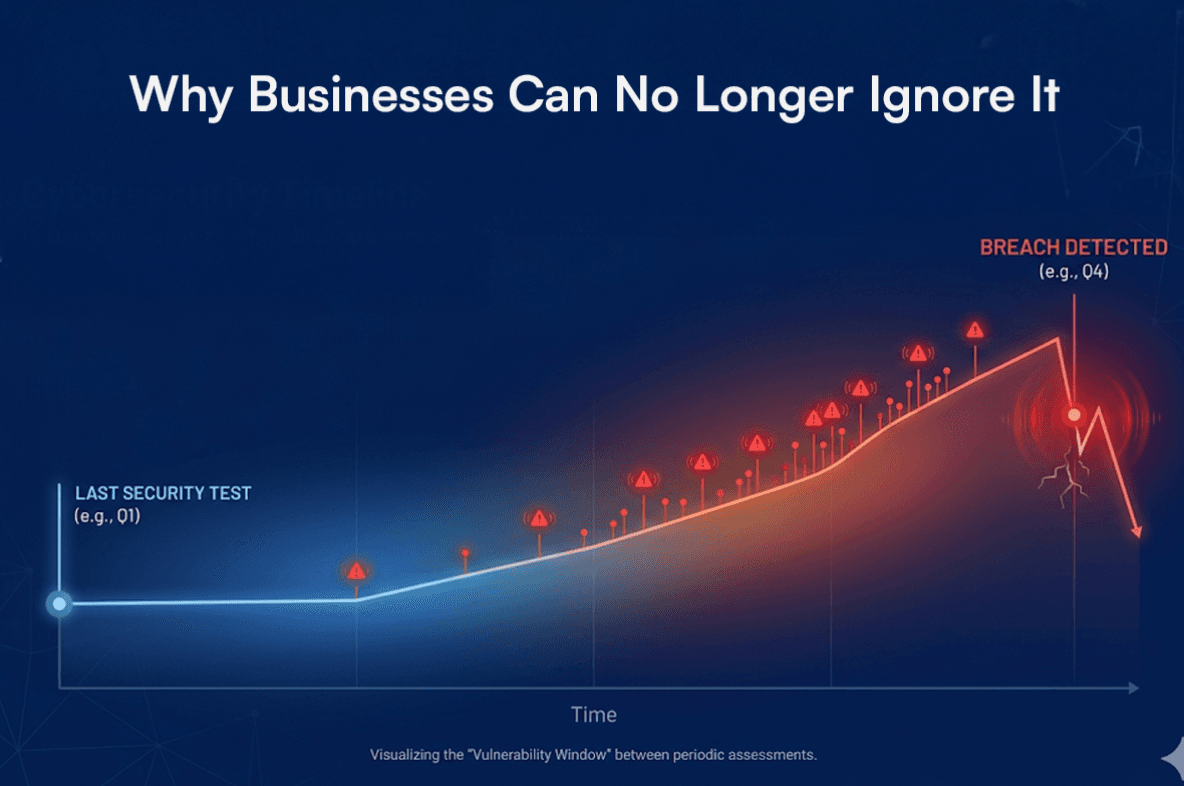
Traditional testing methods often miss this because they happen too late or too infrequently.
Capture The Bug highlights this gap clearly. Businesses that rely only on periodic testing often discover issues weeks after they were introduced.
That delay is where breaches happen.
How Penetration Testing Actually Works
From the outside, pentesting sounds technical. In practice, the process is straightforward and structured.
1. Understanding the System
The first step is defining what needs to be tested. This could be a web application, mobile app, API, or internal system.
The goal is clarity. What are the critical assets? Where is sensitive data stored? What matters most to the business?
2. Simulating Real Attacks
Testers then begin probing the system. They look for weaknesses such as:
- Broken authentication
- Data exposure risks
- Logic flaws in workflows
- Misconfigured access controls
This is not random testing. It follows real-world attack patterns.
3. Validating What Is Real
Not every issue is a real risk. Skilled testers validate findings to ensure they are actually exploitable.
This step is critical. It removes noise and focuses attention on what truly impacts the business.
4. Reporting and Fixing
Finally, the results are shared with the team. But modern pentesting is not just about handing over a report.
It is about helping teams fix issues quickly and clearly.
Capture The Bug emphasizes this approach by focusing on actionable insights rather than overwhelming lists.
The Problem with Old-School Pentesting
Traditional penetration testing still exists, but it comes with limitations.
It typically works like this:
- A company schedules a test
- Waits weeks for results
- Receives a static report
- Fixes issues over time
By the time fixes are completed, the system has already changed.
This creates a gap between testing and reality.
The industry has recognized this issue. Static testing models no longer match how modern software is built and deployed.
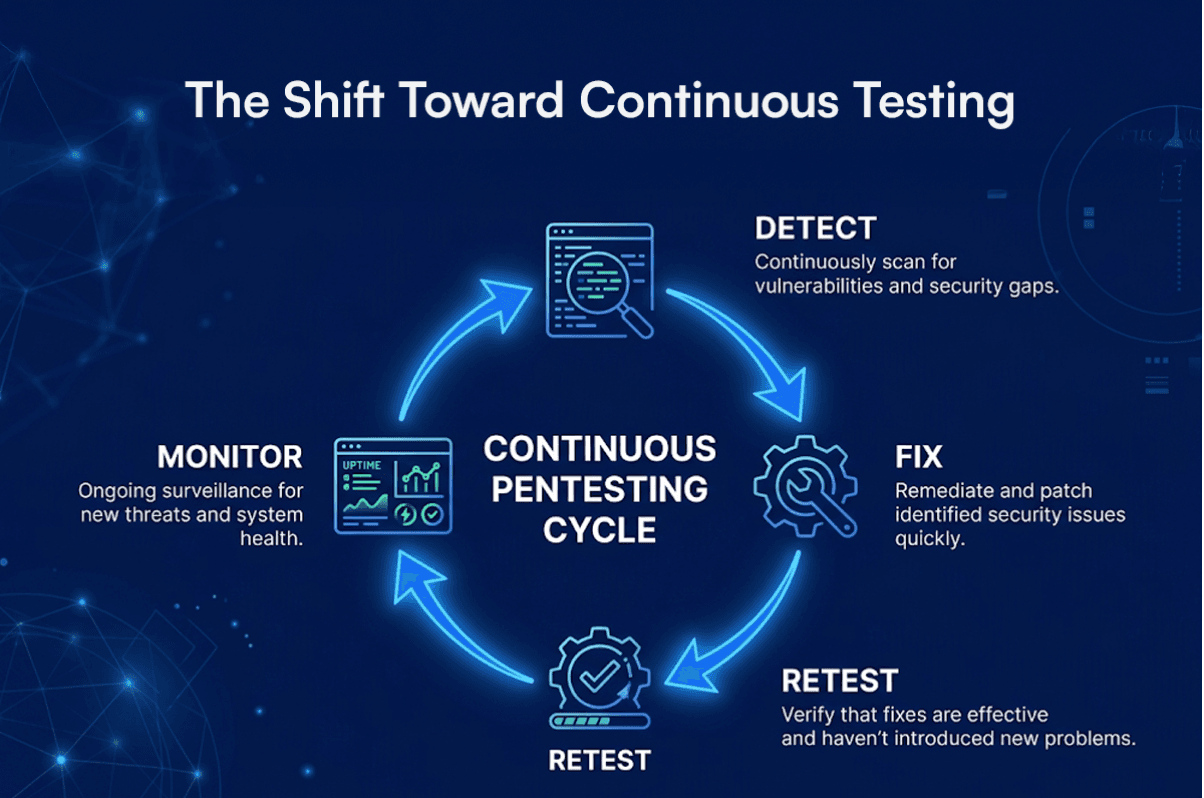
The Shift Toward Continuous Testing
Modern businesses are moving toward a more dynamic approach.
Instead of testing once, they test continuously.
This means:
- Testing happens whenever changes are made
- Vulnerabilities are identified faster
- Fixes are validated immediately
Capture The Bug’s model reflects this shift. It combines expert testing with real-time visibility, allowing businesses to see risks as they appear, not weeks later.
This approach aligns with how companies actually operate today. Fast releases require equally fast security validation.
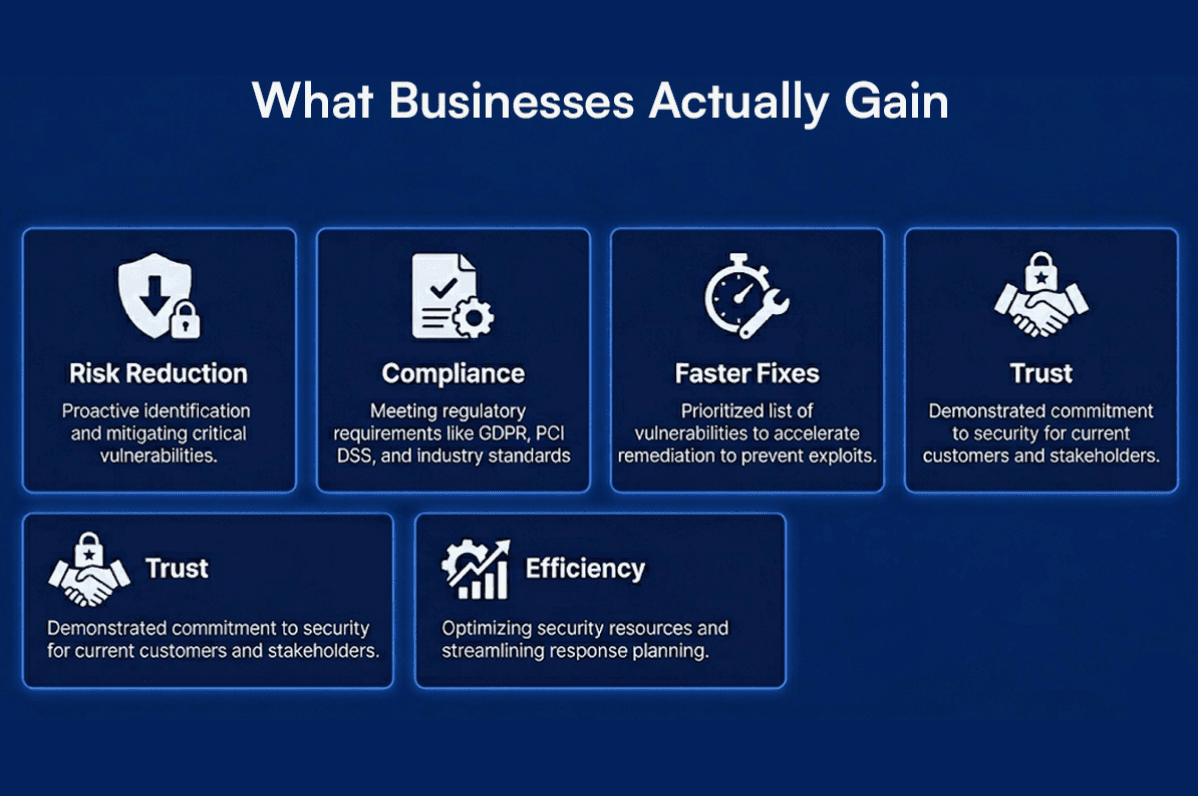
What Businesses Actually Gain from Pentesting
Penetration testing is not just a technical exercise. It delivers clear business value.
1. Risk Reduction
The most obvious benefit is reducing the chance of a breach. Issues are found early, before they are exploited.
2. Faster Decision Making
Leaders get clarity on what matters. Instead of guessing, they can prioritize based on real risk.
3. Compliance Readiness
Frameworks like ISO 27001, SOC 2, and PCI-DSS require proof of security testing. Pentesting provides that evidence.
4. Customer Trust
Security is now part of the buying decision. Companies that can demonstrate strong testing practices win more enterprise deals.
5. Operational Efficiency
When vulnerabilities are identified early, teams spend less time firefighting and more time building.
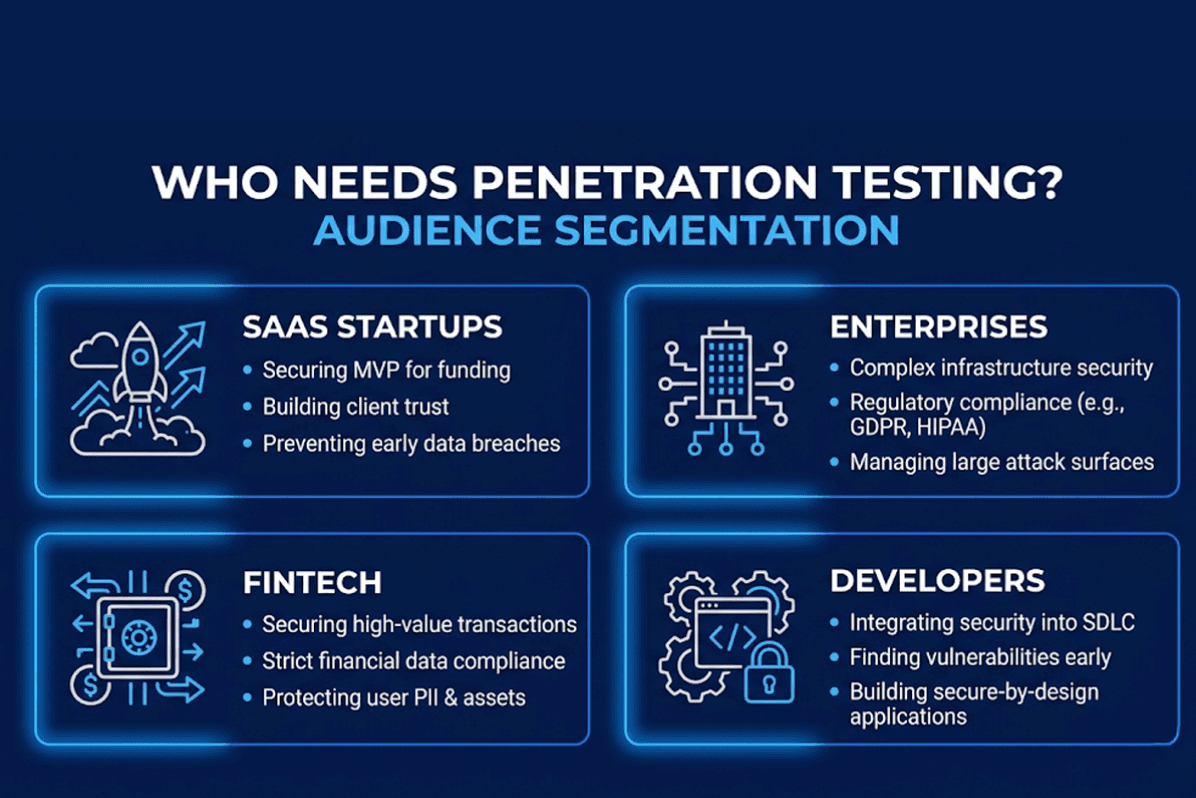
Who Needs Penetration Testing
There is a common misconception that only large enterprises need pentesting.
In reality, any business that handles data or runs software should consider it.
This includes:
- SaaS companies releasing frequent updates
- Startups preparing for funding or audits
- Enterprises managing complex infrastructure
- Fintech and healthcare platforms handling sensitive data
Capture The Bug’s audience reflects this range, from early-stage startups to regulated enterprises across ANZ and the USA.
The need is not about company size. It is about exposure.
When Should a Business Start
The best time to start is earlier than most think.
Waiting until a product is fully built or until compliance requires testing often leads to rushed decisions and higher costs.
A better approach is:
- Start with critical systems
- Expand coverage over time
- Make testing part of regular operations
This creates a culture where security is continuous, not reactive.
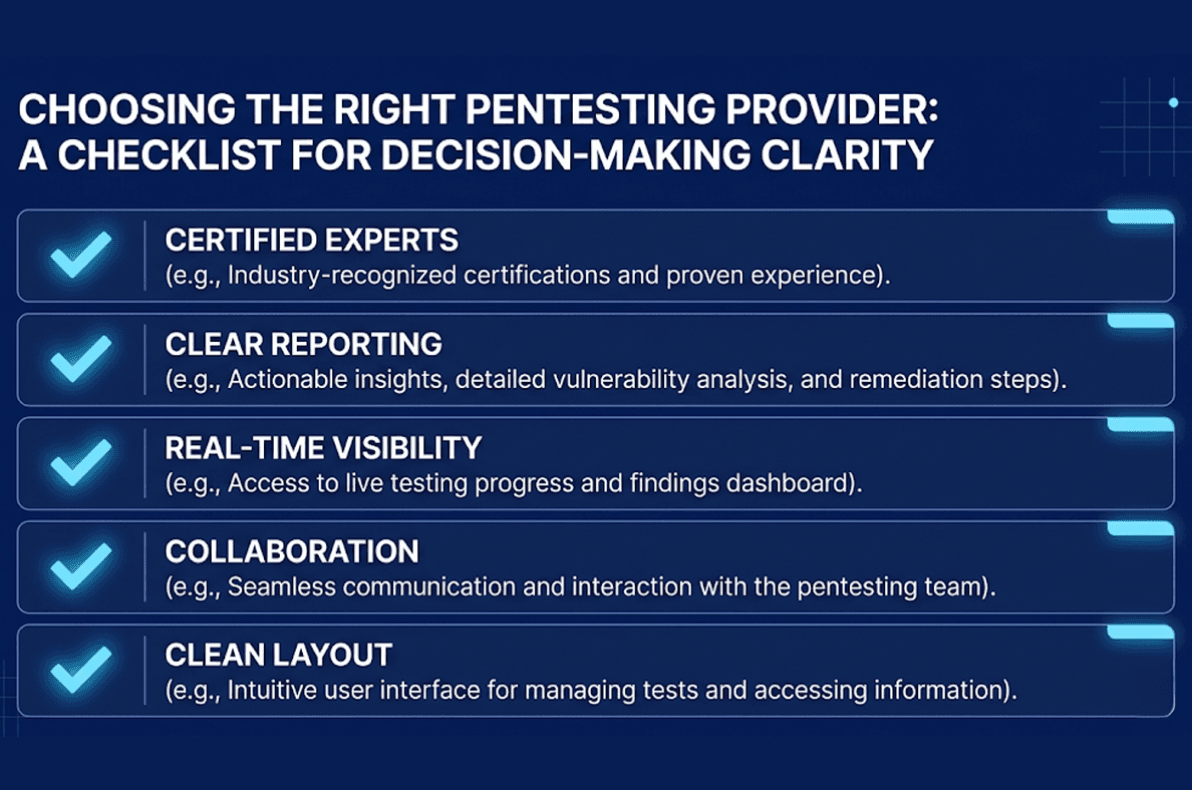
Choosing the Right Approach
Not all pentesting providers deliver the same value.
Businesses should look for:
- Certified expertise such as CREST
- Clear, actionable reporting
- Direct communication with testers
- Transparency in findings and remediation
Capture The Bug positions itself around these principles, focusing on clarity, speed, and collaboration rather than outdated reporting models.
The goal is not just to test systems. It is to help teams improve them.
Final Thoughts: Security Is No Longer Optional
Penetration testing is no longer a niche activity. It is a business requirement.
Every system exposed to the internet is a potential target. Every delay in identifying vulnerabilities increases risk.
The companies that stay ahead are not the ones that test once. They are the ones that treat security as an ongoing process.
Capture The Bug represents this modern approach. Combining expert testing with continuous visibility, it helps businesses move from uncertainty to clarity.
Because in today's environment, knowing your risks is not enough.
You need to act on them, fast.

FAQ
1. What is penetration testing in simple terms
Penetration testing is a security exercise where experts simulate real attacks to find vulnerabilities in systems before attackers do.
2. Why is penetration testing important for businesses
It helps identify security weaknesses early, reduces breach risk, and ensures compliance with industry standards.
3. How often should a company perform penetration testing
Modern businesses benefit from continuous or frequent testing rather than once-a-year assessments.
4. Is penetration testing required for compliance
Yes, many frameworks like ISO 27001, SOC 2, and PCI-DSS require regular security testing.
5. What is the difference between traditional pentesting and modern approaches
Traditional pentesting is periodic and static, while modern approaches focus on continuous testing and real-time visibility.