Risk Management Platforms That Actually Work in 2026
In 2026, risk is no longer a spreadsheet exercise.
It is not a quarterly board slide.
It is not a compliance checkbox.
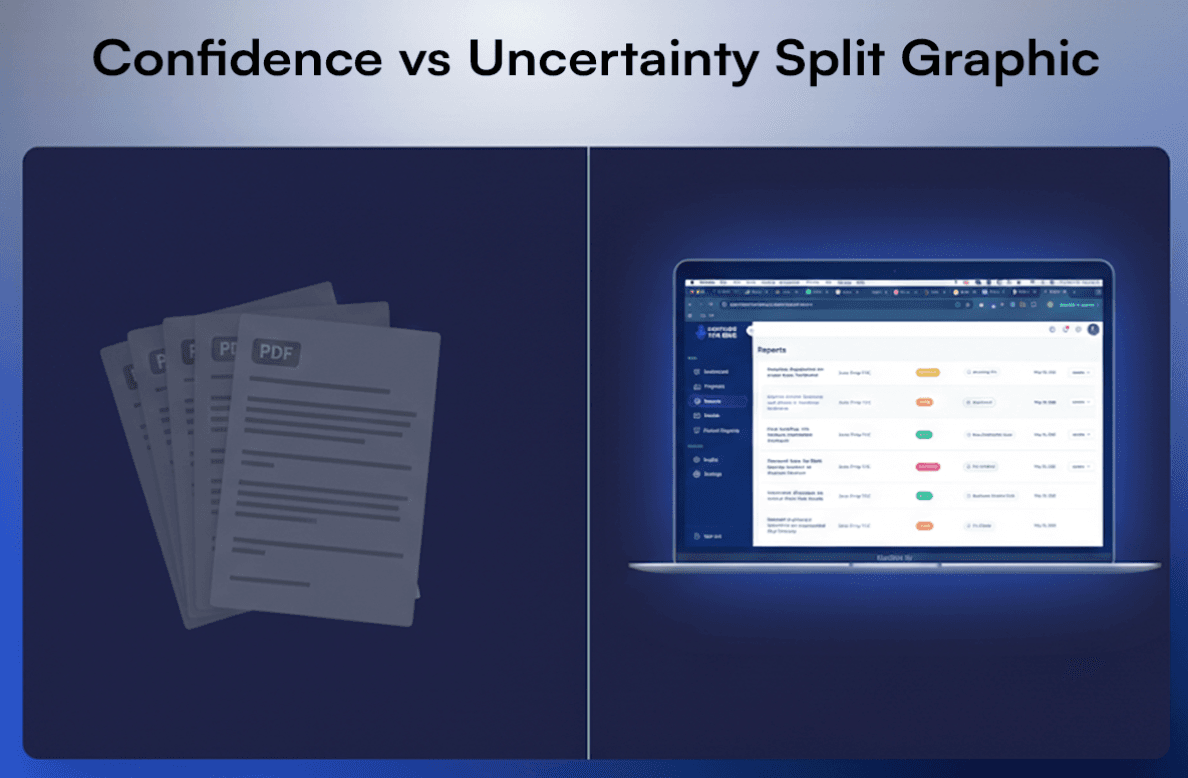
And it is definitely not a static PDF report.
For SaaS companies, fintech firms, and regulated enterprises across ANZ and the USA, risk management now means one thing: continuous visibility into what can go wrong, how fast it can be exploited, and how quickly you can fix it.
At Capture The Bug, we work with CTOs and CISOs who are not asking for “more tools.” They are asking for clarity. They want to know:
- Where are we exposed right now?
- Which vulnerabilities actually matter?
- How fast are we closing risk?
- Can we prove this to customers and auditors?
The best risk management platforms in 2026 answer those questions clearly.
Below is what that landscape looks like.
What “Best” Really Means in 2026
Before listing platforms, it is important to define what best means.
In 2026, effective risk management software must:
- Provide real time visibility, not quarterly snapshots
- Connect technical risk to business impact
- Support compliance frameworks such as ISO 27001 and SOC 2
- Integrate into engineering workflows
- Reduce remediation time, not just generate alerts
Anything less is reporting software, not risk management.
Modern risk platforms are expected to combine governance, asset visibility, vulnerability management, and continuous security testing into one measurable system.
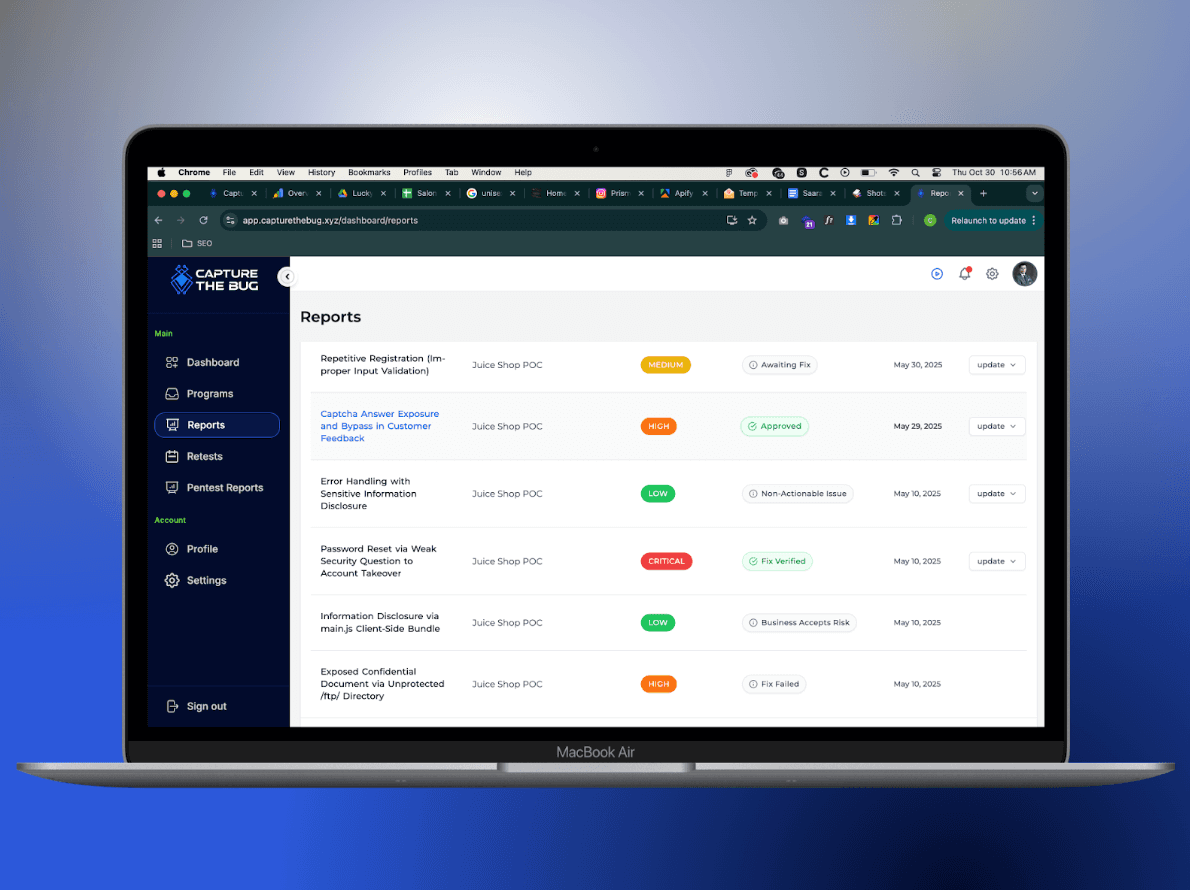
1. Capture The Bug — Continuous Risk Validation Through PTaaS
Best for: SaaS, fintech, startups, and compliance driven enterprises
Region strength: ANZ, USA, global delivery
Certification: CREST certified
Capture The Bug approaches risk differently.
Instead of treating risk as a theoretical register, it validates risk continuously through Penetration Testing as a Service.
Here is why it stands out in 2026:
- Continuous pentesting, not annual engagements
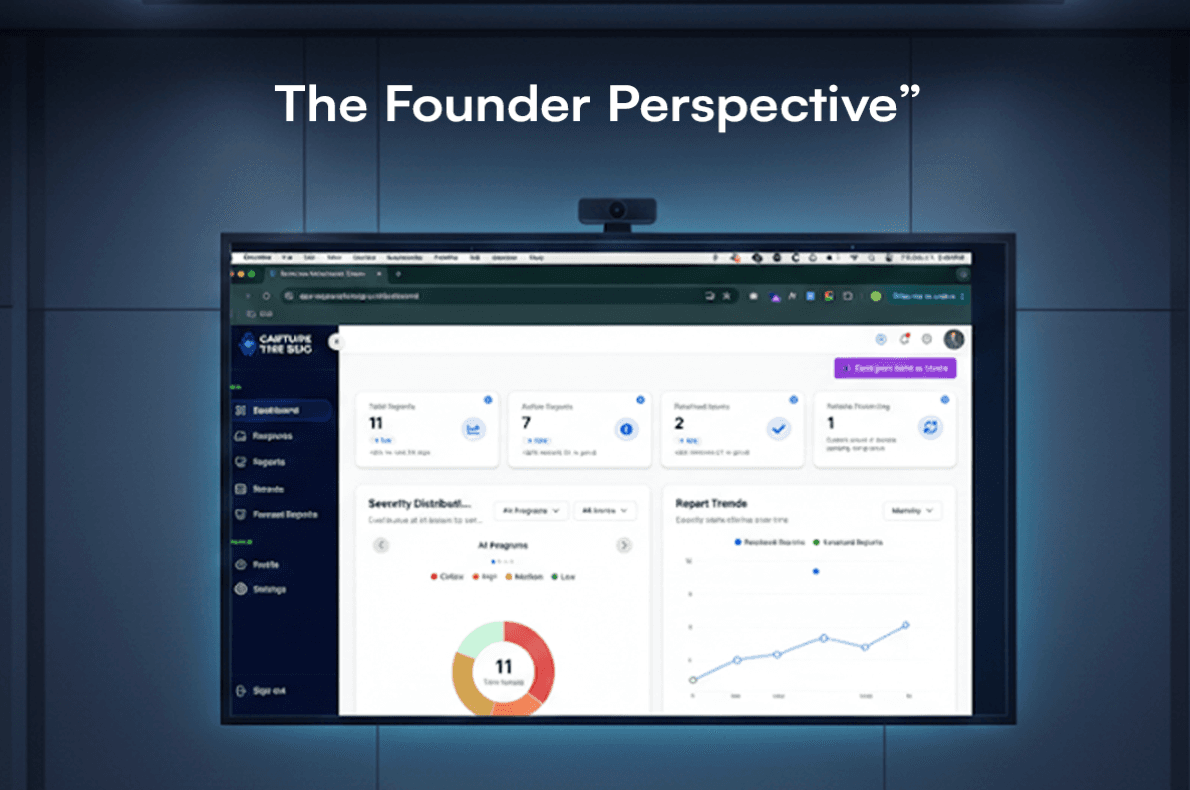
- Real time dashboard with validated findings
- Direct collaboration between testers and developers
- Instant compliance ready reporting
- Measurable metrics such as time to fix and closure rate
Most risk tools identify potential exposure. Capture The Bug proves whether that exposure is actually exploitable.
That difference matters.
When boards ask, “Are we secure?” theoretical heat maps are not enough. Continuous validation gives confidence backed by evidence.
For companies operating in fast moving CI/CD environments, this model aligns risk management directly with product releases.
Risk is not logged.
It is tested.
It is verified.
It is fixed.
2. ServiceNow GRC — Enterprise Governance at Scale
Best for: Large enterprises with complex governance structures
ServiceNow remains a major player in governance, risk, and compliance. Its strength lies in process orchestration and enterprise workflow management.
Strengths:
- Mature risk register management
- Strong policy and audit workflow
- Enterprise wide visibility across departments
- Integration with IT service management
Limitations:
- Heavy implementation cycles
- Complex configuration
- Less focused on deep technical validation
For large enterprises with multiple business units and formal risk committees, ServiceNow provides structural governance. However, it often requires integration with technical validation platforms like Capture The Bug to close the gap between documentation and real world exposure.
3. OneTrust — Compliance First Risk Management
Best for: Privacy, data governance, and regulatory mapping
OneTrust has built its reputation around privacy compliance. In 2026, it continues to serve organizations that prioritize data mapping and regulatory alignment.
Strengths:
- Data inventory and privacy management
- Regulatory framework mapping
- Third party risk workflows
Limitations:
- Limited real time security validation
- Heavier focus on documentation than technical exploitation testing
For organizations managing GDPR, CCPA, and privacy driven audits, OneTrust provides structure. But it must be paired with technical validation to ensure policies reflect actual security posture.
4. Archer by RSA — Structured Risk Intelligence
Best for: Risk heavy sectors such as finance and government
Archer offers structured enterprise risk management capabilities.
Strengths:
- Strong risk taxonomy
- Centralized risk scoring
- Audit and compliance reporting
Limitations:
- Slower adaptation for agile SaaS environments
- Limited real time vulnerability confirmation
Archer is powerful for regulated industries that need formal risk scoring systems. However, in modern SaaS ecosystems where risk evolves weekly, continuous validation models tend to move faster.
5. Vanta — Startup Friendly Compliance Automation
Best for: Early stage SaaS companies pursuing SOC 2
Vanta simplifies compliance preparation for startups.
Strengths:
- Fast SOC 2 readiness
- Automated evidence collection
- Clean dashboard experience
Limitations:
- Primarily compliance oriented
- Does not replace continuous security validation
For early stage startups, Vanta helps accelerate audit readiness. But audit readiness is not the same as risk reduction. Compliance tools show evidence. Continuous testing platforms validate exposure.
In 2026, mature security leaders understand the difference.
The Shift Happening in 2026
There is a clear pattern emerging across ANZ and US markets.
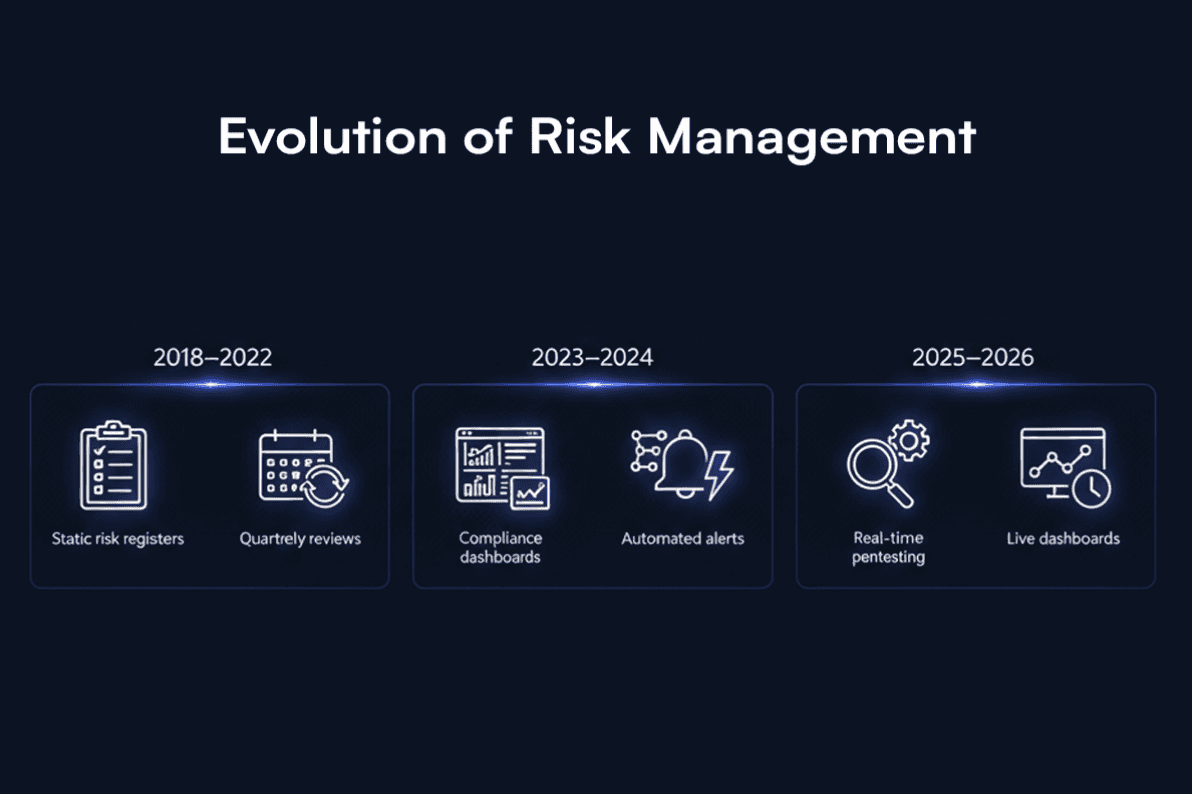
Risk management is moving from static documentation to continuous validation.
Traditional model:
- Identify risks
- Log them
- Review quarterly
- Audit annually
Modern model:
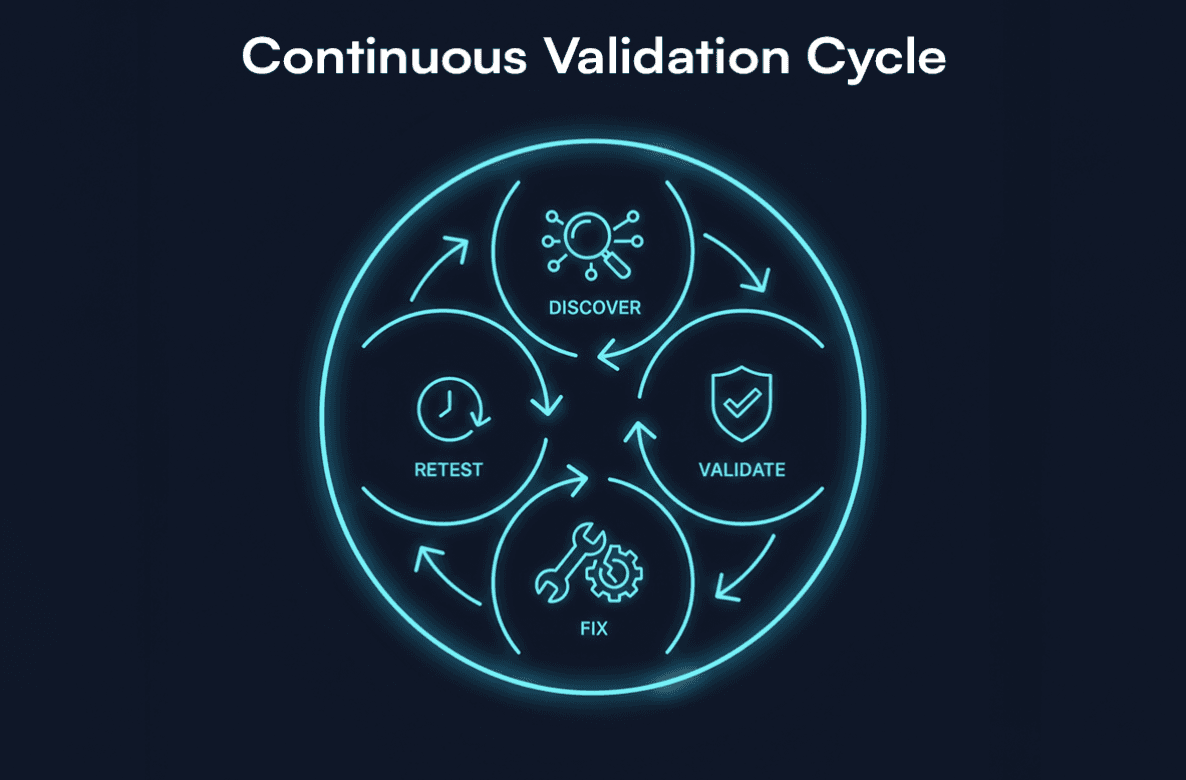
- Discover exposure continuously
- Validate exploitability
- Fix within sprint cycles
- Prove compliance instantly
The companies leading this shift are those embedding continuous pentesting into their risk framework.
This is where PTaaS becomes central to risk management strategy.
What CTOs and CISOs Should Ask Before Choosing
Before selecting a platform, leadership should ask:
- Does this platform reduce actual risk, or just organize it?
- Can we measure remediation speed?
- Does it integrate with our engineering workflow?
- Can we generate audit evidence on demand?
- Does it validate vulnerabilities with human expertise?
If the answer to the last question is no, you are managing potential risk, not confirmed risk.
In today’s environment, confirmed and validated risk is what matters.
Why Continuous Validation Wins
Let’s bring this back to fundamentals.
Risk management in cybersecurity is about reducing uncertainty.
Dashboards without validation increase visibility, but they do not always reduce uncertainty. Continuous testing does.
When Capture The Bug runs ongoing penetration testing:
- Vulnerabilities are verified
- False positives are removed
- Exploitable paths are confirmed
- Fixes are retested instantly
That closes the risk loop.
Boards gain confidence.
Auditors gain clarity.
Developers gain actionable insight.
And most importantly, customers gain trust.
The Founder Perspective
From a founder to another founder, here is the honest truth.
The best risk management software in 2026 is not the one with the most features. It is the one that reduces your sleep loss.
If you are preparing for:
- Enterprise sales
- Investor due diligence
- ISO 27001 certification
- SOC 2 audits
- Expansion into the US market
You need continuous assurance, not periodic reassurance.
That is the difference between reactive security and strategic security.
Final Takeaway
Risk management in 2026 is no longer about maintaining a risk register.
It is about proving that your biggest risks are actively being tested and reduced.
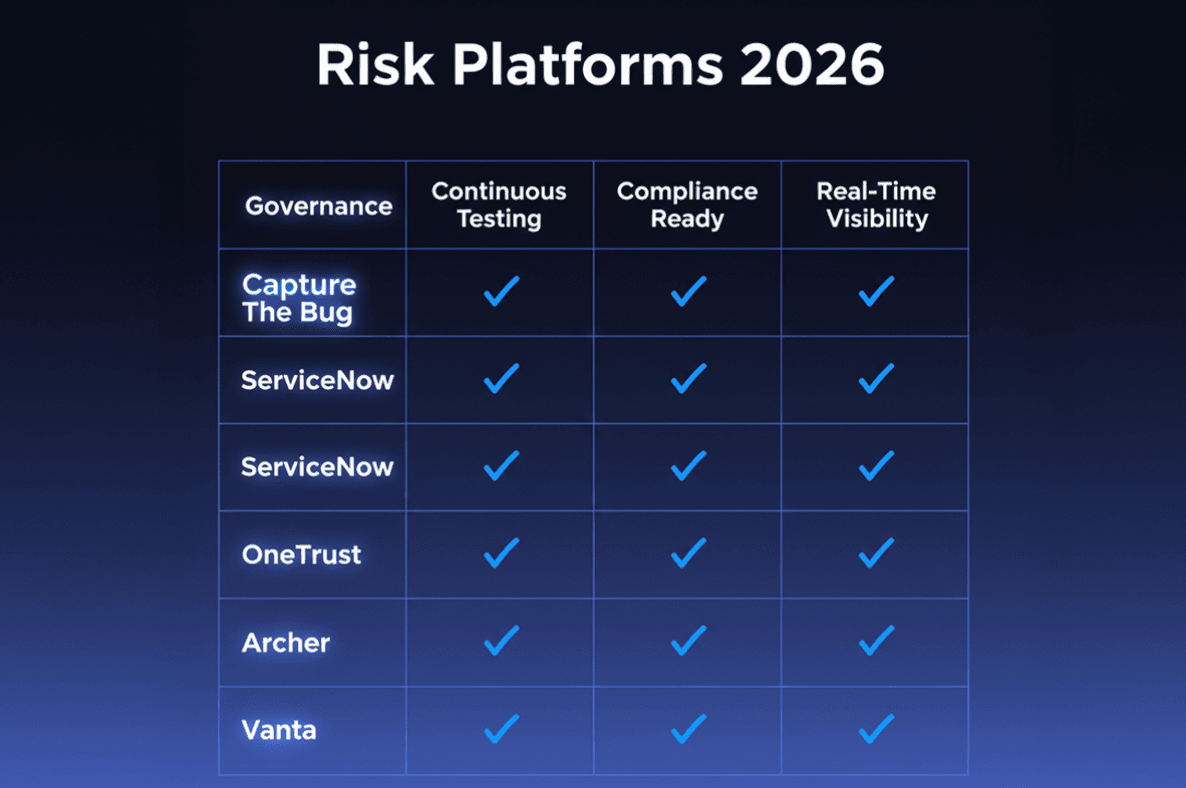
Platforms like ServiceNow, OneTrust, Archer, and Vanta provide governance and structure.
But continuous validation platforms like Capture The Bug provide confidence.
And confidence is what modern security leadership is really buying.

FAQ
1. What is the best risk management software for SaaS companies in 2026?
The best solution combines governance with continuous security validation. Platforms like Capture The Bug provide real time pentesting and compliance ready reporting, making them ideal for SaaS environments.
2. How is modern risk management different from traditional GRC tools?
Modern risk management focuses on continuous validation of vulnerabilities, not just documentation and quarterly reviews.
3. Do compliance platforms reduce cybersecurity risk?
They improve audit readiness but do not replace continuous technical validation. Compliance shows evidence. Continuous testing reduces real world exposure.
4. Why is continuous pentesting important for risk management?
Because software changes constantly. Continuous testing ensures new vulnerabilities are discovered and fixed before attackers exploit them.
5. Is risk management software enough without penetration testing?
No. Risk platforms organize and prioritize risks, but penetration testing confirms whether those risks are exploitable in practice.