Why Software Supply Chain Security Puts Every Business at Risk
When one vendor fails, thousands of organizations feel the shock. Here's why supply chain risk is now a board-level concern and how modern security validation can stop the domino effect.
Introduction: The New Frontline of Cyber Risk
Today's business software isn't built in isolation-it's assembled from thousands of moving parts: open-source libraries, APIs, cloud integrations, and vendor platforms. Each of those dependencies, while essential for innovation, is also a potential point of failure.
When one link in the chain breaks, the impact ripples across industries. From SolarWinds to MOVEit, we've seen how a single compromised vendor can disrupt critical infrastructure, stall operations, and cost millions in damage control.
The uncomfortable truth is this: your business's security posture is now only as strong as the weakest vendor you depend on. This isn't just an IT problem anymore-it's a systemic business risk.

1. Why the Supply Chain Has Become Every Company's Weak Spot
A decade ago, most companies focused their defenses on internal systems. Firewalls, endpoint protection, and patch management kept threats largely contained.
But the software landscape has changed. Today, even the smallest SaaS product or enterprise tool is built on a network of external services and third-party code. According to global research, over 80% of application codebases contain third-party components, and most organizations use hundreds of external vendors for core business operations.
Each dependency introduces inherited risk-vulnerabilities, misconfigurations, or poor security practices that can be exploited far upstream.
Worse still, these risks are often invisible. A company may not even know which components it's running, let alone whether they're vulnerable. That's how one flawed library (like Log4j) can lead to a worldwide crisis.
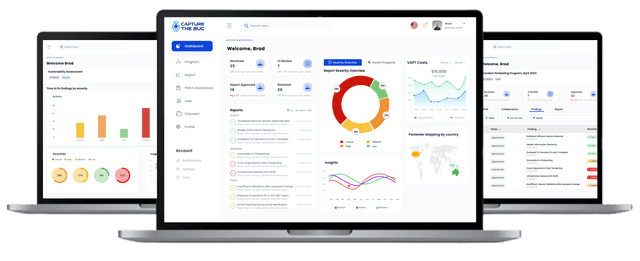
One platform to manage, track, and secure all your penetration tests.
Simplify your vulnerability management with Capture The Bug’s PTaaS platform where businesses and security experts collaborate seamlessly.
2. When One Breach Becomes Everyone's Problem
Software supply chain attacks are unique because they exploit trust. Vendors are given privileged access-source code, credentials, infrastructure connections-because they're "trusted partners."
Attackers know this. Instead of targeting one company at a time, they go after the vendor everyone relies on. Once inside, they gain indirect access to hundreds or thousands of customers downstream.
The SolarWinds breach is a textbook example. By compromising a trusted update from a widely used IT management vendor, attackers infiltrated government agencies and Fortune 500 companies in one stroke.
And it's not just large enterprises. Even small and mid-sized businesses that rely on managed service providers (MSPs) are now prime targets. When your MSP or software vendor gets compromised, your data and systems can be collateral damage. The takeaway? In 2025, you don't have to be the direct target to be a victim.
3. Why Traditional Security Programs Can't Catch Supply Chain Risk
Most organizations invest heavily in endpoint protection, network firewalls, and vulnerability scans. These controls work well for assets you own-but they can't see inside your vendors' environments or codebases.
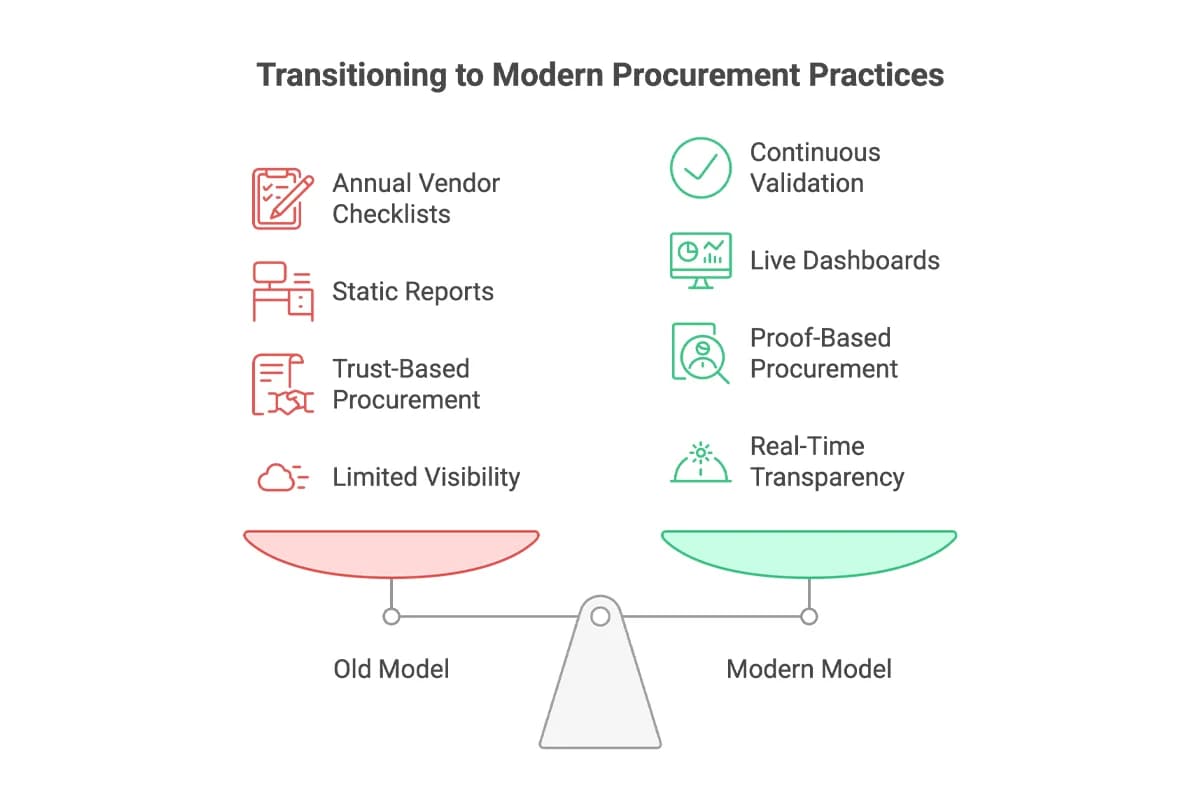
Typical risk assessments rely on questionnaires or self-attestation forms: "Do you follow security best practices?" "Have you conducted recent testing?" But checking a box doesn't validate security. It assumes honesty, not proof.
This gap between perception and verification is what we call the assurance gap-and it's where systemic risk grows.
According to industry data, while 90% of security leaders acknowledge that penetration testing is critical, fewer than 40% actually require their vendors to perform it. In other words, businesses know what's necessary but fail to enforce it across their supply chain. That's not negligence-it's policy inertia. But it's also a ticking time bomb.
Experience Capture The Bug Platform
Streamline your security testing with our PTaaS platform. Collaborate with expert testers, track vulnerabilities, and secure your applications effortlessly.
4. Custom Code: The Hidden Epicenter of Risk
When people think of supply chain risk, they often picture outdated components or open-source vulnerabilities. Those matter-but they're not the biggest threat.
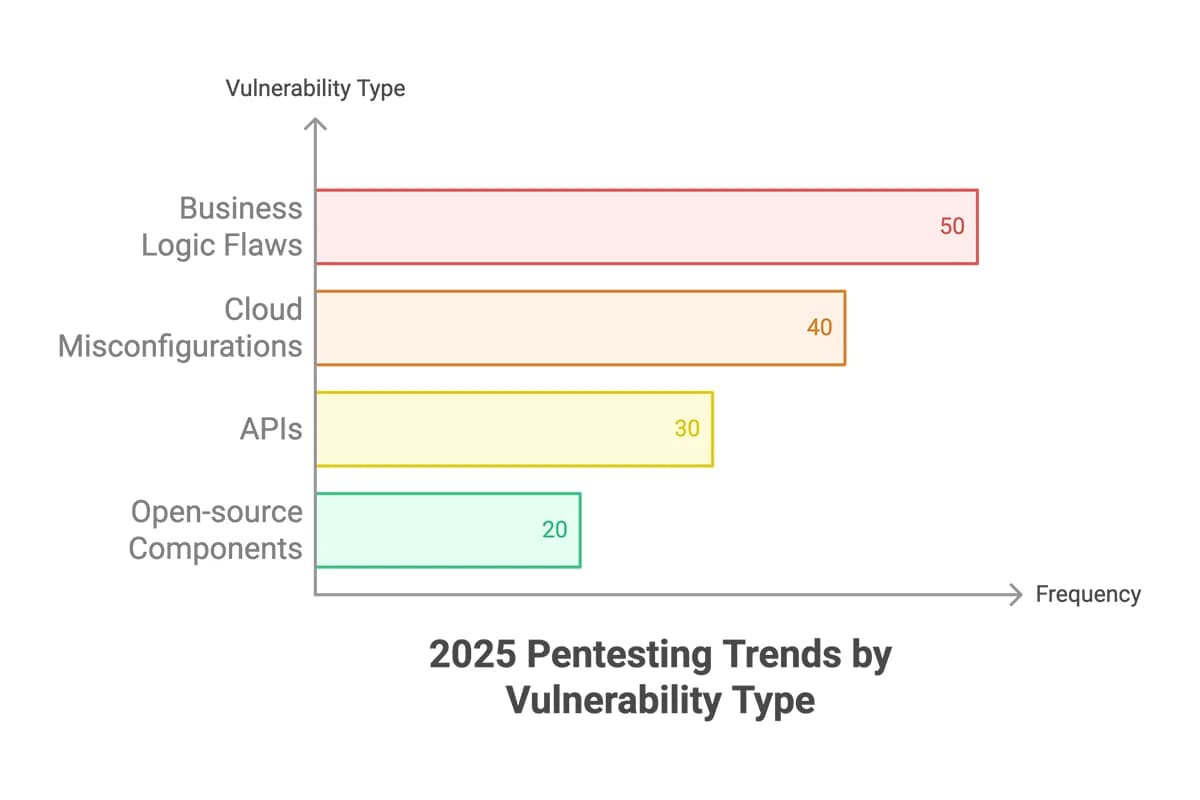
The real risk lies in custom code-the proprietary logic that makes every software product unique. Third-party scanning tools can't reliably detect flaws in custom-built functionality. Access control gaps, authentication errors, and business logic flaws hide deep in that logic layer, invisible to automated scanners.
Only manual, context-aware testing like comprehensive penetration testing can uncover those weaknesses before attackers do. This is why compliance checklists and automated scans alone are no longer enough. If your vendors aren't validating their own software through continuous, human-led testing, your business inherits every one of their blind spots.
5. From Shared Risk to Shared Responsibility
The software supply chain has become too interconnected to rely on trust alone. The future of security lies in shared responsibility, where both vendors and customers prove-not promise-their defenses.
Here's what that looks like in practice:
1. Make Proof a Prerequisite
Security should be a procurement gate, not an afterthought. Require every critical software vendor to provide evidence of independent penetration testing before onboarding and annually at renewal.
2. Demand Transparency
Request a Software Bill of Materials (SBOM) that lists every open-source and third-party component used in their application. When the next zero-day hits, you'll know exactly where your exposure lies.
3. Test What Matters Most
Ensure that vendor pentests go beyond surface scans. They must include API and business logic testing, where the majority of high-impact vulnerabilities hide.
4. Reward Security Accountability
Make security diligence part of your vendor scoring. Vendors that invest in regular testing, clear remediation, and transparent reporting should move to the front of the line. By turning vendor security into a competitive differentiator, you help drive the market toward better standards.
6. Why Continuous Pentesting Closes the Gap
Security doesn't end when a pentest report arrives. It's an ongoing process-especially when software changes daily.
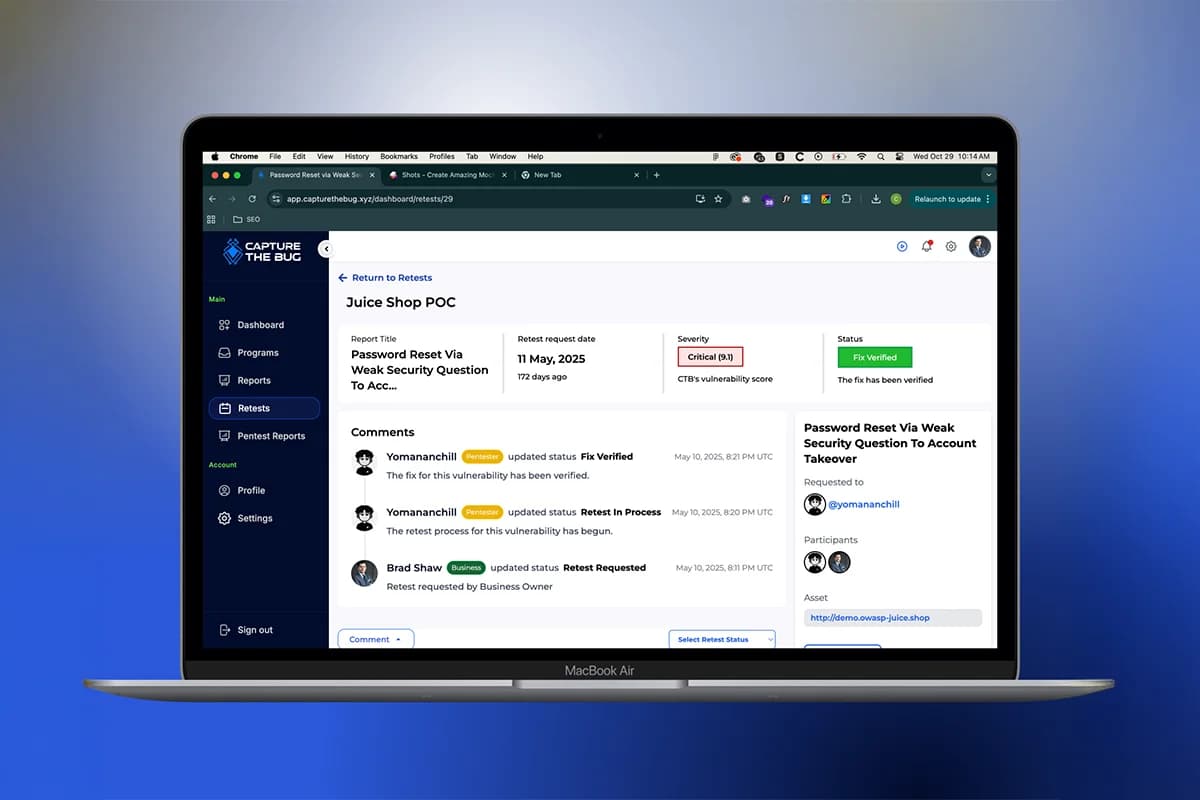
That's where Pentesting as a Service (PTaaS) platforms like Capture The Bug come in. PTaaS replaces slow, one-off testing cycles with continuous validation. It provides:
- On-demand testing for new releases or integrations
- Real-time dashboards showing open vulnerabilities and progress
- Direct collaboration between developers and testers
- Compliance-ready reporting aligned with ISO 27001, SOC 2, and PCI-DSS
This model gives organizations the same depth as traditional testing, but with the agility and transparency that modern security demands. For supply chain assurance, it's transformative. Vendors can validate continuously, while clients get ongoing visibility-closing the assurance gap for good.
7. The Real Business Impact
When executives see "supply chain risk," it's easy to think of it as an IT metric. But the impact reaches every corner of the organization:
- Operational downtime: Vendor outages cascade into your own service disruptions.
- Financial losses: Breach response, legal fees, and regulatory fines can devastate margins.
- Reputational damage: Customers lose trust in businesses that rely on insecure partners.
- Compliance exposure: Regulatory frameworks like NIST 800-161, ISO 27036, and SOC 2 now explicitly include vendor assurance.
In short, the supply chain is no longer just an efficiency engine-it's a systemic risk vector that directly affects revenue and reputation.

Conclusion: You Can't Outsource Accountability
Every organization depends on third parties. But you can't outsource accountability for your own security.
Supply chain risk isn't about technology-it's about trust, verification, and discipline. The businesses that thrive in this new era will be those that demand evidence, not promises; continuous validation, not annual reviews.
It's time to make supply chain assurance a leadership priority-not because compliance requires it, but because resilience depends on it.
At Capture The Bug, we help organizations take control of that assurance. Through continuous pentesting, transparent reporting, and compliance-ready insights, we give you the visibility you need to protect not just your software-but your entire ecosystem.
Frequently Asked Questions
1. What is software supply chain security?
It's the practice of securing every external dependency your business relies on-from open-source libraries to SaaS vendors-to prevent indirect breaches.
2. Why is the supply chain a systemic risk?
Because a single vulnerable vendor can compromise hundreds of organizations downstream, creating widespread disruption and data exposure.
3. How can companies reduce supply chain risk?
By requiring independent penetration testing, maintaining an SBOM, and continuously validating vendor security practices.
4. What role does PTaaS play in managing supply chain risk?
PTaaS enables continuous, transparent security validation-helping vendors and customers verify assurance in real time.
5. What's the first step for improving software supply chain security?
Start by making security proof a contractual requirement. Require every critical vendor to provide recent, verified pentest results.
About Capture The Bug
Capture The Bug delivers continuous Pentesting as a Service (PTaaS) to help organizations validate their security posture and that of their vendors. With real-time vulnerability reporting, compliance-ready dashboards, and human-verified testing, we close the assurance gap that puts modern businesses at risk.
Learn more: capturethebug.xyz