Intelligent Penetration Testing Services in the USA: A Practical Enterprise Security Guide for 2026
Introduction: Why Traditional Testing No Longer Fits Enterprise Reality
In 2026, enterprise environments in the United States are no longer static. Applications evolve weekly, APIs expand constantly, and integrations multiply across cloud ecosystems.
Yet many organizations still rely on penetration testing models built for a slower era. A test is scheduled, a report arrives weeks later, and by then, the system has already changed.
This gap is where risk lives.
Capture The Bug sees this shift clearly across enterprise clients in the US. Security leaders are no longer asking for "a test." They are asking for continuous visibility, faster validation, and actionable insights that align with how their teams actually build and deploy software.
That is where intelligent penetration testing services come in.
What "Intelligent" Penetration Testing Really Means in 2026
Intelligent penetration testing is not about replacing human expertise. It is about enhancing it.
It combines continuous testing, contextual analysis, and real-time feedback into one unified approach. Instead of a one-time engagement, security becomes an ongoing process.
At its core, this model focuses on three things:
- Understanding how modern systems change
- Prioritizing real, exploitable risks
- Delivering insights when they are still actionable
Capture The Bug delivers this through a PTaaS model that keeps testing aligned with real development cycles, not audit schedules.
The result is simple. Enterprises stop reacting to vulnerabilities and start staying ahead of them.
The Problem with Static Penetration Testing
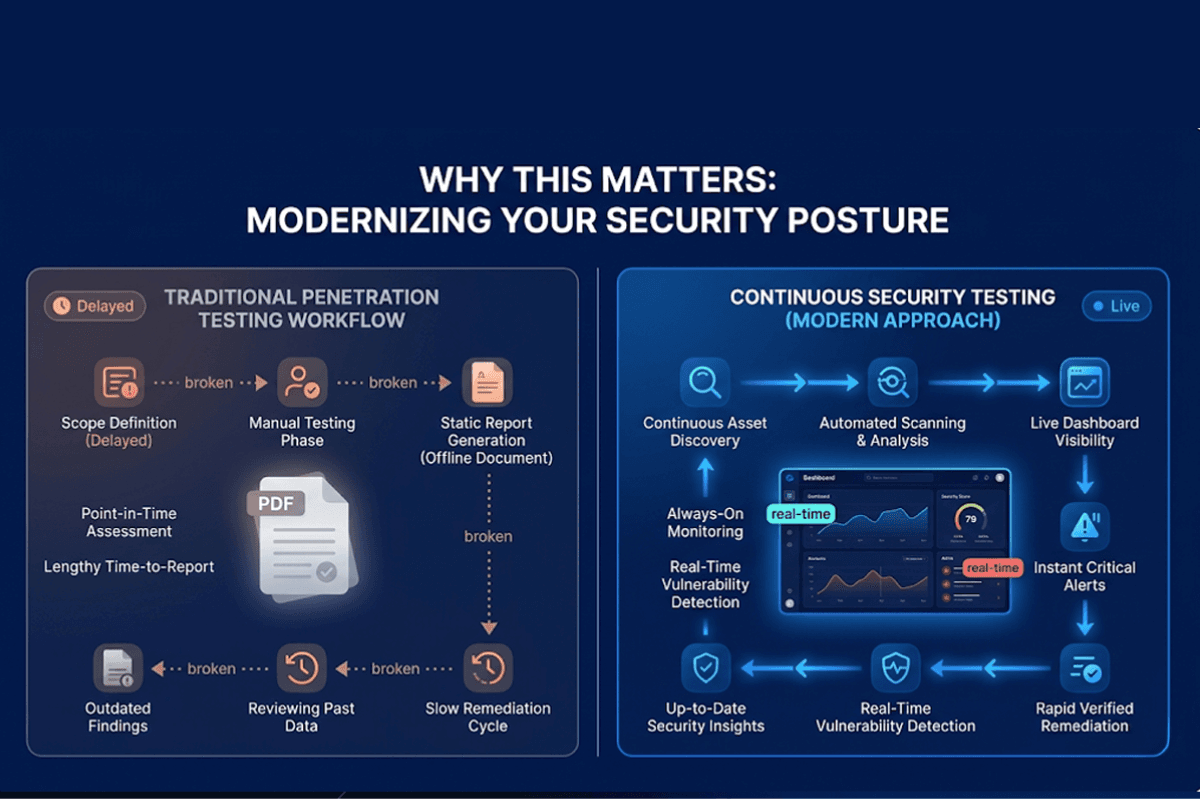
Traditional penetration testing still plays a role in compliance, but it introduces critical gaps in fast-moving environments.
The biggest issue is timing.
A typical cycle looks like this:
- Scope defined weeks in advance
- Testing completed in a fixed window
- Report delivered after delays
- Fixes applied without real-time validation
By the time remediation begins, the environment may already be different.
This creates three risks:
- Delayed visibility: Security teams do not see issues until it is too late.
- Fragmented communication: Developers and testers operate in separate workflows.
- Unclear prioritization: Teams spend time fixing issues that may no longer matter.
In enterprise environments where releases happen frequently, this model creates more friction than protection.
The Shift: Continuous, Intelligence-Led Testing
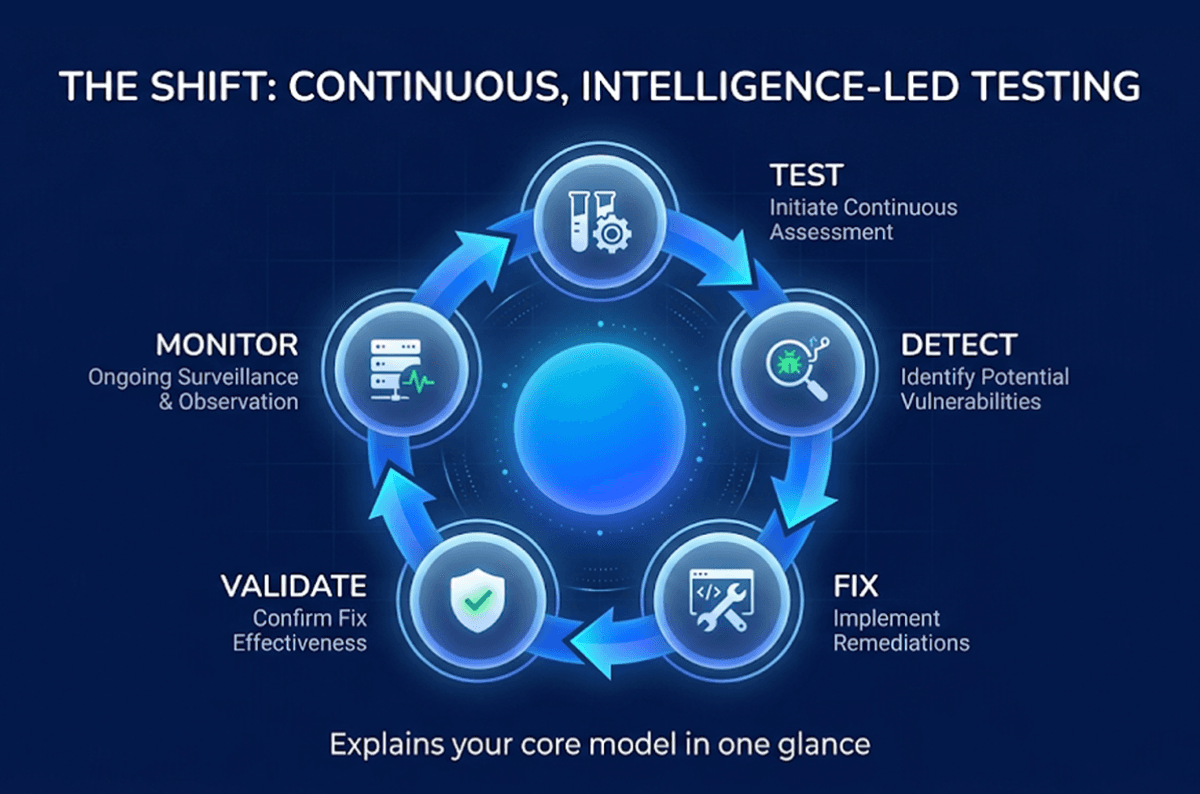
Enterprises across the US are moving toward a model where testing is continuous and insights are immediate.
This approach aligns security with how modern systems actually operate.
Instead of asking "When was our last test?" the question becomes: "What is our current risk posture right now?"
Capture The Bug's approach focuses on:
- On-demand testing aligned with releases
- Real-time visibility into vulnerabilities
- Continuous validation of fixes
- Ongoing collaboration between testers and engineering teams
This transforms penetration testing from a compliance activity into a daily operational advantage.
How Intelligent PTaaS Works in Practice
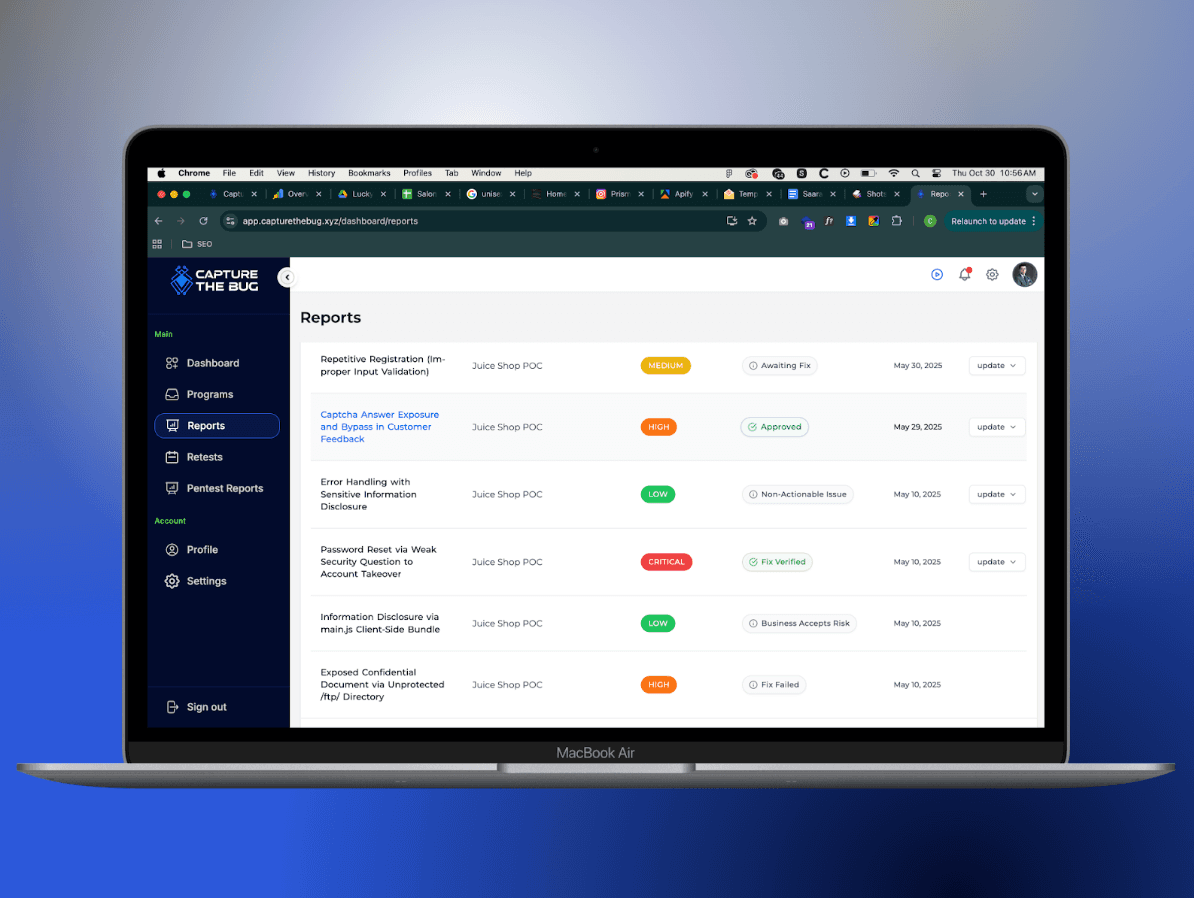
To understand the impact, it helps to look at how this model fits into a real enterprise workflow.
1. Testing Happens When It Matters
Security testing is triggered around product changes, not calendar dates. New features, integrations, or infrastructure updates are validated immediately.
2. Findings Appear in Real Time
Instead of waiting for a final report, vulnerabilities are visible as they are discovered. Teams can act instantly.
3. Human Validation Keeps It Accurate
Every finding is verified by certified testers. This removes noise and ensures teams focus only on real risks.
4. Fixes Are Verified Immediately
Once an issue is resolved, it is retested without delay. There is no waiting for another engagement cycle.
5. Compliance Stays Ready
Reports aligned with frameworks like SOC 2, ISO 27001, and PCI-DSS are always available.
This model reflects how Capture The Bug structures its PTaaS platform, delivering clarity instead of complexity.
Why US Enterprises Are Adopting This Model
The shift is not driven by trends. It is driven by operational pressure.
- Faster Release Cycles: Enterprise teams now deploy continuously. Security must keep pace.
- Expanding Attack Surface: APIs, cloud services, and third-party integrations increase exposure daily.
- Continuous Compliance Pressure: Audits are no longer annual events. They are ongoing expectations.
- Board-Level Accountability: Security posture is now a business metric, not just a technical concern.
Intelligent penetration testing addresses all of these by providing real-time, measurable security visibility.
The Real Value: Speed, Clarity, and Confidence
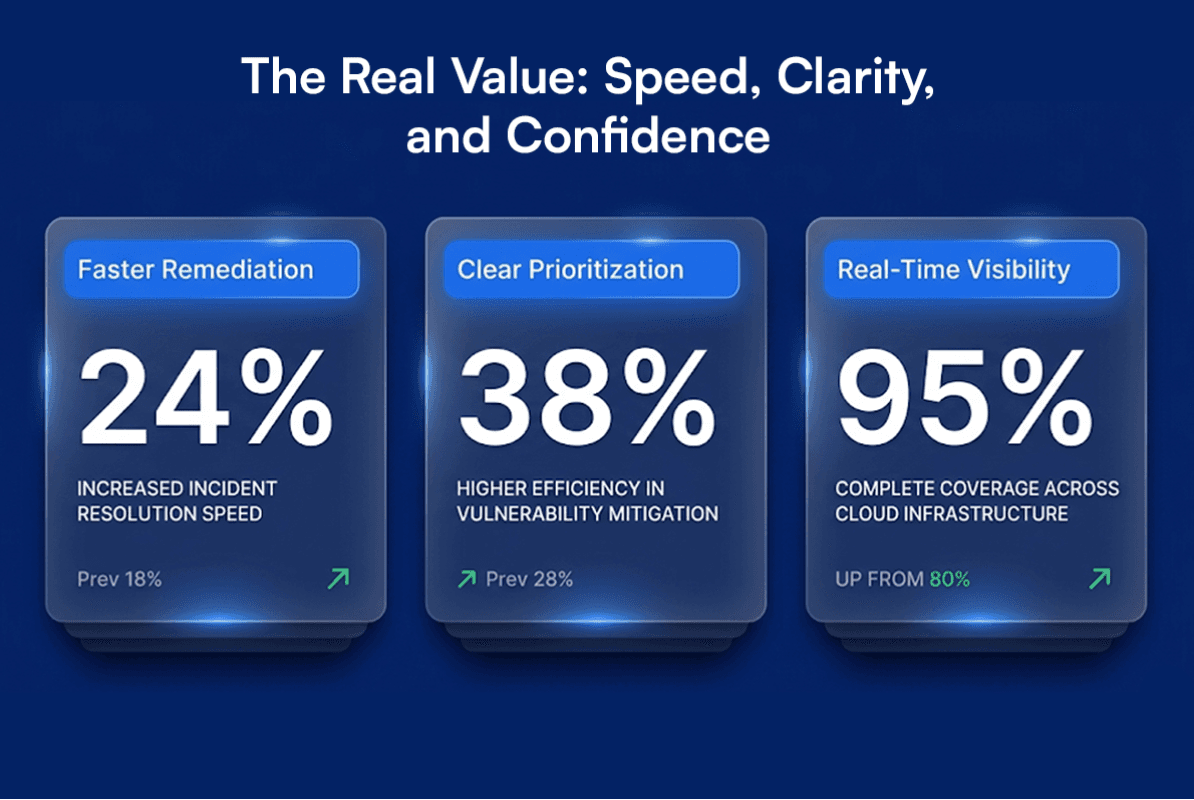
Enterprises often measure security in terms of risk reduction, but the real impact goes deeper.
Speed
Vulnerabilities are identified and fixed within the same development cycle.
Clarity
Teams know exactly what matters, without noise or outdated data.
Confidence
Leadership can see current security posture at any time, not just during audits.
Capture The Bug clients consistently report faster remediation timelines and improved collaboration between security and engineering teams.
This is not just better testing. It is better decision-making.
AI’s Role in Modern Penetration Testing
Artificial intelligence plays a supporting role in this evolution. It helps with:
- Mapping complex environments
- Identifying patterns across vulnerabilities
- Prioritizing risks based on context
But the key insight remains unchanged. AI accelerates discovery, but human expertise defines impact.
Capture The Bug combines both to ensure findings are not only fast, but also meaningful and actionable.
Enterprise Use Cases: Where It Matters Most
Intelligent penetration testing is especially valuable in high-risk, high-change environments.
- SaaS Platforms: Frequent updates require constant validation of APIs and user data flows.
- Fintech and Payments: Security must align with strict compliance and real-time transaction systems.
- Healthcare Systems: Sensitive data and regulatory pressure demand continuous assurance.
- Enterprise Cloud Infrastructure: Dynamic environments require constant visibility into configurations and access controls.
In each case, the goal is the same: reduce the time between vulnerability discovery and resolution.
Choosing the Right Partner in the US Market
Not all penetration testing providers are built for this model. Enterprises should focus on three key factors:
- Certification and Trust: CREST-certified providers ensure consistent quality and global standards.
- Real-Time Capability: Look for platforms that provide live visibility, not delayed reporting.
- Direct Access to Testers: Security should be collaborative, not transactional.
Capture The Bug positions itself around these principles, offering a model designed for modern enterprise environments rather than legacy workflows.
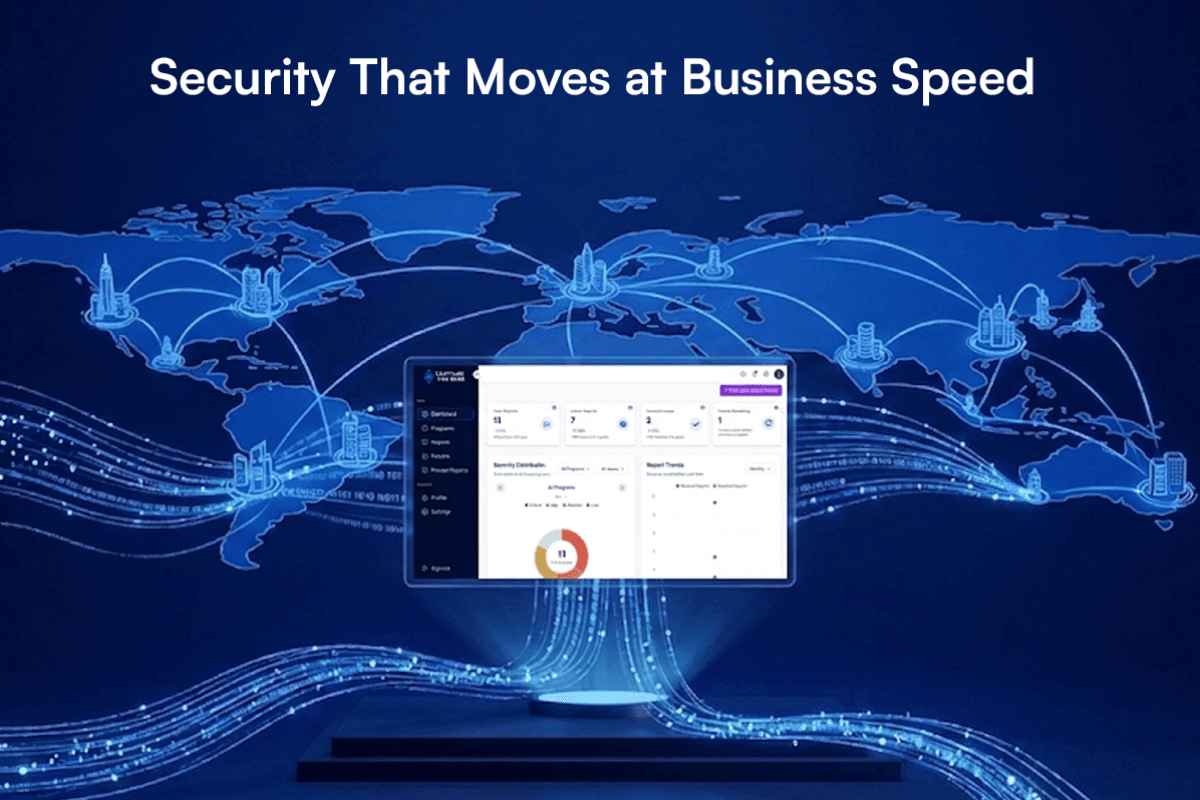
Final Thoughts: Security That Moves at Business Speed
The biggest shift in cybersecurity is not technological. It is operational. Enterprises are no longer asking for better reports.
They are asking for better timing, better clarity, and better outcomes. Intelligent penetration testing services deliver exactly that.
By moving from static assessments to continuous assurance, organizations gain the ability to:
- Detect risks earlier
- Fix vulnerabilities faster
- Prove security posture at any moment
In a landscape where threats evolve daily, that is not an advantage. It is a requirement.
Capture The Bug continues to support US enterprises in making this transition, helping them build security programs that are not just compliant, but resilient, measurable, and built for scale.
FAQ
1. What are intelligent penetration testing services?
They are modern testing services that combine continuous testing, real-time insights, and human validation to provide ongoing security visibility instead of one-time reports.
2. How is this different from traditional penetration testing?
Traditional testing is periodic and static. Intelligent testing is continuous, real-time, and aligned with development cycles.
3. Why are US enterprises moving to PTaaS?
Because it provides faster results, continuous compliance readiness, and better collaboration between security and engineering teams.
4. Does intelligent penetration testing replace human testers?
No. It enhances them. Human expertise remains critical for validation, exploitation, and risk prioritization.
5. Is this model suitable for large enterprises?
Yes. It is specifically designed for complex, fast-changing environments where traditional testing cannot keep up.