7 SaaS Security and Monitoring Tools of 2026 Chosen by CISOs
Why CISOs Are Rethinking SaaS Security in 2026
By 2026, SaaS security has stopped being a checklist exercise. CISOs are under pressure from three sides at once. Products change faster than ever. Customers ask deeper questions during security reviews. Regulators expect proof, not promises.
The old model of running occasional assessments and storing reports in folders no longer holds up. Security leaders now want continuous visibility, clear ownership, and evidence they can show to boards, auditors, and customers without scrambling.
This is where a new class of SaaS security and monitoring tools has stepped in. The tools listed below are not trend driven picks. They are platforms CISOs consistently choose because they reduce blind spots, shorten response time, and support real decision making.
This guide is written from a company perspective, not a vendor pitch. Each tool serves a distinct role, and most mature teams use more than one.
1. Capture The Bug
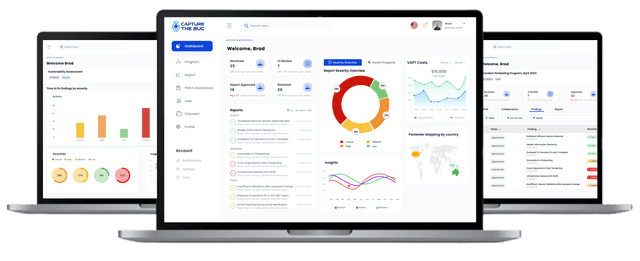
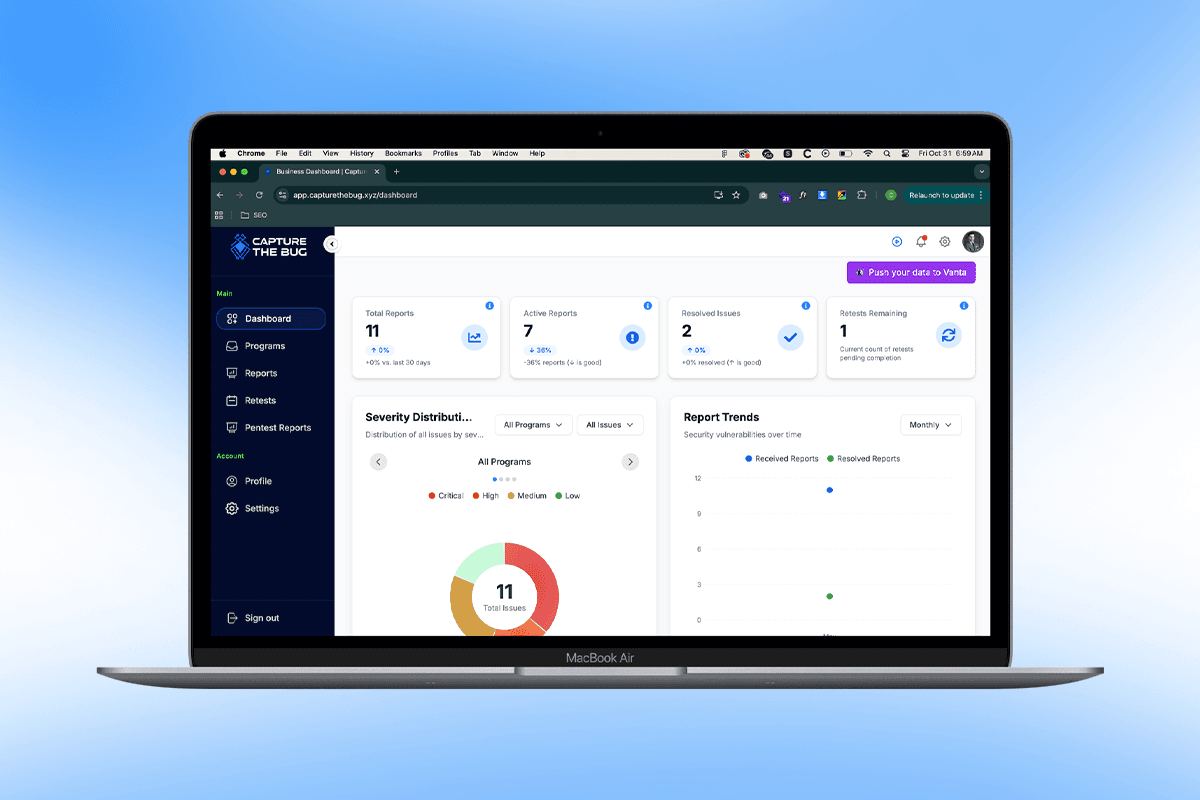
Capture The Bug is built for SaaS teams that want clarity instead of static paperwork. Security leaders choose it because it replaces long reporting cycles with continuous visibility and verified results.
Rather than delivering a single outcome at the end of an engagement, Capture The Bug provides ongoing testing with findings validated by certified professionals. CISOs value this approach because it reduces false alarms and keeps focus on what actually impacts risk.
Why CISOs choose it
- Continuous testing with human validation, not raw output
- Clear prioritisation tied to business impact
- Live dashboards that show progress, not just problems
- Evidence that supports SOC 2, ISO 27001, and enterprise security reviews
For SaaS companies selling to regulated or enterprise buyers, Capture The Bug becomes part of the trust conversation, not just a security tool.

2. Intruder
Intruder appeals to CISOs running lean teams who need consistent visibility without complexity. It focuses on identifying exposures early and highlighting what is reachable and risky.
Security leaders often use Intruder to maintain baseline awareness across changing environments. It works well as a monitoring layer that flags issues before they become uncomfortable conversations with customers or auditors.
Why CISOs choose it
- Clear view of externally reachable risk
- Simple onboarding for fast moving teams
- Useful alerts tied to real exposure, not noise
- Reporting that supports ongoing oversight
Intruder is often paired with deeper testing services rather than used alone.
3. Cloudflare
Cloudflare sits at the edge of the internet and that position makes it a foundational security choice. CISOs rely on it to absorb abuse, control access, and reduce direct exposure of critical systems.
Its value is not just in protection but also in consistency. Whether a company has one product or many, Cloudflare applies the same security posture across all public facing services.
Why CISOs choose it
- Strong protection against large scale disruption
- Central control over traffic and access
- Global reach without operational overhead
- Reliable performance under pressure
For many organisations, Cloudflare is considered non negotiable infrastructure.
4. Orca Security
Orca Security is chosen by CISOs who want context rather than fragmented alerts. It analyses cloud environments as a whole and highlights combinations of issues that actually create risk.
Instead of forcing teams to interpret hundreds of findings, Orca shows how identity, configuration, and data exposure connect. This helps leaders prioritise remediation efforts more effectively.
Why CISOs choose it
- Unified visibility across major cloud providers
- Context driven prioritisation
- Strong support for data protection oversight
- Clear insights for executive reporting
It is commonly adopted in organisations with complex cloud estates.
5. Rubrik
Rubrik focuses on data resilience. CISOs select it when recovery confidence matters as much as prevention.
In 2026, data loss and operational disruption remain top board concerns. Rubrik provides assurance that critical data can be recovered cleanly and quickly when something goes wrong.
Why CISOs choose it
- Strong backup integrity and recovery confidence
- Clear separation between live data and recovery copies
- Useful insights for resilience planning
- Support for hybrid environments
Rubrik often becomes part of business continuity conversations, not just security planning.
6. Vicarius TOPIA
Vicarius TOPIA is selected by CISOs who care about speed between discovery and resolution. It helps teams prioritise what matters most and protect critical applications while fixes are planned.
Security leaders appreciate that it supports remediation workflows without forcing rushed changes that increase operational risk.
Why CISOs choose it
- Risk based prioritisation that aligns with exploitability
- Temporary protection options that buy time
- Clear tracking of remediation progress
- Useful metrics for leadership updates
It fits well in environments where uptime is tightly linked to revenue.
7. Zscaler
Zscaler is chosen by organisations with distributed teams and complex access needs. CISOs rely on it to control how users reach internal applications without expanding exposure.
Its value lies in consistency. Security policies follow users regardless of location, reducing the need for fragile network based controls.
Why CISOs choose it
- Strong access control model for modern workforces
- Visibility into encrypted traffic risks
- Scalable approach for global teams
- Mature reporting for audits and reviews
Zscaler is often a long term strategic investment rather than a tactical tool.
Why SaaS Security Tools Matter More Than Ever
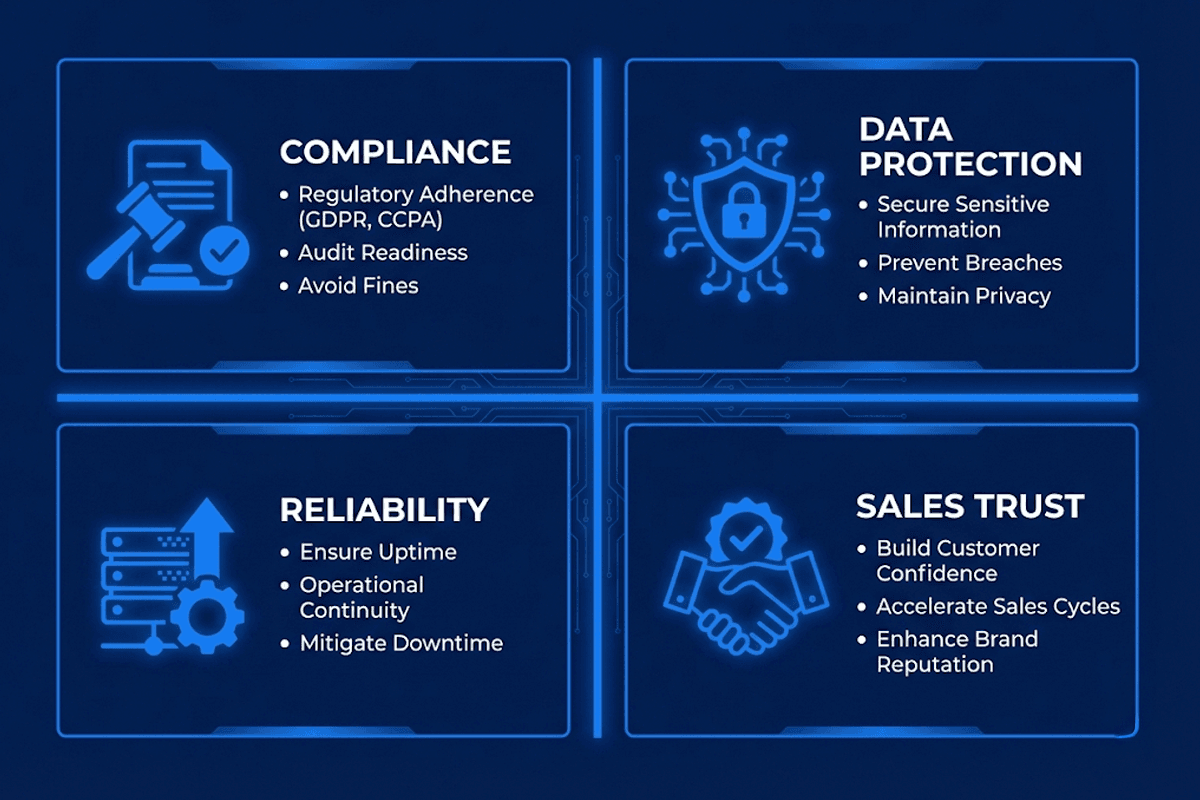
CISOs consistently point to four reasons these tools have become essential.
Compliance confidence
Modern buyers expect proof. Tools that generate clear evidence make audits and customer reviews far less painful.
Data protection
Customer trust depends on protecting sensitive data across applications, backups, and integrations.
Operational reliability
Security failures now lead directly to downtime, lost revenue, and reputational damage.
Sales enablement
Strong security posture shortens deal cycles and removes friction in enterprise negotiations.
Security is no longer isolated from business outcomes.
What CISOs Look for When Choosing Tools
Across interviews and deployments, several patterns emerge.
- Clear visibility without overload
- Prioritisation tied to real risk
- Evidence that supports audits and customers
- Tools that fit existing workflows rather than disrupting them
The tools listed here earned adoption because they align with how organisations actually operate.
Final Thoughts
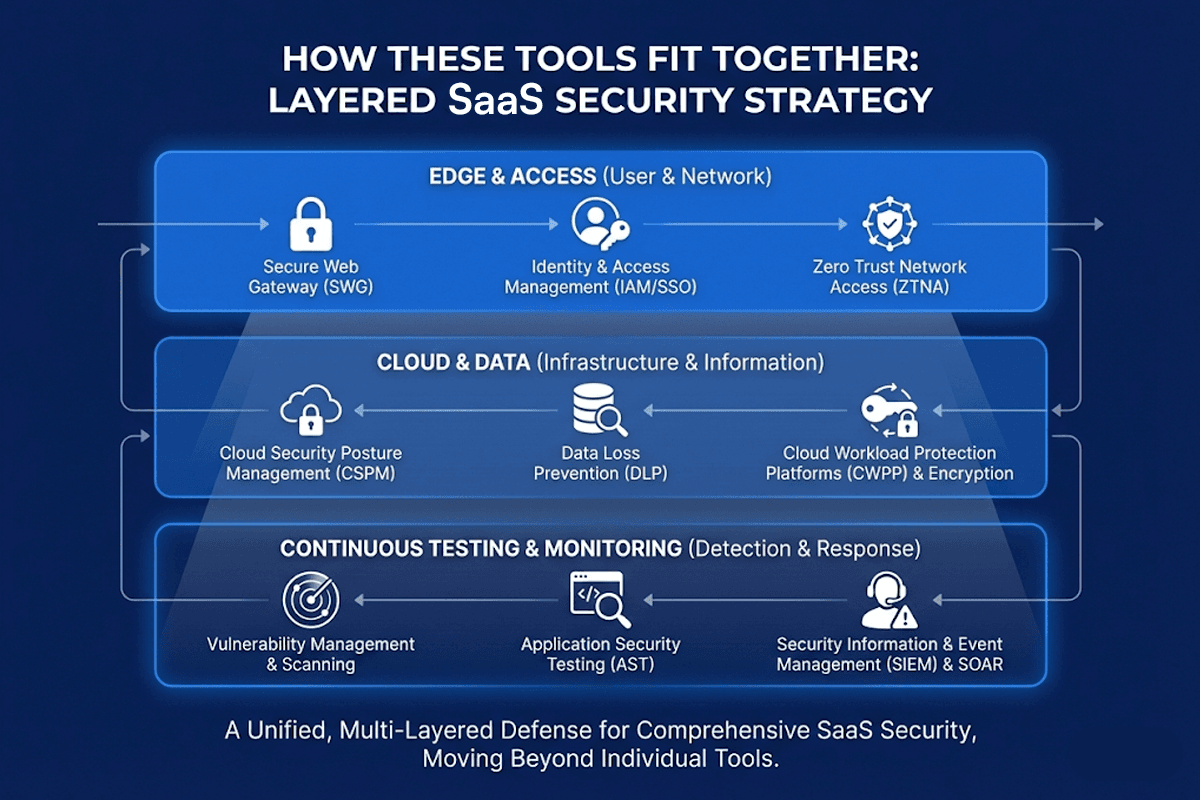
There is no single best SaaS security tool in 2026. The strongest security programs are layered, intentional, and aligned with business priorities.
CISOs choose platforms that reduce uncertainty and make risk visible in plain terms. Tools like Capture The Bug stand out because they turn security into something teams can act on continuously, not something reviewed once and forgotten.
The real shift is not in technology but in mindset. Security is now an ongoing conversation between leadership, engineering, and customers. The right tools make that conversation clearer and more honest.
FAQ
What are SaaS security tools
They are platforms designed to protect cloud based applications by providing visibility, testing, monitoring, and evidence of security posture.
How do CISOs choose SaaS security tools
They prioritise clarity, continuous visibility, and tools that support compliance and business decision making.
Is one tool enough for SaaS security
No. Most organisations use a combination of platforms to cover testing, monitoring, access control, and data protection.
Why is continuous security important for SaaS
Because applications change frequently and risks appear between scheduled reviews.
Which SaaS security tool is best for growing companies
That depends on risk profile, customer expectations, and regulatory exposure. Many growing SaaS teams start with continuous testing and expand from there.