Cybersecurity Best Practices for Smart Cities
Smart cities can only stay smart when their digital foundations are secure, resilient, and continuously tested.
Introduction: Cities Are Becoming Computers With Streets
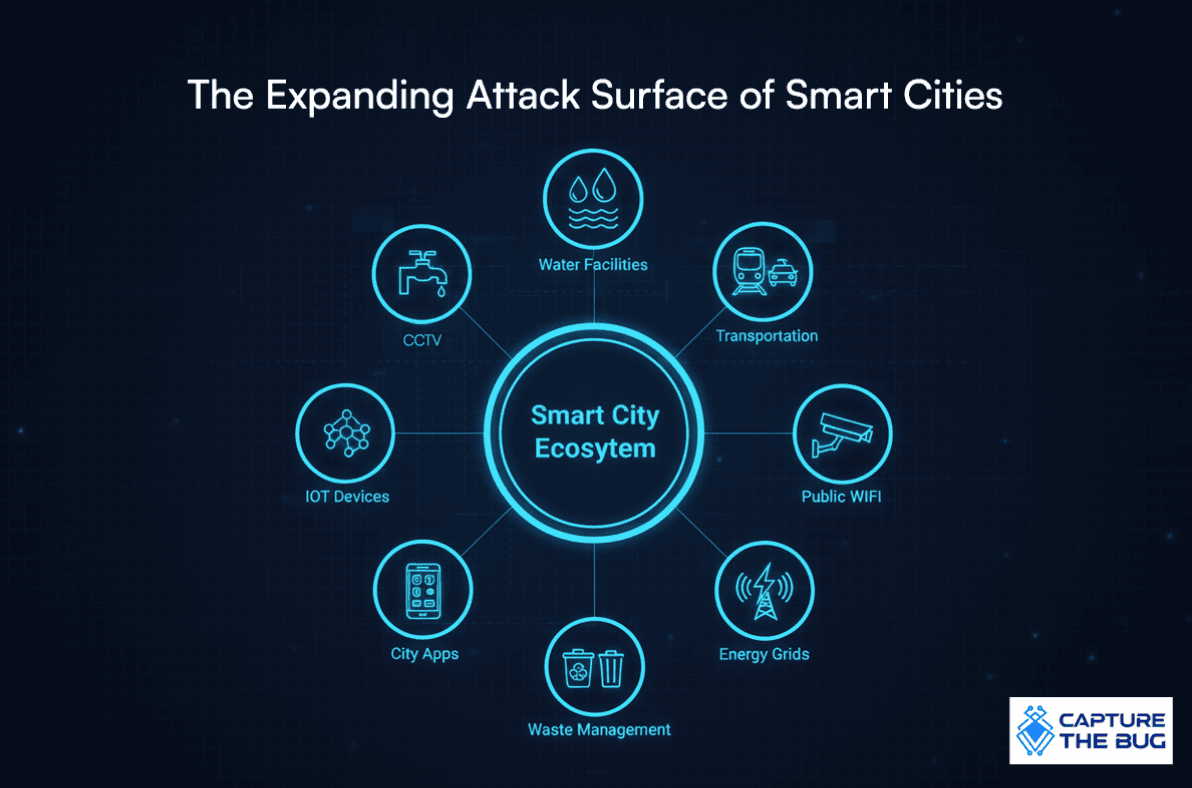
Across the world, cities are shifting from concrete-only systems to connected ecosystems. Traffic signals speak to command centers, water plants rely on remote dashboards, and public services run on software rather than paper forms. These innovations improve life for millions, but they also introduce something city planners did not expect: an entirely new attack surface.
Smart cities are now built on networks, data pipelines, and integrated digital platforms. When these systems falter, the impact does not stay on a screen. It flows directly into daily life. Water distribution can stop. Transport systems can stall. Public safety alerts can be manipulated. These risks make cybersecurity one of the most essential building blocks of urban development.
Smart cities thrive on trust. The only way to preserve that trust is through strong, continuous protection across every layer of the city's digital architecture.
The Modern Threat Landscape for Smart Cities
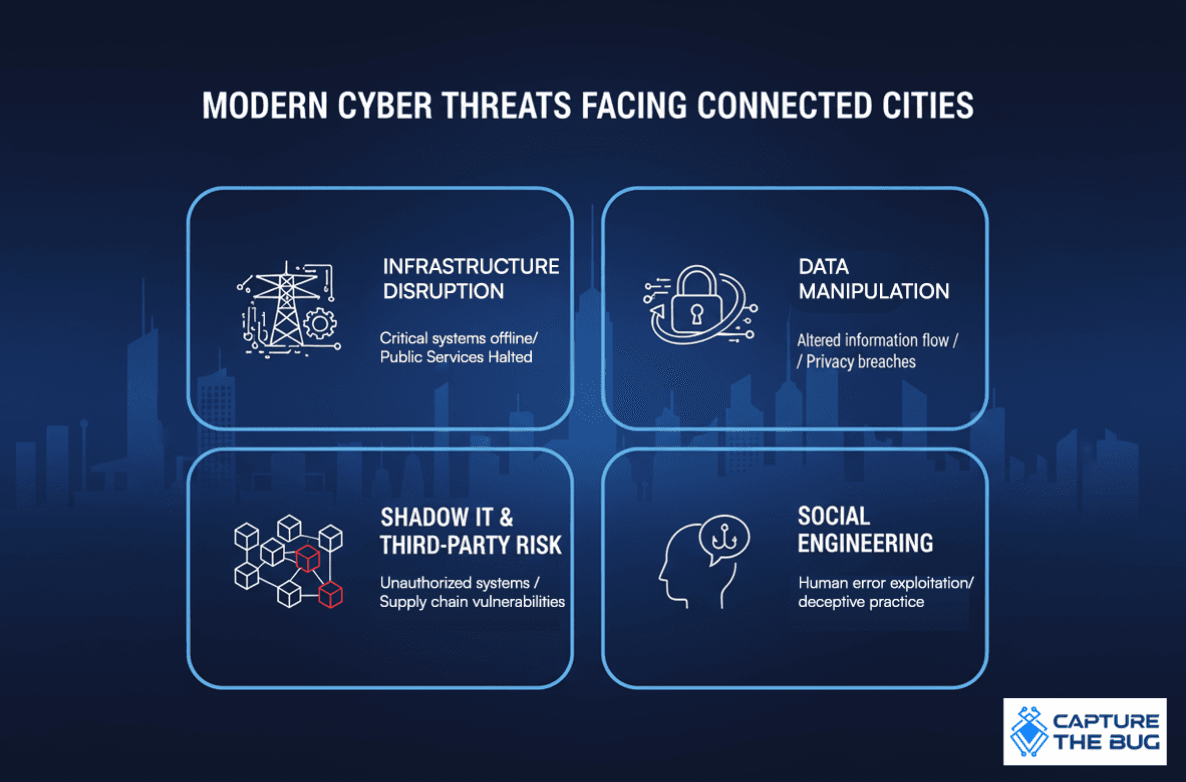
Smart cities do not fail because of one major weakness. They fail because thousands of small systems are connected, and one weak point can trigger a chain reaction. City infrastructure is wide, complex, and constantly changing, which means the threat surface grows every day.
Key risks facing modern smart cities include:
1. Critical Infrastructure Disruption
Water treatment centers, energy grids, traffic controls, emergency dispatch systems, and public transportation networks all depend on software. A single misconfiguration or unsecured endpoint can interrupt essential services that citizens rely on every minute.
2. Data Exposure and Manipulation
Smart cities generate enormous volumes of citizen data through sensors, apps, portals, and IoT devices. If these sources are not secured and validated, attackers can tamper with information or gain unauthorized access to personal records.
3. Lack of System Visibility
City systems are often managed by multiple contractors, vendors, and technology partners. When no central team has full visibility into the city's digital health, small gaps can quietly escalate into service-level threats.
4. Human Error and Process Failures
Even the smartest digital systems can be compromised by weak verification processes, unclear access rules, or accidental misconfigurations. In cities, people remain one of the most common entry points for attacks.
5. Legacy Infrastructure Mixed With New Tech
Many cities still rely on older operational systems while layering modern applications on top. This combination creates blind spots that are easy to overlook during planning and difficult to defend during emergencies.
Smart cities need more than tools. They need a strategy that scales with their complexity.
Best Practices to Strengthen Cybersecurity in Smart Cities
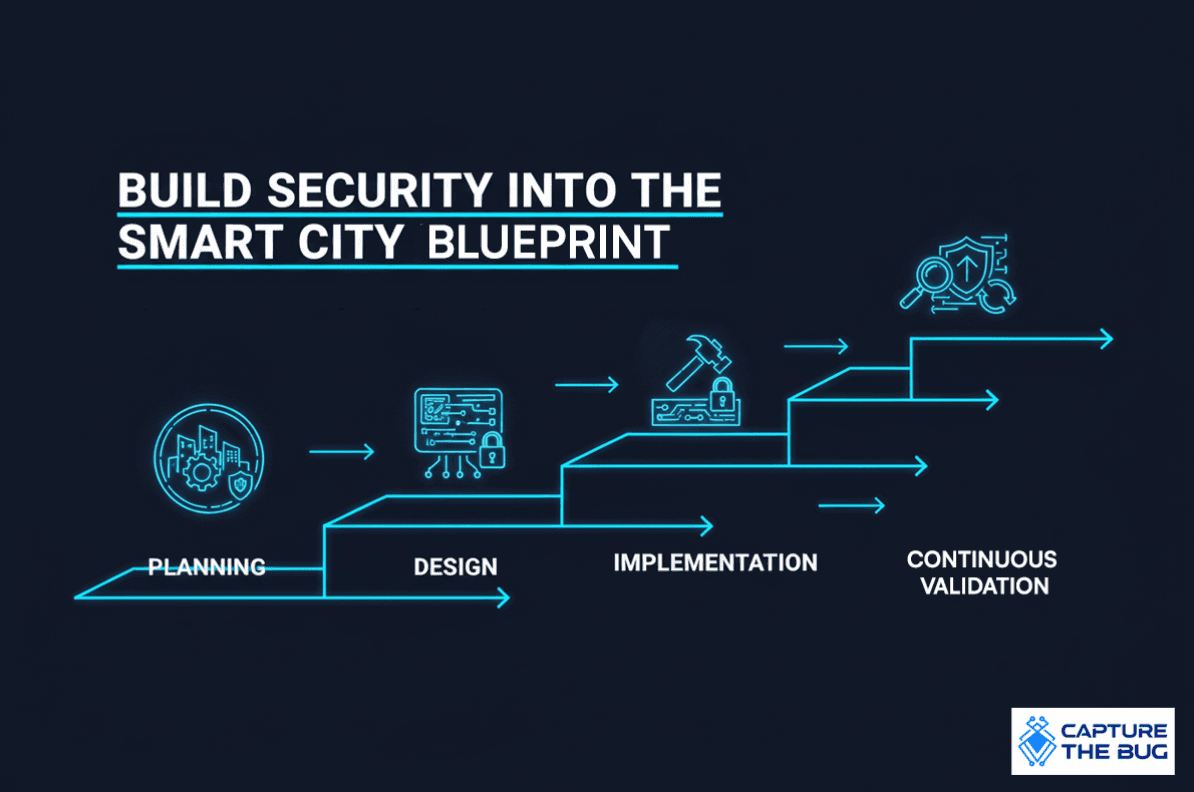
1. Build Security From the First Blueprint
Smart cities work best when cybersecurity is not added later, but woven into planning. When architects, engineers, digital consultants, and cybersecurity teams collaborate early, cities grow with a stronger foundation.
This includes:
- Pre-design risk assessments
- Security controls aligned with the city's long-term roadmap
- Data flow mapping for citizen services
- Early-stage penetration testing to identify weak points
Cities cannot afford to discover vulnerabilities after launch. Planning must include safeguards that evolve as services expand.
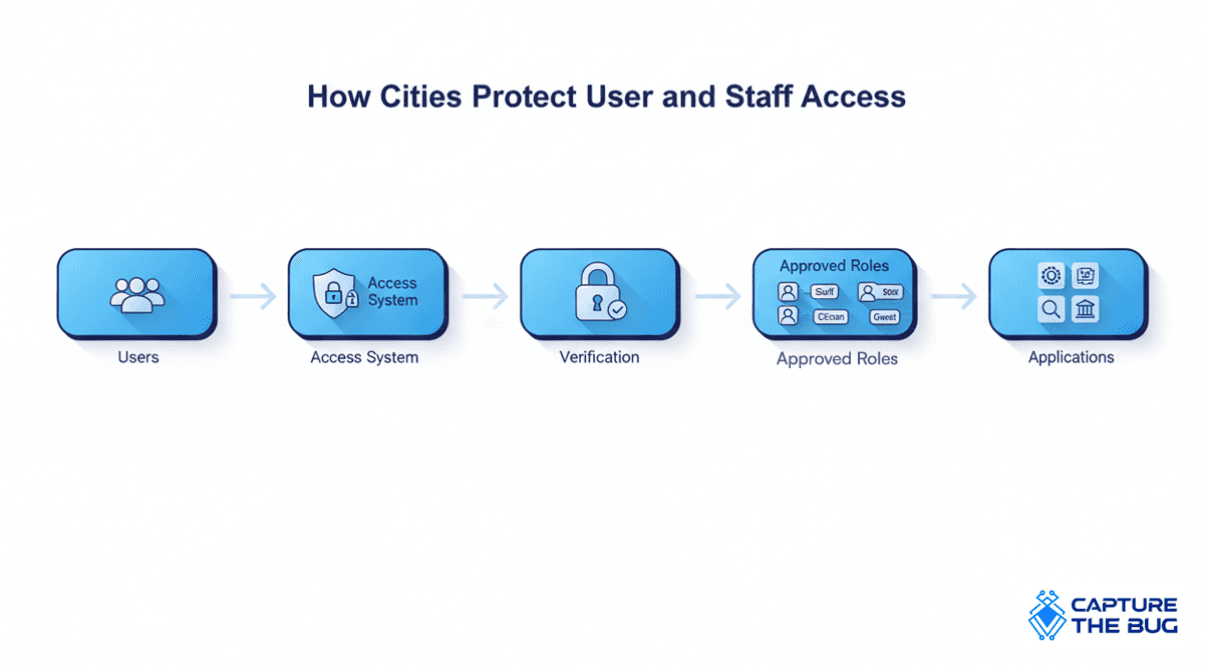
2. Create Identity Controls That Protect Citizens and Operators
Smart cities handle sensitive information for millions of people. Identity controls must be strict, reliable, and easy to enforce.
Strong identity practices include:
- Multi-factor authentication for city staff and vendors
- Role-based access that limits sensitive actions
- Clear separation of privileges between operators
- Regular access reviews across systems
When identity controls are weak, systems become vulnerable at the human level.
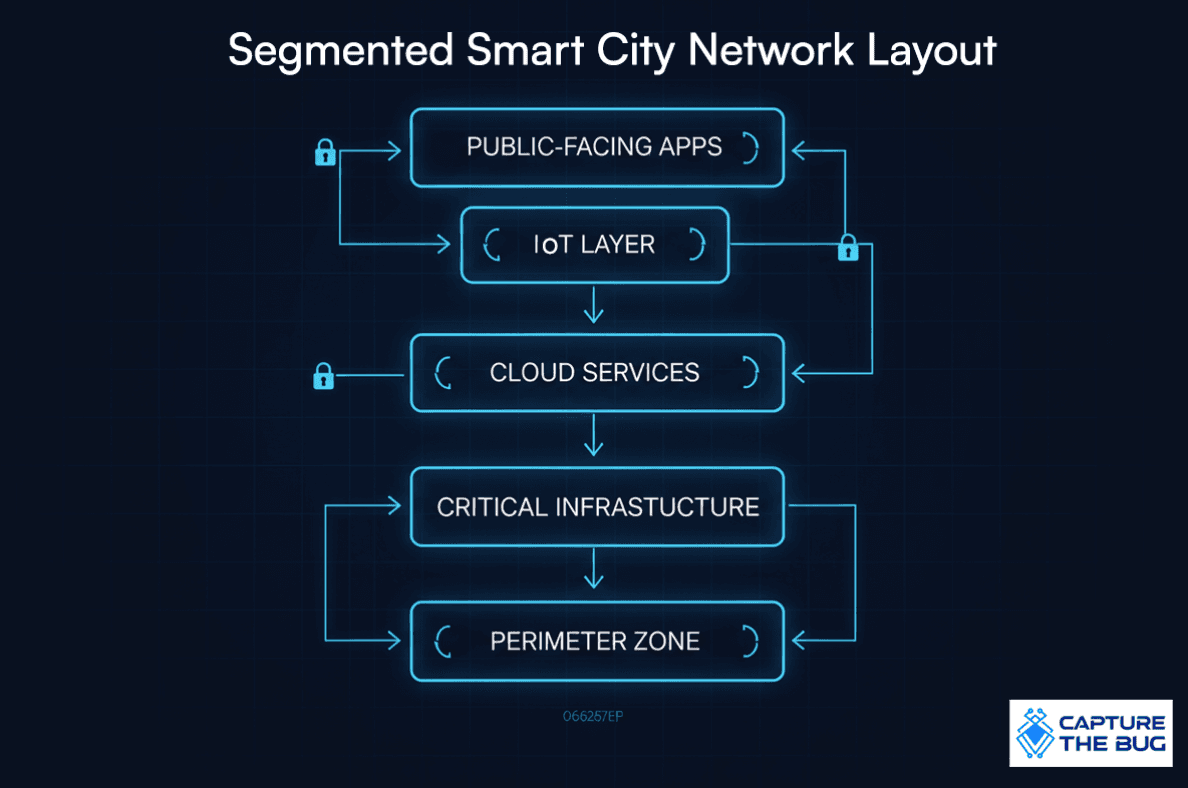
3. Segment Critical Networks
Smart city environments operate across multiple layers: control stations, communication networks, cloud platforms, data centers, and thousands of devices. If these layers are tightly connected, attackers can move freely across them.
Network segmentation prevents this.
It isolates critical systems from public-facing services and restricts internal movement. Even if one area is compromised, the entire city does not fall.
Segmentation also makes detection faster and containment easier, reducing disruption for citizens.
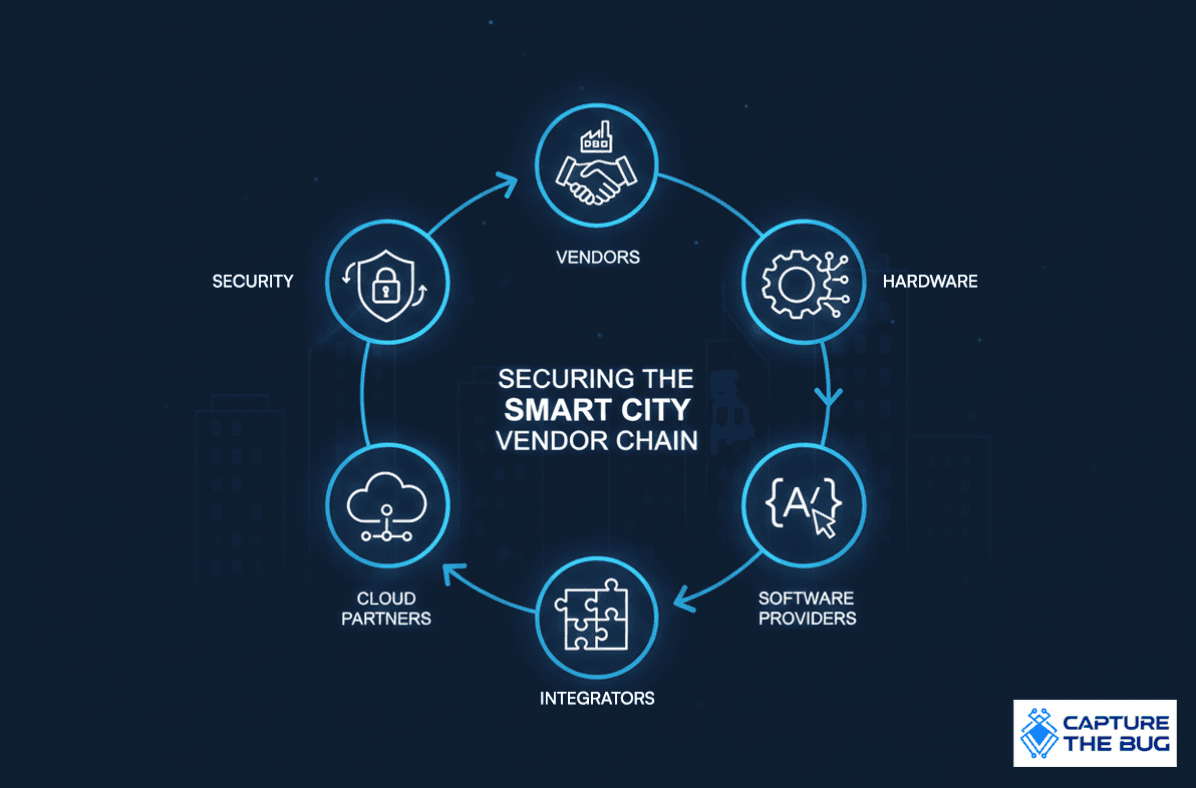
4. Strengthen Vendor and Supply Chain Security
Smart cities rely heavily on technology partners. Every contractor, every device vendor, and every software provider becomes part of the city's extended security perimeter.
Cities should enforce:
- Security expectations in every contract
- Mandatory compliance with global standards such as ISO 27001 and NIST
- Transparency around data handling, access methods, and incident response
- Periodic validation through independent testing
The vendor chain must be treated as an extension of the city. If one partner is weak, the entire system is exposed.
5. Build Resilience, Not Just Prevention
Prevention is essential, but resilience is what keeps a city moving when something goes wrong.
A strong resilience plan includes:
- Incident response playbooks for each critical system
- Clear actions to take before, during, and after a breach
- Regular drills with cross-functional teams
- Communication frameworks to alert citizens without panic
- A reliable backup strategy that restores systems quickly
Smart cities cannot avoid every threat. They can, however, respond faster than the threat can spread.
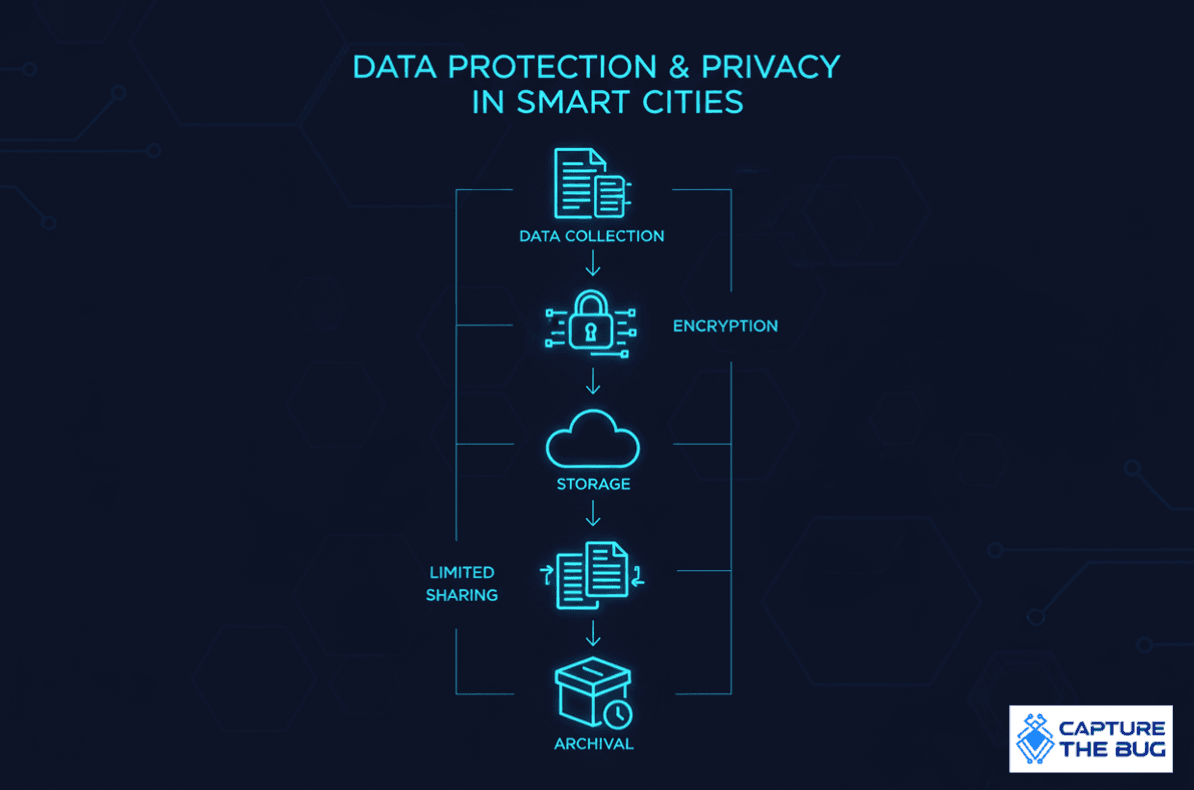
6. Protect Citizen Data With Clear Governance
Cities must treat citizen data as a protected asset. Collect only what is needed, store it responsibly, and dispose of it when it no longer serves a purpose.
Effective data governance includes:
- Data minimization across platforms
- Encryption of data at rest and in motion
- Strict retention rules that prevent long-term exposure
- Continuous testing of high-value data pipelines
When cities demonstrate that they safeguard personal information, citizens engage more confidently with digital services.
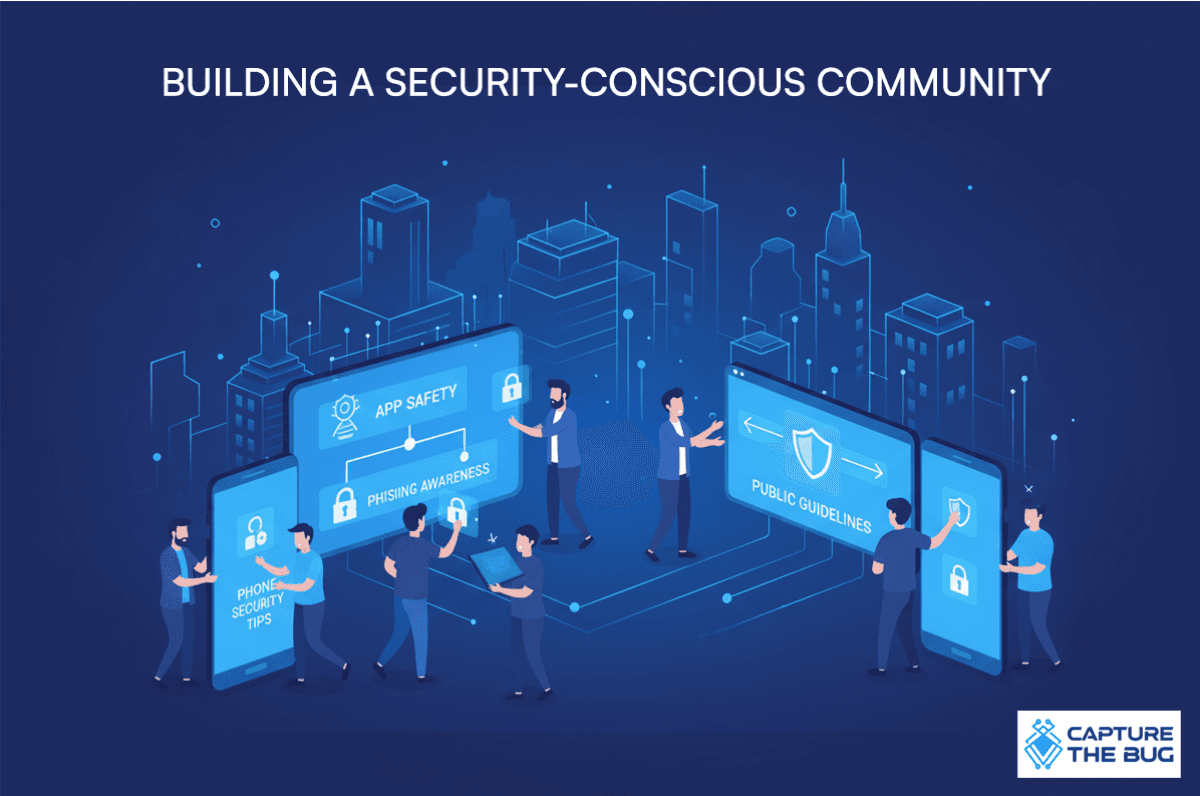
7. Build Public Awareness and Human-First Training
Technology protects infrastructure. Awareness protects people.
Smart cities should invest in:
- Citizen-friendly security workshops
- Public service campaigns about digital safety
- Employee training to identify suspicious activity
- Simulated phishing and process testing for city staff
Every person who interacts with city systems contributes to its resilience.
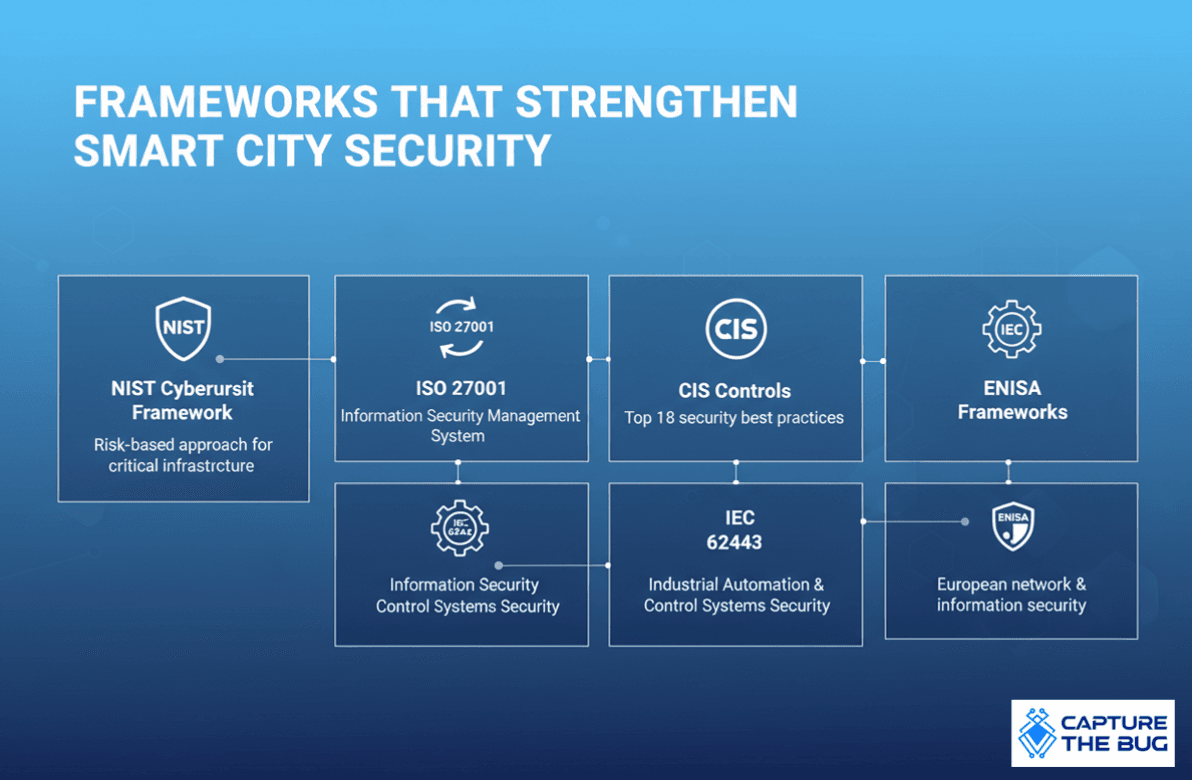
8. Adopt Global Frameworks for Long-Term Stability
Smart cities benefit from structure. Aligning systems with established cybersecurity frameworks helps improve governance and reduces blind spots.
Useful frameworks include:
- NIST
- ISO 27001
- IEC 62443 for industrial control environments
- CIS Controls
- Local regulatory guidelines
When cities follow these standards, they align technical decisions with proven global practices.

Why Continuous Testing Matters for Smart Cities
City systems do not stay the same. They grow, integrate, and evolve every day. New applications are added. New devices come online. New vendors enter the ecosystem. Each addition creates fresh security expectations.
This is why continuous testing is essential.
It ensures visibility across a moving attack surface and validates the health of every public-facing service. Without ongoing testing, cities depend on outdated assumptions that no longer match real conditions.
Capture The Bug supports this through a pentesting platform built for constant visibility. Their approach focuses on clarity, verified findings, and a partnership style that helps public sector teams fix issues faster. This reduces blind spots and gives city leaders confidence that their systems are protected as they evolve.
Final Thoughts
Smart cities represent the future of public life. They promise efficiency, sustainability, and progress. But with every new digital connection comes new responsibility.
A smart city is only as strong as the systems that protect it. When cybersecurity is treated as a core pillar rather than a technical afterthought, cities become safer, more resilient, and more trusted by the people they serve.
Building a smart city is more than an engineering challenge. It is a long-term commitment to protecting the digital heartbeat of urban life.
Ready to Secure Your Smart City?
Discover how Capture The Bug's CREST-certified PTaaS platform delivers continuous testing, real-time collaboration, and audit-ready outputs for public sector and urban infrastructure teams.
FAQ
1. Why do smart cities need cybersecurity?
Smart cities operate on interconnected digital systems. Without strong security practices, essential services risk disruption, data exposure, or manipulation.
2. What are common risks in smart city environments?
Risks include infrastructure disruption, weak access controls, data leakage, vendor vulnerabilities, outdated systems, and flawed processes.
3. How can cities protect citizen data?
By limiting data collection, encrypting information, enforcing strict access rules, and validating data flow through regular testing.
4. Why is continuous testing important?
City systems change frequently. Continuous testing ensures vulnerabilities are found early and resolved before they impact citizens.
5. What makes a smart city resilient against cyber threats?
Clear governance, strong identity controls, segmented networks, trained personnel, secure vendor practices, and validated infrastructure.